Spain resumes Russian LNG purchases ahead of key deadline, new report reveals
 on Google

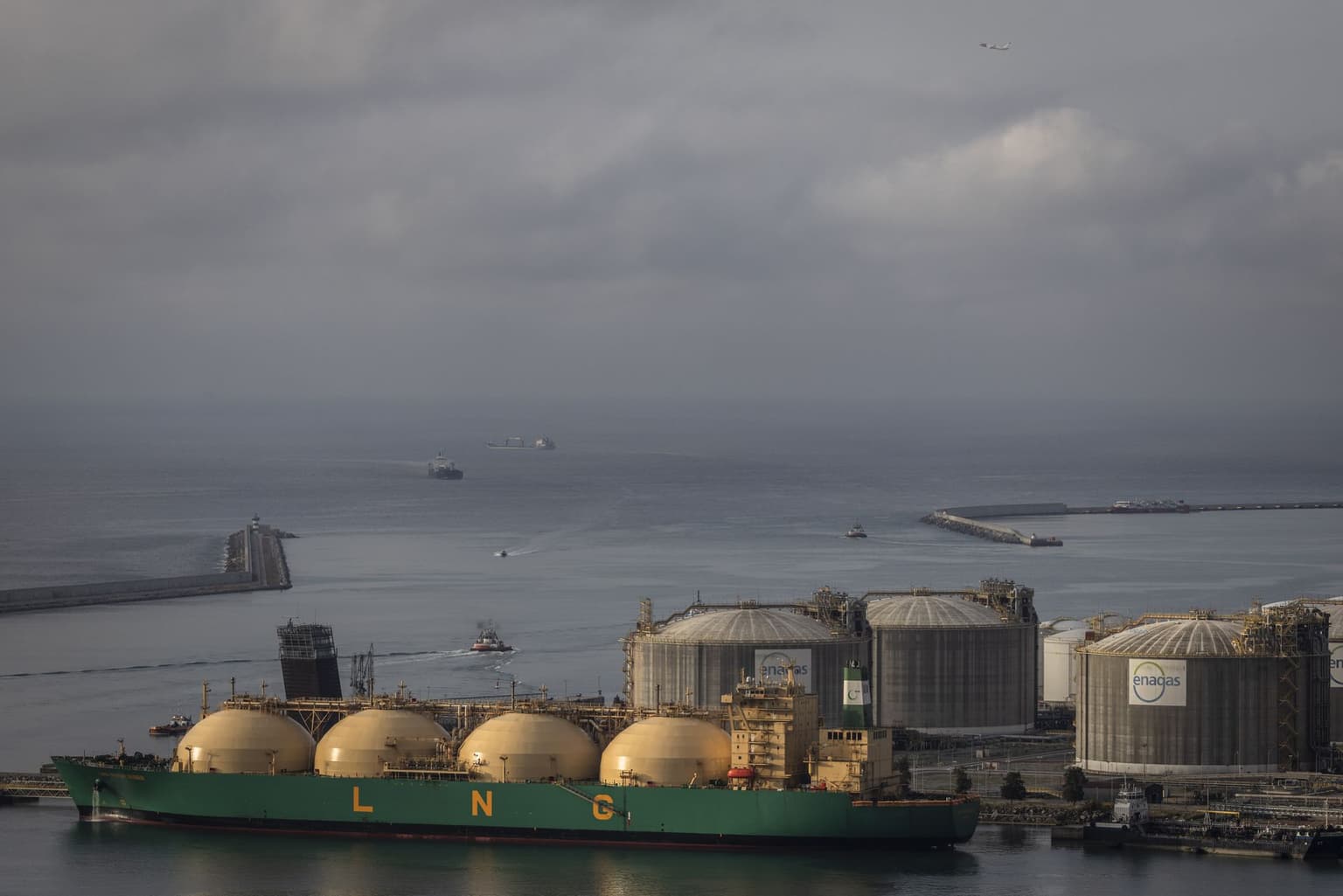
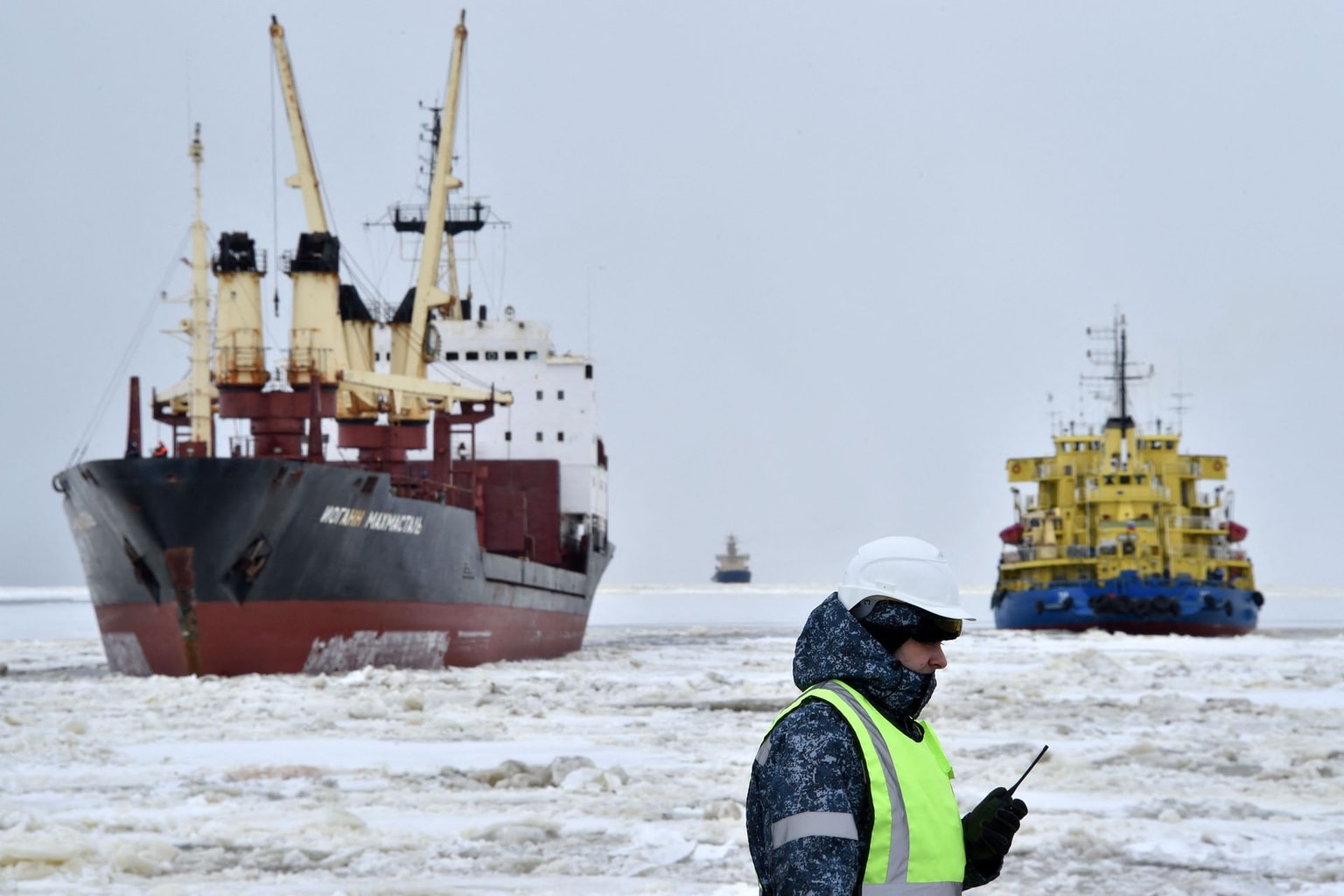
Spain imported 138,000 metric tonnes of Russian liquefied natural gas (LNG) in October despite having phased out imports from Moscow in September, according to a Nov. 12 report by the Center for Research on Energy and Clean Air.
The resumption of LNG supplies comes as EU imports of Russian LNG fell 10% month-on-month, and just ahead of a forthcoming ban on all Russian LNG entering the bloc from January 2027, reads the CREA report.
"Companies are acting in their own commercial interests and are likely maximizing Russian LNG imports under existing long-term contracts ahead of the full EU ban coming into force," Isaac Levi, an analyst with CREA, told the Kyiv Independent.
That effect has also been seen across EU imports through 2026 as a whole.
The bloc has imported a fifth more LNG from Russia's Arctic Yamal facility so far in 2026, than it did in the whole of 2025, according to data shared with the Kyiv Independent.
But those imports were stacked heavily towards the first half of 2026, and since then countries such as Belgium have eliminated Russian LNG from their supply chain.
The other top importer of Russian LNG is France, which has a contract already paid for, but which will come to an end with the EU ban entering into force.

But the top two importers of Russian fossil fuels as a whole in the EU remain Hungary and Slovakia, which are still connected to Russian pipelines.
The EU's ban on gas imports via pipeline is set to take effect from Nov. 1, 2027.
Shadow ships switch up their flags
Separately, the CREA report also noted that the number of shadow fleet ships — vessels helping Russia to export fossil fuels and evade sanctions — flying under a Russian flag has more than tripled since the previous October.
In October 2025, 20 Russian-flagged tankers delivered 6% of Russian oil, but this had risen to 62 ships accounting for 47% of oil deliveries, notes the CREA report.
For Levi, "the expansion of Russia’s own flag registry is an increasingly important tool for evading sanctions and avoiding scrutiny."
As falsely flagged tankers face detention or enforcement action, registering vessels under the Russian flag offers an alternative means of reducing the risk of interception and keeping oil flowing," Levi said.
While national officials in countries such as Sweden and Finland have told the Kyiv Independent that they intercept shadow fleet ships based on legal criteria, such as proof of an environmental risk, they have also admitted that the flying of a Russian flag can change the calculus about carrying out interceptions.
But the aim of EU sanctions policy for them is not necessarily to stop all ships in their tracks, but to continue raising the cost for Russia of exporting fossil fuels, and requiring them to protect their ships with military vessels, those officials say, is an example of how sanctions measures successfully impose additional costs.