US senators propose using frozen Russian assets to support Ukraine's military
 on Google
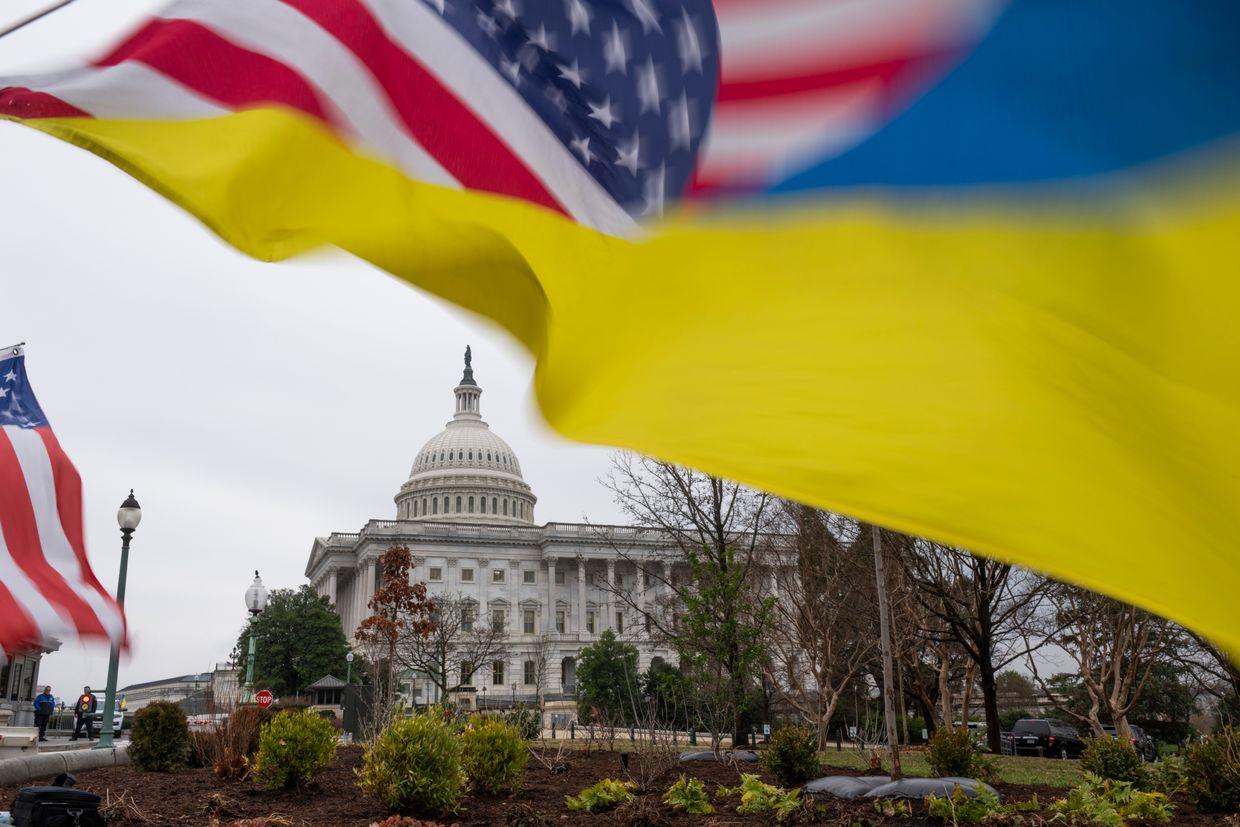
A bipartisan group of U.S. senators introduced legislation on June 18 that would allow frozen Russian assets under U.S. control to be used for the purchase of military equipment for Ukraine.
The proposed Seized Assets for Battlefield Equipment and Readiness (SABER) Act would expand existing U.S. authorities, allowing Kyiv to use seized Russian assets to strengthen its military capabilities as Russia's full-scale war continues.
The initiative builds on the Rebuilding Economic Prosperity and Opportunity for Ukrainians (REPO) Act, adopted by the U.S. in April 2024. The law granted Washington legal authority to transfer Russian sovereign assets under U.S. jurisdiction to support Ukraine.
Following Russia's full-scale invasion in 2022, Western countries froze around $300 billion in Russian assets. Roughly $4 billion to $5 billion of assets fall under U.S. jurisdiction.
The REPO framework has been used to support a $20 billion U.S. contribution to the broader $50 billion G7 loan for Ukraine. It is being repaid through profits generated by frozen Russian assets.
The SABER Act would broaden the list of uses, allowing seized assets to fund Ukraine's purchase of defense equipment and services to respond to Russian aggression.
"The REPO Act laid important groundwork for seizing and repurposing billions of dollars in frozen Russian assets to help the Ukrainian people defend their own sovereignty after Russia's unprovoked invasion of Ukraine," Republican Senator John Cornyn said.
"By extending the law's permissible use of funds to replenish Ukraine's arsenal, this legislation would go one step further to helping our ally defend against Russian aggression and force (Russian President Vladimir) Putin to foot the bill for arming Ukraine."
The bill was introduced by Republican senators John Cornyn, Roger Wicker, and Chuck Grassley, alongside Democratic senators Tim Kaine, Chris Coons, and Sheldon Whitehouse.
A companion bill in the House of Representatives is being led by Representative Joe Wilson.
The proposal comes amid ongoing debate among Western allies over how to use frozen Russian assets. While several governments have supported using profits generated by assets, direct confiscation remains controversial in some jurisdictions due to legal and financial concerns.
The Trump administration has previously argued that frozen Russian assets could play a role in a future settlement between Moscow and Kyiv. One U.S.-backed peace framework envisioned that a portion could be directed into a future U.S.-Russia investment mechanism.