Lindsey Graham's revised Russia sanctions bill gains filibuster-proof Senate support
 on Google
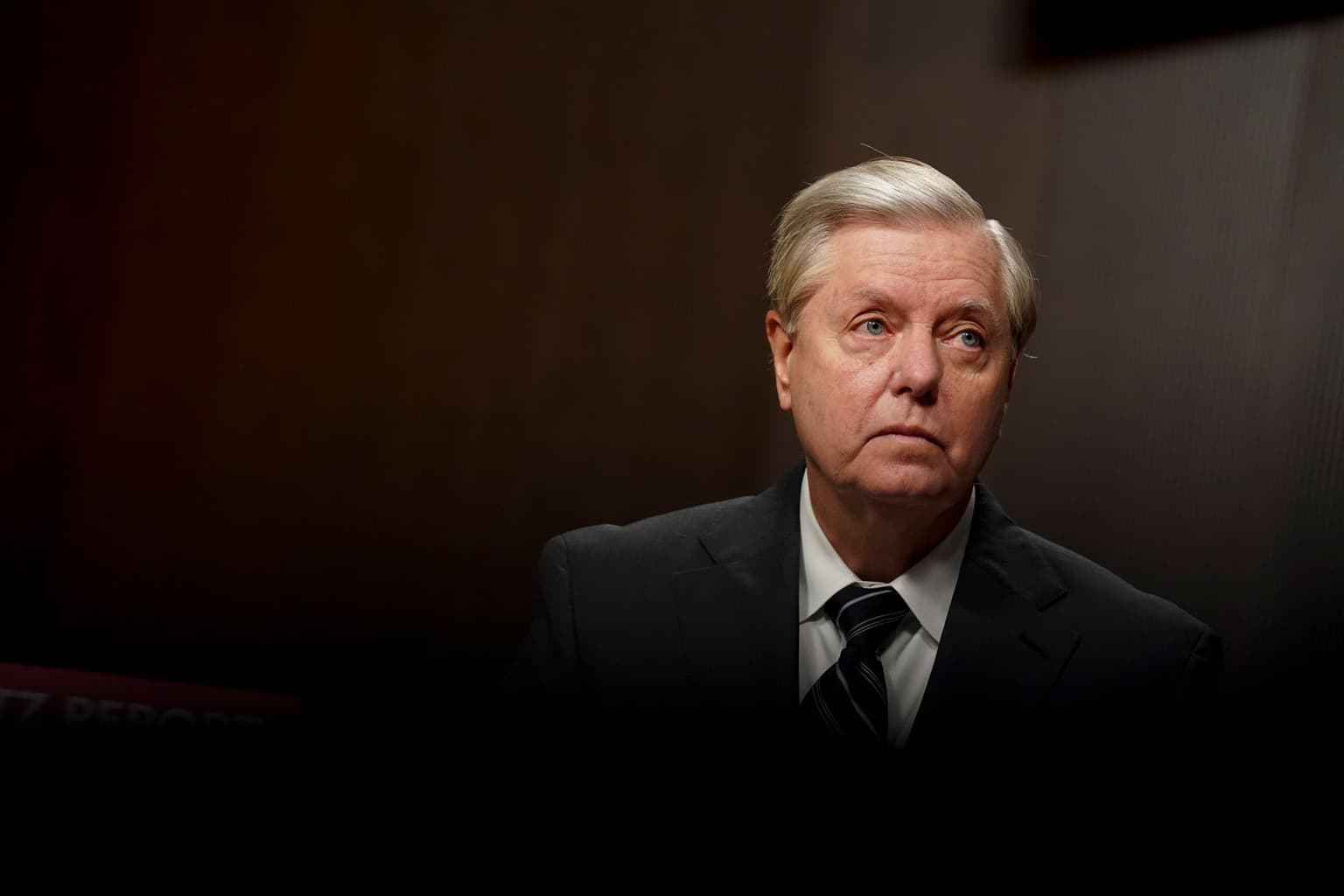
More than 60 U.S. senators introduced a revised Russia sanctions bill on July 16 that would impose tariffs on countries purchasing Russian oil and gas, seeking to deprive Moscow of revenue for its war against Ukraine.
The legislation, led by Senators Richard Blumenthal and Darline Graham, has at least 61 co-sponsors — 39 Republicans and 22 Democrats — enough to overcome a Senate filibuster, one person familiar with the matter told the Kyiv Independent.
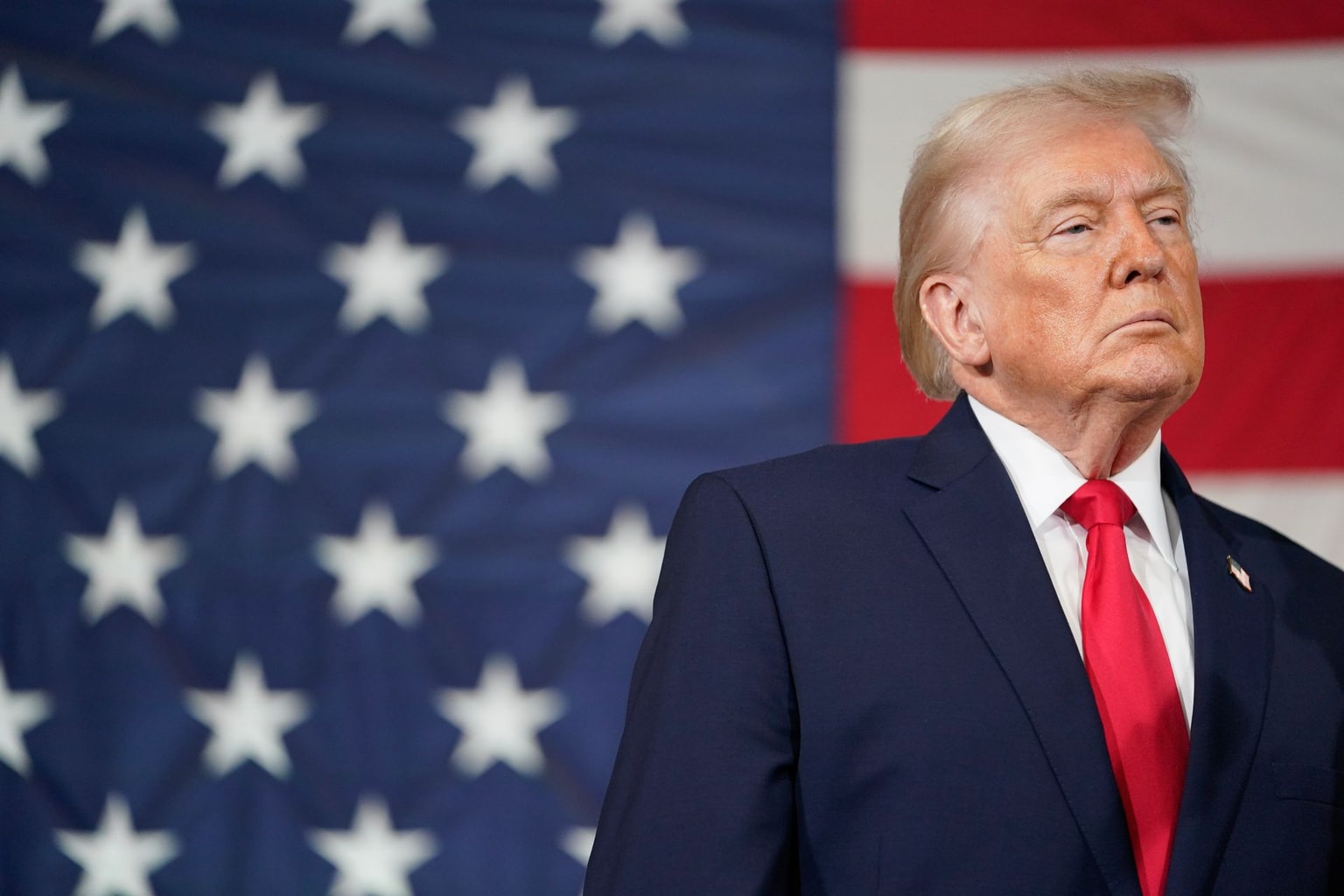
The bill has been stalled in Congress since April 2025 amid U.S. President Donald Trump's evolving approach to Russia's war against Ukraine.
The updated legislation emerged from negotiations between the White House and the late Senator Lindsey Graham, who said shortly before his death on July 11 that he had secured the Trump administration's support for the proposal.
One U.S. official earlier told the Kyiv Independent that Trump supports the legislation as a way to honor Graham, one of his closest allies in the Senate.
The bill's supporters are now focused on securing floor time for a vote. Senate Majority Leader John Thune is among the legislation's co-sponsors.
Lawmakers argue the measure would provide the Trump administration with another tool to pressure Moscow into meaningful peace negotiations.
"Passing this legislation would honor my brother's steadfast commitment to our national security, and it would provide President Trump with additional leverage to bring this war to an end," Senator Darline Graham, who was appointed to succeed her brother following his death, said in a statement.
Unlike the original proposal, which called for a blanket 500% tariff on imports from countries buying Russian oil or natural gas, the revised bill would impose tariffs of up to 100% on the world's five largest purchasers of Russian energy.
The same maximum tariff would apply to the five countries most involved in facilitating Russian oil sanctions evasion.
Under the draft legislation, the list of the top five purchasers would be reviewed every 180 days. Countries importing less than 15% of Russia's total natural gas exports while actively reducing those imports would be exempt.
China, India, and Turkey are currently the largest buyers of Russian oil, while the EU, China, and Turkey are among the leading importers of Russian natural gas.
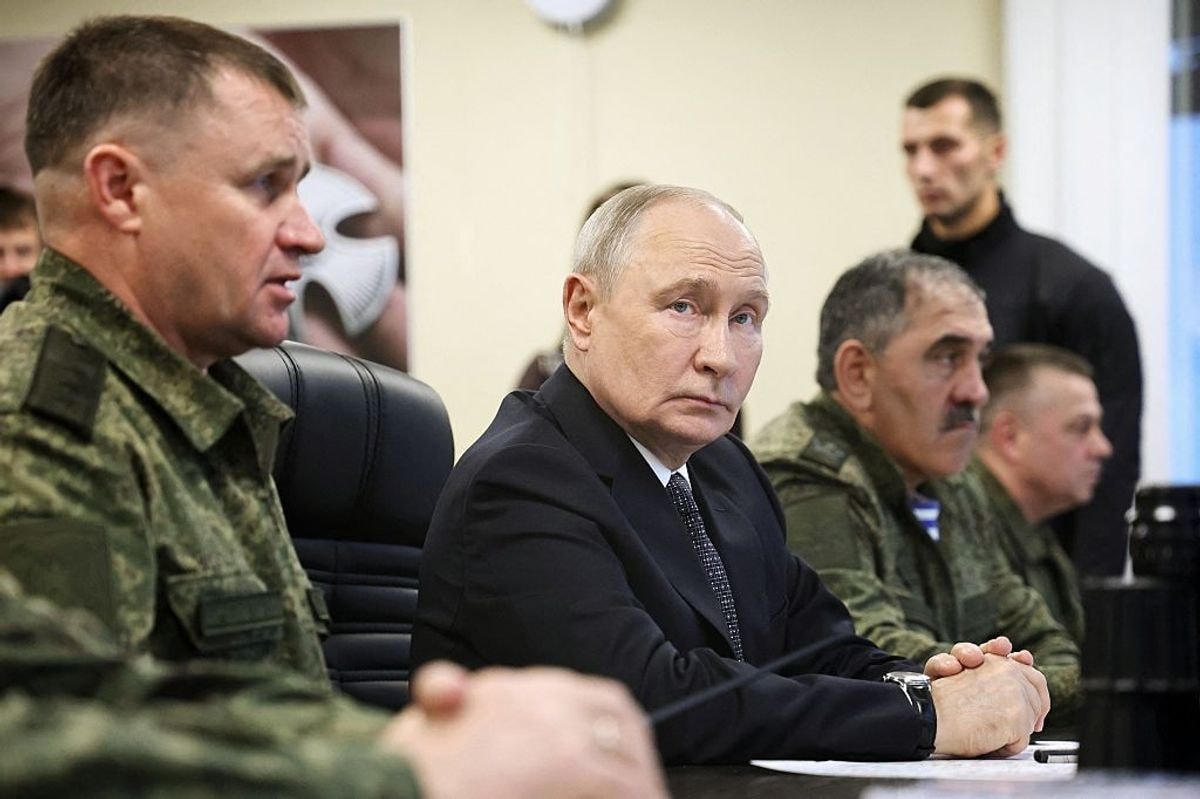
Beyond tariffs, the legislation would mandate sanctions against Russian President Vladimir Putin and other senior Russian officials, as well as major Russian financial institutions, including the Central Bank, Sberbank, and Gazprombank.
It would target Russian state-owned companies, foreign entities supporting Russia's defense-industrial base, and major energy projects.
The bill also incorporates measures targeting Russia's shadow fleet, which is used to export oil despite sanctions, and China's support for Russia's defense industry.
"As Ukraine turns the tide on the battlefield, our Russia sanctions bill would be historically impactful in stopping Russia's murderous slaughter," Blumenthal said in a statement shared with the Kyiv Independent.