US House advances Russia sanctions bill, paving way for final vote
 on Google
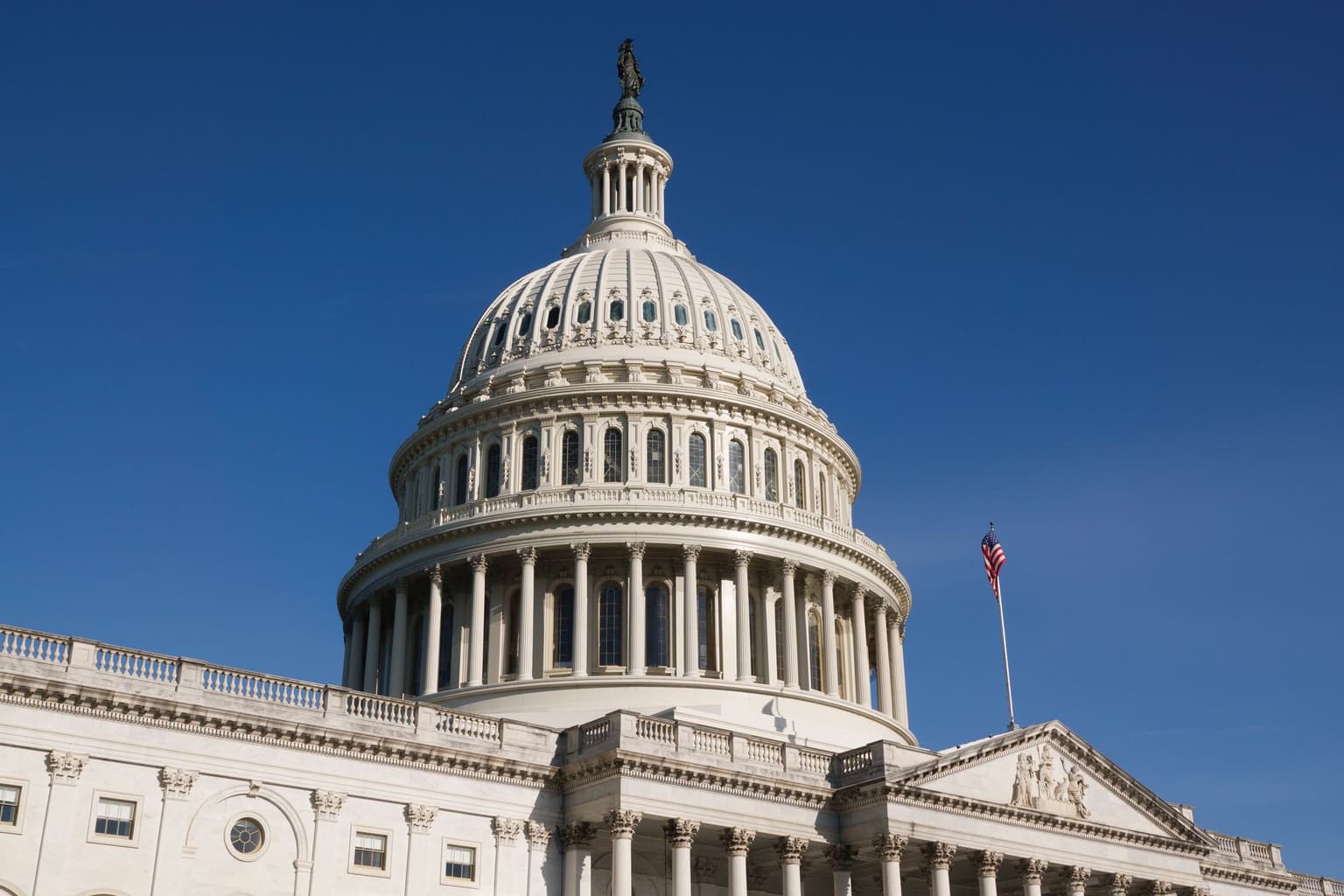
The U.S. House of Representatives on Sept. 15 voted to advance a bill imposing sweeping sanctions on Russian energy buyers, readying the measure for a final vote the following day.
The bipartisan legislation, spearheaded by the late Republican Senator Lindsey Graham, would give the president authority to impose tariffs of up to 100% on the five largest buyers of Russian oil and natural gas, as well as five countries helping Moscow evade energy sanctions.
While the bill passed with overwhelming support in the Senate in August, it faces more resistance in the House, where Democrats are wary of the sweeping authority over tariffs it grants to U.S. President Donald Trump.
The sanctions bill passed its final procedural vote on Sept. 15 by a narrow 214-211 margin. Additional debate and the final vote to approve the legislation will take place on Sept. 16.
Two Democrats, Jared Golden and Marie Gluesenkamp Perez, crossed the aisle to vote in favor of the bill, despite pressure from party leadership.
Days earlier, Democratic Reps. Don Beyer, Gregory Meeks, and Richard Neal condemned the bill in a joint statement on Sept. 11, saying it would "do more harm than good" by expanding Trump's tariff powers.
"House Democrats are rock solid in our support for Ukraine, but the Lindsey O. Graham Sanctioning Russia And Iran Act would do more harm than good. This bill would dramatically expand presidential tariff authorities while failing to mandate sanctions on Russia, both of which are unacceptable," the statement read.
Former U.S Ambassador to Russia Michael McFaul also expressed concerns about the authority the bill would grant Trump — but said ultimately it was better for Ukraine that the sanctions bill pass.
"(T)he positive symbolism of it passing outweighs the negative symbolism of it failing," McFaul wrote on X on Sept. 15. "If it fails, (Russian President Vladimir) Putin will cheer & Ukrainians will be disappointed."
Ukraine's Presidential Sanctions Commissioner, Vladyslav Vlasiuk, traveled to Washington to advocate for the sanctions bill with members of both parties. He told reporters on Sept. 3 that he remains "quite optimistic about the level of support for this legislation," even among Democrats.
The bill targets countries purchasing Russian energy products. China, India, and Turkey are among the largest buyers of Russian oil, while the European Union, China, and Turkey are major importers of Russian natural gas.
The list of targeted countries would be reviewed every 180 days. Countries importing less than 15% of Russia's total natural gas exports and actively reducing those imports would be exempt.
The legislation would also impose sanctions on Putin and other senior officials; major Russian financial institutions, including the Central Bank, Sberbank, and Gazprombank; and Russian state-owned companies.
It would further target foreign entities supporting Russia's defense-industrial base, major Russian energy projects, and Moscow's so-called shadow fleet, which helps Russia continue exporting oil despite Western sanctions.