Russia sanctions bill faces make-or-break moment before US midterms, Ukraine says
 on Google
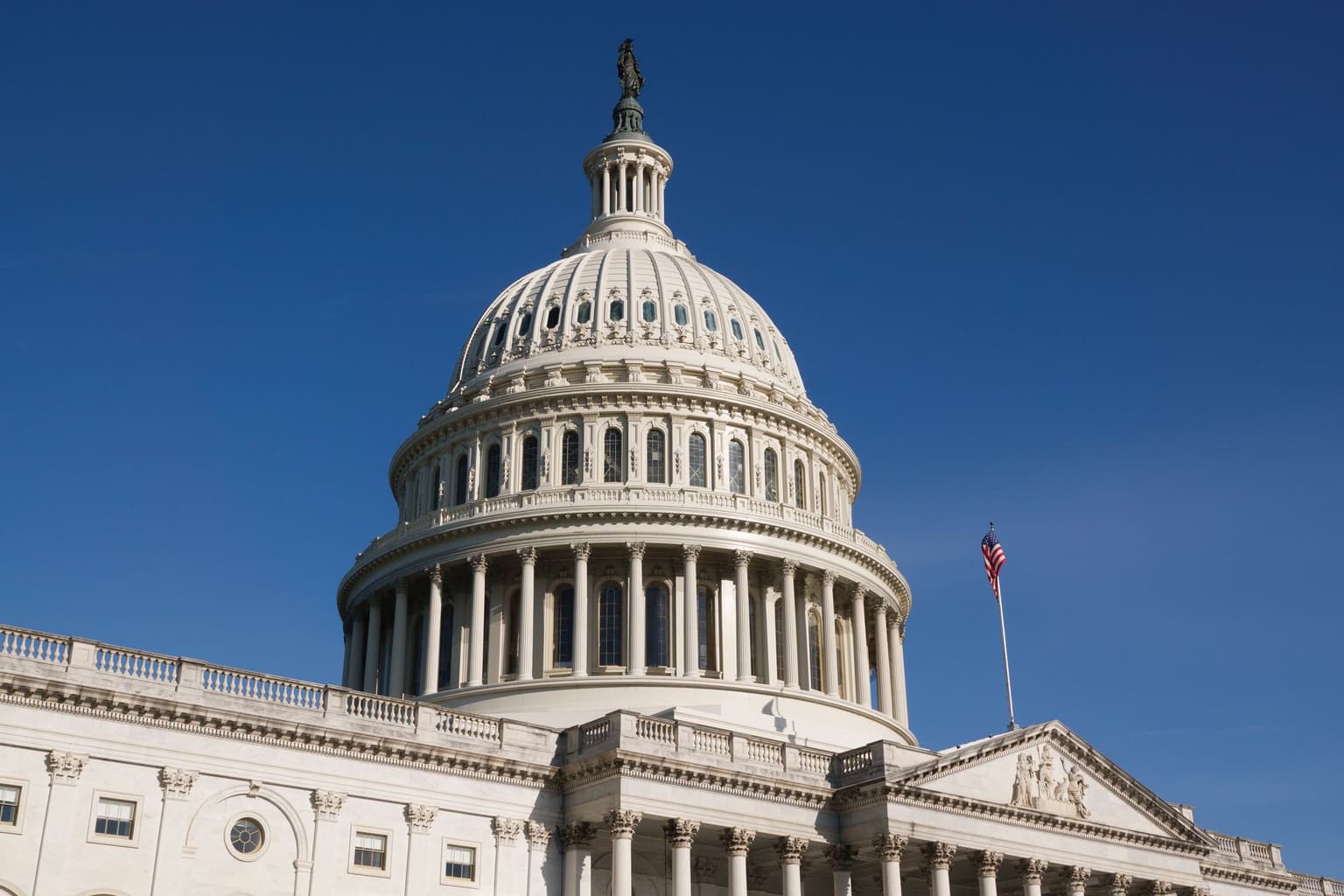
It remains unclear whether the U.S. House of Representatives will vote next week on sweeping legislation that would impose tariffs of up to 100% on countries buying Russian oil and gas, Ukraine's sanctions commissioner Vladyslav Vlasiuk told reporters on Sept. 10.
The bill faces a narrow window for consideration before the Nov. 3 midterm elections. The House's final pre-election session begins Sept. 14 and will last only four days. If lawmakers do not take up the legislation next week, its consideration would effectively have to start over after the elections.
"That was the main message I conveyed to the members of Congress," Vlasiuk said after returning from Washington, where he advocated for the bill.
"Is there a possibility that this bill will be passed by the House next week? Yes, there is. Are the chances of that happening high? It's hard to say at this point."
House Speaker Mike Johnson has cast doubt on whether the legislation will reach the floor before the election, adding uncertainty to a bill that has been stalled since April 2025.
The legislation gained significant momentum in the Senate on Aug. 7, when lawmakers overwhelmingly backed it in an 86-11 vote. The bill, authored by the late Republican Senator Lindsey Graham, a longtime supporter of Ukraine, now faces a more difficult path in the House.
Pressure on Russia
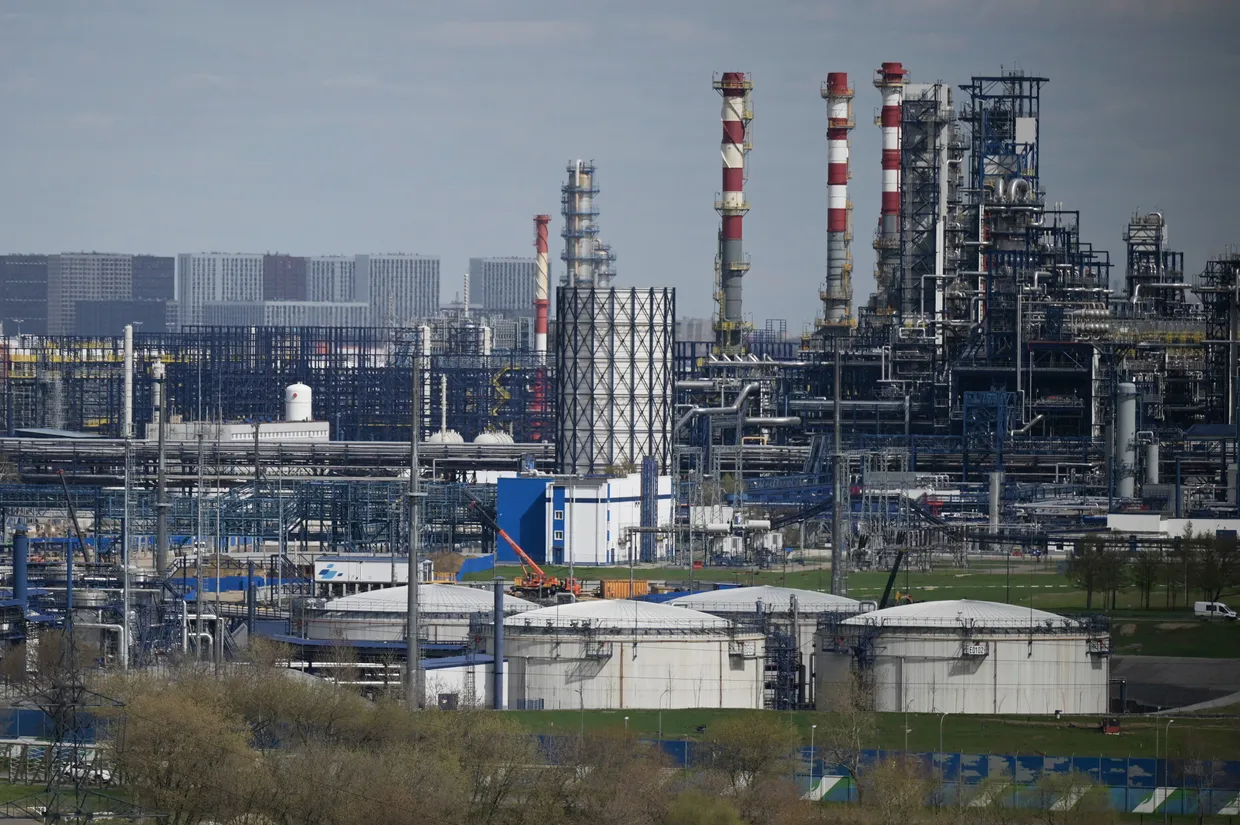
The bill would give U.S. President Donald Trump authority to impose tariffs of up to 100% on the five largest buyers of Russian oil and natural gas, as well as five countries helping Moscow evade energy sanctions.
China, India, and Turkey are among the largest buyers of Russian oil, while the European Union, China, and Turkey are major importers of Russian natural gas.
The list of targeted countries would be reviewed every 180 days.
Countries importing less than 15% of Russia's total natural gas exports and actively reducing those imports would be exempt.
The legislation would also impose sanctions on Russian President Vladimir Putin and other senior officials, major Russian financial institutions, including the Central Bank, Sberbank, and Gazprombank, and Russian state-owned companies.
It would further target foreign entities supporting Russia's defense-industrial base, major Russian energy projects, and Moscow's so-called shadow fleet, which helps Russia continue exporting oil despite Western sanctions.
The bill also includes measures targeting China's support for Russia's defense industry.
Supporters in Congress have presented the legislation as a way to increase pressure on Moscow and demonstrate continued U.S. support for Ukraine.
The Senate vote reflected broad support for tougher measures against Russia. It also came shortly after Graham's death in July, following his return from a visit to Ukraine.
Trump's position
Despite the Senate's overwhelming vote, the legislation faces several obstacles in the House, including concerns among Democrats about the powers it would grant Trump.
Some House Democrats fear the bill could provide the president with a new legal basis for imposing broad tariffs at a time when his existing tariff authority is facing legal challenges, according to a person familiar with the matter.
It also remains unclear whether Trump would use the authority against Russian energy buyers, particularly China, given trade tensions between Washington and Beijing.
Vlasiuk expressed similar doubts about whether the White House would ultimately implement the legislation if it were to become law.

"There is broad support within American society and the political establishment for increasing pressure on Russia and achieving peace," he said. "Does this mean the White House is immediately ready to take specific actions? I don't know."
"It does mean the relevant departments would be technically ready to propose appropriate solutions."
For Kyiv, however, the immediate focus is on getting the bill through the House before lawmakers leave Washington for the election campaign.
"We do not delve into the intricacies of U.S. domestic politics," Vlasiuk said. "We are the Ukrainian people, who need the support of the American people."
"The U.S. Congress could provide that support to the Ukrainian people."