Western intel contradicts Trump's, Putin's claims on Ukraine's encirclement in Kursk Oblast, Reuters reports
 on Google
U.S. and European intelligence data contradict claims made by U.S. President Donald Trump and Russian President Vladimir Putin regarding the alleged encirclement of Ukrainian troops in Russia's Kursk Oblast, Reuters reported on March 20, citing undisclosed sources.
Trump has repeatedly claimed that Ukrainian soldiers have been "surrounded" in Kursk Oblast, an embattled Russian border region where Moscow's forces recently launched a counterattack against a Ukrainian salient.
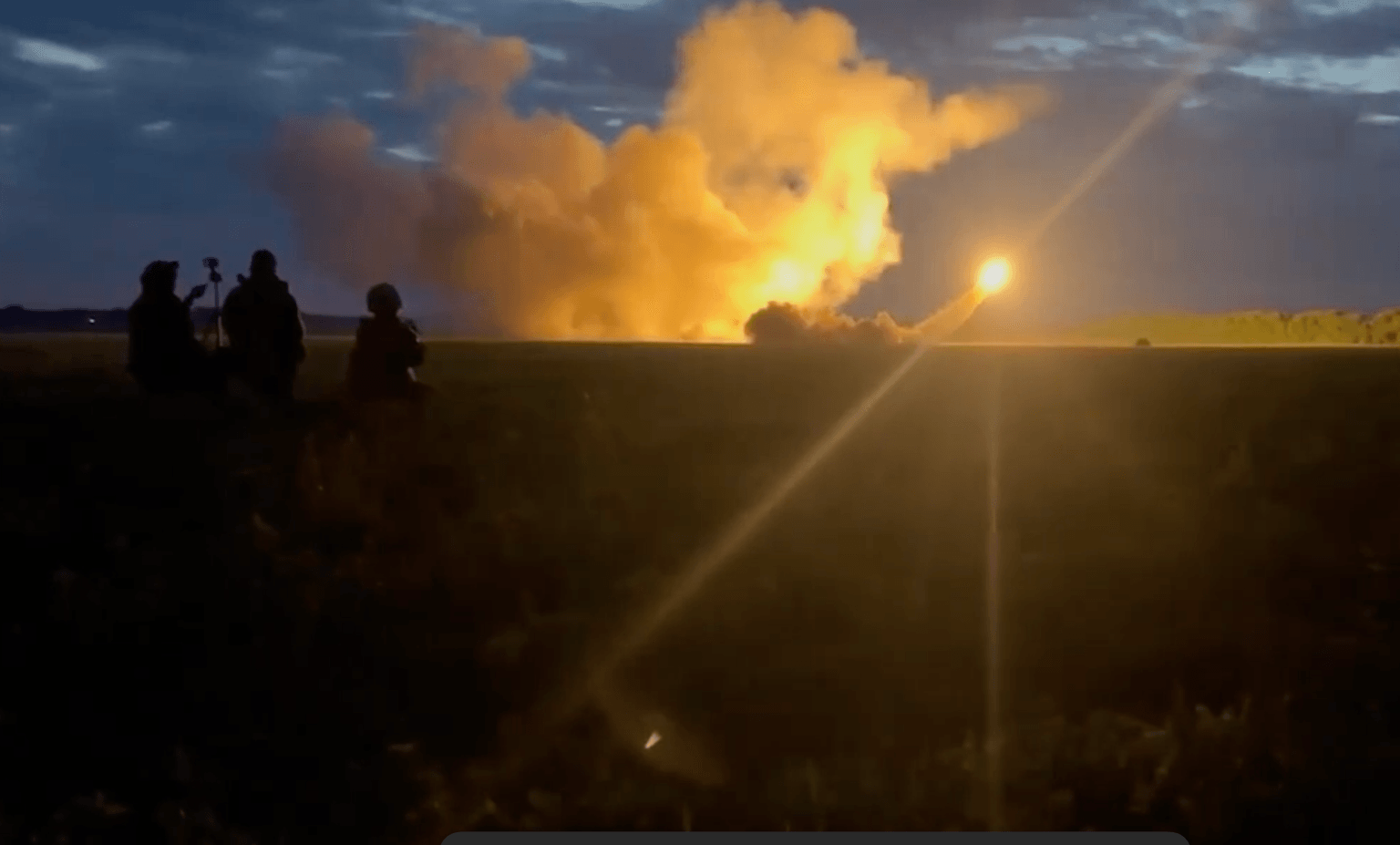
Ukraine has denied that its troops are surrounded, though it has acknowledged a retreat from the town of Sudzha amid rapid Russian advances.
According to sources who spoke with Reuters, U.S. intelligence agencies, including the CIA, briefed the White House that while Ukrainian troops are facing intense pressure from Russian forces, they are not encircled.
Despite these assessments, Trump has continued to claim otherwise.
Ukraine launched its cross-border incursion into Kursk Oblast in August 2024, initially seizing around 1,300 square kilometers (500 square miles) of Russian territory.
Russian forces, reinforced by North Korean troops, counterattacked earlier this month, regaining significant ground. The Russian advances coincided with the U.S. pausing intelligence and military support for Ukraine, which was later resumed on March 11.
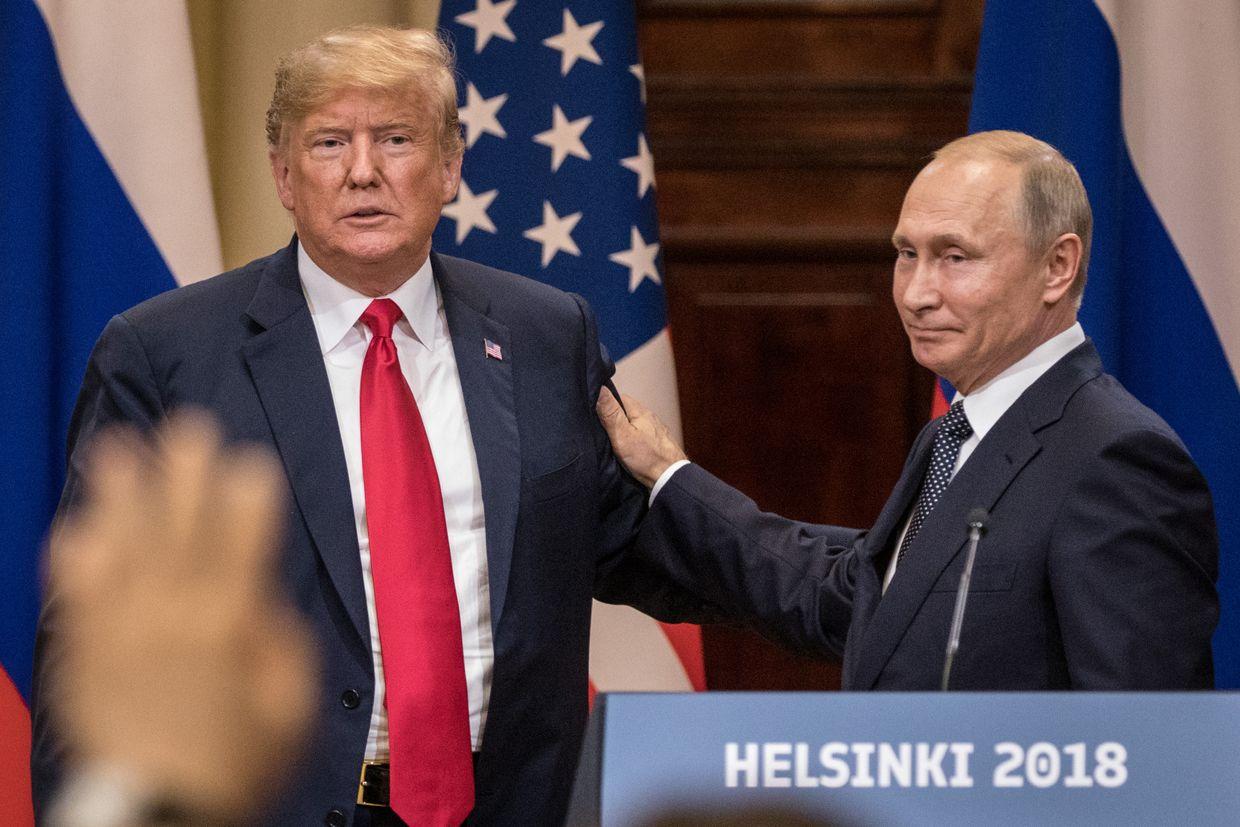
Trump made his comments about the alleged encirclement ahead of a planned call with Putin on March 18, in which the two leaders discussed a possible peace deal for Ukraine.
The call was intended to secure Russia’s agreement to the U.S.-proposed 30-day ceasefire, which Ukraine had already accepted on the condition that Moscow also complied.
On March 13, Putin initially signaled readiness to agree to a ceasefire but followed up with a list of demands, including a halt to foreign military aid and intelligence sharing with Ukraine.
During the call with Trump, Putin once again declined to commit to a full ceasefire but did agree to a limited 30-day halt on energy infrastructure strikes.
Former U.S. National Security Advisor John Bolton criticized Trump’s approach to the war in an interview with the Kyiv Independent, arguing that instead of considering geopolitical or moral factors, Trump is framing U.S. policy toward Russia through the lens of his personal relationship with Putin.