Ukraine war latest: German chancellor suggests Ukraine may cede territory to secure peace, EU path
 on Google
Key developments on April 27:
- German chancellor suggests Ukraine may cede territory for peace, EU path
- Ukraine busts crime ring that laundered $13 million in defense sector, authorities say
- Ukraine reportedly warns Israel of diplomatic crisis over ship with stolen grain bound for Haifa
- Ukraine, Norway to jointly produce mid-strike drones
- Ukraine to help Poland build 'modern drone armada,' Polish PM Tusk says
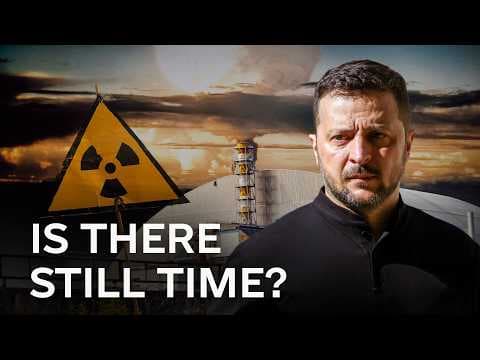
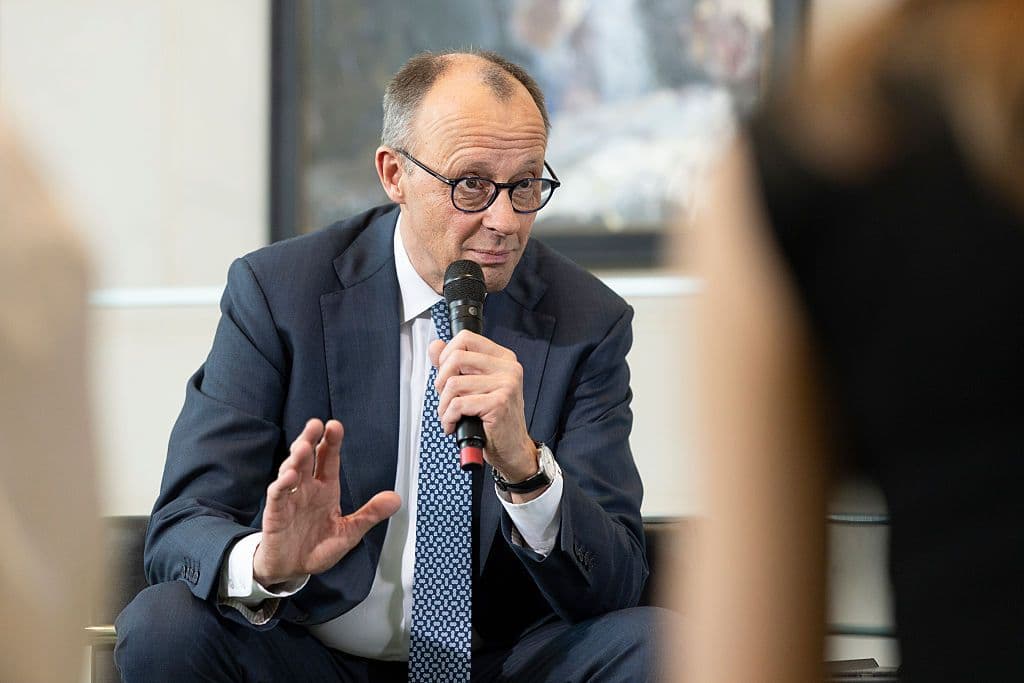
German Chancellor Friedrich Merz said on April 27 that Ukraine might lose territory to secure a peace deal with Russia, but hinted that doing so could help open the door to EU membership.
"Hopefully, there will eventually be a peace treaty with Russia. Then, possibly, part of Ukraine's territory will no longer be Ukrainian," Merz said during a discussion with students in the German town of Marsberg.
The chancellor said President Volodymyr Zelensky would need a referendum majority for such a step. To secure that majority, Merz added, Zelensky would have to tell the Ukrainian people: "But I have opened the way to Europe for you."
Russia currently occupies roughly 20% of Ukrainian territory and demands that Kyiv cede additional land in Donetsk Oblast to conclude a ceasefire deal.
Ukraine has rejected relinquishing territory still under Kyiv's control and urged a ceasefire along the front lines. Zelensky previously suggested that territorial concessions should be decided through a referendum.
Zelensky said later on April 27 that Kyiv's foreign partners should not forget that Ukraine does not fight only for itself.
"Russia wants our territory so that it can seize the territories of others as well," Zelensky said in a video address shared on his Telegram channel.
"If it succeeds with one state, with one neighbor, then it will do the same with others."
Commenting on Ukraine's EU accession efforts, Merz said that the bloc must offer Kyiv a clear and credible roadmap.
"Ukraine must have a European perspective. We must not lose Ukraine to Russia, but rather tell the people of Ukraine that they have a future in Europe," he said.
At the same time, he warned against overly high hopes for rapid accession and said Ukraine entering the bloc by January 2027 or 2028 is "unrealistic."
Ukraine has held candidate status since 2022, but Hungary has blocked the opening of all six negotiation clusters, despite the European Commission's praise for the pace of Kyiv's reforms.
The accession discussions gained momentum again after the electoral defeat of Hungarian Prime Minister Viktor Orban on April 12.
Ukraine has urged the European bloc to set a concrete entry date while refusing any forms of partial membership.
Ukraine busts crime ring that laundered $13 million in defense sector, authorities say
Seven people were charged in connection with a criminal scheme in the defense sector that helped launder at least Hr 576 million ($13.1 million), the Prosecutor General's Office said on April 27.
An unnamed private company that was awarded a Hr 2.5 billion ($57 million) contract by the state to repair and maintain military equipment siphoned off an equivalent of about $13 million through shell companies, according to the police.
"On paper, the money was used to purchase spare parts and other materials; in reality, it went directly into the pockets of the scheme's organizers," the police said. The state also lost about Hr 100 million ($2.3 million) in unpaid taxes.
Suspected masterminds behind the scheme set up a so-called "conversion center" that helped companies launder money and evade taxes through a network of over 40 shell companies.
The company mentioned in the investigation was identified as one of the center's "clients."
Law enforcement authorities carried out about 40 searches in Dnipropetrovsk Oblast, seizing evidence and Hr 2 million ($45,000) in cash. Five of the suspects were taken into custody and await trial, the police said.
The shell companies were reportedly headed by individuals living in Russian-occupied areas of Donetsk Oblast since 2014 and supporting Russia's aggression against Ukraine, as well as by a teacher who had been awarded the title "Teacher of Russia."
Among the listed founders of these companies were individuals identified as Polish citizens; however, Polish authorities informed Kyiv that no such persons exist.
Three alleged ringleaders of the criminal network, including the head of the "conversion center," were already charged in December 2025.
In response, the suspects reportedly attempted to pressure the investigator, even offering money to have the investigator's car set on fire.
Ukraine reportedly warns Israel of diplomatic crisis over ship with stolen grain bound for Haifa
Kyiv has warned of diplomatic repercussions if Israel allows a vessel carrying grain stolen from Russian-occupied Ukrainian territories to dock and unload its cargo, Axios reported on April 27, citing an undisclosed Ukrainian source.
Failure to turn the Panormitis bulk carrier away from the Haifa port will lead to a crisis in Ukraine-Israel relations, the source told Axios reporter Barak Ravid.
The Kyiv Independent's diplomatic source has confirmed the information.
Panama-flagged Panormitis reportedly entered the Haifa Bay on the morning of April 26 and is waiting to enter the port. Marine traffic monitoring services show the vessel idling near the Israeli coast.
The news comes after another vessel, the Russian bulk carrier Abinsk, docked in Haifa earlier in April with nearly 44,000 tons of stolen Ukrainian wheat, earning a rebuke from Kyiv.
An investigation by the Israeli newspaper Haaretz found that at least four shipments of stolen Ukrainian grain have already been unloaded in Israel this year.
Panormitis initially departed from the Port of Kavkaz in Russia's Krasnodar Krai, carrying over 6,200 tons of wheat and 19,000 tons of barley, journalist Kateryna Yaresko from the Myrotvorets Center's SeaKrime project reported on April 25.
The vessel was loaded with grain from occupied Ukrainian territories via transfers from other ships, Yaresko wrote.
Axios's source said that Ukraine reserves the "right to deploy a full suite of diplomatic and international legal responses" if Panoramitis is allowed to dock, noting that Israel "essentially shrugged off" Kyiv's demands regarding the previous vessel.
Russia has seized millions of tons of Ukrainian grain from occupied territories, exporting it to global markets by its shadow fleet vessels.
Ukraine's Foreign Minister Andrii Sybiha previously said that Russia's "illegal export of stolen Ukrainian agricultural products is part of Russia's broader war effort" and "must not be allowed."
Ukrainian-Israeli relations during Russia's full-scale war have been complex, despite the two countries sharing a common adversary in Iran.
Israel has refrained from providing direct military aid to Kyiv, seeking to preserve a balance in its ties with Russia despite Moscow's support for Tehran.
President Volodymyr Zelensky has notably omitted Israel from his Middle East tour earlier this spring, which was aimed at deepening security cooperation with key regional players amid Iranian aerial strikes.
read also
Ukraine, Norway to jointly produce mid-strike drones
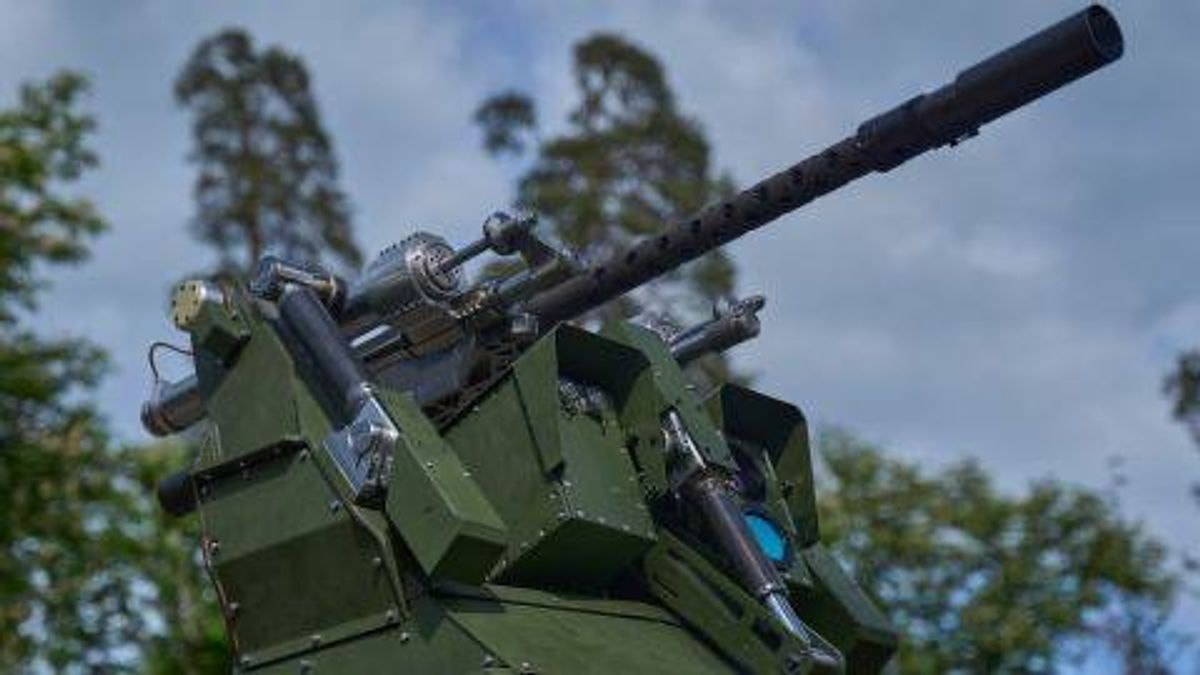
Ukraine and Norway will launch joint production of Ukrainian-designed mid-strike drones, with several thousand units planned for the Armed Forces of Ukraine, Ukraine's Defense Ministry said on April 27.
The project follows a defense declaration signed by Ukraine and Norway on April 14 in Oslo, where President Volodymyr Zelensky and Prime Minister Jonas Gahr Stoere agreed to deepen military cooperation, including joint drone production, as part of a broader strategic partnership.
"Projects like joint production and guaranteed supply of drones directly strengthen our forces on the battlefield," Defense Minister Mykhailo Fedorov said.
He added that the partnership allows Norway to produce technologies already proven in combat, while Ukraine receives critical equipment needed to regain the initiative on the front line.
The drones will be manufactured in Norway and be transferred to Ukraine's military.
The project will be financed by Norway using additional funds allocated on top of its previously pledged $7 billion in military support for Ukraine in 2026.
The agreement was signed in Kyiv by Norway's Ambassador to Ukraine Lars Ragnar Aalerud Hansen and Ukraine's Deputy Defense Minister for European Integration Serhii Boiev.
The first systems produced in Norway are expected to be delivered to Ukraine by summer 2026.
Norwegian Defense Minister Tore Onshuus Sandvik said the cooperation would strengthen both countries' security and industrial capacity.
"Supporting Ukraine's fight is the most important thing we do for Norway's security," Sandvik said, adding that the project would help expand Norway's production capabilities in a critical sector.
The agreement also includes broader industrial cooperation, including research and development.
Norway has been among Ukraine's most reliable supporters since Russia's full-scale invasion, alongside other Nordic and Baltic nations. Norway has committed roughly $28 billion in long-term support for Ukraine between 2023 and 2030, making it one of Kyiv's largest donors per capita.