UK, Canada impose additional sanctions on Russia over deportation of Ukrainian children
 on Google
The U.K. on May 11 sanctioned 85 individuals and entities over Russia's forced deportation of Ukrainian children and disinformation activities abroad.
The British government called the package one of its "toughest measures" to date, sanctioning people and organizations involved in the indoctrination and militarization of Ukrainian children.
On the same day, Canada imposed sanctions on "an additional 23 individuals and five entities involved in the violations against Ukrainian children."
"Canada calls on the Russian authorities to immediately return Ukrainian children to their communities and comply with its international legal obligations. The return of these children is both a humanitarian imperative and a central element to achieving a just and sustainable peace in Ukraine," the Canadian foreign ministry wrote in a statement.
Ukraine has successfully identified 20,570 children who have been taken by Russia since the start of the full-scale war, with about 6,000 subjected to indoctrination in military-style "re-education camps."
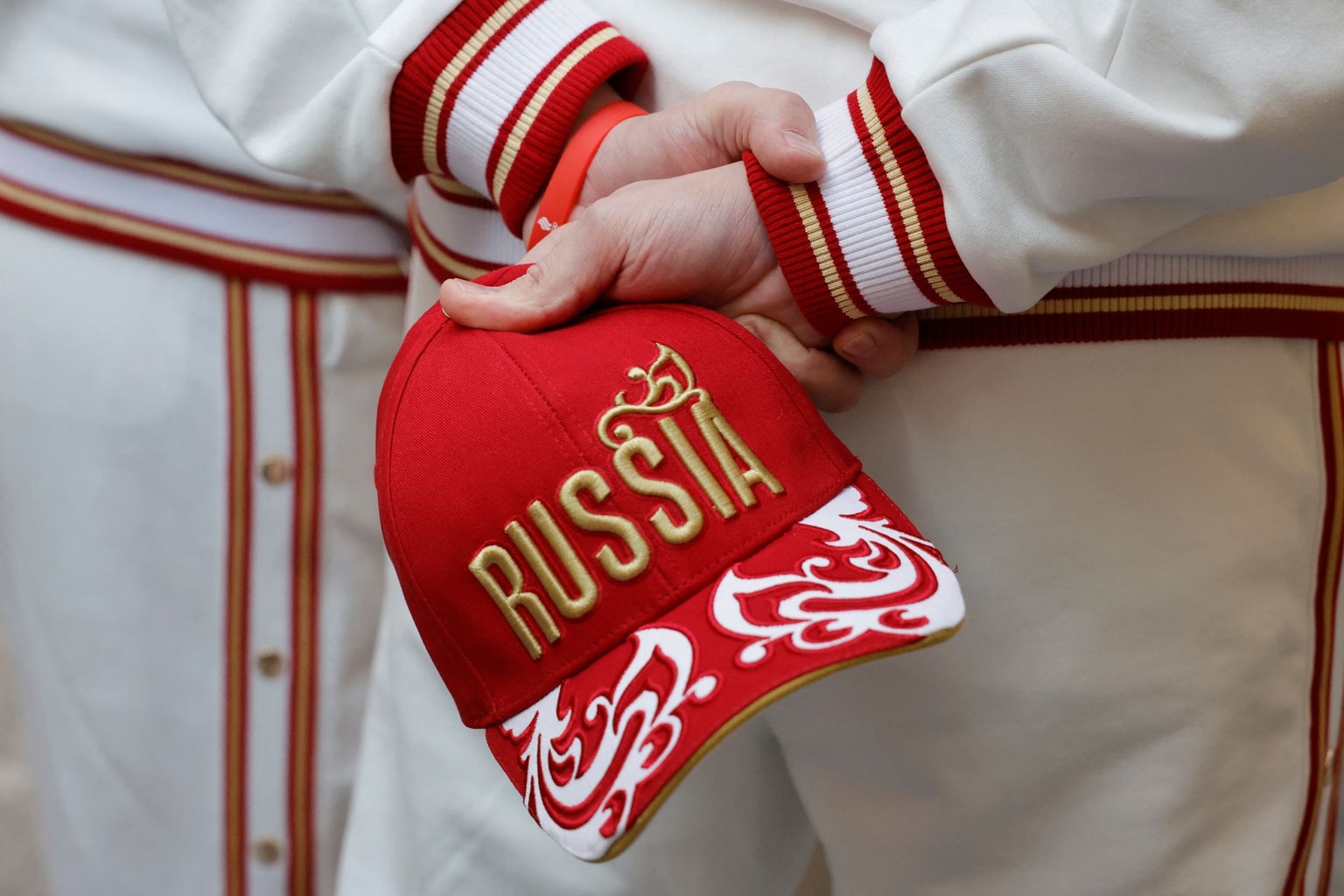
London's news sanctions listings include the Moscow-based Center for Military Sports Training and Patriotic Education of Youth, where "Ukrainian children are subjected to military training and pro‑Kremlin ideology," the British government said.
Apart from 29 new listings, London also announced plans to allocate 1.2 million pounds ($1.6 million) to help track abducted Ukrainian children.
The news comes as top British sanctions official, Stephen Doughty, travels to Brussels to attend a meeting of the International Coalition for the Return of Ukrainian Children, co-hosted by the EU, Ukraine, and Canada.
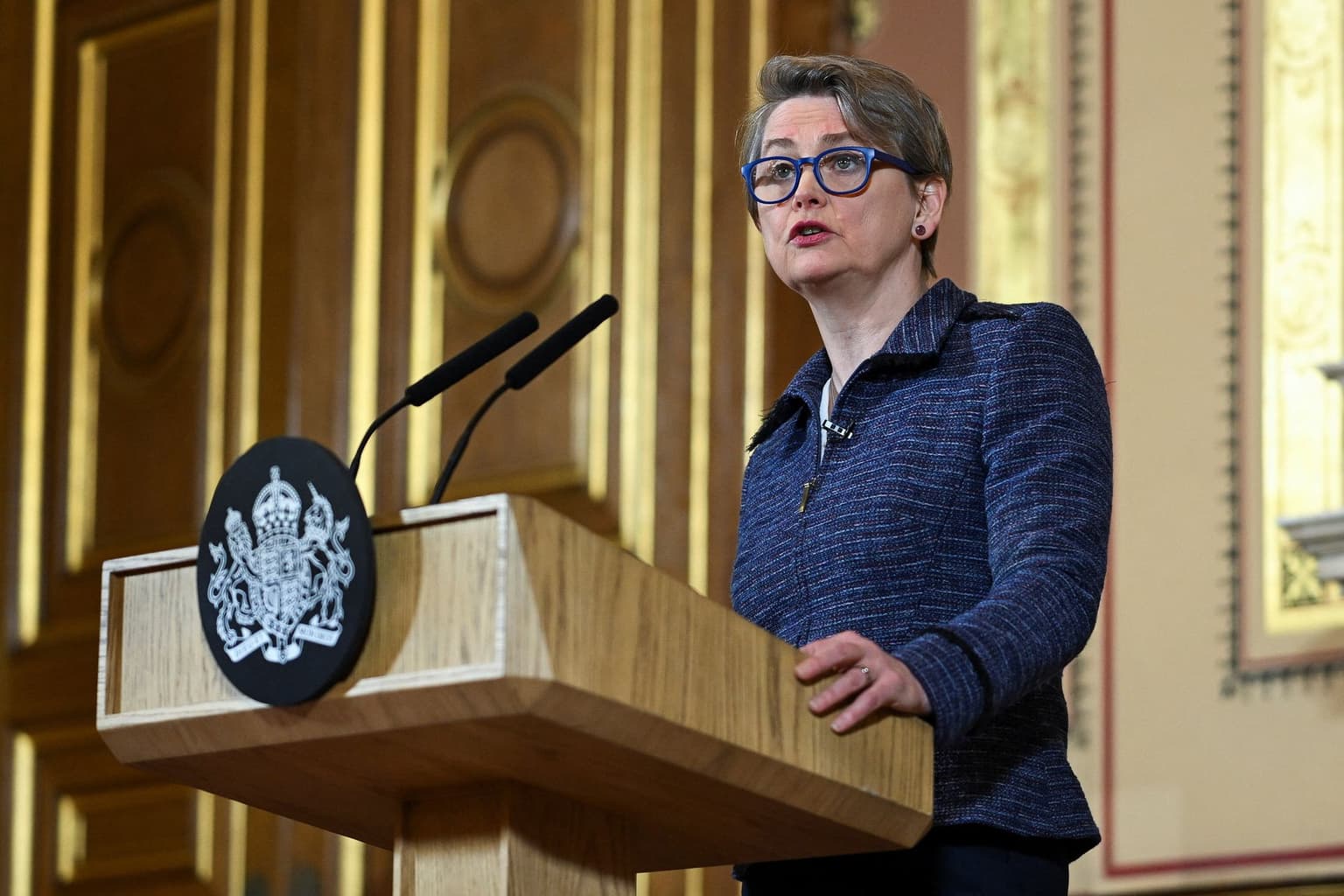
"Today's sanctions are a strong step in exposing and disrupting the depths Russia is willing to go, to interfere and undermine democracy, and destroy Ukraine's future through the abhorrent deportation and indoctrination of Ukrainian children," U.K. Foreign Secretary Yvette Cooper said in a statement.
The latest sanctions package also targeted what the U.K. described as Russia's efforts to interfere in Armenia's upcoming parliamentary elections.
This includes 49 newly-sanctioned individuals working for the Social Design Agency (SDA), a Russian IT company previously sanctioned for its involvement in Moscow-backed disinformation campaigns.
The SDA sought to "establish pro-Russia organizations in Armenia and influence a change in power towards pro-Russia figures," most likely at the orders of the Russian government, the U.K. said.
Under Prime Minister Nikol Pashinyan, Armenia has pursued European integration while moving away from Moscow's orbit.
Pashinyan's Civil Contract party will seek another term in the June 7 parliamentary elections, facing pro-Russian opposition.
The EU has already dispatched a civilian mission to the country to help tackle disinformation campaigns and hybrid activities ahead of the vote.