Baltics: News



More from War


News Feed
Wednesday, October 28
Fires burn in Russian city of Lipetsk after reported Ukrainian attack
A fire broke out in the area of the Novolipetsk Metallurgical Plant after air defenses were engaged, according to Ukrainian monitoring channel Exilenova Plus.

Tuesday, October 27
Trump reportedly considering lifting sanctions against Russia's investment fund
U.S. President Donald Trump is considering lifting sanctions against Russia's government investment fund, the New York Times reported Oct. 27, citing an unnamed U.S. official.

Export hurdles and visa waits for Ukrainian companies force Pentagon to slow its drone contest
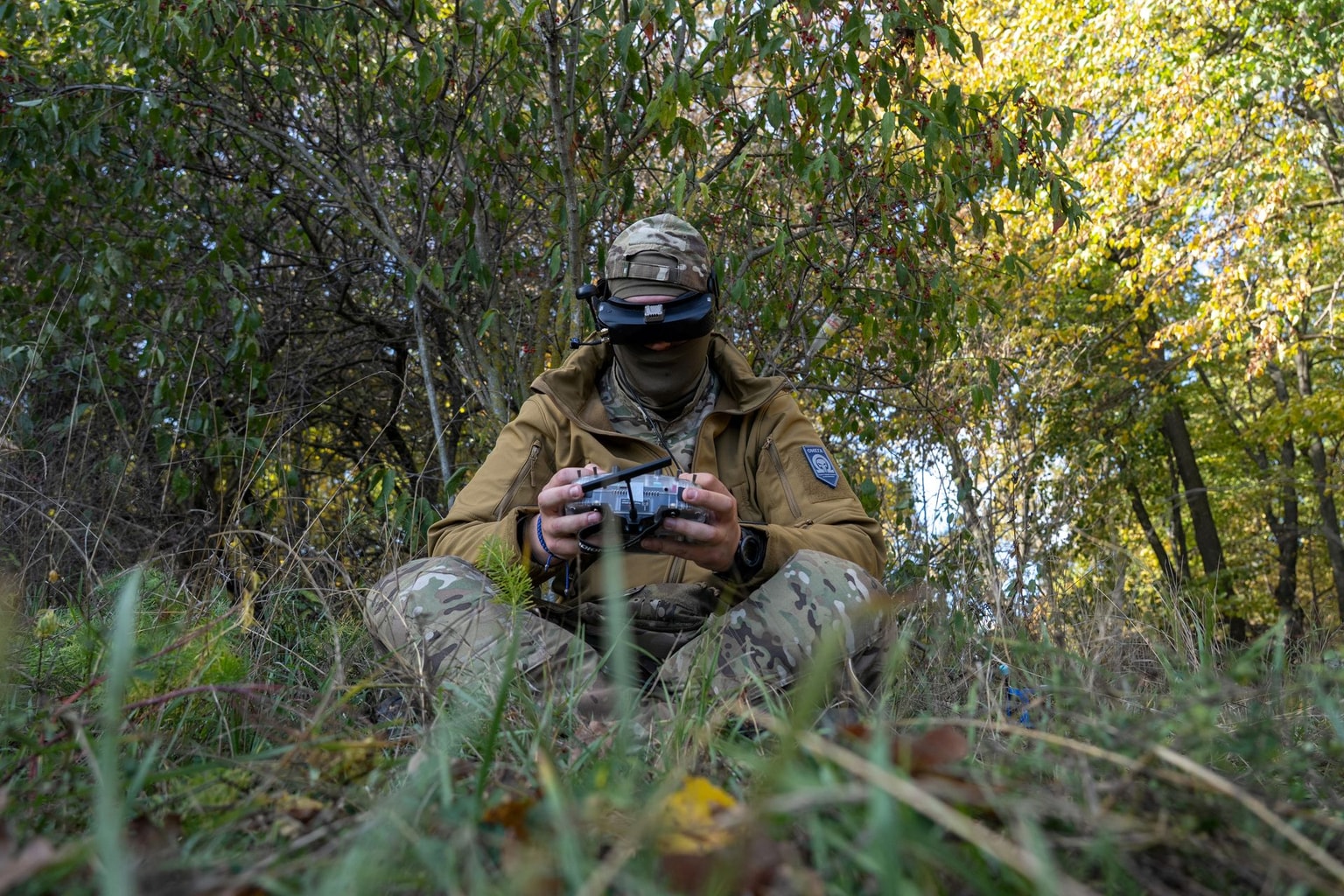
One morning in June, the head of export at Ukrainian drone company Stellarion found himself unexpectedly in need of a U-Haul outside the Detroit Metro Airport in Michigan. Stellarion was set to test its drones in front of American soldiers at a competition organized by the Pentagon at Camp Grayling, a military base three hours away. But while many of its 48 invited competitors were American companies that had had weeks to modify, prepare, and fit warheads onto their drones, Stellarion was facin
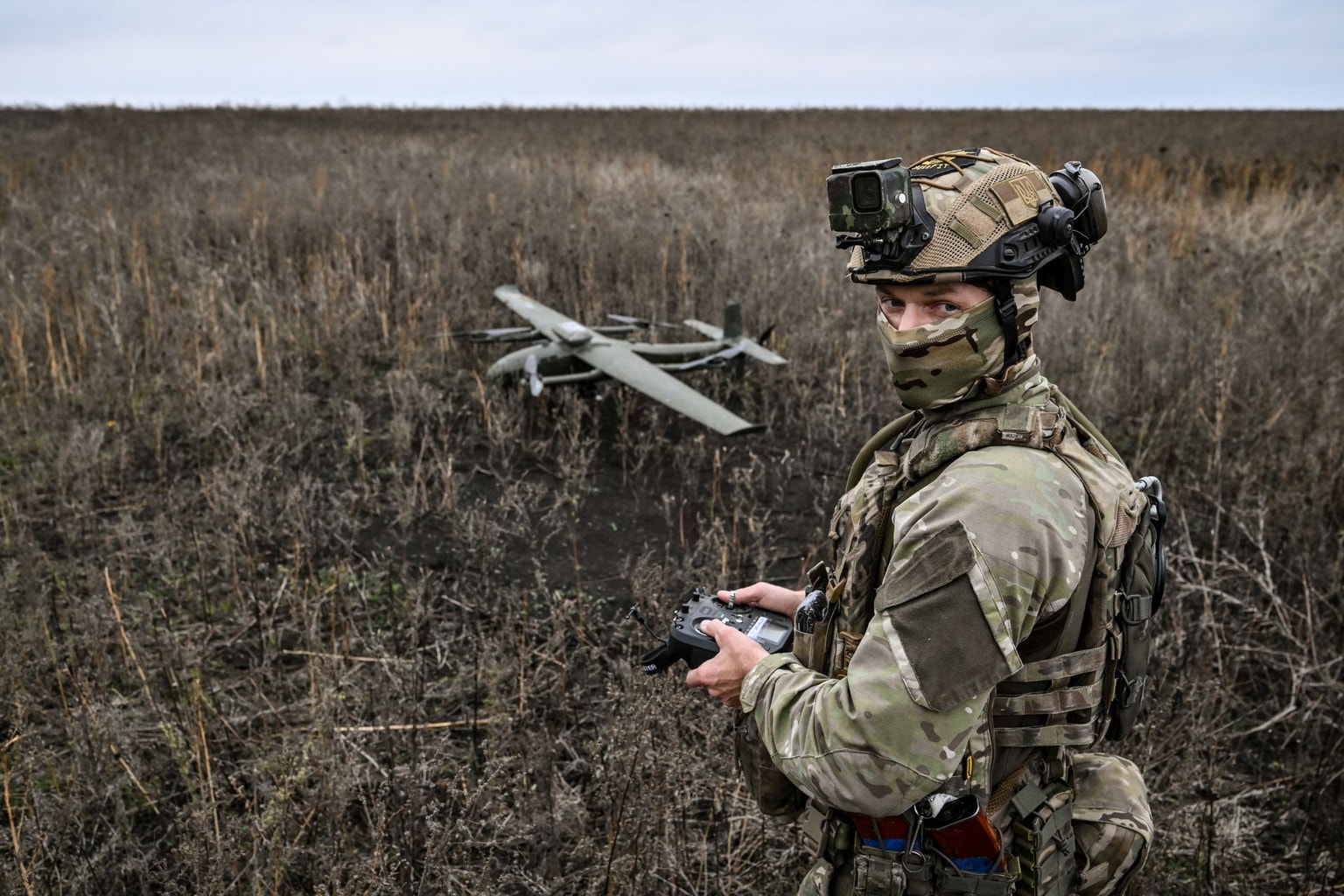
Ukraine war latest: Zelensky reveals details of 'Operation Veles'
The operation, code-named "Veles," involved an underground advance of more than 15 kilometers (9 miles), according to Zelensky.

Ukraine intercepting more Russian Geran-4 jet-powered drones, General Staff says
Fighter jets, including F-16s, Mirage aircraft, and MiG-29s, play a significant role in intercepting Russian jet-powered drones, according to the General Staff.
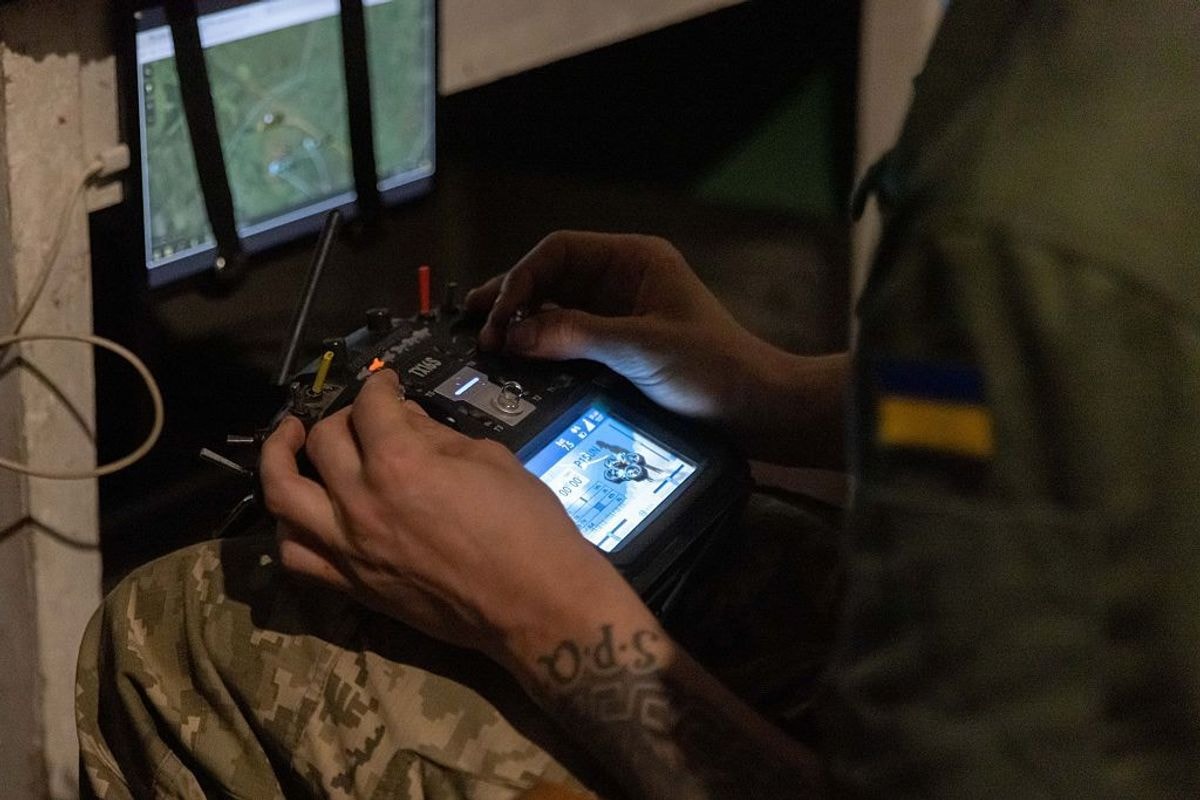
Ukraine's 'Veles' pipeline operation near Kupiansk 'eliminates' over 100 Russian troops, Zelensky says
The operation, code-named "Veles," involved an underground advance of more than 15 kilometers (9 miles), according to Zelensky.

About Baltics
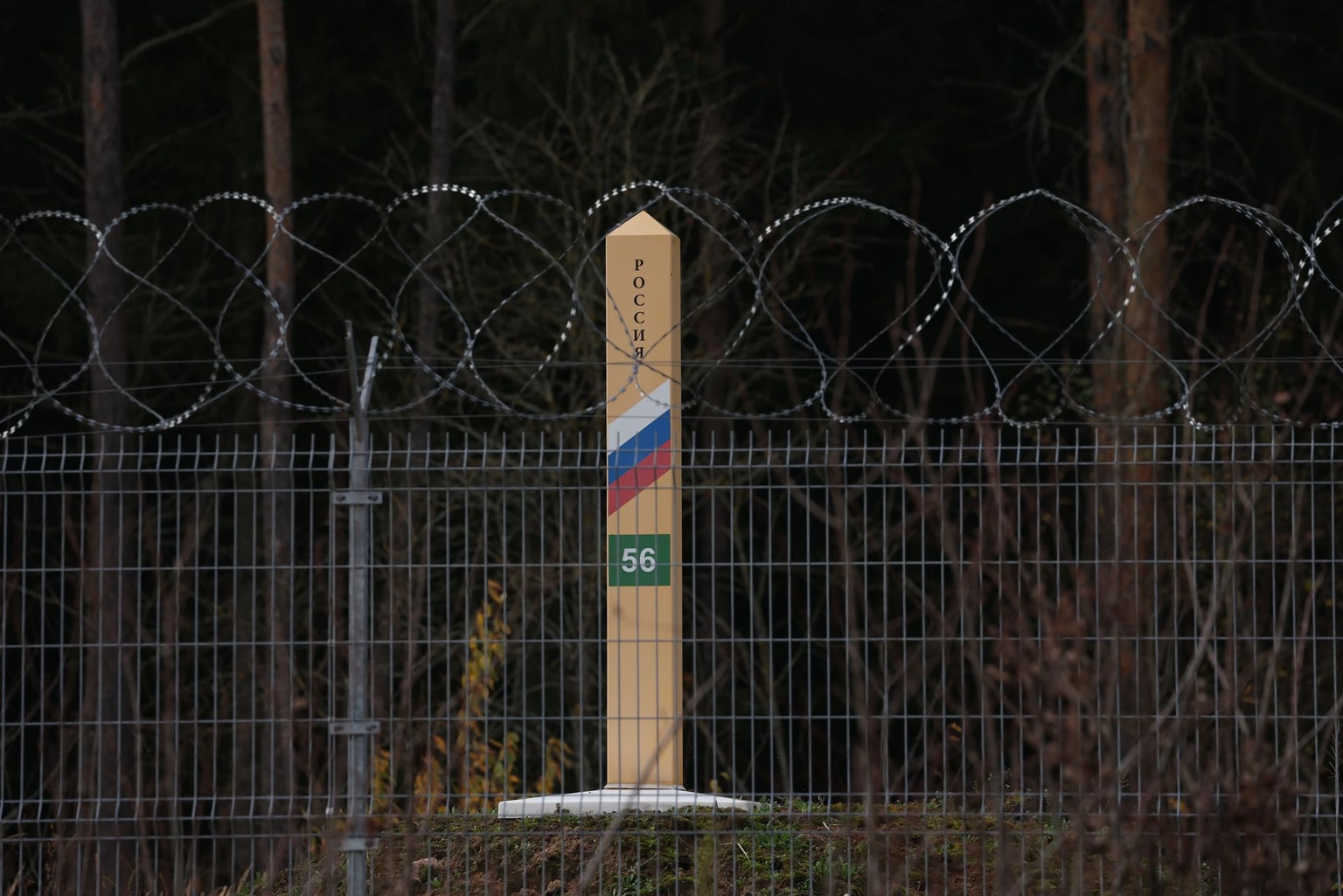
The Baltics comprise Estonia, Latvia, and Lithuania, three NATO member states on the Baltic Sea that together cover 175,000 square kilometers (67,568 square miles). The countries have a combined population of approximately 6 million. The Baltics strongly support Ukraine with military aid, refugee assistance, and international advocacy, and view Russian aggression as an existential threat due to their shared history of Soviet occupation.
Read more
Most Popular
1.
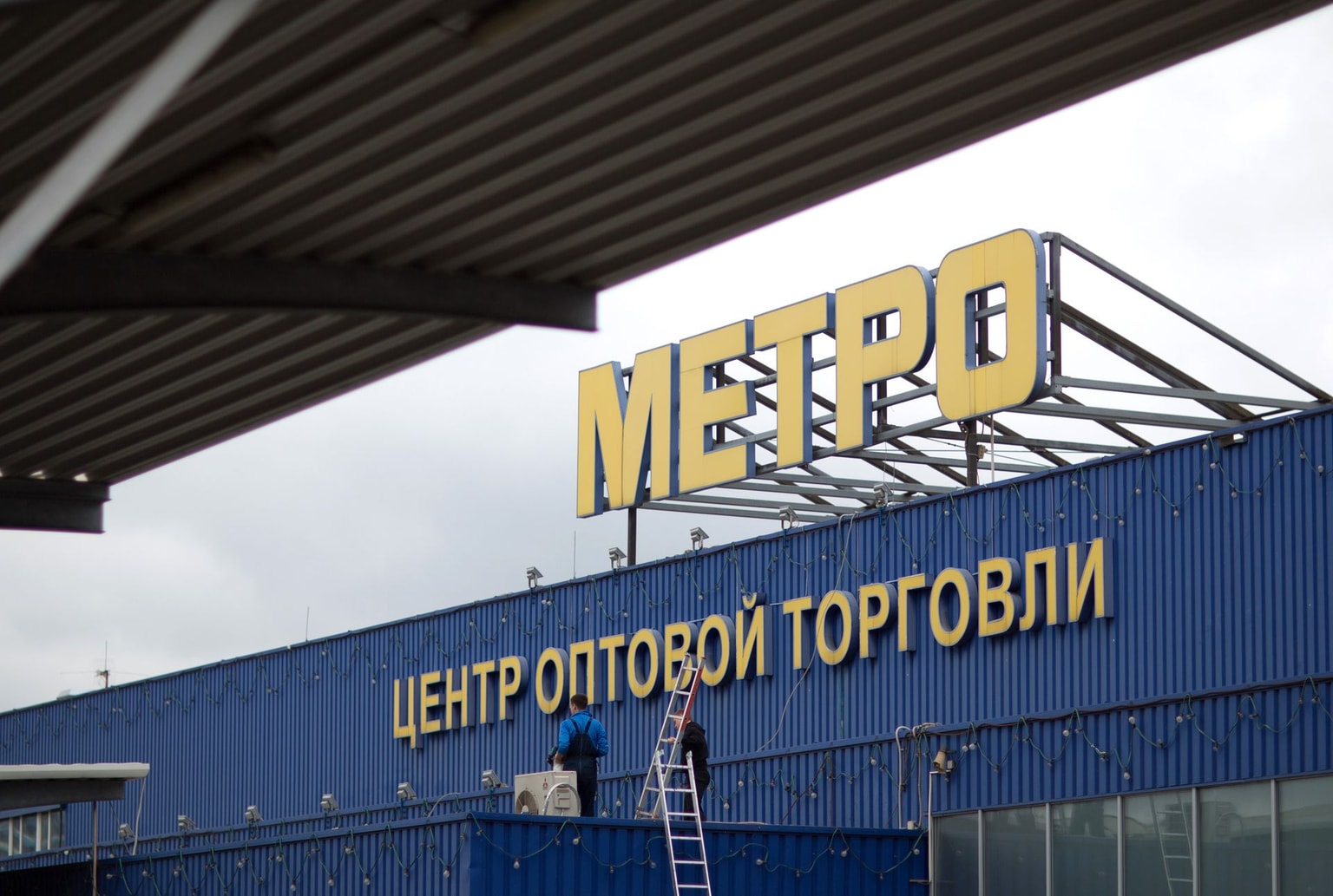
Metro AG responded, saying it did not approve the donations. On Sept. 28, Russian President Vladimir Putin signed a decree placing the Russian subsidiary of Metro AG under the Kremlin's control.