Estonia's Defense Minister resigns after wasting 70 million euros on faulty ammunition for Ukraine
 on Google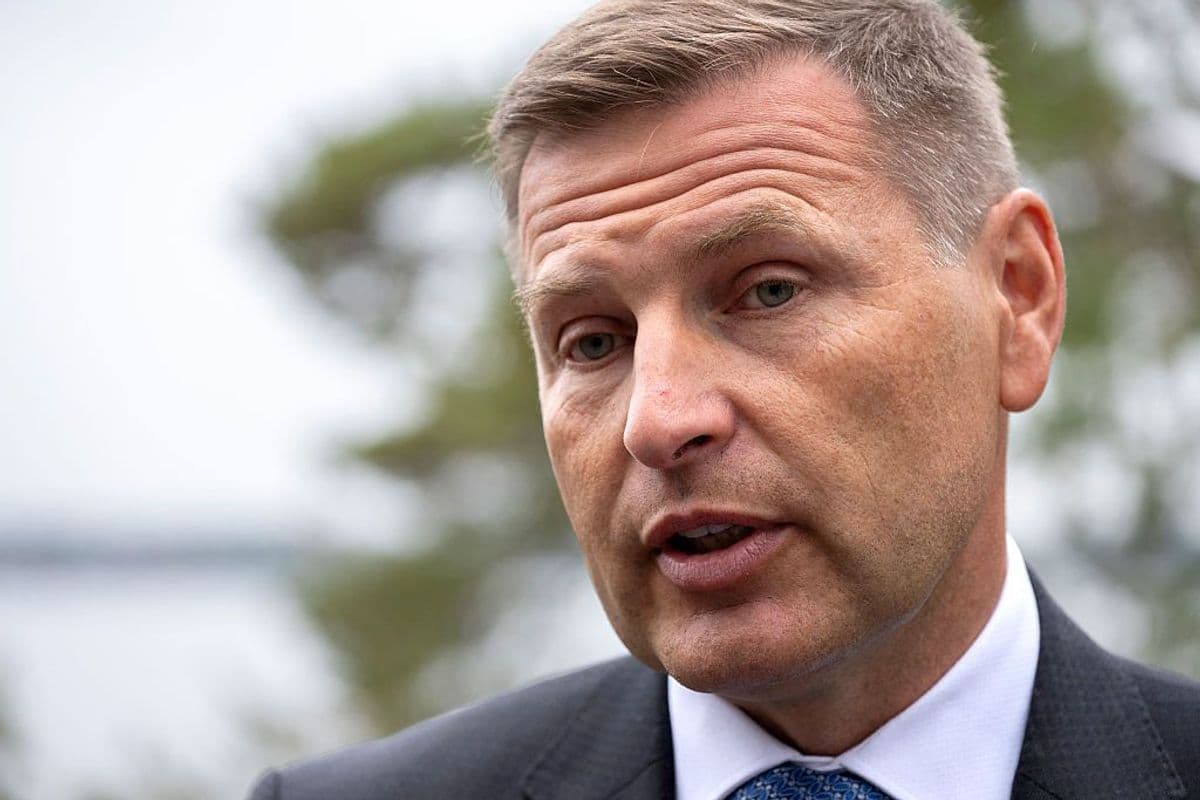
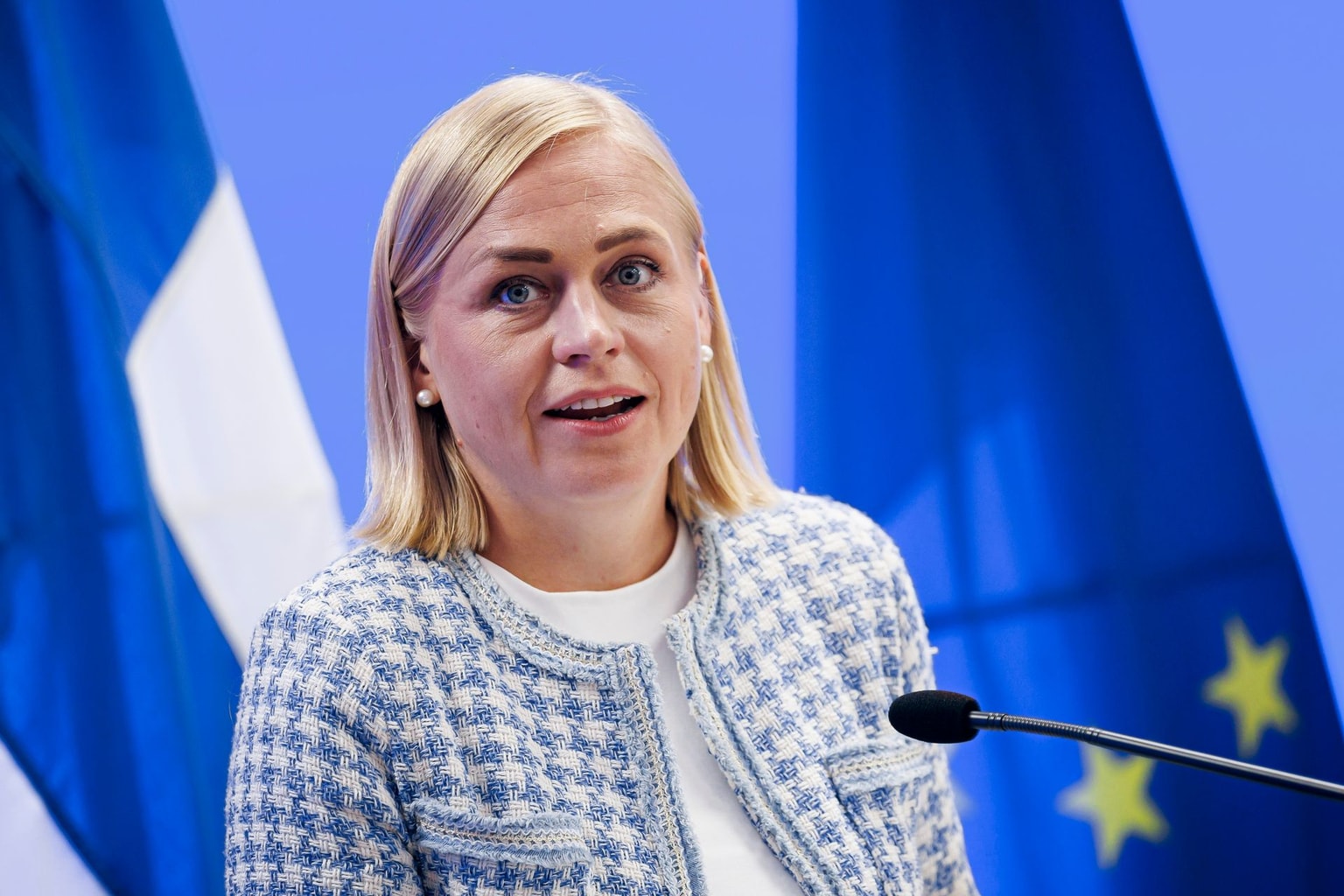
Estonian Defense Minister Hanno Pevkur announced his resignation on Sept. 2 following revelations that the country had given a company 70 million euros (about $81.1 million) for artillery for Ukraine, despite the company having never previously sold a single shell.
Pevkur said he was not personally aware of the problems surrounding the ammunition deal but was prepared to take responsibility for the outcome.
"A leader must have strength and courage to take responsibility ... even though the minister does not count socks and cartridges and does not hold contract negotiations, the comments of the National Audit Office ... raise the question of political responsibility," Pevkur said in a Facebook post announcing his resignation.
"That is why I must take political responsibility for the entire defense field today and pass on the Minister of Defense's baton to the Prime Minister."
Estonia's National Audit Office on Aug. 28 released a report on the nation's defense spending, criticizing the defense ministry's military procurement in recent years. The report led to calls for Pevkur's resignation as the 70-million-euro mistake came to light, according to ERR News.
In 2024, Estonia entered into a deal to purchase artillery shells from the Italian-registered company Datasel S.R.L., owned by the Indian company Neco Defense Munitions, according to Eesti Ekspress. The deal would supply Ukraine with ammunition against Russian forces using money from the EU's European Peace Facility.
The deal came as Ukrainian troops faced a severe shortage of artillery shells, exacerbated by delays in U.S. aid packages and the EU's failure to reach its target of delivering one million shells by March 2024.
Estonia's Center for Defense Investments (RKIK) sent millions of euros to Datasel in advance for the ammunition, but the company repeatedly reported delays, and shipments didn't arrive for months. When a shipment eventually arrived in 2025, Eesti Ekspress reported that the shells were faulty and "useless."
Current RKIK Director General Elmar Vaher, who did not oversee the original contract, told Eesti Ekspress that the deal should never have been signed.
"In my opinion, we should not have signed a contract with them," Vaher said. "If I start building a house and hire a company that has never built houses before, there is a doubt that the house will not be finished," he said.
Estonia's defense spending has risen sharply since Russia's full-scale invasion of Ukraine in 2022. The nation's defense spending increased from 2% of its GDP in 2022 to 3.4% in 2025, according to the Organization for Economic Co-operation and Development (OECD).
In 2026, Estonia announced that its defense expenditure would increase to 5.4% of its GDP and that its defense budget would grow by 42%. Tallinn also pledged over $117 million in military aid to Ukraine for 2026.
Estonia's National Audit Office has repeatedly raised alarms over the risk of misuse of state funds during this time. The August report is the latest in a string of unfavorable audits of the defense ministry's spending.
"There is a risk that costs of around 70 million euros will have to be paid for from the Estonian state budget at the expense of other planned expenditures," the National Audit Office said.
Estonian Prime Minister Kristen Michal called for a cabinet meeting on Sept. 3 to discuss Pevkur’s resignation and the findings of the audit reports. The nation's Prosecutor's Office has also opened a criminal investigation into issues covered in the reports from 2025 and 2026.
Pevkur said he was submitting his resignation "with the firm knowledge that we have made the right decisions to strengthen national defense."
"Estonia is better protected than ever before," he wrote. "I wish the defense sector strength and success, because the Estonian people must be assured of the assets and resources of the Defense Forces and continue to unwaveringly support Ukraine, because they help ensure our security as well."
The Baltic nations continue to scale up defense capabilities in light of new Russian threats. Estonia reported drone incursions into its airspace on Sept. 1 as Russia launched a large-scale aerial attack on Ukraine and Ukrainian drones targeted western Russia.