Ukraine war latest: Russian general eliminated in occupied part of Donetsk Oblast, military says
 on Google
Key developments on Sept. 16:
- 'In his nighttime lair' — Russian general eliminated in occupied Donetsk Oblast, military says
- Partisans claim sabotage at Russian plant producing missile components
- 40% of Ukrainians ready to relocate if conditions deteriorate 'significantly' this winter, poll reveals
- Russia plans new prison complex in occupied Kherson Oblast among wider prison expansion
- Ukraine approves more than 80 companies for private air defense
- Ukraine hits Russian bomber in occupied Crimea, General Staff says
Russian Major General Anton Grunis, commander of Russia's 4th Separate Guards Motor Rifle Brigade, was killed in a Ukrainian drone strike in the occupied part of Donetsk Oblast, Robert "Madyar" Brovdi, commander of Ukraine's Unmanned Systems Forces, confirmed on Sept. 16.
"The general Grunis was eliminated on Sept. 12, 2026, in his nighttime lair in the temporarily occupied territory of Donetsk Oblast," "Madyar" said.
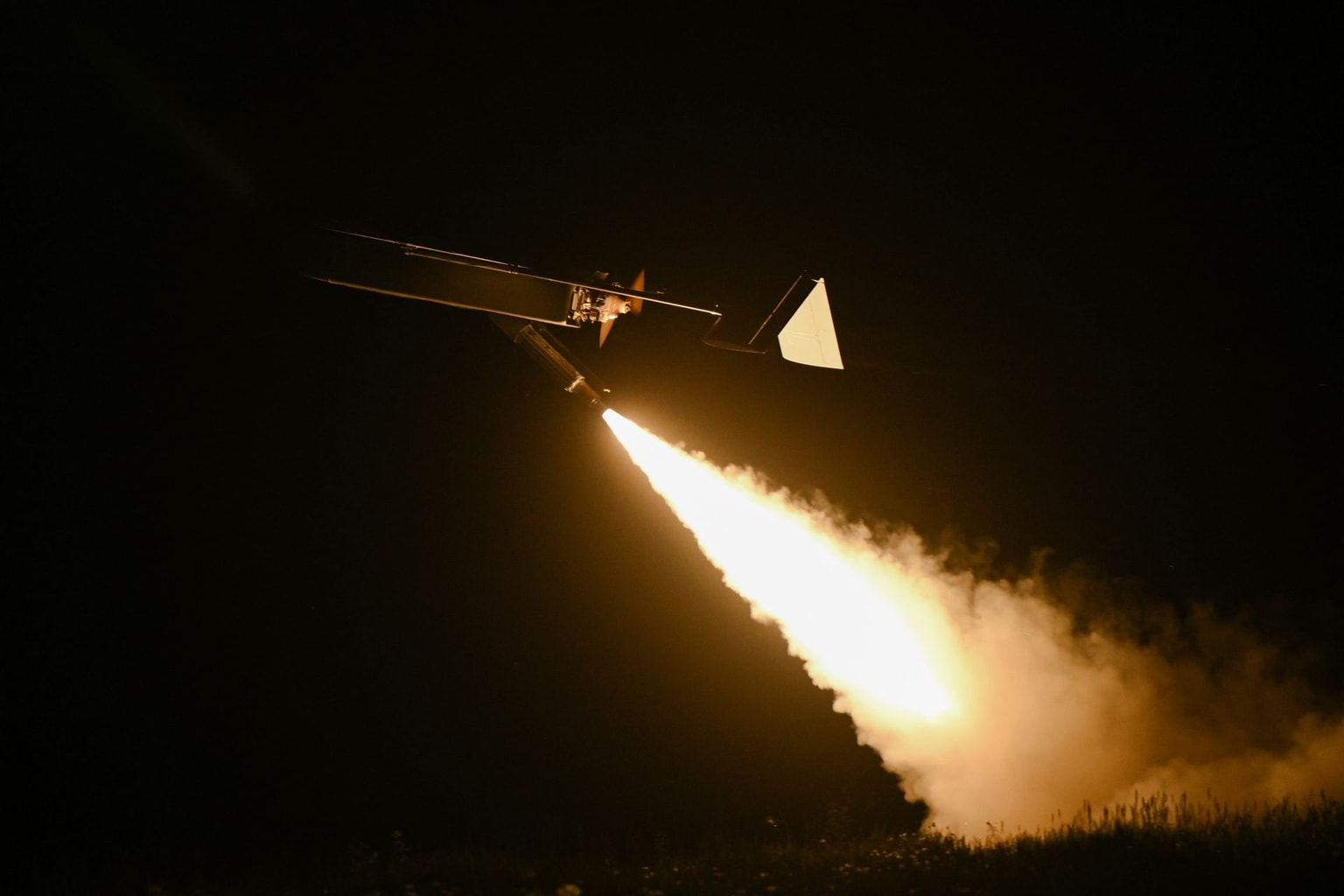
The 427th Separate Unmanned Systems Brigade "Rarog" carried out the strike with their drones, Brovdi said.
Apti Alaudinov, commander of Russia's Akhmat special forces and deputy head of the Russian Armed Forces' Main Military-Political Directorate, also confirmed Grunis's death, according to Russian independent outlet Astra.
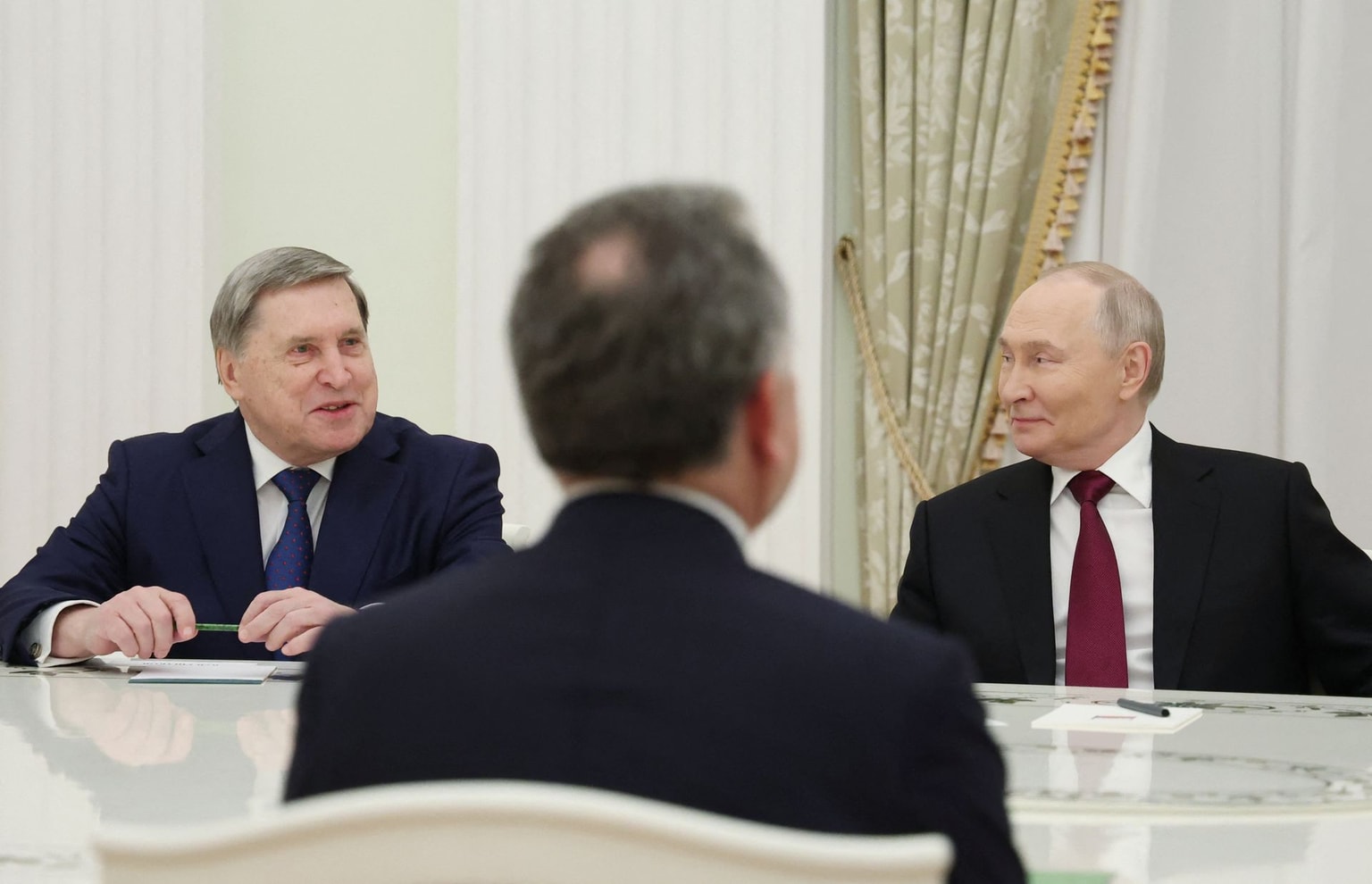
In July, Grunis personally briefed Russian President Vladimir Putin on Moscow's claimed capture of Kostiantynivka, one of Ukraine's fortress cities in Donetsk Oblast. Ukraine's General Staff and President Volodymyr Zelensky rejected the claim, saying Russian forces had not captured the city.
Brovdi said Grunis was the seventh Russian commander at brigade, division, or army level whose death had been confirmed following strikes by Ukraine's Unmanned Systems Forces.
Partisans claim sabotage at Russian plant producing missile components
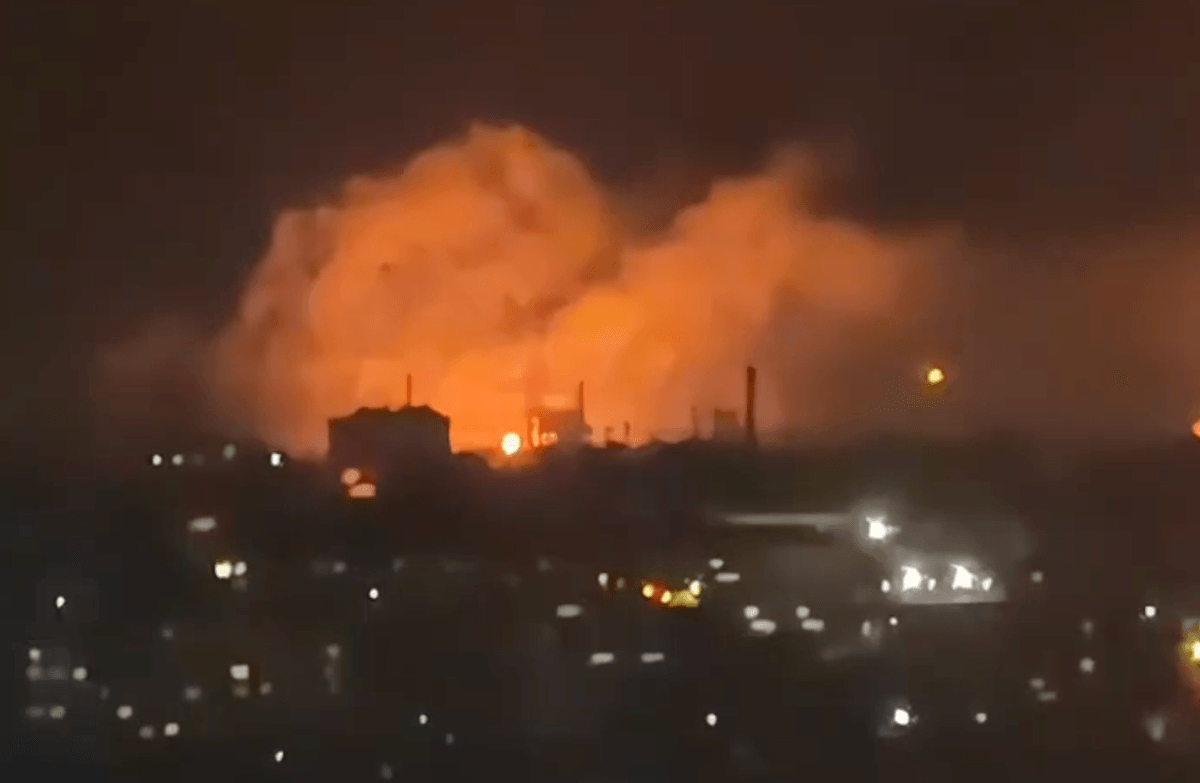
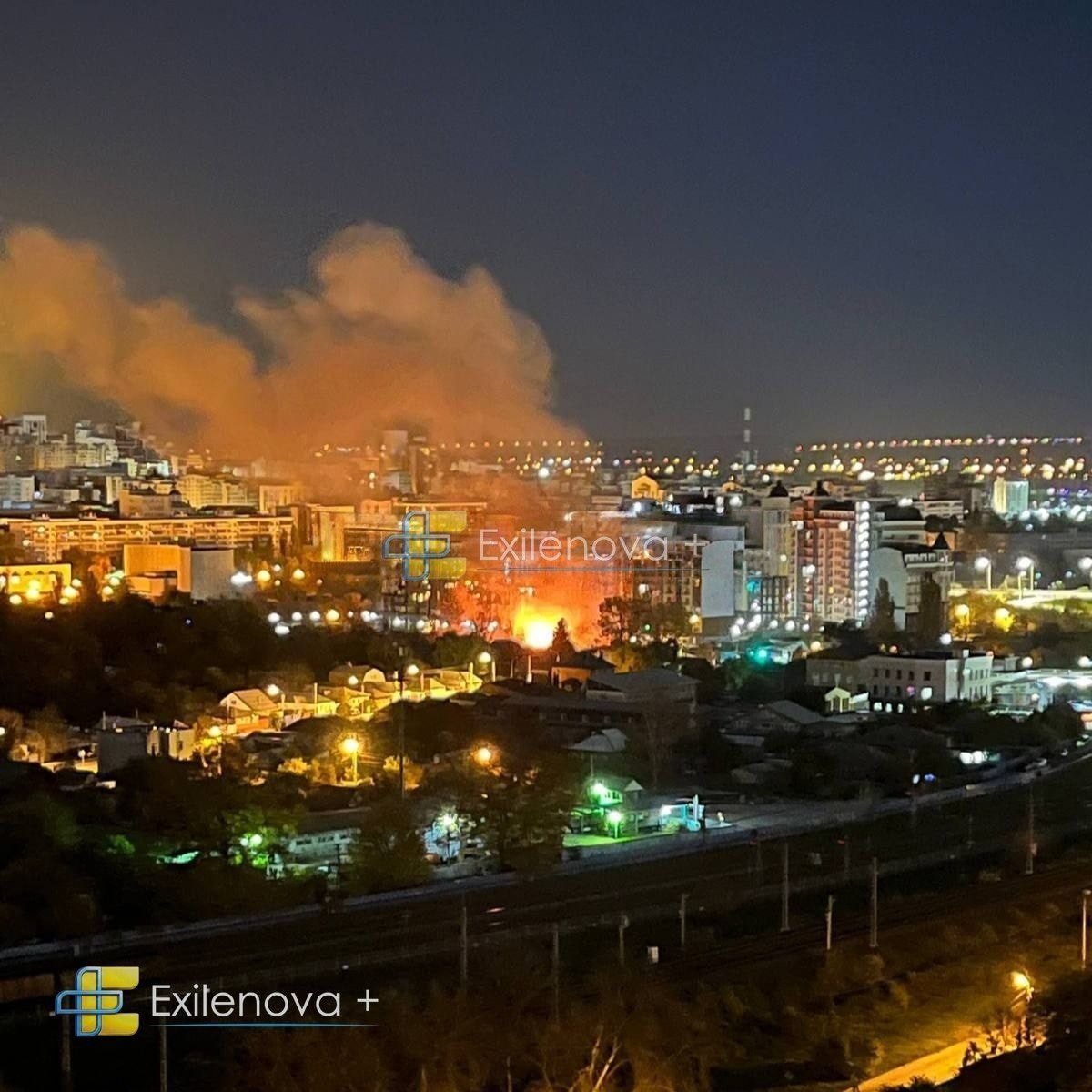
An agent of the Ukrainian partisan group Atesh sabotaged the power supply to an electronics plant in the Russian city of Voronezh, the group said on Sept. 16.
The facility produces components used in Kh-101 and Iskander-K missiles, as well as Pantsir-S1 air defense systems, according to Atesh.
"Our agent, after a long study of the facility, detailed planning, and searching for weak points, managed to infiltrate an electrical substation near the VZPP-Sborka plant," Atesh said. "After bypassing security, he destroyed the main distribution cabinet supplying the enterprise and safely left the city."
The sabotage caused a voltage surge and cut power to the plant's workshops, the group said. Atesh also claimed that restoring full electricity supplies took several weeks, disrupting deliveries of key electronic components and delaying the production of Russian missiles and air defense systems.
Atesh did not disclose when the operation took place, saying it delayed publication to protect its agents.
Voronezh, a city in southwestern Russia, lies roughly 250 kilometers (155 miles) from the Ukrainian border.
VZPP-Sborka is a Russian manufacturer of semiconductors, integrated circuits, and power modules whose components are used in several Russian weapons systems, according to Ukraine's military intelligence.

40% of Ukrainians ready to relocate if conditions deteriorate 'significantly' this winter, poll reveals
Some 40% of Ukrainians are prepared to relocate this winter if conditions in the country deteriorate significantly, according to a new poll released by the Gradus agency on Sept. 16.
The survey, conducted by Gradus on Sept. 4–7, polled 1,000 Ukrainians aged 18–60 living in cities with more than 50,000 residents, excluding the occupied territories and areas with active hostilities.
In the lead-up to winter, Ukrainians are preparing for Russia to once again target the country's energy infrastructure in an attempt to make the country unlivable.
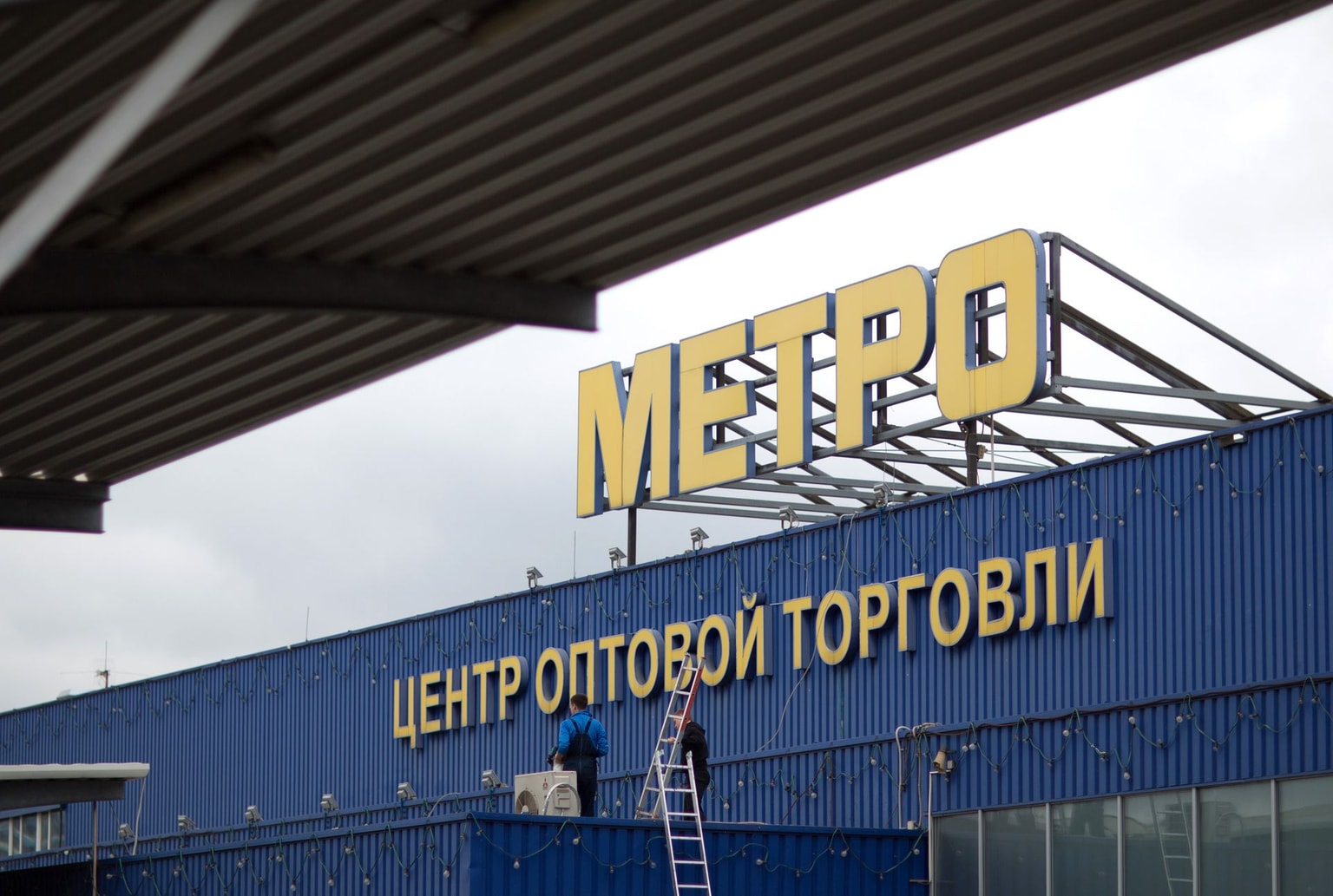
Russia has already escalated its attacks on Ukrainian businesses in recent weeks, targeting supermarket distribution centers, postal facilities, gas stations, warehouses, railway infrastructure, industrial plants, and Black Sea ports.
According to Gradus polling, safety is the main factor that would prompt Ukrainians to relocate. However, only one in five respondents said they would consider going abroad — the rest would look for temporary relocation within Ukraine.
"Most" respondents said the decision to relocate would not be prompted by a "single inconvenience" but by multiple factors, such as infrastructure disruptions, safety concerns, and lack of access to healthcare, education, and other essential public services.
"There is an important shift in how Ukrainians are approaching the coming winter: they are increasingly less likely to see resilience as the ability to endure any hardship indefinitely," sociologist Evheniia Blyzniuk, Gradus' CEO, said.
"People are not panicking about possible difficulties, but nor are they relying on the assumption that things will somehow work out. They are assessing risks and preparing backup options."
Russia plans new prison complex in occupied Kherson Oblast among wider prison expansion
Russian authorities plan to build a new prison complex in the occupied part of Kherson Oblast under a program to construct seven such facilities across Russia and occupied Ukraine by 2035, The Moscow Times reported on Sept. 16, citing a Russian government program.
The new facilities will combine pretrial detention centers with penal colonies of different security levels and will have a combined capacity of more than 20,000 people, according to The Moscow Times. The capacity includes 5,380 places for pretrial detainees and 15,120 for prisoners serving sentences.
Apart from the occupied part of Kherson Oblast, Russia plans to build the complexes in Kaluga, Astrakhan, and Tyumen oblasts, Buryatia, and Zabaykalsky Krai, while the first is expected to open in Tatarstan by 2030.
Each facility is expected to cost between 13 billion and 20 billion rubles (around $154 million and $237 million), The Moscow Times reported.
Russia's Justice Ministry estimated that concentrating detention centers and penal colonies in the same complexes could reduce the cost of holding prisoners and detainees by 25-30%, allowing the projects to pay for themselves within about a decade.
Ukraine approves more than 80 companies for private air defense
Eighty-one companies are now authorized to form private air defense units amid near-constant Russian attacks on Ukraine, particularly Kyiv and the surrounding area, the Defense Ministry said on Sept. 16.
As Russia shifts its bombardment tactics to near-hourly drone attacks throughout the day, increasingly targeting civilian infrastructure, more businesses are joining the program, bringing the number of units up by 30 since July.
The ministry said the program is designed to protect workers and facilities while reducing pressure on military air defenses, which now face increased strain beyond concentrated overnight barrages.
Established by the Cabinet of Ministers in November 2025, the private air defense program allows businesses to voluntarily form and finance air defense groups staffed by trained and certified civilian employees. Eligible companies include providers of essential services such as electricity, water, transport, and communications, alongside security firms protecting other businesses.
Companies apply to the Defense Ministry for authorization, then agree with the Air Force command on their units' operations. Under rules introduced in March, participating businesses can also temporarily receive military air defense equipment and ammunition unused by combat units, with Air Force approval.
Private air defense is just one component of Ukraine's multi-level system of airspace protection.
The first successful interceptions under the program were announced in March, when a company's unit downed Russian drones in Kharkiv Oblast. In April, the ministry reported a private group's first interception of a jet-powered Shahed-type drone.
By mid-July, private air defense had downed more than 50 Shahed and Zala drones, according to the ministry.
read also
Ukraine hits Russian bomber in occupied Crimea, General Staff says
Ukrainian forces have hit a Russian Su-24 fighter jet at Saky air base in occupied Crimea alongside other targets in strikes between Sept. 15 and Sept. 16, the General Staff said on Sept. 16.
The General Staff said the Russian Su-24 was hit, and the extent of the damage from the strike on Saky air base in occupied Crimea was still being assessed.
The Sukhoi Su-24 is a Soviet-developed twin-engine tactical bomber still in use by both Ukrainian and Russian forces.
Near the city of Donetsk, Ukrainian forces also struck a Russian drone launch and storage site, according to the General Staff.
Ukrainian forces further struck three ground control stations for Russian drones in Staromlynivka and Pokrovsk in Donetsk Oblast and in Pokrovske in Zaporizhzhia Oblast, the General Staff said.
Additionally, the General Staff reported hitting an ammunition depot in Luhansk Oblast, as well as fuel and lubricant storage bases in Luhansk and Zaporizhzhia oblasts.