Lavrov calls NATO's Arctic operations 'direct threat,' says Russia's opponents will face 'asymmetric' response
 on Google
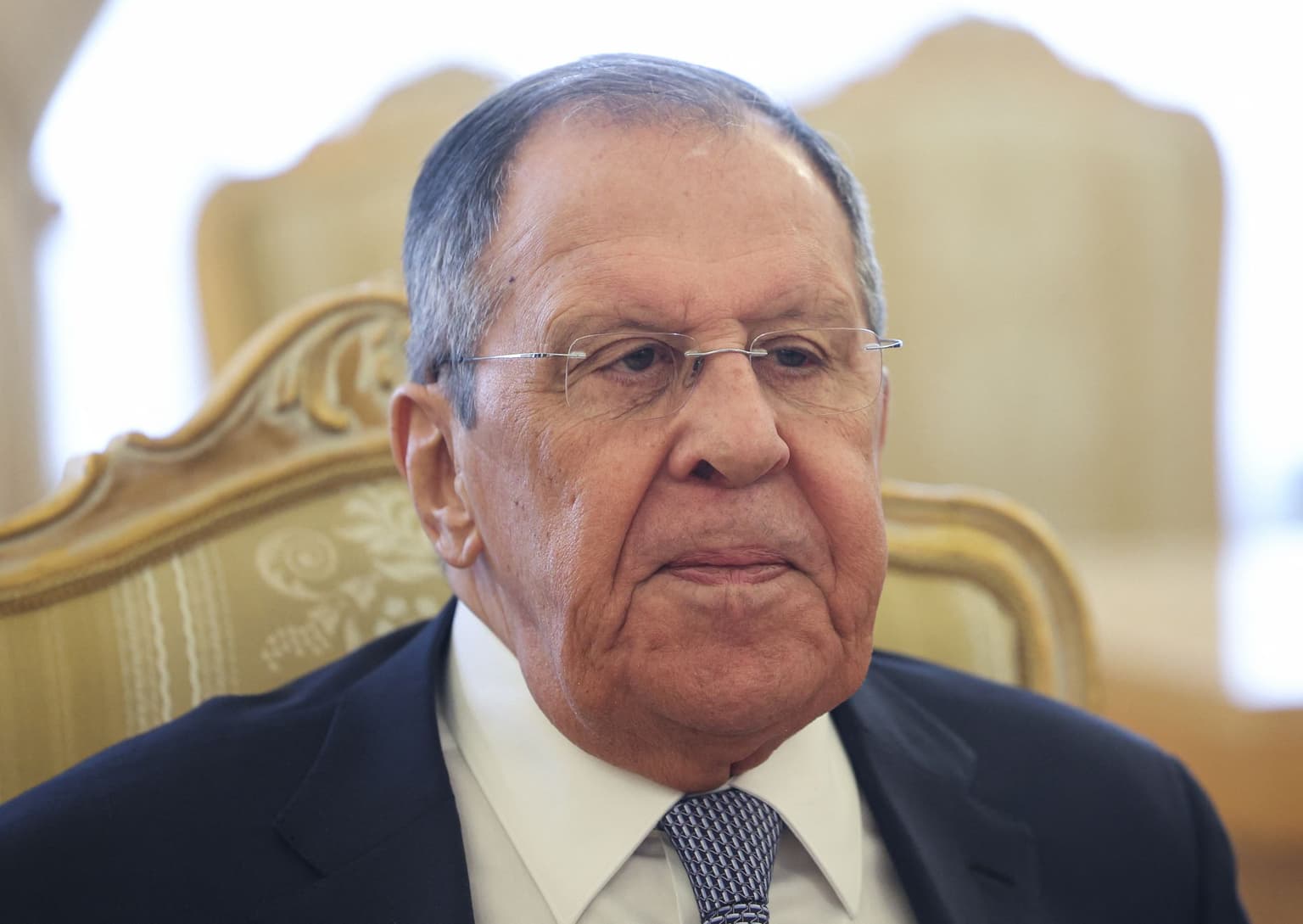
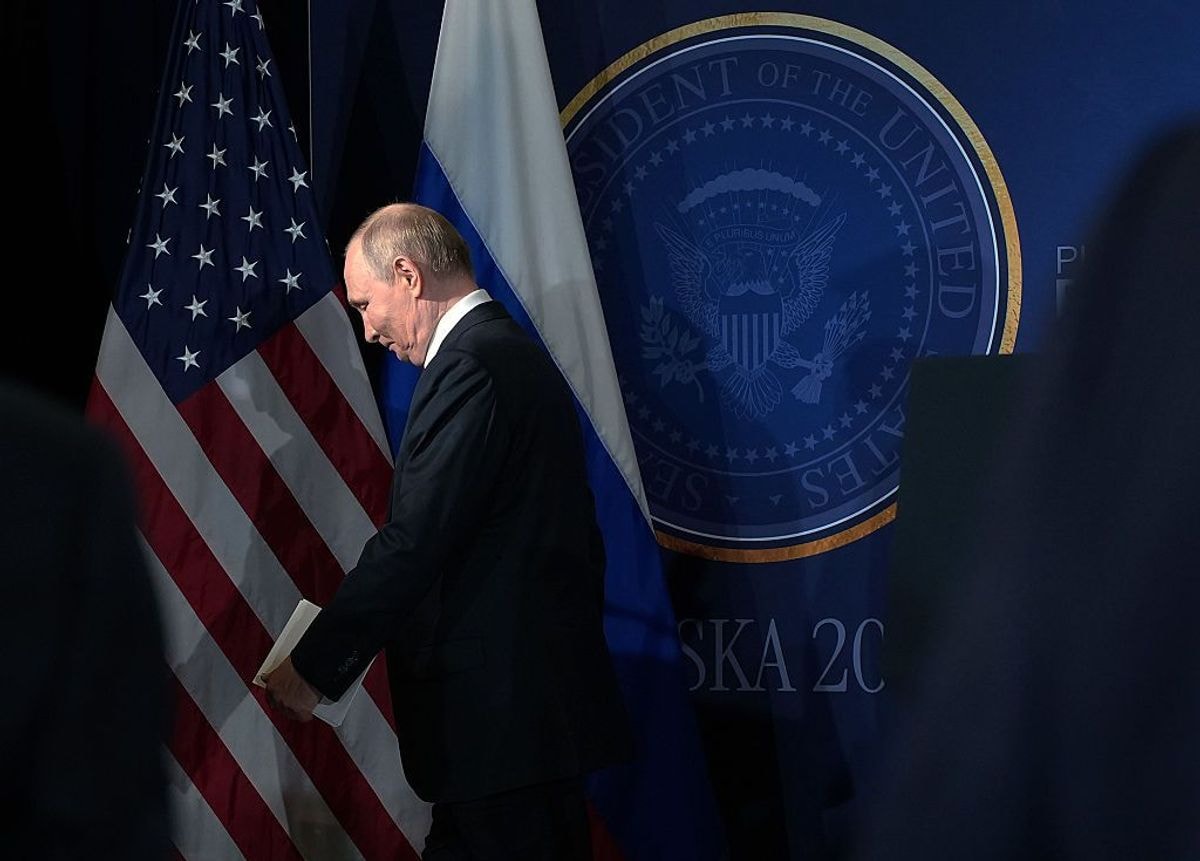
Moscow believes NATO's military operations in the Arctic are a "direct threat" to its national security, Russian Foreign Minister Sergey Lavrov wrote in a column published on Aug. 31, warning that Russia will defend its interests.
In the article published by a government-led project dedicated to Russia's presence in the region, Lavrov accused NATO of deliberately undermining the Kremlin by "declaring their goal of turning the Arctic into a new front of confrontation to curb the development of our country and its like-minded allies."
NATO's presence in the region significantly increased following the launch of Arctic Sentry in February 2026 — a mission to bolster military presence and surveillance after tensions between the U.S. and the rest of the alliance over Greenland.
The alliance said the mission aims to address NATO's security gaps in the Arctic amid Moscow's growing military activity in the region.
Lavrov, whose country continues to wage a four-and-a-half-year all-out war against Ukraine and has been accused of hybrid operations across Europe, called the initiative "aggressive."
The Russian foreign minister alleged that the rising risk of hostile incidents could lead to an armed confrontation with potential "catastrophic consequences," warning that Moscow is ready to respond to hostile actions through "asymmetric" means.
"Our current opponents should have learned long ago from the many lessons of history, and realized that speaking to Russia through the language of sanctions and threats is futile," he wrote.
At the same time, Lavrov underscored what he described as more favorable relations with other international partners in the Arctic, namely China and India.
The Arctic is increasingly emerging as a point of contention between Russia and NATO as climate change and melting ice open new trade routes, and Moscow ramps up its military footprint there.