Russian FPV drone strikes civilian car in Sumy Oblast, killing 4
 on Google
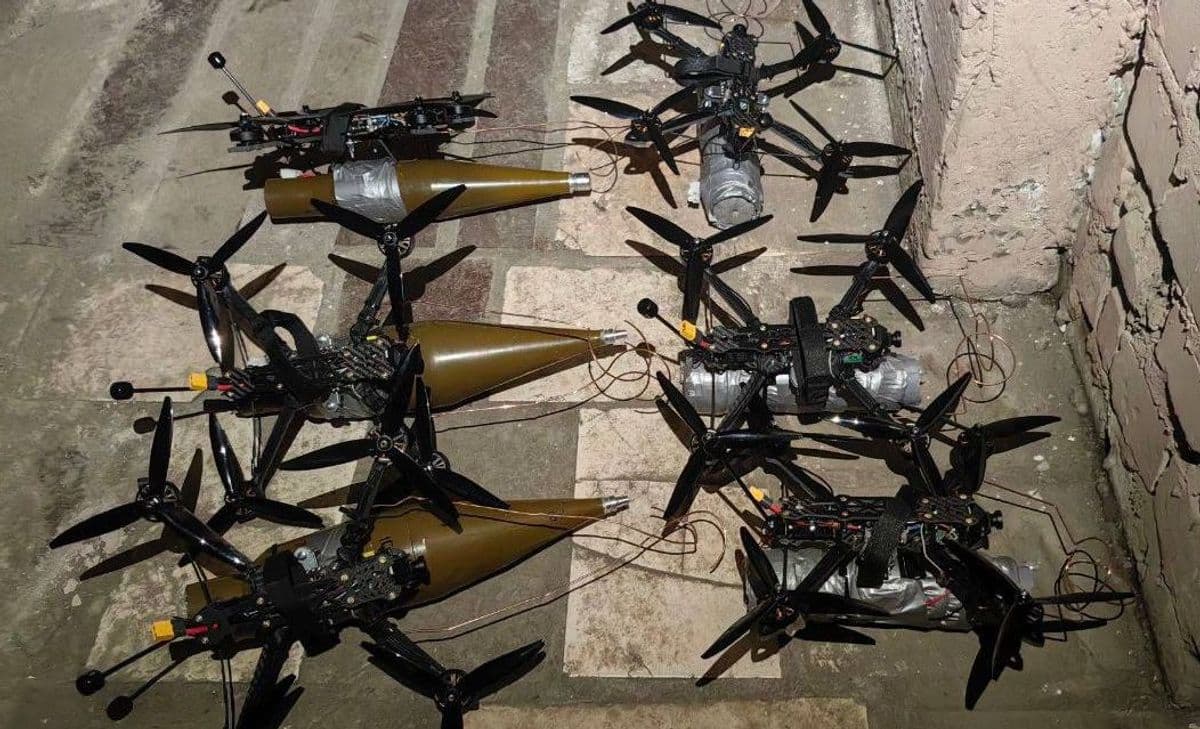
A Russian first-person-view (FPV) drone struck a car carrying civilian passengers in Sumy Oblast on Sept. 19, killing four people, regional Governor Oleh Hryhorov reported.
The attack occurred in the Shostka district, around 44 kilometers (27 miles) from the northeastern border with Russia.
The drone hit the car directly, killing four people, Hryhorov said. The victims include a couple, a 56-year-old woman and 58-year-old man. The strike also claimed the lives of a 76-year-old woman and a 45-year-old man.
Ukrainian regions close to Russia and the front lines of the full-scale war face increasingly heavy barrages of FPV drones, which threaten civilians in broad daylight.
Such attacks have been labeled the "human safari," Russia's longstanding practice of training its drone operators on civilians before sending them to fight in eastern Ukraine.
FPV drones entered the battlefield at scale 2023, transforming the landscape of the war. Cheap and relatively easy to produce, they allow operators to strike targets with precision, making movement within their range extremely dangerous.