With no defense against ballistic missiles, Ukraine starts hunting Russian launch sites
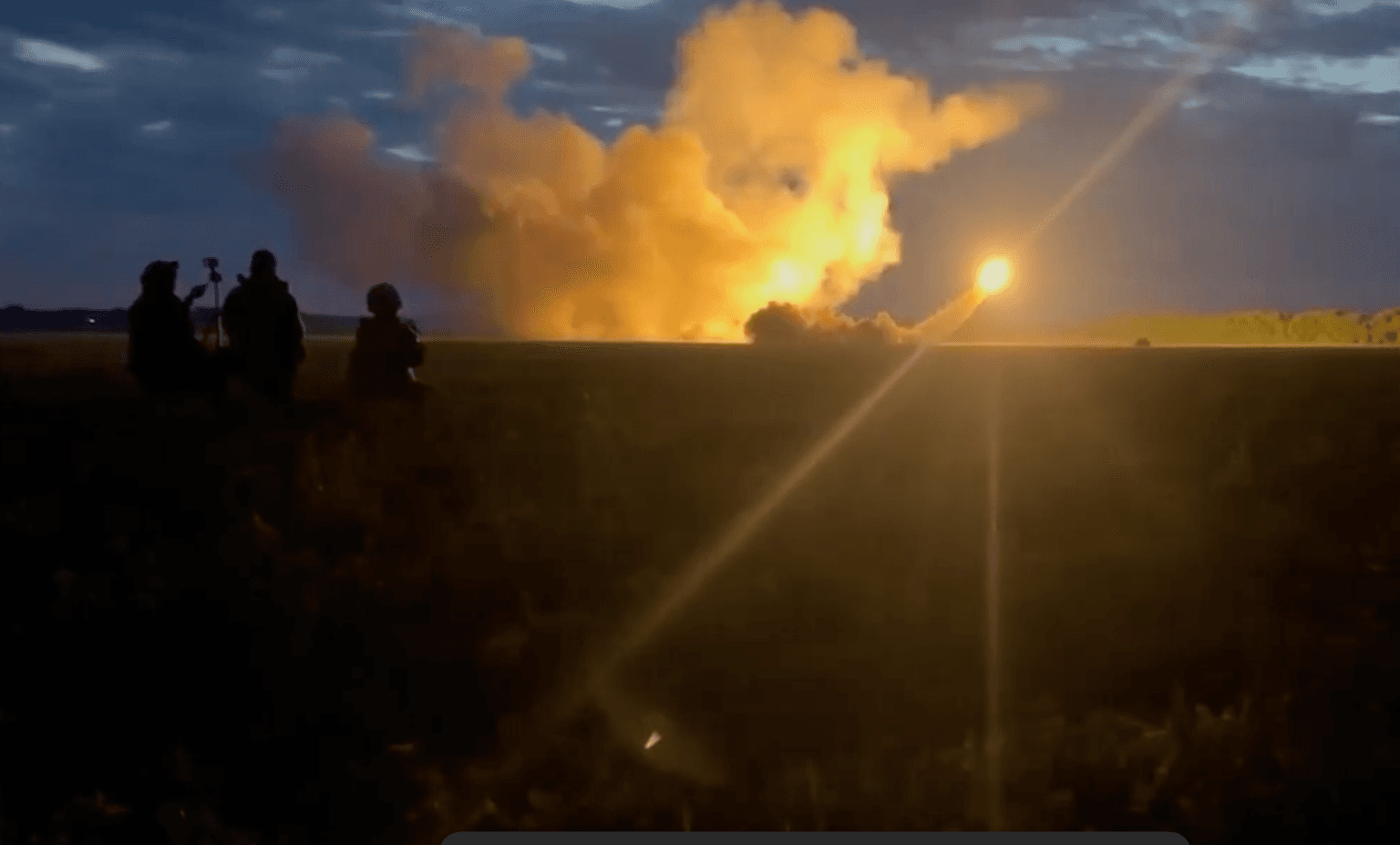
A Ukrainian Flamingo cruise missile purportedly launched at a military factory in the Russian city of Kirov, on the early morning of July 24, 2026. (Denys Shtilerman / X)
 on Google
Instead of trying to shoot arrows out of the sky, shoot the archer.
The medieval analogy can come off as simplistic and even naive when describing the task of defending a huge country from one of the most advanced and deadly weapons systems in the world.
But for Ukraine, with a track record of seemingly impossible military feats, and looking down the barrel of likely the hardest winter of its independence, trying is not a matter of choice.
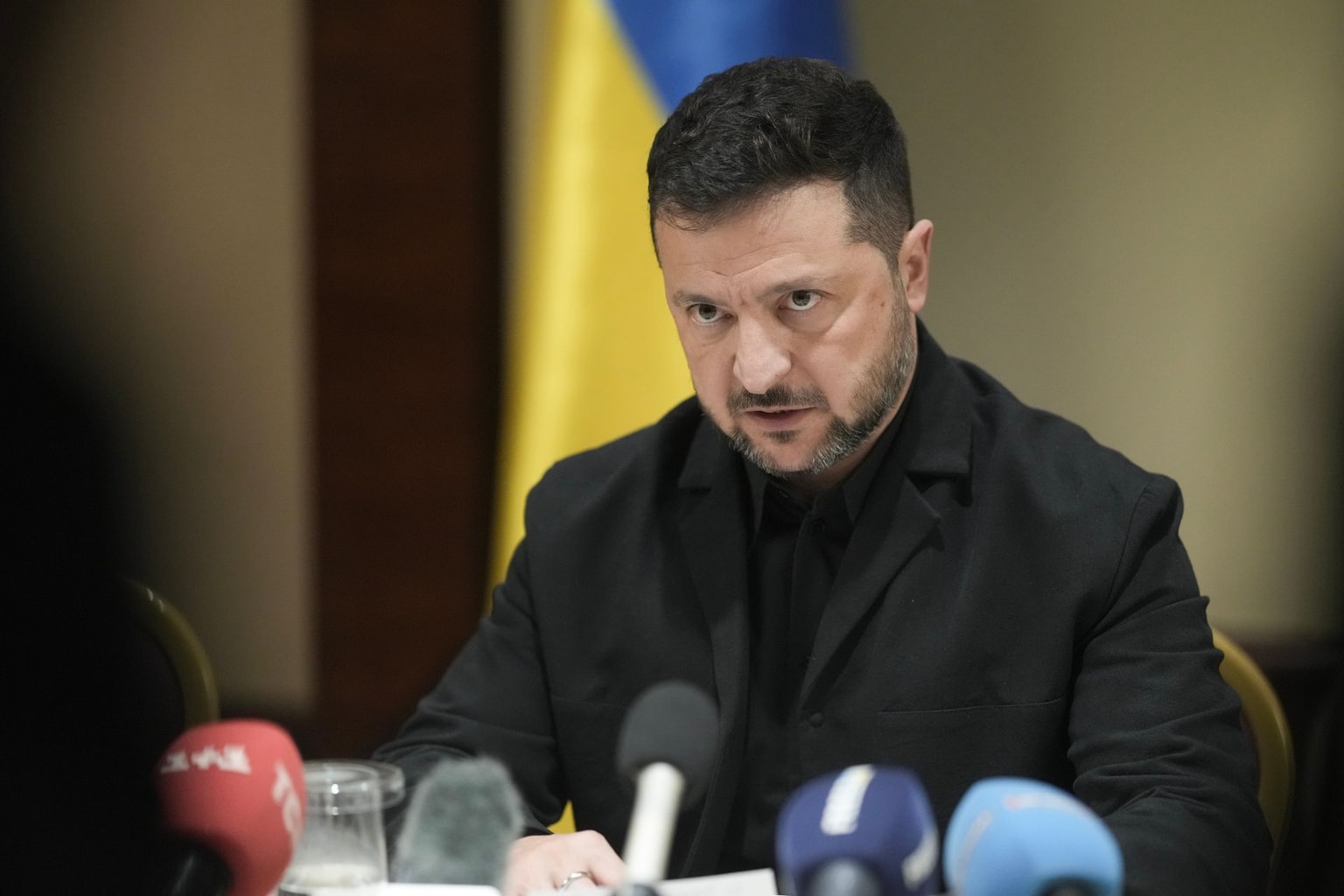
On Aug. 22, President Volodymyr Zelensky revealed that for the first time, the Ukrainian military had struck an Iskander ballistic missile launcher near Ukraine's border.
"At one point (the Russians) were planning to launch an attack, but didn’t go through with it. This is no coincidence," Zelensky told journalists.
"In other words, we're working to prevent them from carrying out large-scale missile attacks. These are individual, complex operations, and we're now starting to see the first results."
One of the most painful problems for the Ukrainian war effort in 2026 has been countering Russian ballistic missile attacks.
Of all the Western air defense systems supplied to Ukraine since the outset of the full-scale war, only the advanced U.S.-made Patriot has proven to reliably intercept ballistic missiles.
With Moscow showing no intention of winding down its war this year, Ukraine's consistently near-empty stocks of Patriot interceptors are proving to be a dangerous long-term liability.
Seeing Kyiv's glaring weakness, exacerbated by global strains on Patriot stocks caused by the Trump administration's war on Iran, Russia has doubled down on ballistic missile production, with Zelensky claiming Moscow could build 1,300 annually, and had over 600 in stock.
Lobbying foreign partners for just enough interceptors to survive the average mass attack has dominated Kyiv's diplomatic bandwidth during 2026, both with Europe and Washington.
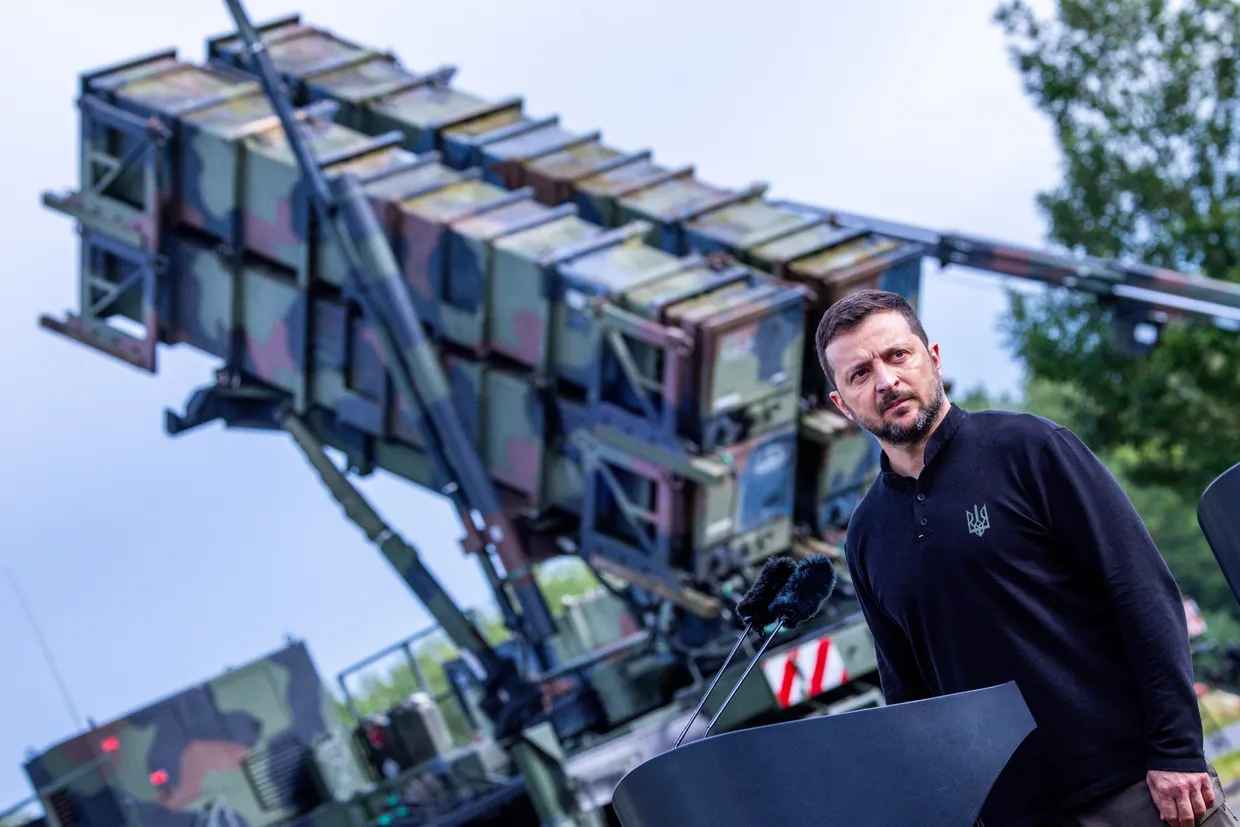
Meanwhile, joint European-Ukrainian efforts to produce a Patriot alternative, dubbed Freyja, have reportedly reached the technical stage, but even if it can come close to matching the Patriot's capabilities, its timeline is counted in years, years Ukraine doesn't have.
The only other immediate solution is to hunt the launch assets themselves, either when they roll out of cover to launch, or by hitting other links of their logistics chains.
The process is complicated, intelligence-heavy, and highly sensitive, given its strategic significance.
Representatives from Ukrainian special forces units who have publicly carried out similar operations in Russian territory declined to comment to the Kyiv Independent on striking ballistic missile launchers.
Still, even with the first successful hits under Kyiv's belt, serious barriers remain to achieving a systemic counter, Anatolii Khrapchynskyi, a Ukrainian aviation expert and former Ukrainian Air Force officer, told the Kyiv Independent.
"The problem is the lack of weapons that could be used during the window of opportunity," he said.
"Then on top of that is the lack of high-quality intelligence data that would provide clear coordinates of launchers in real time."
Spotting the prey
The Iskander-M is Russia's main surface-to-surface tactical ballistic missile system.
Although the stated range of the base 9М723 model is 500 kilometers (310 miles), information published on Aug. 27 by Ukraine's military intelligence agency on the missile puts the figure at around only 390 kilometers (242 miles).
Alongside North Korean KN-23 ballistic missiles and advanced Zircon cruise missiles, the Iskander has been the workhorse of combined mass attacks against Ukrainian targets in recent months.

When targeting Kyiv and other parts of central Ukraine, Iskanders — mounted on mobile launcher vehicles — are usually launched from Russia's Kursk and Bryansk regions, across the border from northeastern Ukraine.
Locating Iskander positions, logistics routes, and launch sites requires the coordination of different intelligence disciplines.
Careful analysis of extensive satellite imagery provided by Ukraine's partner countries of the areas of Kursk and Bryansk oblasts where Iskanders are launched from can reveal loading and other logistics hubs, signs of clearing and excavation to build dug-in positions, and the tracks left by the vehicles on their way to and from launch sites.
Key to both spotting the Iskanders and triangulating their locations upon launch is data from early warning radars — also belonging to Ukraine's NATO partners — and shared with Kyiv, a special forces service member familiar with the matter told the Kyiv Independent, on the condition of anonymity.
The same information also allows authorities to sound the air raid alert and warn of ballistic missile launches, giving residents of the capital time to seek shelter — though often only a few minutes.
Filling out the picture is other miscellaneous pieces of human and open-source intelligence from Russian soldiers working in the area.
With all this information, Ukrainian special forces units tasked with hunting Iskander launchers are able to track patterns and identify areas of particular interest.
Hands tied
Crucial to the work of any longer-range drone strike are the communications and navigation systems on board.
Unlike the large, static targets like oil refineries and Wildberries warehouses in Russia, Iskander launchers are smaller and much more mobile, even when they are most exposed during a launch.
To strike them with drones, real-time communications and video feeds are needed for the pilot, a difficult task for traditional radio communications and satellite navigation in an enemy environment full of jamming and spoofing devices.
Ukraine's solution to this problem is usually a simple one: SpaceX Starlink internet terminals mounted directly on the drone.
Drones equipped with Starlink, Khrapchynskyi noted, could be not only used as strike assets themselves, but also for real-time imagery of Iskander movement and the launches themselves, allowing both the quicker discovery of targets, as well as spotting the strikes.

Sent into areas of high interest during attacks, Starlink-equipped drones could spot launches and immediately target the launchers, as is often achieved in occupied Ukraine.
"The presence of Starlink allows us to have intelligence data in the operational intervention mode, that is, to be with a reconnaissance drone with high-quality communication," he said.
But in contrast to the strikes Ukraine carries out against high-value radars and air defense launchers in the occupied territories, strikes across the border into Russian territory cannot normally use Starlink.
read also
Securing the necessary permission from SpaceX founder Elon Musk — who has often shared a Russia-sympathetic view of the war but also agreed to cut Russian forces off from Starlink in February — has been another priority for Kyiv.
Despite the supposedly solid working relationship between Musk and then-Defense Minister Mykhailo Fedorov, efforts have so far been fruitless, harmed by a reported four-way misunderstanding between Zelensky, the Defense Ministry, Musk, and Trump himself, whom Zelensky said had been in favor of allowing Starlink use inside Russia.

Choosing the right tool
Ukraine's options to strike Iskander launchers are numerous but limited.
"Iskander crews are very careful when preparing for launch. They travel deliberately in a way as to not be picked up by satellites," said Serhii Beskrestnov, presidential advisor for military innovation, in a comment to Ukrainian television on Aug. 8.
"To catch an Iskander launch on the move at the time and place that it is setting up for launch is very difficult."
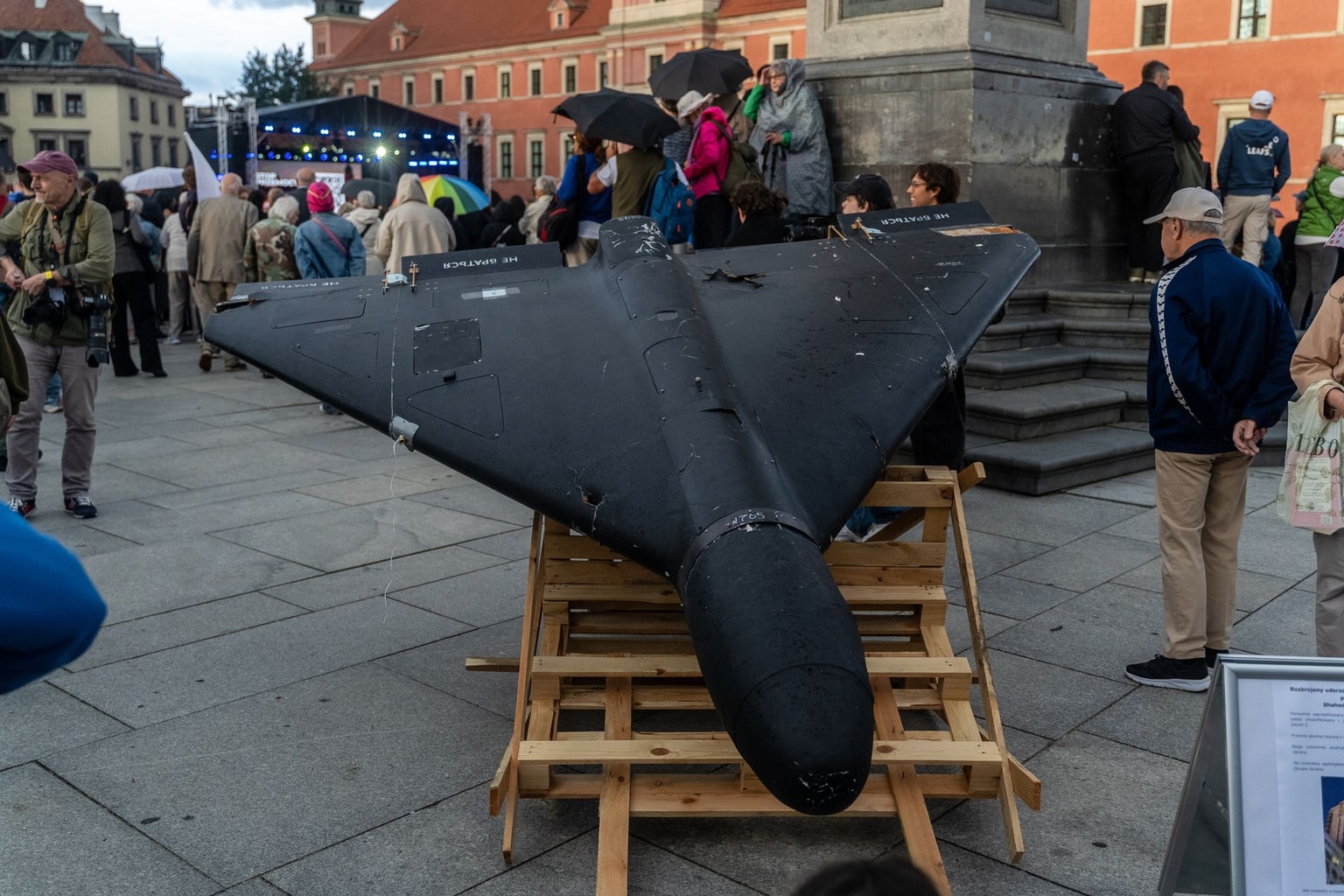
Mid- to long-range drones available like the Ukrainian-made Ram-2X and FP-2 could potentially be used for the task, but with much slower flight times compared to missiles, the window for the reconnaissance-strike loop becomes very short.
Without Starlink access, these drones are further limited in functionality.
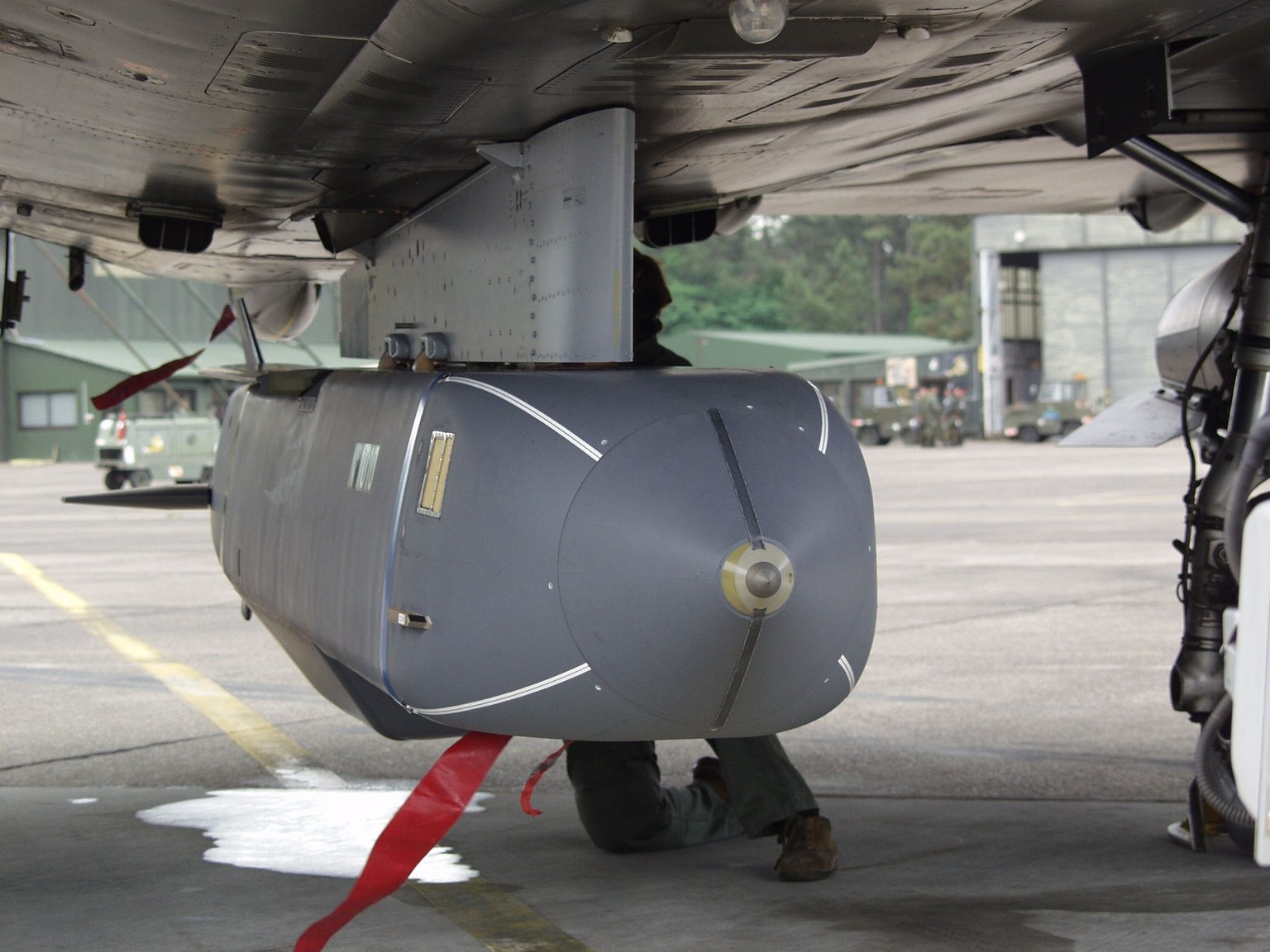
To hit targets like Iskander launchers quicker and harder, air-launched missiles could also be an option, with Khrapchynskyi suggesting the AGM-88 HARM missile, designed for use against radars but also effective against large metal targets like launchers, as a viable option.
But such missions would require Ukrainian jets not only to be scrambled at a moment's notice, but also to fly dangerously close to the state border, bringing them in range of Russian surface-to-air missiles or Su-35 air superiority fighters.
Another option that could become more realistic in the medium term would be fighting fire with fire.
Speaking after his dismissal, Fedorov argued that using domestically produced ballistic missiles would be the most effective long-term counter to Russian launchers.
In Russia's hands, the Iskander has proved its value not only for strategic strikes on cities, but as a devastating tactical asset, able to hit key targets quickly when used in tandem with fixed-wing reconnaissance drones.
The same logic, Fedorov argued, could be used by Ukraine.
"The Russians should understand that in the space of just a few minutes, the whole crew that just launched a missile will likely be killed by our own ballistic missile," the ex-minister said on a livestream hosted by Ukrainian volunteer Serhii Sternenko.
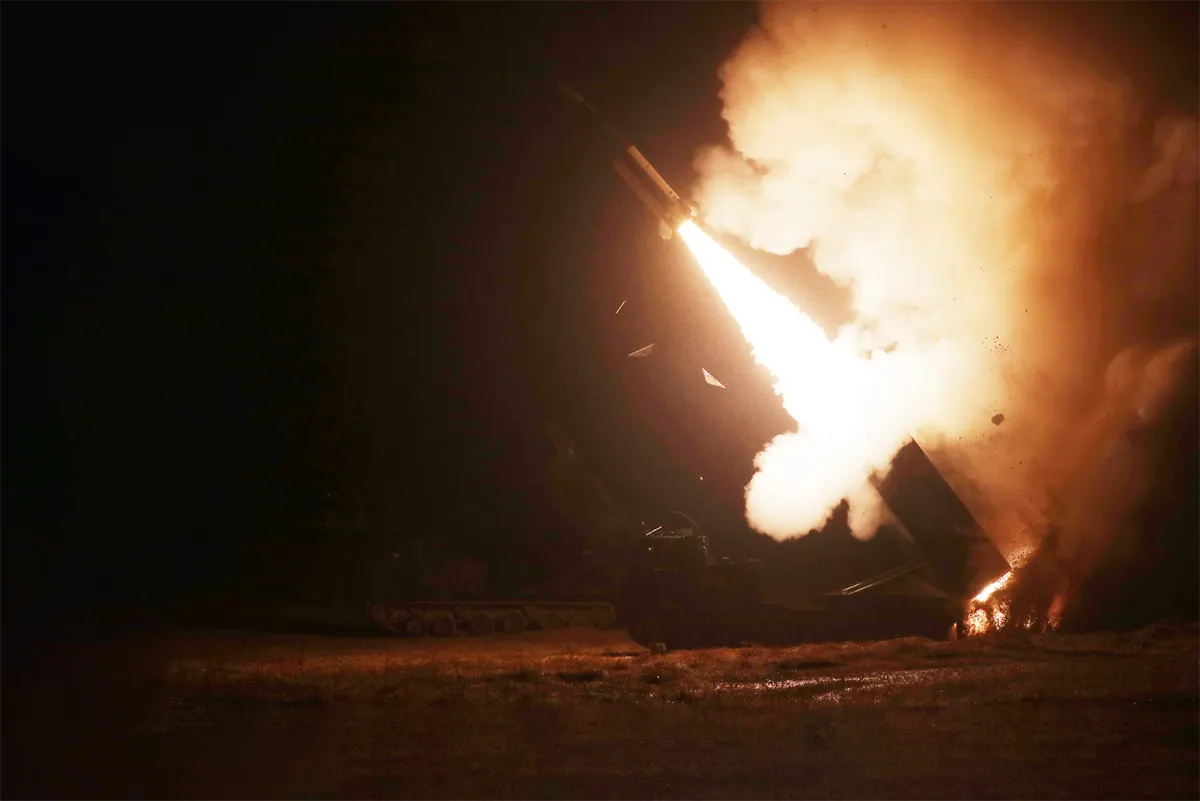
Technically Ukraine does field a suitable ballistic missile system already — the U.S.-built ATACMS.
But with stocks critically low in both Kyiv and Washington, and targeting inside Russian territory still requiring explicit permission from the U.S., it is unlikely to be a systemic solution.
Two Ukrainian defense companies are reported to be nearing production of ballistic missiles, including Fire Point, the manufacturer of the FP-1 and FP-2 drones, F-5 Flamingo cruise missile and future Freyja project. It has publicly announced two classes of ballistic missile, with ranges of 200 and 855 kilometers (124 and 531 miles) respectively.
This summer, Ukraine carried out its first successful tests of homemade ballistic missiles, with Fedorov claiming that Russian targets could be hit within three to six months.
But with the missiles yet to be tested in combat, the scale of production unclear, and the need to choose between many priority targets, the viability of a homegrown ballistic missile counter remains a matter of speculation.

Cat and mouse
Whichever counter Ukrainian forces end up focusing on, it will be less the weapon and more the entire system — intelligence gathering, kill-chain coordination, and strike assets — that decides whether Kyiv can consistently destroy Russian ballistic missile launchers in the field.
Kyiv's partner nations — especially the U.S. — will likely play a key role, whether through the provision of the initial intelligence, the potential unlocking of Starlink, or the supply of advanced drone technology.
If Ukrainian forces can find more success, Russia will certainly look to adapt, with new security protocols and the allocation of air defense assets — from radars, surface-to-air missiles, interceptor drones, and fire teams — to the area.
According to Ukraine's military intelligence (HUR), Russia has also begun using a new variant, the 9М723-2 or Iskander-1000, which can hit targets at 550 kilometers (342 miles), allowing crews to launch much further from the Ukrainian border.
Another option, Khrapchynskyi noted, would be to simply increase the number of launchers deployed in a single salvo, up from the current figure of 16-26.
In the meantime, even just the increased threat of Ukraine's hunting of launchers will work to stave off Russian mass attacks by forcing ultra-cautious crews to take cover and cancel planned launches, he argued.
"We have a successful record of disrupting mass attacks when the enemy tried to launch a mass attack, but our actions led to the enemy having to remove their launchers," he said.
"We have a successful record of disrupting mass attacks when the enemy tried to launch a mass attack, but our actions led to the enemy having to remove their launchers," he said.
Note from the author:
Hi, this is Francis Farrell, the author of this piece. This has been a year full of the highest of highs and the lowest of lows for Ukraine, on the battlefield and beyond. For me, the way things have been developed has been yet another reminder of how important it is for supporters of Ukraine's fight not to be made hostage to the ebb and flow of the narrative wars, but to keep a cool head in what will no likely be a long fight going forward. For that, you need good information, and that's what we try and bring here at the Kyiv Independent. If you appreciate what we do, please consider supporting our reporting.