Russian strikes on Ukraine’s drug supply chain leave pharmacy shelves empty
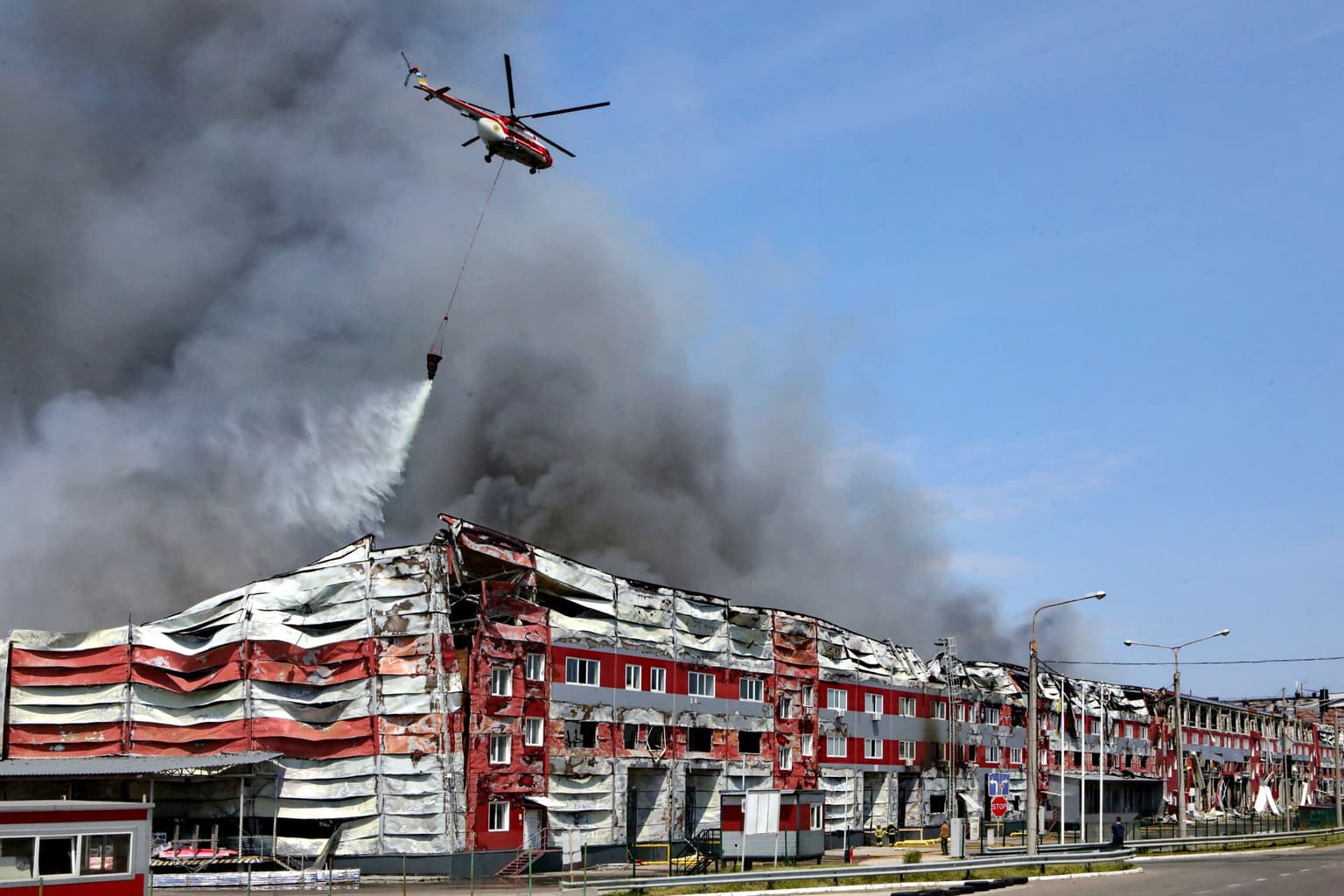
A helicopter of the State Emergency Service of Ukraine drops water on a warehouse complex of the AMTEL distribution center that caught fire due to a Russian missile strike in Kyiv Oblast, Ukraine, on July 19, 2026. (Volodymyr Tarasov / Ukrinform / NurPhoto via Getty Images)
 on Google
For weeks, many Ukrainians living with chronic illnesses have been doing something they likely never imagined: asking strangers online to buy their medicine and mail it to them.
As Russia escalated its strikes on businesses in Ukraine, including pharmaceutical producers and distributors, Ukrainians with chronic illnesses took to social media to ask people in other cities less affected by the attacks to buy medicine that had run out at their local pharmacies.
One Threads user wrote: "Is there anyone in Odesa who can help? I need someone to pick up medicine from a pharmacy and send it via Nova Poshta. It’s the only pharmacy that has a critical medication for my mom."
Other complaints on social media say that new deliveries are selling out within hours as people buy up medications to stockpile or resell.
Ukrainians last saw pharmacy shelves this empty in the first weeks of Russia’s full-scale invasion in 2022. The market adapted quickly then, spreading stock across the country. Now the industry itself is under attack, part of a wider Russian campaign against civilian infrastructure that appears aimed at wearing down the economy and public morale as the front line sees little movement.
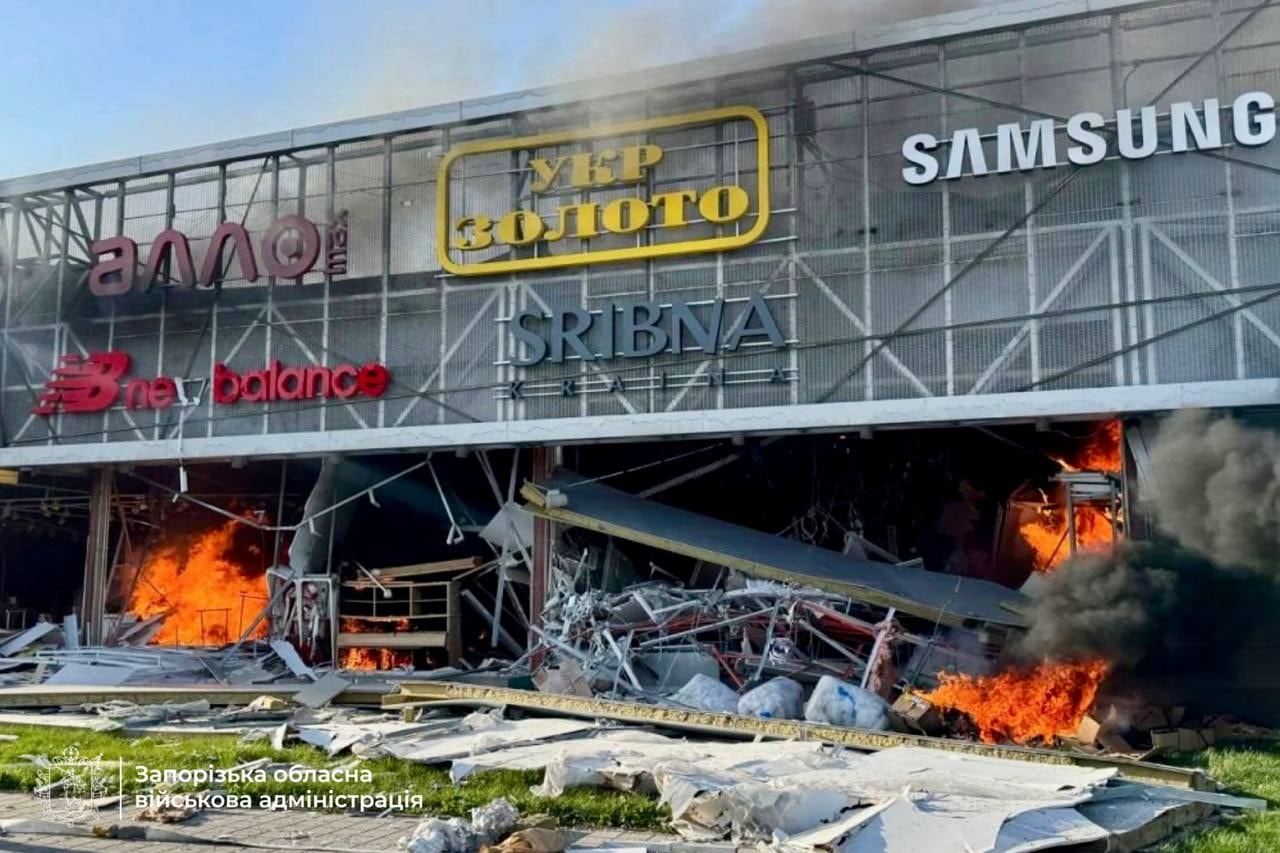
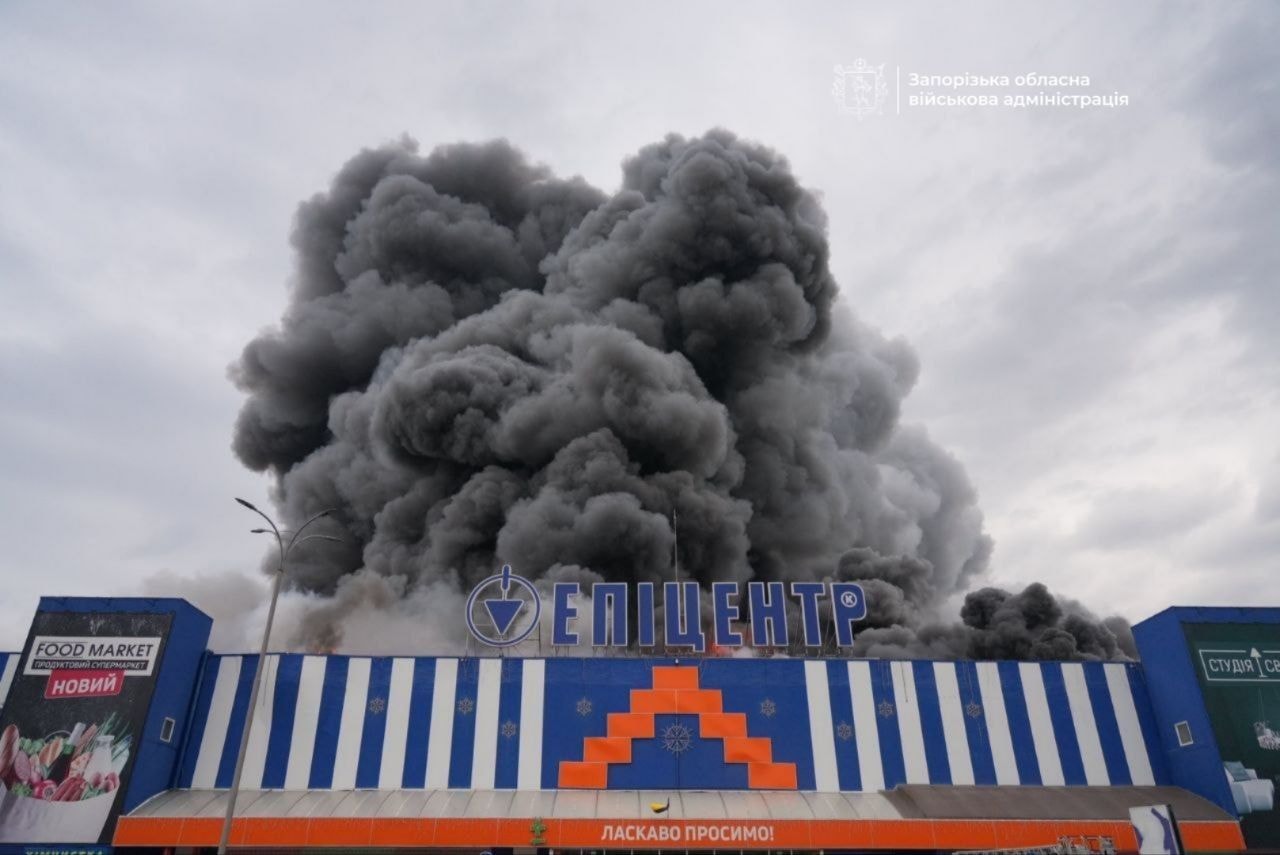
Since August, Russian strikes have damaged warehouses belonging to the country's largest pharmaceutical logistics companies, as well as the factories that supply them. Russia hit pharmaceutical warehouses and logistics facilities seven times in September alone, and the strikes continued into October, Ukraine's Health Ministry told the Kyiv Independent.

The country isn't facing a nationwide drug shortage yet, but experts warn that patients with chronic conditions could see gaps in supply in the coming weeks as pharmacy stocks run down. Warehouses can be restocked. Destroyed factories can't be replaced quickly. One of them, in the northeastern city of Sumy, made drugs that no other Ukrainian producer did.
"Such a high frequency of attacks over a relatively short period indicates that these are not isolated incidents, but rather systematic strikes against Ukraine’s civilian pharmaceutical infrastructure," the Health Ministry's press service told the Kyiv Independent.
Disruptions, not yet a shortage
A nationwide drug shortage could become reality if Russia continues its attacks, Ivan Zadvornykh, director of the European Pharmaceutical Association, told the Kyiv Independent, as pharmacies usually have enough stock on hand to last about another month.
The association tracks drug availability daily, and its data shows disruptions only for certain categories of medications in specific regions. Data from Tabletki.ua shows additional evidence of supply shortages. Ukrainians once used the website to look for the cheapest places to buy certain medications. Now they use it to find any pharmacy that has them at all.
As of Oct. 28, Levothyroxine, a synthetic thyroid hormone used to treat hypothyroidism, was almost impossible to find in pharmacies in eastern, northern, and central Ukraine, according to Tabletki.ua. The drug also comes in different dosages, which makes finding the right one even harder.

"This is a real nightmare," wrote one Threads user who has been on hormone replacement therapy since her thyroid cancer treatment. "For me, this medication is essential for survival. I don’t keep 10 packs in reserve — why would I?"
Women who rely on hormonal medication to manage heavy periods have also struggled to fill their prescriptions. The widely prescribed Qlaira pill has no equivalent because it combines bioidentical estrogen with a progestin in a dynamic 28-day regimen. It was also widely unavailable in western Ukraine as of Oct. 28, according to Tabletki.ua. It’s a prescription drug, so patients have to pick it up in person.

Other combined oral contraceptives, which doctors also prescribe for polycystic ovary syndrome and endometriosis, are also hard to find. Yaryna Plus and Jeanine weren't available in any pharmacy, and Justinda is available only in a few regions, according to Tabletki.ua as of Oct. 28.
Yuliia Kozeletska from Irpin in Kyiv Oblast was lucky. She managed to grab two packs of Yaz Plus pills, prescribed by her gynecologist, in a neighboring town before they disappeared from pharmacies completely.
"Many women started looking for alternatives, but I didn’t have to because I had this small supply," she told the Kyiv Independent.
Supplies of Yaz Plus have now been restored, and it is available almost everywhere except in western Ukraine, according to Tabletki.ua as of Oct. 28.
The Kyiv Independent reached out to several pharmacy chains with questions about the situation regarding medications, but they did not respond to the request for comment.
Strikes on logistics hubs
In Ukraine, large pharmaceutical distributors deliver medicines to pharmacies. The two biggest distributors, BaDM and Optima-Pharm, handled nearly 75% of deliveries to pharmacies by value in April 2026, according to Apteka.ua. Russian strikes have repeatedly hit their logistics hubs.
In early September, a Russian strike on the Biocon Special-Purpose Logistics Center in Velyka Oleksandrivka Village near Kyiv cost the company over $333 million in lost goods and forced it to halt operations, the company reported. Days later, on Sept. 13, Russian forces struck Universal Logistic, the country’s second-largest pharmaceutical warehouse.
The strikes have also reached regional networks. Venta LTD, the third-largest distributor, lost a warehouse in Hostomel that served the Kyiv region, and BaDM’s warehouses were hit in Odesa on Sept. 14 and in Rivne on Oct. 19.
Warehouse strikes cost businesses money and make medicines harder to buy. Strikes on factories are a different problem: they mean the warehouses cannot be filled again.

In September, Russia attacked the Darnytsia plant in Kyiv, one of the largest pharmaceutical manufacturers, three times in just six days. In October, they struck another leading drug manufacturer, the Borshchahivka Chemical and Pharmaceutical Plant.
On the morning of Oct. 4, a Russian attack struck Kusum's plant in Sumy, one of Ukraine's leading pharmaceutical producers. An employee who had worked at the facility since its opening was killed, the company stated.
"What is available is not enough to cover treatment."
From the very first days of the full-scale invasion, Kusum had built modern shelters equipped with ventilation systems, which saved the lives of most employees. There were also other protective structures, but the plant was targeted directly over time.
The facility was destroyed and cannot be restored. The company told the Kyiv Independent that it estimates its losses at $40–45 million.
Some drugs made in Sumy were not produced anywhere else in Ukraine, and their molecules were not available in Ukraine from any other producer. Kusum manufactured medications for cardiology, psychiatry, neurology, endocrinology, pediatrics and other medical specialties.
"Demand is high, there are many patients, and what is available is not enough to cover treatment," a representative for Kusum, who requested anonymity due to security reasons, told the Kyiv Independent.
Kusum was a major supplier to Affordable Medicines, Ukraine's state reimbursement program, which makes many of its drugs free for patients.
More than 60 of its products, about 6% of the program's list, were covered, and 32 of them were free, including drugs for epilepsy, Parkinson’s disease, depression and high blood pressure, according to the Kyiv Independent analysis of the National Health Service’s reimbursement list.
Will the prices of medicines go up?
The attacks could push prices up, as companies need to replace destroyed stock. But the state limits how far they can rise.
It caps the wholesale and retail markups that distributors and pharmacies can add on drugs from the National List of Essential Medicines, as well as prescription and over-the-counter drugs costing more than Hr 50 ($1.09).
The retail markup for essential and prescription drugs is capped at 10–25%, depending on the purchase price. For over-the-counter drugs, it cannot exceed 35%, according to the State Service for Food Safety and Consumer Protection.

Since 2025, manufacturers and importers have had to declare maximum wholesale prices in a National Price Catalog, based on prices in European Union countries. Pharmacies cannot sell medicines above the retail ceiling calculated from those prices.
Companies can usually revise their declared prices only once every six months, and the ceilings are tied to prices abroad, so they cannot quickly pass their wartime losses on to patients.
"We’re trying to do everything we can."
That protects patients, but it creates a different risk, Zadvornykh said.
"When they realize that producing or importing certain items is unprofitable, they may stop," he said. "It could be any category of medicine. It’s purely a business decision. The state can ask, offer incentives or subsidies, but its influence is limited."

Kusum cannot raise its prices either, because they are fixed in the state program. The company says it is still studying what to do.
Meanwhile, it is trying to move production to its two plants in India. That means setting up production lines and buying raw materials. But the bigger obstacle could be regulatory: each drug made at a new site must be approved again by Ukrainian regulators.
"It’s a very complicated process. We’re trying to do everything we can. It could take anywhere from a month to half a year," the company representative said. "It also depends on how quickly regulators accommodate us."
Until then, patients who relied on Kusum’s medicines will have to look for alternatives, where alternatives exist.
Officials at the Health Ministry's State Expert Center emphasize that, in light of potential repeated attacks, contingency plans are essential.
"Ukraine has gained substantial experience operating in crisis conditions," the center stated.
"The core lesson is that resilience is determined not only by how fast the system recovers after an attack, but by how effectively we prepare for future challenges."