Russian-led CSTO starts drills in Belarus ahead of Zapad exercises
 on Google
Editor's note: The article previously sourced RIA Novosti, which incorrectly reported that, according to Belarusian General Staff Chief Pavel Muraveiko, the CSTO drills will include nuclear weapons planning. Muraveiko was referring to the Zapad 2025 drills, not the CSTO exercises.
Russian-led Collective Security Treaty Organization (CSTO) military exercises began in Belarus on Aug. 31, Russian state-run media outlet TASS reported.
More than 2,000 troops from Belarus, Kazakhstan, Kyrgyzstan, Russia, and Tajikistan are taking part, with 450 units of equipment, nine aircraft, and over 70 drones involved.
The CSTO, formed in 2002 as Moscow's answer to NATO, brings together several post-Soviet states but has faced criticism for its reliance on Russia and limited effectiveness.
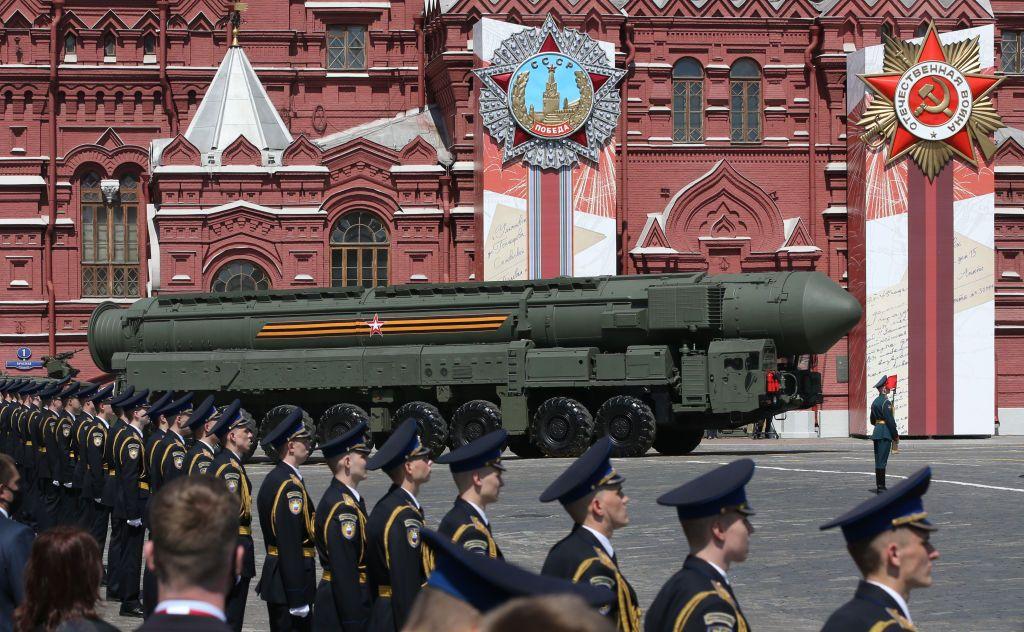
The drills come ahead of large-scale Zapad-2025 Russian-Belarusian exercises expected in September, which Belarusian officials have said will include nuclear deployment planning.
Belarusian General Staff Chief Pavel Muraveiko said the Zapad drills were moved deeper into Belarus "to avoid being accused of various kinds of insinuations and possible provocations" near NATO borders.
Moscow has repeatedly issued nuclear threats against Ukraine and its allies throughout the full-scale war. Muraveiko said the drills would focus solely on planning scenarios for potential nuclear use, without involving actual deployment.
"You can't use something that poses a threat to the whole world, to universal security," Muraveiko said.
Belarus, a key ally of Moscow, signed an agreement with Russia in May 2023 allowing the deployment of Russian tactical nuclear weapons on its territory.
Ukrainian intelligence has claimed Belarus fields only delivery systems, not nuclear warheads, and dismissed Belarusian dictator Alexander Lukashenko's assertions that Minsk would acquire Russia's new Oreshnik intermediate-range missile system.