Russian glide bombs strike Kharkiv, kill women, injure children
 on Google
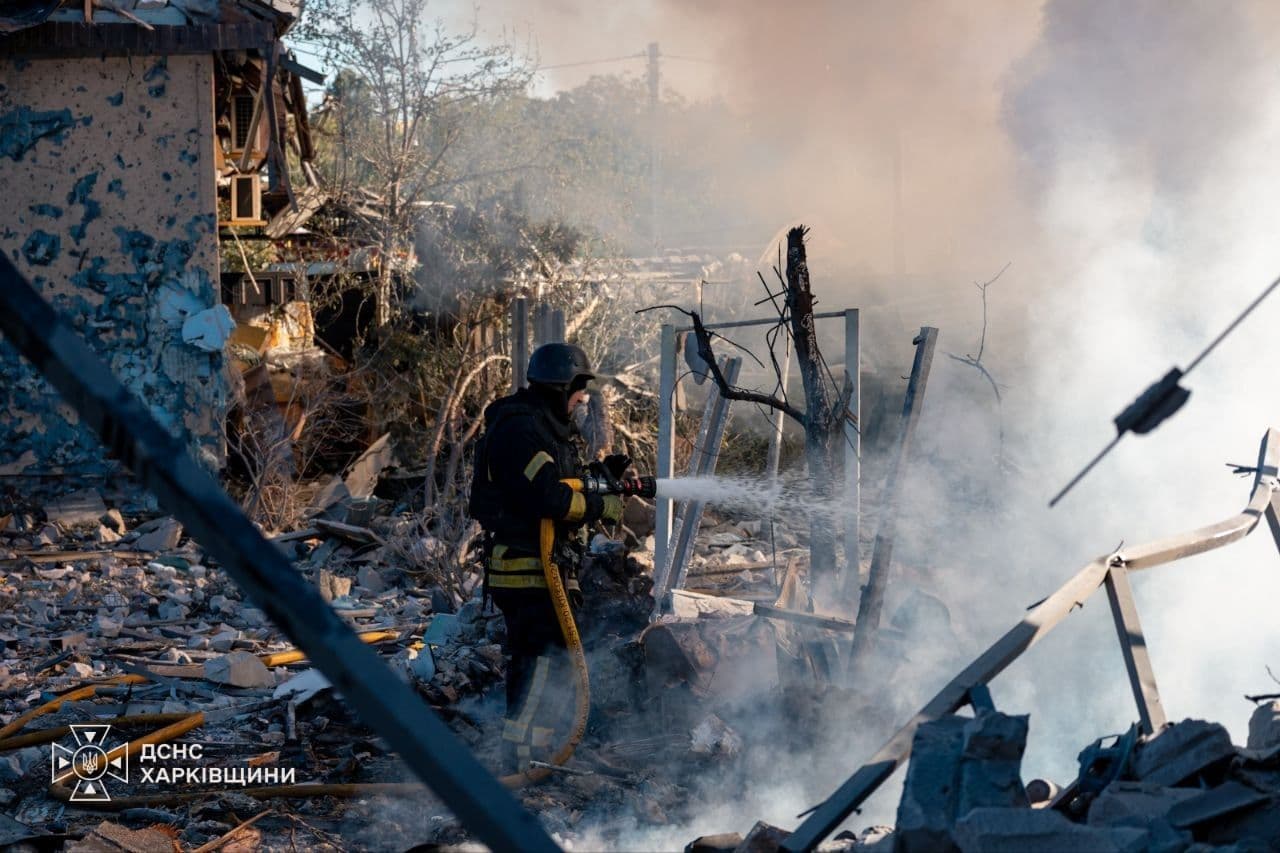
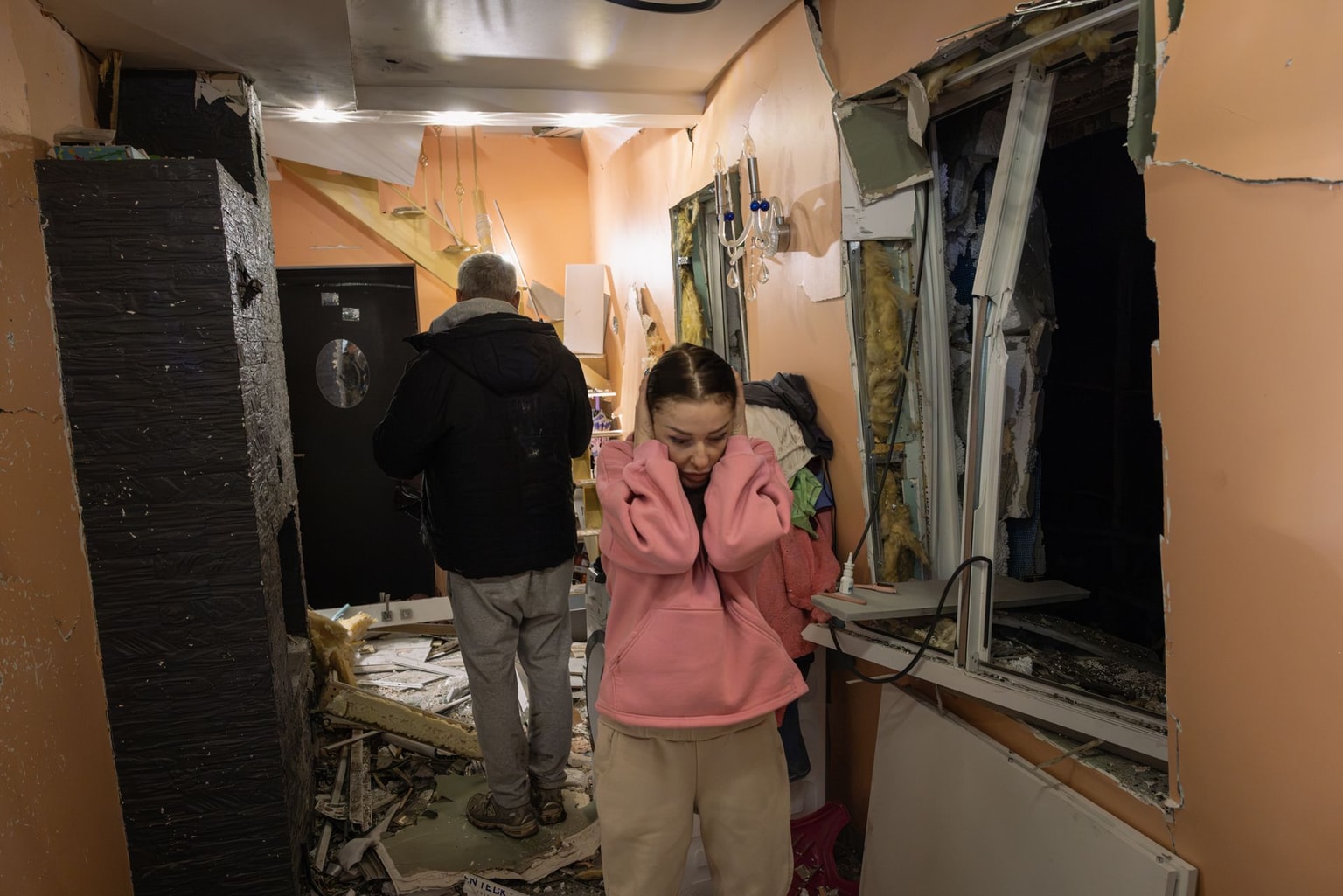
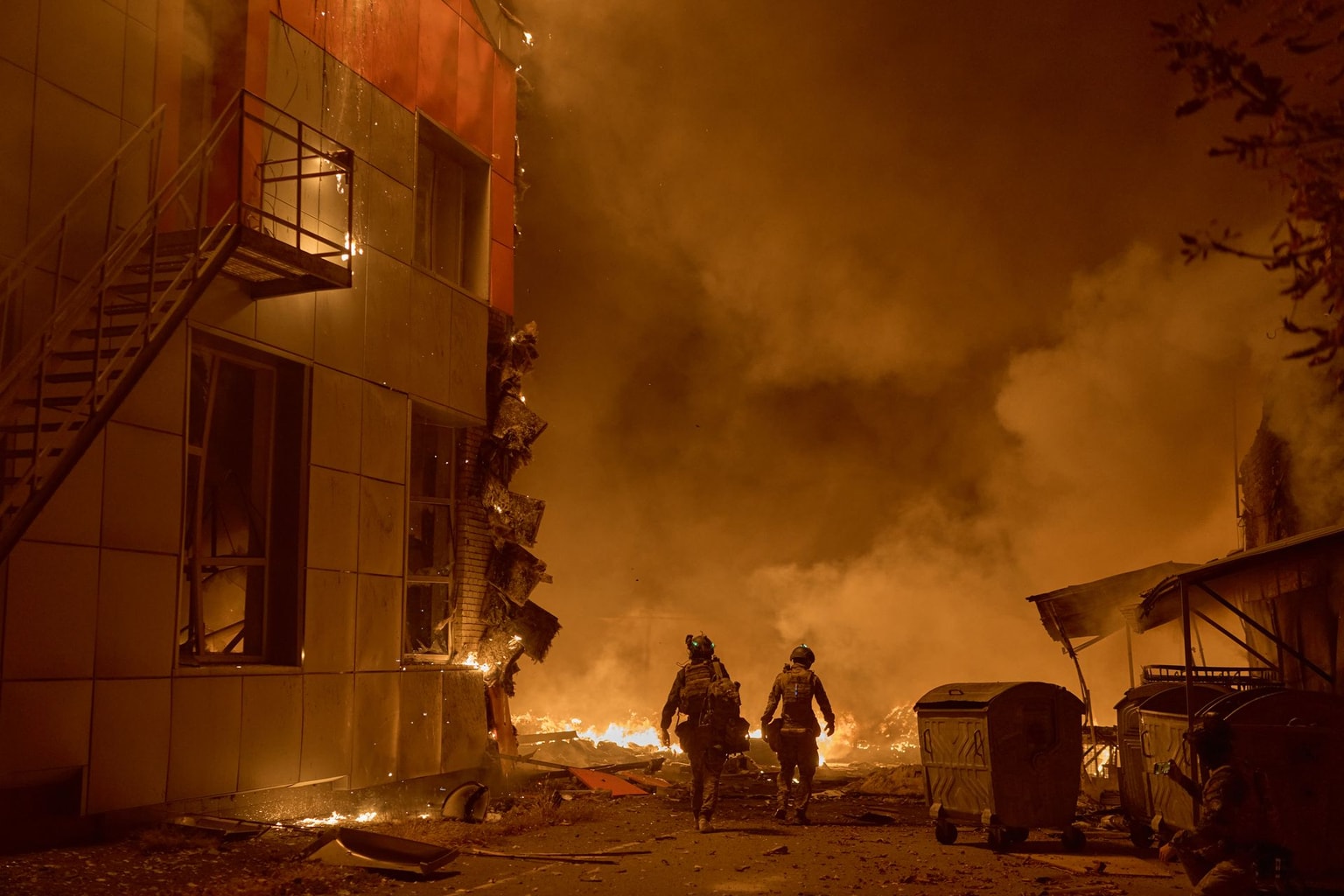
At least two people were killed and 36 injured after Russian glide bombs struck two areas of the city of Kharkiv on the afternoon of Oct. 2.
"Three glide bombs were recorded hitting the Slobidskyi and Nemyshlyansky districts of the city," Oleh Syniehubov, head of the Kharkiv Regional State Administration, said in a statement on Telegram.
"Two women aged 66 and 80 died as a result of the strike by the Russian army. 32 people were injured," Syniehubov said.
The State Emergency Service (DSNS) in Kharkiv later raised the number of injured to 36. Three of the injured were children, according to DSNS.
One of the Russian glide bombs "completely destroyed" a residential building, Kharkiv Mayor Ihor Terekhov said in a statement.
Russian guided aerial bombs, often called KABs (Kerovana Aviabomba) in Ukraine, are repurposed aerial bombs equipped with wings and precision guidance systems such as GPS, laser, or infrared targeting.
Unlike traditional free-fall bombs, KABs can glide tens of kilometers before impact, allowing Russian aircraft — typically the Su-34 — to release them from a distance, safe from the operating range of Ukrainian air defense missiles or fighters.
Warhead sizes vary by model, ranging from about 300 kilograms to 3 metric tons, enough to destroy multistory buildings with a direct hit.
Russian forces use glide bombs against important, hardened, or entrenched targets, such as bridges, command posts, or drone teams spotted by reconnaissance assets.