Russian FPV drone developer reportedly wounded in Tula assassination attempt
 on Google
Andrey Cherezov, head of the Russian Laboratory of Air Transport, a Tula-based manufacturer of unmanned aerial vehicles, was the target of an assassination attempt in the western Russian city of Tula, Russian Telegram channel Mash reported on July 29.
Ovod, the drone manufacturer founded by Cherezov, later confirmed that he was the victim of the attack.
Cherezov was attacked in the entrance of his apartment building, where an assailant fired three shots before fleeing the scene. The attacker remains at large. Cherezov was hospitalized in serious condition, according to Mash.
The shooting is the latest in a series of attacks in Russia targeting individuals linked to Moscow's full-scale invasion of Ukraine.
Russia's Investigative Committee said it had opened a criminal case on suspicion of attempted murder but did not officially identify the victim or disclose a possible motive.
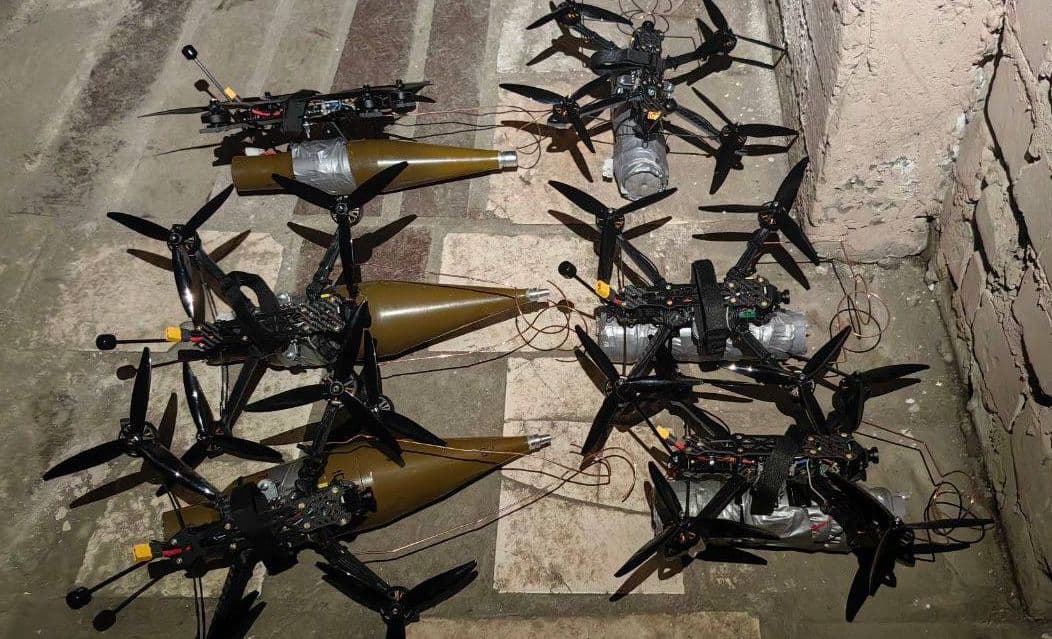
The Russian Laboratory of Air Transport was registered in Tula in 2022. The company develops Ovod first-person-view (FPV) drones used by Russian forces in the war against Ukraine, according to Mash.
Mash also reported that the company recently secured contracts to supply unmanned aerial systems to Voronezh State Technical University for research purposes. The two tenders, worth a combined 29.7 million rubles ($376,000), called for the delivery of 337 multirotor drone kits and 17 control-system sets.
Russia is investing heavily in its drone forces. In May, Kyiv said Moscow planned to produce 7.3 million FPV drones and 7.8 million warheads for them in 2026.
FPV drones came into widespread battlefield use in 2023 and have since transformed the war. Cheap and relatively easy to produce, they allow operators to strike targets with precision, making movement within their range increasingly dangerous.
The threat extends far beyond military positions. Russian FPV drones frequently strike front-line cities and deliberately target civilians — a tactic that has become known as a "human safari."