Russia urgently expanding anti-drone forces, boosting drone production amid surge in Ukrainian strikes, Syrskyi says
 on Google
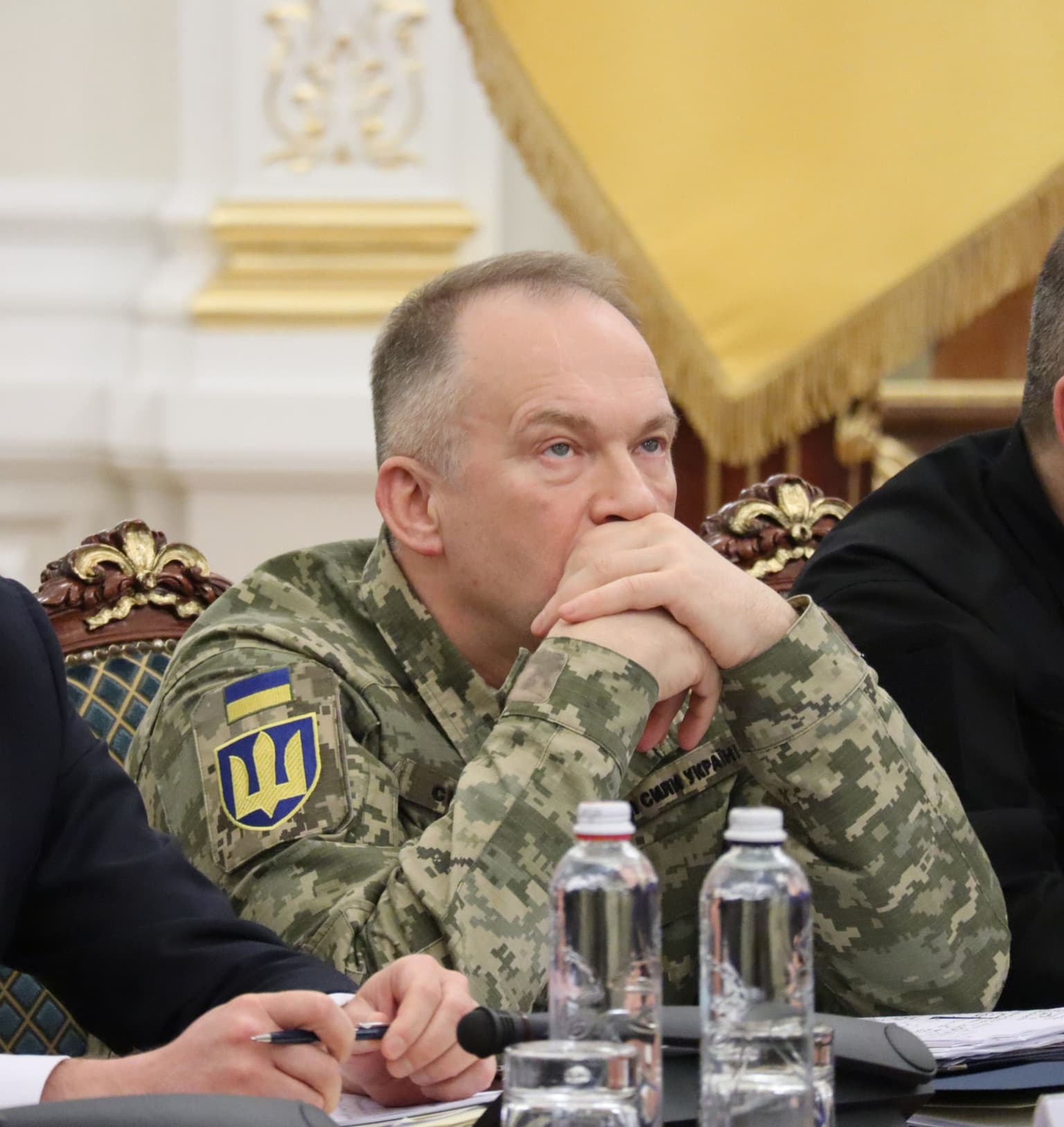
Russia is urgently expanding its anti-drone forces and strengthening air defense coverage around Moscow, while also increasing drone production, Commander-in-Chief Oleksandr Syrskyi said on May 8, citing Ukrainian military intelligence assessments.
Ukraine has intensified long-range drone strikes deep inside Russian territory in recent weeks, including repeated attacks on oil infrastructure and drone raids targeting Moscow ahead of Russia's Victory Day celebrations. The latest strikes have continued despite the Kremlin’s self-proclaimed ceasefire, which Kyiv said Russian forces had immediately violated.
According to Syrskyi, Russia is deploying an additional four regiments, 24 battalions, and 162 batteries to counter Ukrainian strike drones while also strengthening layered air defense coverage around Moscow and Krasnodar Krai.
"Russia is effectively scaling up its unmanned systems forces by copying Ukrainian solutions – technical, tactical, and organizational," Syrskyi said in a statement published on social media.
Syrslyi added that Russian forces are also increasing the deployment of strike drones equipped with turbojet engines and expanding the use of electronic warfare systems in border regions.
Russia plans to produce 7.3 million FPV (first-person-view) drones and 7.8 million combat unmanned aerial vehicle parts in 2026, Syrskyi said.
Despite Russia's growing drone capabilities, Syrskyi argued that Ukraine continues to maintain the initiative in drone warfare.
"Starting from December, for the fifth consecutive month, Ukraine's unmanned systems units alone have neutralized more occupiers than Russia manages to mobilize into its army," Syrskyi said.
Ukrainian drone systems carried out nearly 357,000 combat missions in April and struck more than 160,700 verified targets, 2% more than in March, according to Syrskyi.
Ukraine also suppressed more than 7,700 Russian drone operator positions during the month, while its middle strike systems operating at ranges of 20 to 250 kilometers (12 to 155 miles) struck 424 Russian targets in April, according to Syrskyi.
The commander-in-chief added that ground robotic systems are playing an increasingly important role on the battlefield, including evacuating wounded soldiers, laying mines, and carrying out more than 60% of logistical transportation tasks for troops.
The statement comes ahead of Russia's annual Victory Day parade on May 9, which in recent years has become both a symbolic showcase of Moscow's military power and a way justify its full-scale invasion of Ukraine.
Russian authorities reported multiple Ukrainian drone attacks targeting Moscow and other regions overnight on May 8, prompting temporary flight restrictions at several airports ahead of the celebrations.