Russian drone strikes Kyiv nuclear institute housing research reactor
 on Google
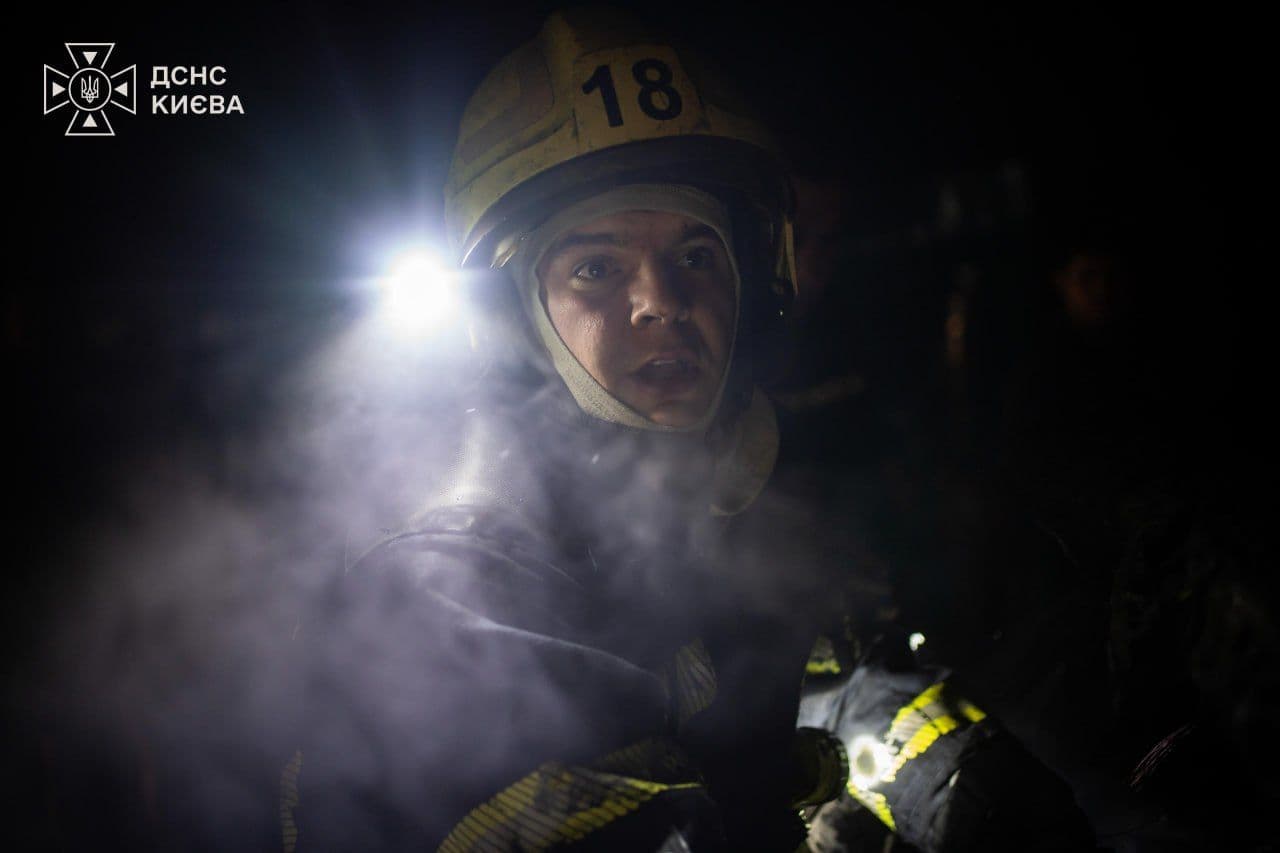
A Russian drone struck the grounds of the Institute for Nuclear Research in Kyiv on Sept. 30, where a research nuclear reactor is located, Ukraine's State Nuclear Regulatory Inspectorate said on Telegram on Oct. 1.
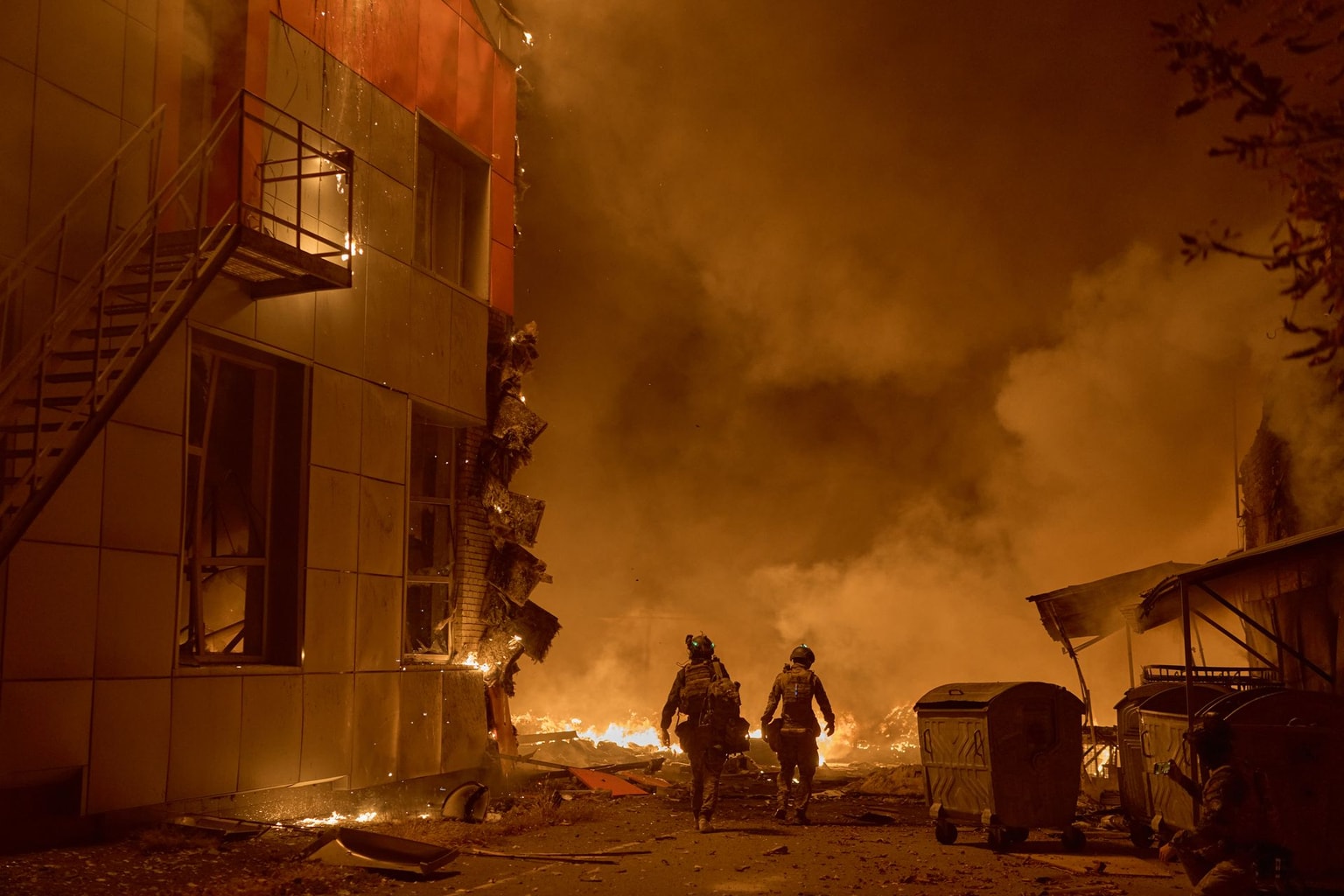
The strike, which occurred at around 6:18 p.m. local time, sparked a fire that was quickly extinguished. No one was injured in the attack, according to the statement.
The VVR-M research reactor itself and systems important for its safety were not damaged, according to the regulator. Radiation levels remained within the normal background range of 0.16-0.20 microsieverts per hour.
The reactor has been shut down since February 2022, when its core was fully unloaded to reduce radiation risks following the start of Russia's full-scale invasion. It is currently used only for maintenance of safety-related systems.
The institute is part of Ukraine's National Academy of Sciences and conducts research in nuclear physics, atomic energy, and radioecology.
"The drone strike on the territory of the Institute for Nuclear Research was an attack on a peaceful nuclear facility used exclusively for scientific and research purposes," the regulator said.
The strike on the Kyiv institute is the latest incident to put a Ukrainian nuclear facility at risk. Russian attacks have repeatedly threatened the Chornobyl Nuclear Power Plant and the infrastructure supplying it with electricity. The latest such incident occurred in June 2026, when Russian drone strikes damaged a spent nuclear fuel storage facility at Chornobyl.
The attack came amid a sharp increase in Russian strikes on Kyiv and other Ukrainian cities in recent weeks. Russia has intensified its use of drones around the clock, striking residential buildings, businesses, transport infrastructure, and other civilian sites.
Two Russian drones also struck Kyiv's Southern Bridge on Oct. 1 as cars and a metro train were crossing it.
A day earlier, Russia launched its first mass attack on Kyiv's energy infrastructure since the previous heating season, causing emergency power outages in the capital and other regions.