Putin won’t attend peace talks in Turkey, Kremlin says
 on Google

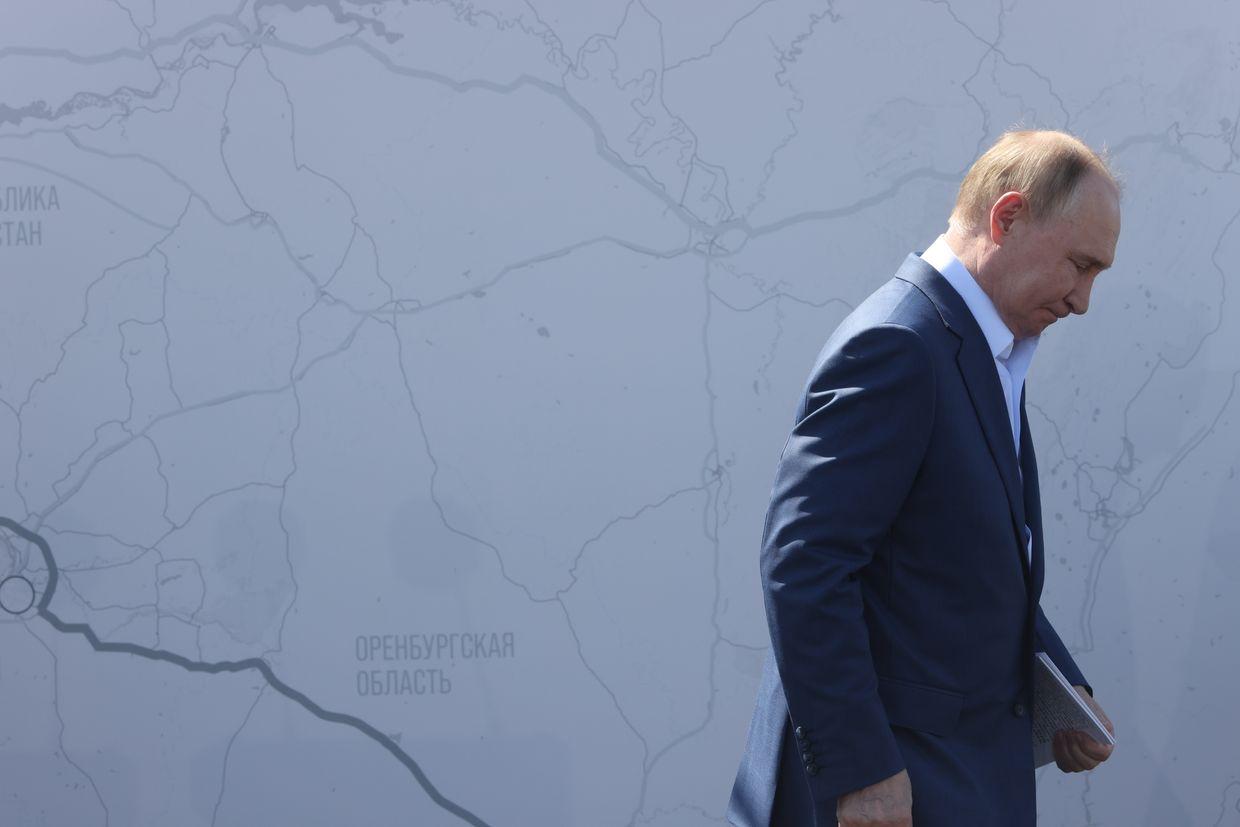
The Kremlin unveiled its delegation for Ukraine-Russia peace talks in a decree signed by Russian President Vladimir Putin on May 14.
Russia has not shared who it would send to negotiations in Turkey up until now. President Volodymyr Zelensky said on May 14 that Kyiv will determine its next steps in Ukraine-Russia peace talks when Moscow unveils its delegation.
Putin was not on the list of delegates, nor were any other top-ranking Russian officials.
Moscow announced that their delegation would be headed by presidential advisor and propaganda architect, Vladimir Medinsky.
The Russian delegation will also consist of Deputy Foreign Minister Mikhail Galuzin, Military Intelligence Director Igor Kostyukov, and Deputy Defense Minister Alexander Fomin.
The delegation is notably void of the Kremlin's top politicians, including Russian Foreign Minister Sergey Lavrov. Putin's foreign policy aide, Yuri Ushakov, was also absent from the list.
Putin has refused calls for a ceasefire and instead insists peace negotiations begin before a ceasefire is implemented.
In response, Zelensky has said he will travel to Turkey for the peace talks, and has invited Putin to meet him there.
So far, Russia has given no signal that Putin will be present at the peace negotiations on May 15.
Russia has said the May 15 talks would be a resumption of 2022 peace negotiations held in Turkey at the onset of Russia's full-scale war against Ukraine in February 2022.
According to the leaked 2022 peace draft proposal, both sides agreed to exclude Crimea from the treaty, leaving it under Russian occupation without Ukraine recognizing Russian sovereignty over it.
The status of other Russian-occupied territories was to be decided in later talks between presidents Zelensky and Putin.
The treaty would reportedly see Ukraine abandon aspirations to join NATO or any other military alliance, but allow for EU entry.
Russia also demanded the lifting of all sanctions, repealing Kyiv's laws related to language and national identity, and limiting Ukraine's Armed Forces.
The negotiations were unsuccessful and did not lead to the signing of any agreements. After that, there were no direct talks between Ukraine and Russia.
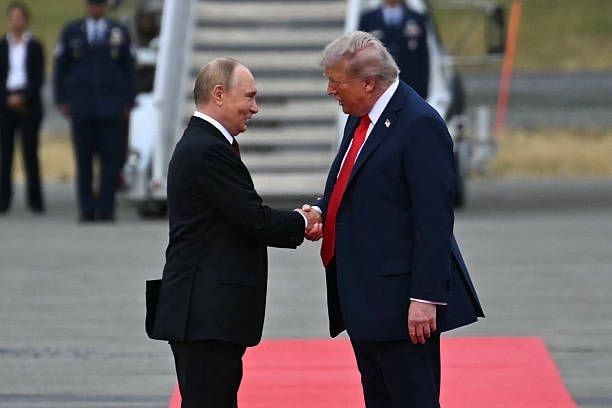
The meeting between Zelensky and Putin, if it occurs, could signal a breakthrough in stalled diplomatic efforts to end Russia's full-scale invasion.
The last and only face-to-face meeting between Zelensky and Putin occurred in December 2019 in Paris under the Normandy Format. Since Russia's full-scale invasion in February 2022, there have been no direct meetings between the two.
Russian authorities have listed maximalist demands in previous ceasefire negotiations brokered by the U.S.
Brazilian President Lula da Silva has said he will ask Putin to go to Turkey for peace talks with Zelensky.