Russia to import gasoline from Asia as nearly 40% of refining capacity shuts down, media reports
 on Google

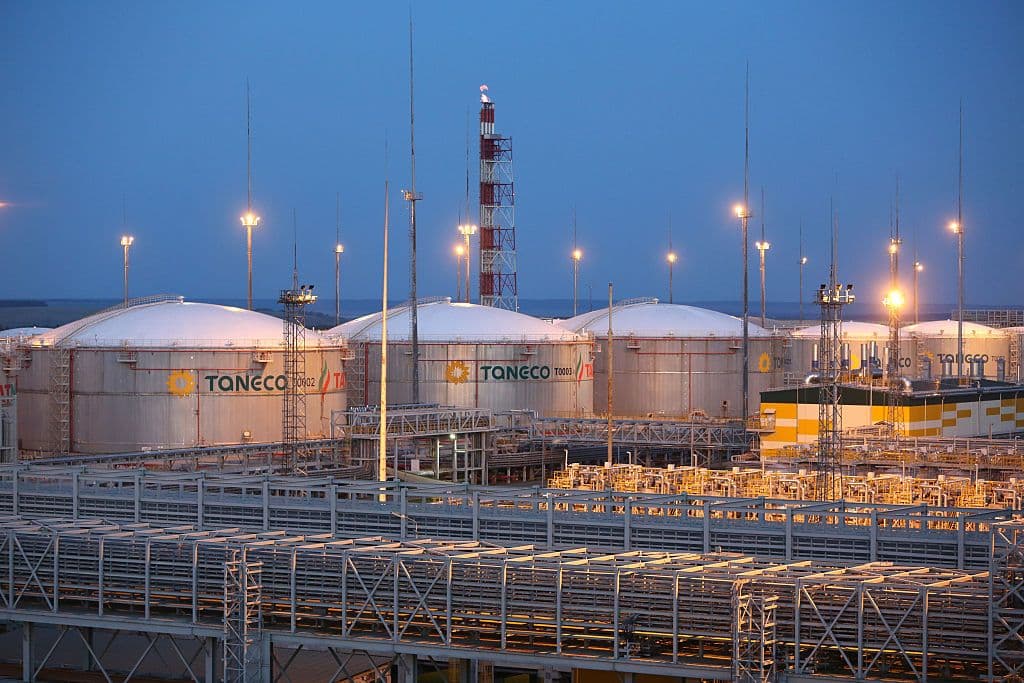
Russia is preparing to import gasoline from China and other Asian countries to offset a growing domestic fuel shortage, following the shutdown of nearly 40% of its oil refining capacity, the pro-government outlet Kommersant reported on Oct. 1.
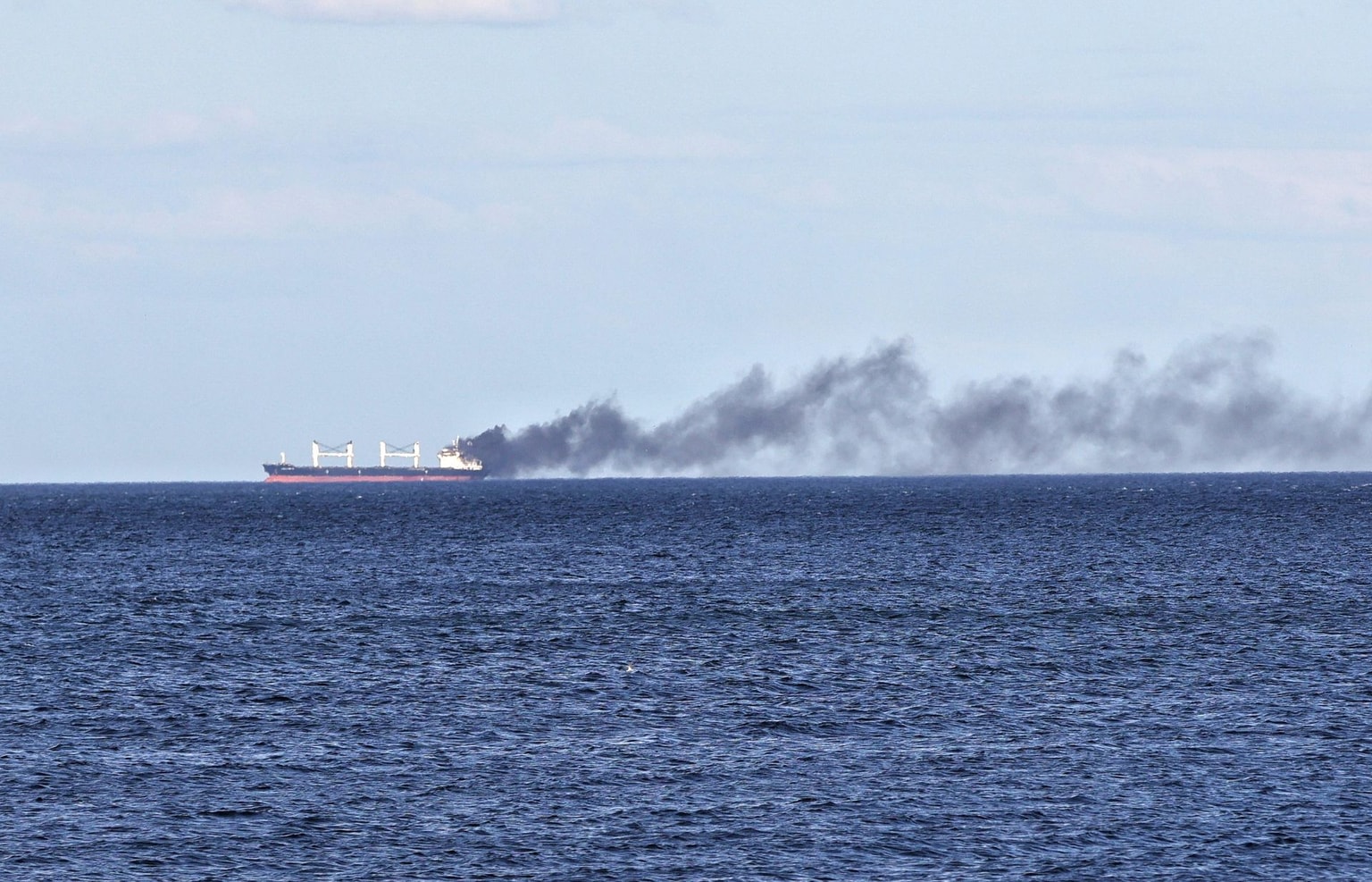
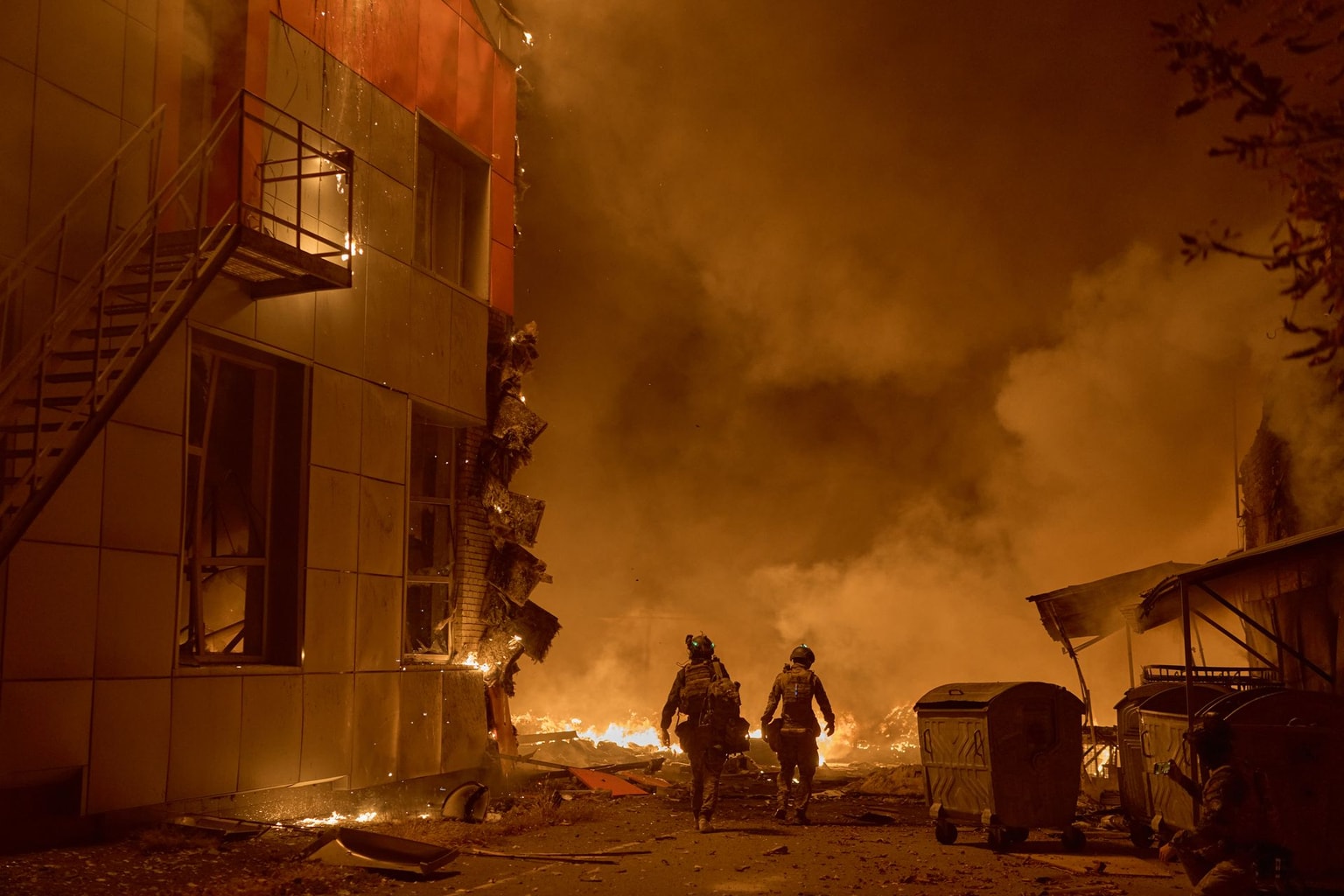
The move comes amid a series of Ukrainian drone and missile strikes that have severely disrupted operations at Russian refineries, a key component of the Kremlin’s wartime economy. Some facilities have been forced to halt production indefinitely.
According to the outlet, Russia is considering importing fuel from China, South Korea, and Singapore to stabilize its domestic market.
To facilitate imports, the Russian government reportedly plans to lift import duties on fuel entering through select checkpoints in the Far East. The state will also subsidize importers by covering the gap between global market prices and lower domestic fuel prices, utilizing funds from the federal budget.
Rosneft, Independent Oil and Gas Company (NNK), and the state-owned Promsyrieimport will be able to supply gasoline from Asia, enabling the shipment of approximately 150,000 tons of gasoline per month to central Russia from Siberian oil refineries.
Moscow also reportedly plans to boost gasoline imports from Belarus and lift a ban on monomethylaniline, an octane-boosting additive used to increase fuel production at refineries. The chemical has been banned in Russia since 2016 due to its toxicity and potential cancer risks.
In a written appeal to Russian Prime Minister Mikhail Mishustin, Deputy Prime Minister Alexander Novak warned that the risk of further deterioration in Russia’s domestic fuel supply remains, despite the government’s planned interventions, Kommersant reported, citing the document.
Ukrainian strikes have targeted at least 16 of Russia's 38 oil refineries since August 2025, according to the Financial Times, pushing Russian diesel exports down to their lowest level since 2020.
Ukraine has urged Western allies to impose additional sanctions on Russian energy, arguing that cutting Moscow's oil revenues would weaken its ability to finance the war.
U.S. President Donald Trump has repeatedly pressed the EU to halt Russian energy imports, saying that tougher U.S. measures depend on Europe reducing its reliance on Moscow.