Russia deploys additional electronic warfare systems near Estonian border
 on Google

Russia has moved additional electronic warfare equipment close to its border with Estonia, Estonian Interior Minister Igor Taro said on July 24, according to Bloomberg.
The systems, deployed near the Russian town of Kingisepp — roughly 20 kilometers (around 12 miles) from Estonia's eastern border — are designed to jam communications, disrupt radar systems, and assert control over the electromagnetic spectrum.
Taro said Estonia's internal security agency has contacted the Russian military about the deployment.
Moscow has long been accused of GPS signal interference in the Baltic region, but 2024 has seen a sharp increase in such incidents, particularly over the Baltic Sea. Finland, Poland, and NATO officials have all raised concerns over intensified Russian jamming activity.
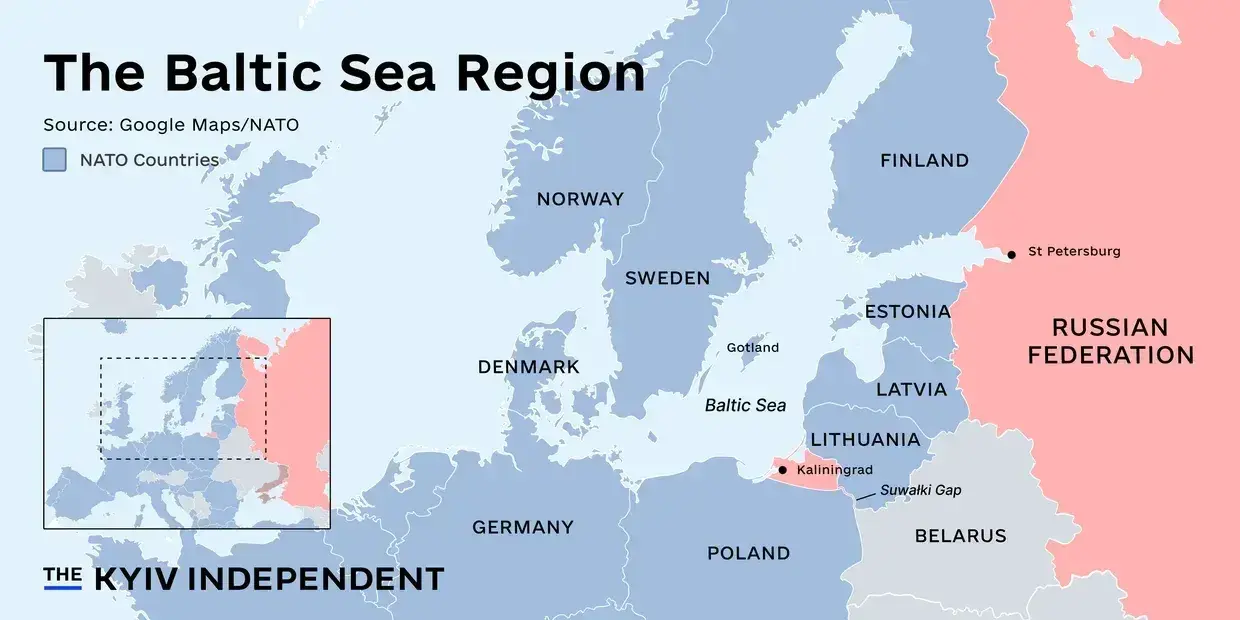
Estonia, a NATO member bordering Russia, has grown increasingly alarmed over Russia's military posture. President Volodymyr Zelensky has repeatedly warned that unchecked Russian aggression in Ukraine could eventually spill into NATO territory.
On July 14, Kremlin spokesperson Dmitry Peskov accused European coastal states of pursuing "aggressive policies" and said Russia would "firmly defend" its interests in the region.
His comments followed Estonia's live-fire test of U.S.-supplied HIMARS systems over the Baltic Sea earlier this month, which Moscow saw as provocative.
Western intelligence agencies have warned that Russia could pose a direct military threat to NATO allies within the next five years.