Hungary's Magyar secures frozen EU money, Ukraine issues remain stuck
 on Google
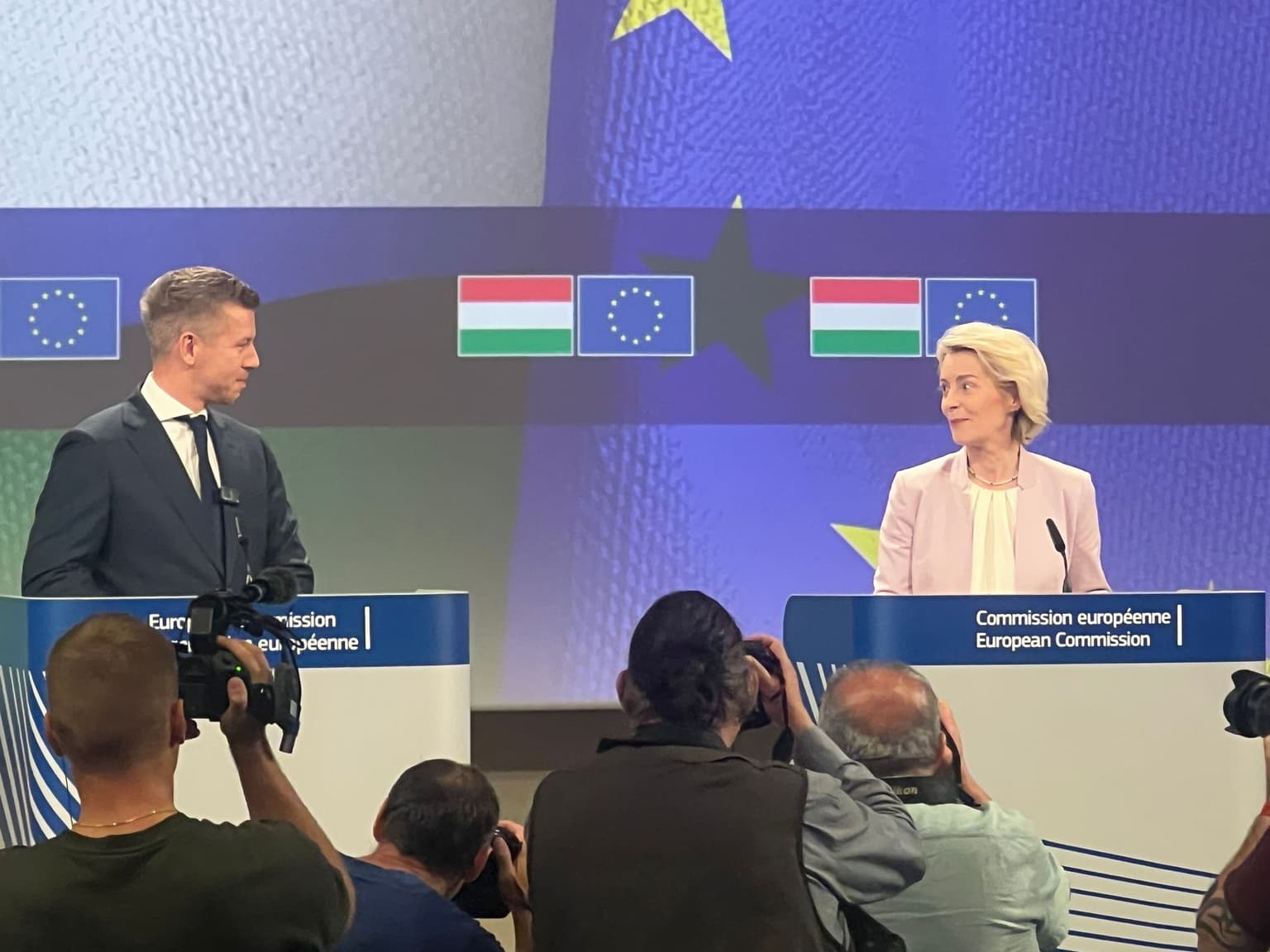
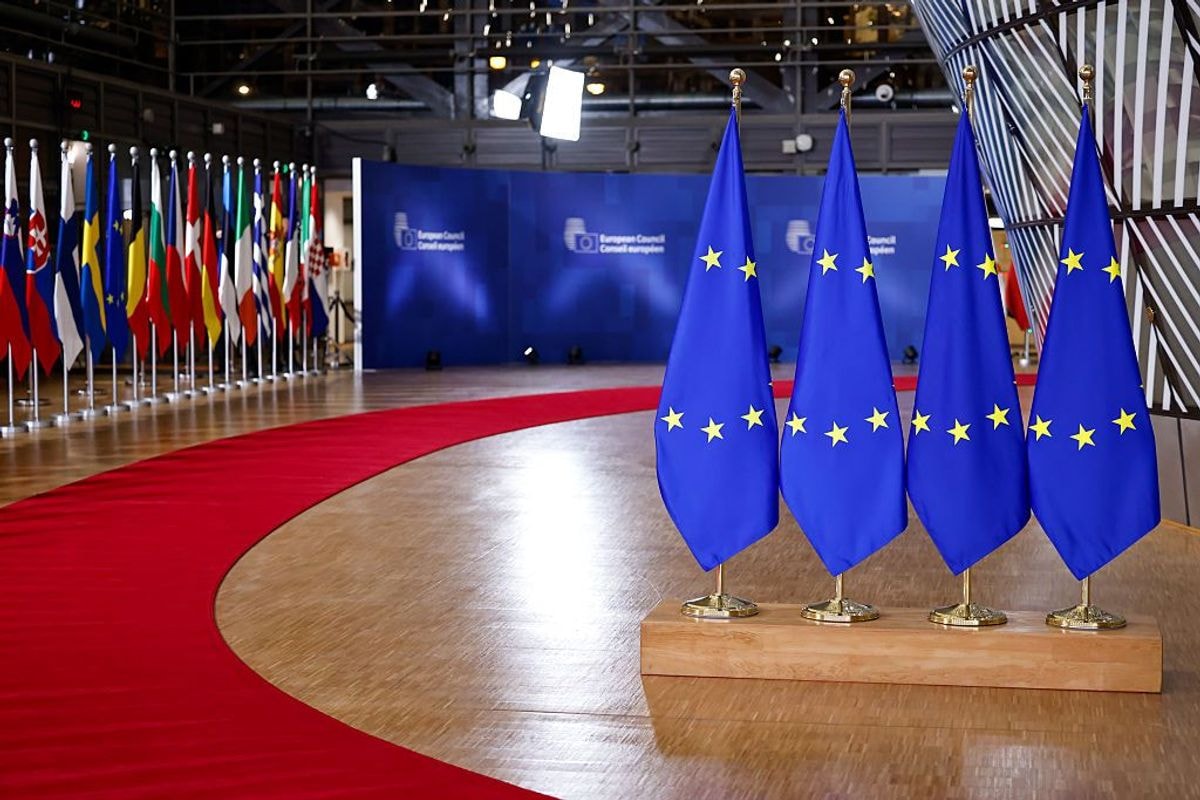
Hungary is set to receive 16.4 billion euros ($19 billion) in funds that had been frozen by the EU over rule of law concerns, following a meeting with European Commission President Ursula von der Leyen in Brussels on May 29.
The meeting with von der Leyen was also expected to touch upon several issues linked to Ukraine, including advancing Kyiv's EU membership negotiations, resolving the issue of the Hungarian minority's rights in Ukraine, and undoing a new illegal ban on Ukrainian agricultural produce.
"We have been discussing many topics, among them accession of candidate countries," von der Leyen told journalists at a press conference in Brussels.
But she and Magyar both said there was "absolutely no link" between the unfreezing of funds, and Ukraine's EU accession process.
Von der Leyen said "subject to the reforms being implemented (by Magyar's government), I am very happy to announce today that we can unblock 10 billion euros ($11.6 billion) for Hungary."
She mentioned a further 6.4 billion euros ($7.4 billion) of funding would be unlocked, meaning Hungary is now to have all of its frozen funds unlocked.
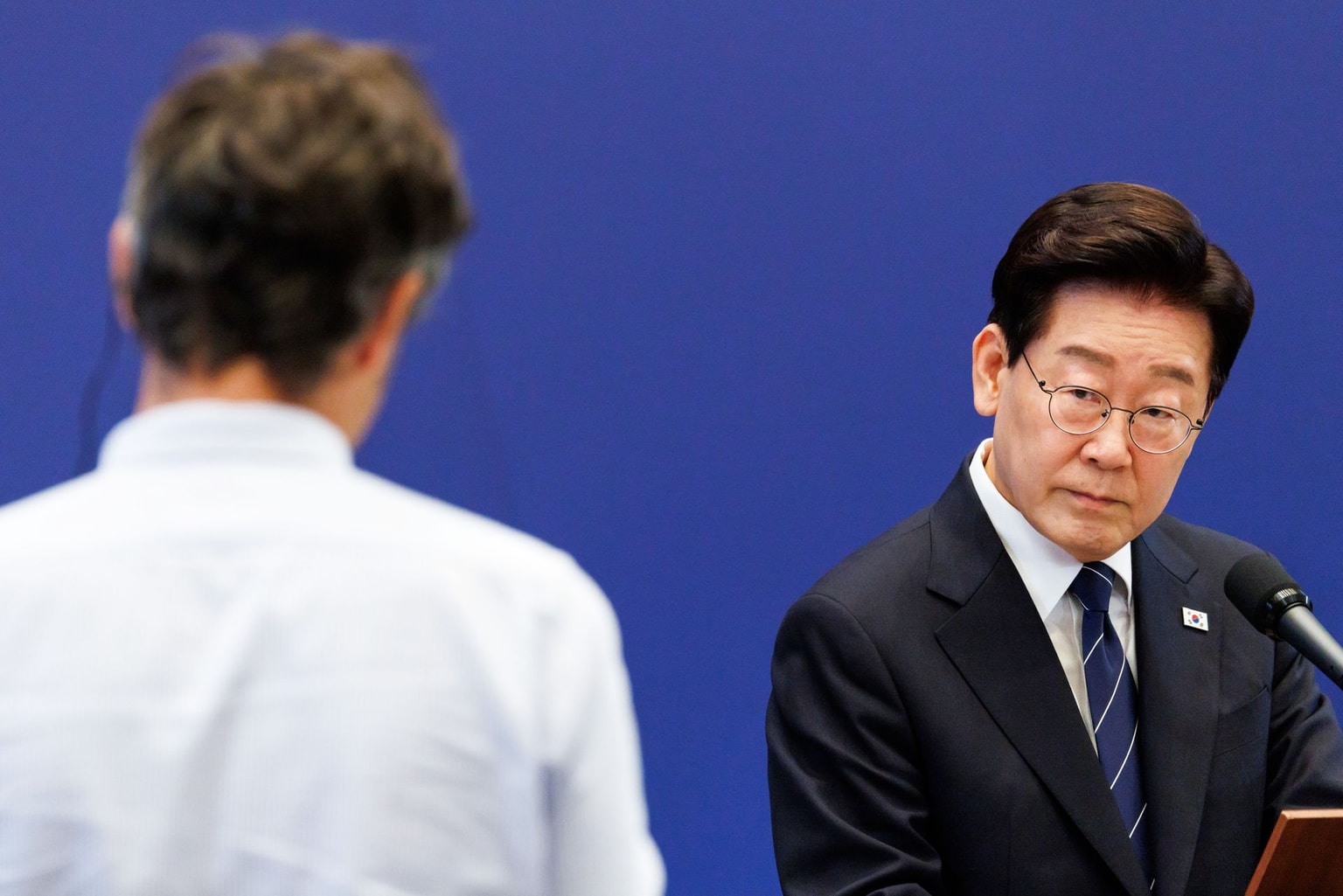
"If I return every time with this amount of money, I might come back more often," Magyar quipped during the press conference.
The EU is expected to open the next part of Kyiv's membership process on or just after June 16, but that depends on Hungary choosing to lift its veto.
Talks are ongoing between Ukraine and Hungary to try to resolve the minority rights issue, with Ukrainian broadcaster Suspilne reporting that nine of Hungary's 11 demands have been successfully negotiated.
Only once agreement is reached on that, will Magyar lift his objection to taking the next EU accession step with Ukraine, namely to open the first of six so-called enlargement "clusters."
Magyar also said a meeting with President Volodymyr Zelensky will not take place until agreement on minorities is reached.
Von der Leyen said, "I want to re-emphasize here this (EU accession) is a merit-based process … Ukraine and Moldova have met all the conditions necessary to open the first cluster."
"There is no reason to delay the process," she added.