Russia accuses US of anti-Russian shift, says bilateral dialogue has stalled
 on Google
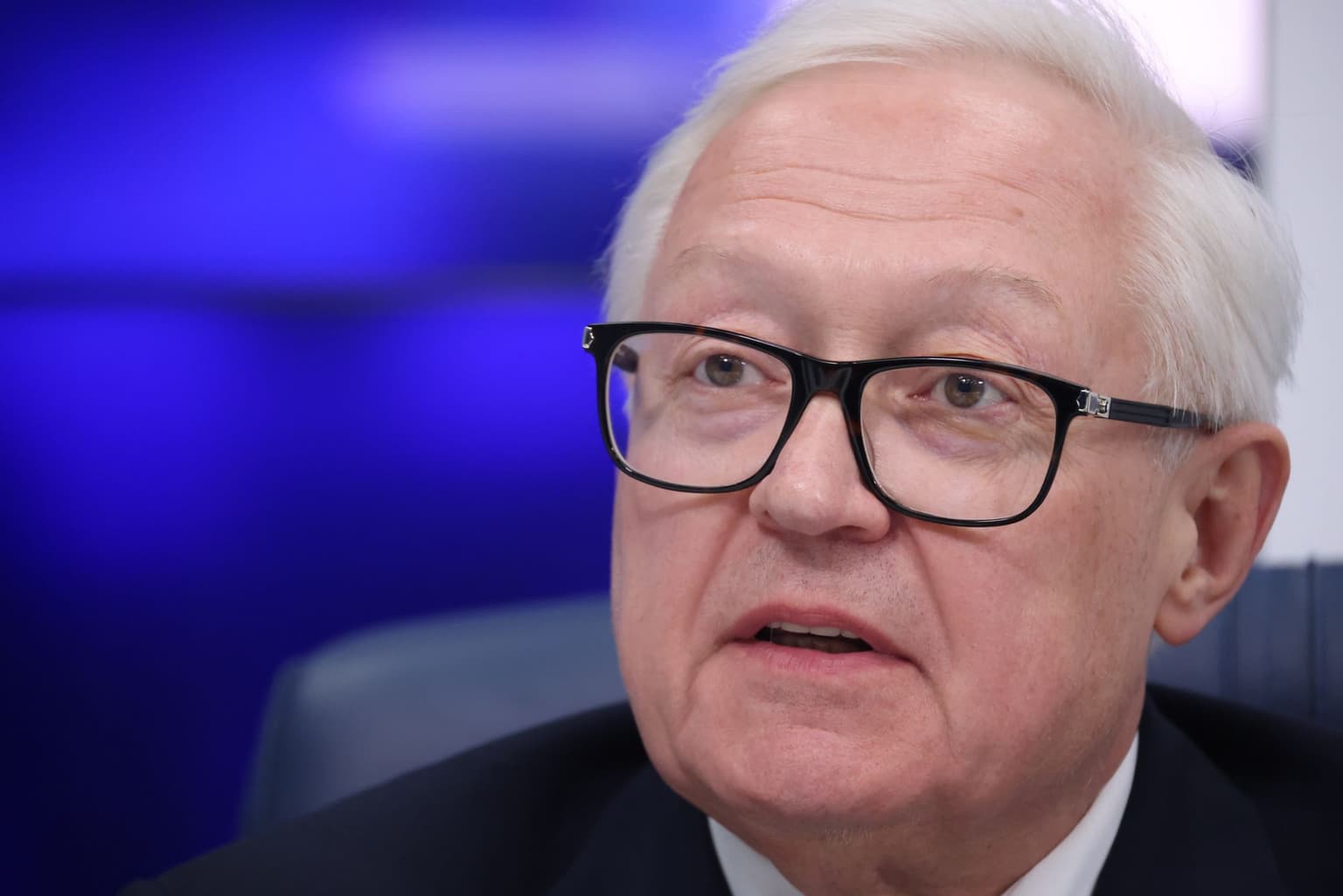
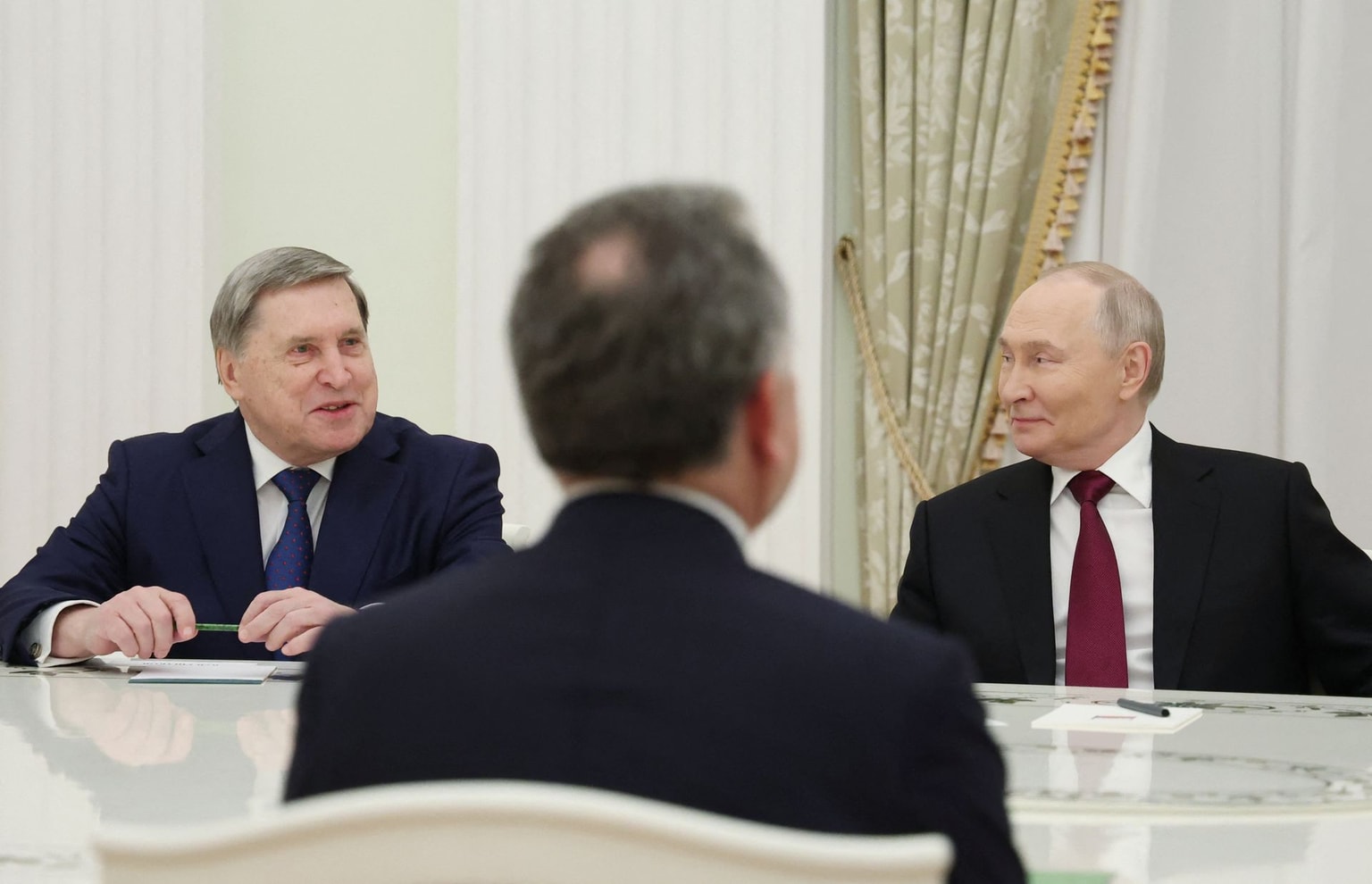
Russia's dialogue with the United States on resolving bilateral disputes has effectively stalled, Russian Deputy Foreign Minister Sergei Ryabkov said on June 23, signaling growing frustration in Moscow over Washington's position on Ukraine.
Ryabkov accused the United States of moving away from what he described as the "fundamental understandings" reached between Russian President Vladimir Putin and U.S. President Donald Trump during their meeting in Alaska.
"We see Washington's line moving closer to the most rabid anti-Russian policies pursued by the U.S.'s European allies — namely, the U.K. and France," Ryabkov told pro-state outlet Izvestia.
The comments come as U.S.-mediated efforts to end Russia's full-scale war against Ukraine remain effectively frozen. Negotiations have largely stalled since February, with officials on all sides linking the slowdown to Washington's focus on its military campaign against Iran.
Kyiv has intensified efforts to secure a direct meeting between President Volodymyr Zelensky and Putin. The proposal has received support from Trump but continues to be avoided by the Kremlin.
Ukraine now believes it has secured White House backing for a broader strategy aimed at forcing Russia into meaningful negotiations, the Kyiv Independent has learned.
"The Trump administration is increasingly tying any potential progress on the path to de-escalation to achievement on resolving (the war in Ukraine) that is acceptable to Washington," Ryabkov said.
"This is a departure from where the Trump administration started its dialogue with us."
The remarks suggest growing concern in Moscow that the United States is becoming less willing to separate broader U.S.-Russia relations from negotiations over Ukraine.
Despite Ryabkov's criticism, Russian Foreign Minister Sergei Lavrov struck a more conciliatory tone on June 23, saying Moscow remains ready to hold peace talks with Ukraine at any time.
The statement contrasted with comments Lavrov made only weeks earlier, when he suggested that developments on the battlefield — rather than diplomacy — would determine the course of the war.