Polish Deputy PM says Starlink station fire possibly Russian sabotage
 on Google
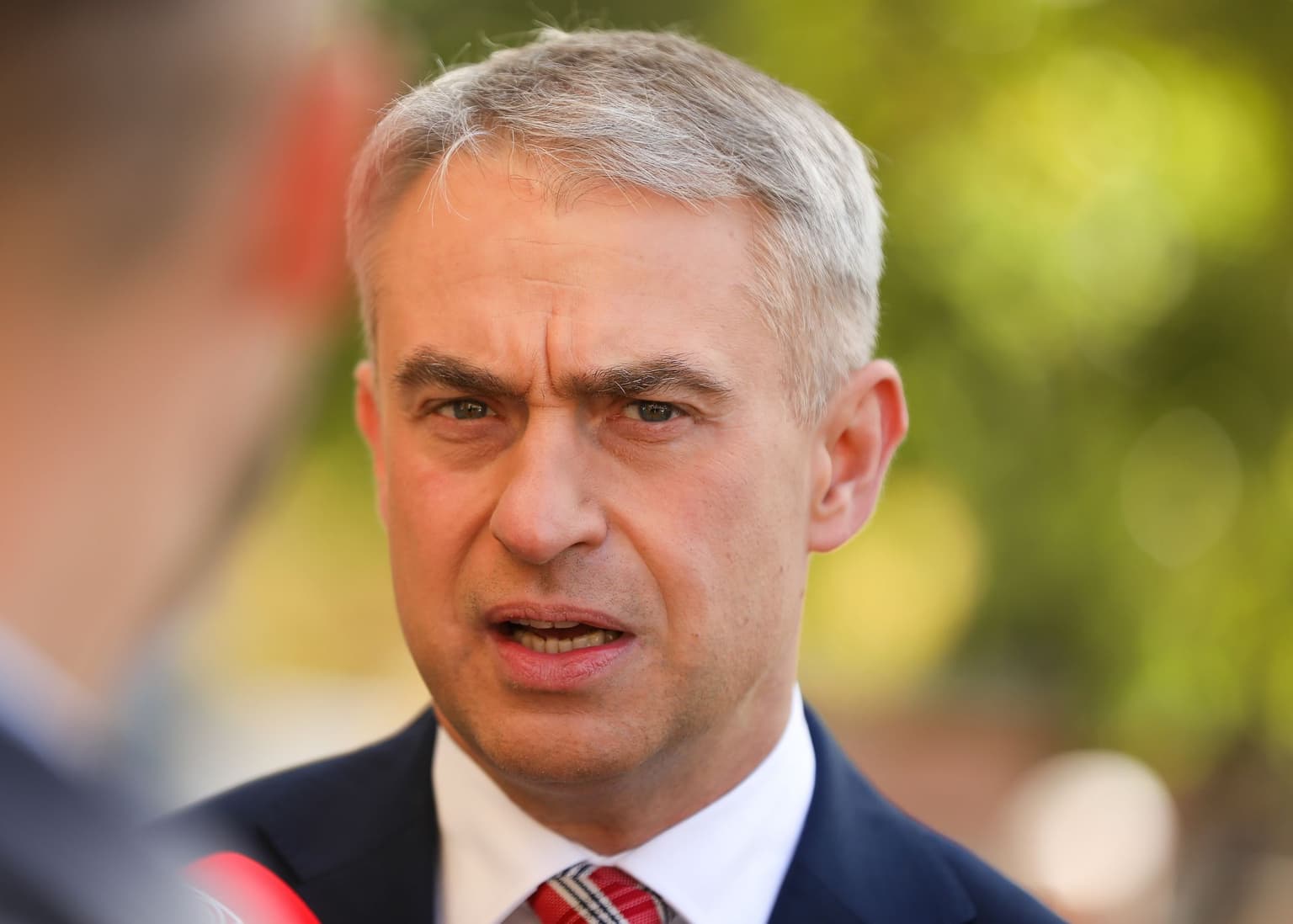
A fire at a Starlink ground station in Poland may have been a deliberate attempt to disrupt internet access used by Ukrainian forces at the front, Polish Deputy Prime Minister and Digital Affairs Minister Krzysztof Gawkowski told reporters on Sept. 24.
Gawkowski said there were indications that the fire at the station in Wola Krobowska, in Poland's Masovian Voivodeship, on the evening of Sept. 23, may have been an attempt to disrupt its operations.
The station is operated by the state-owned telecommunications company Exatel and serves as an internet hub that carries traffic through Poland, including to Ukraine, Gawkowski said.
He suggested Russia could be behind the incident, describing it as potentially part of Moscow's hybrid warfare. Polish authorities have not concluded their investigation into the incident.
He said a disruption could affect internet access for the Ukrainian military, potentially depriving Ukrainian forces of communications at the front.
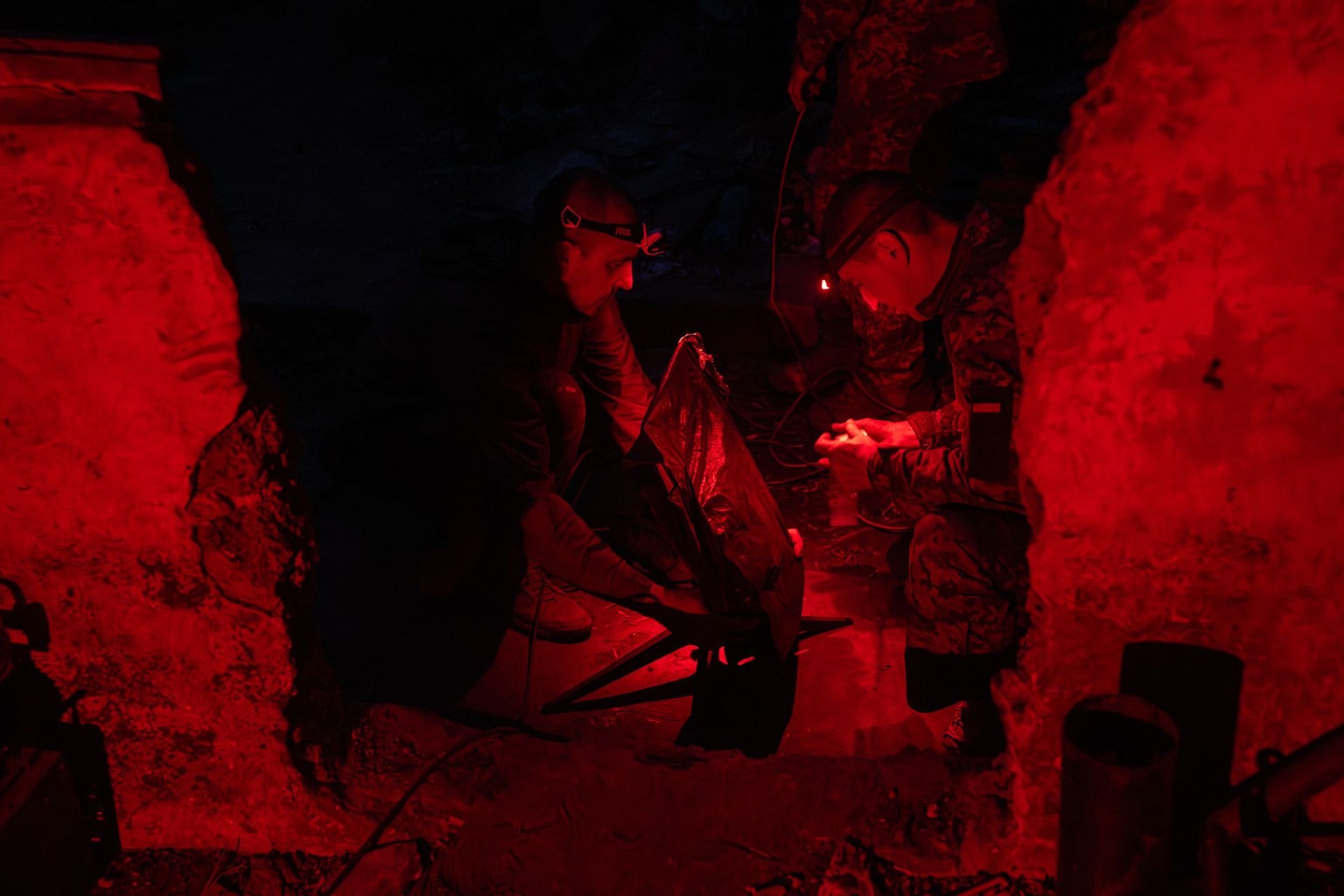
On top of allowing flawless high-speed communications between combat positions and command posts, Starlink internet, when mounted on drones, allows for an almost unjammable connection not constrained by the limits of traditional radio antennas.
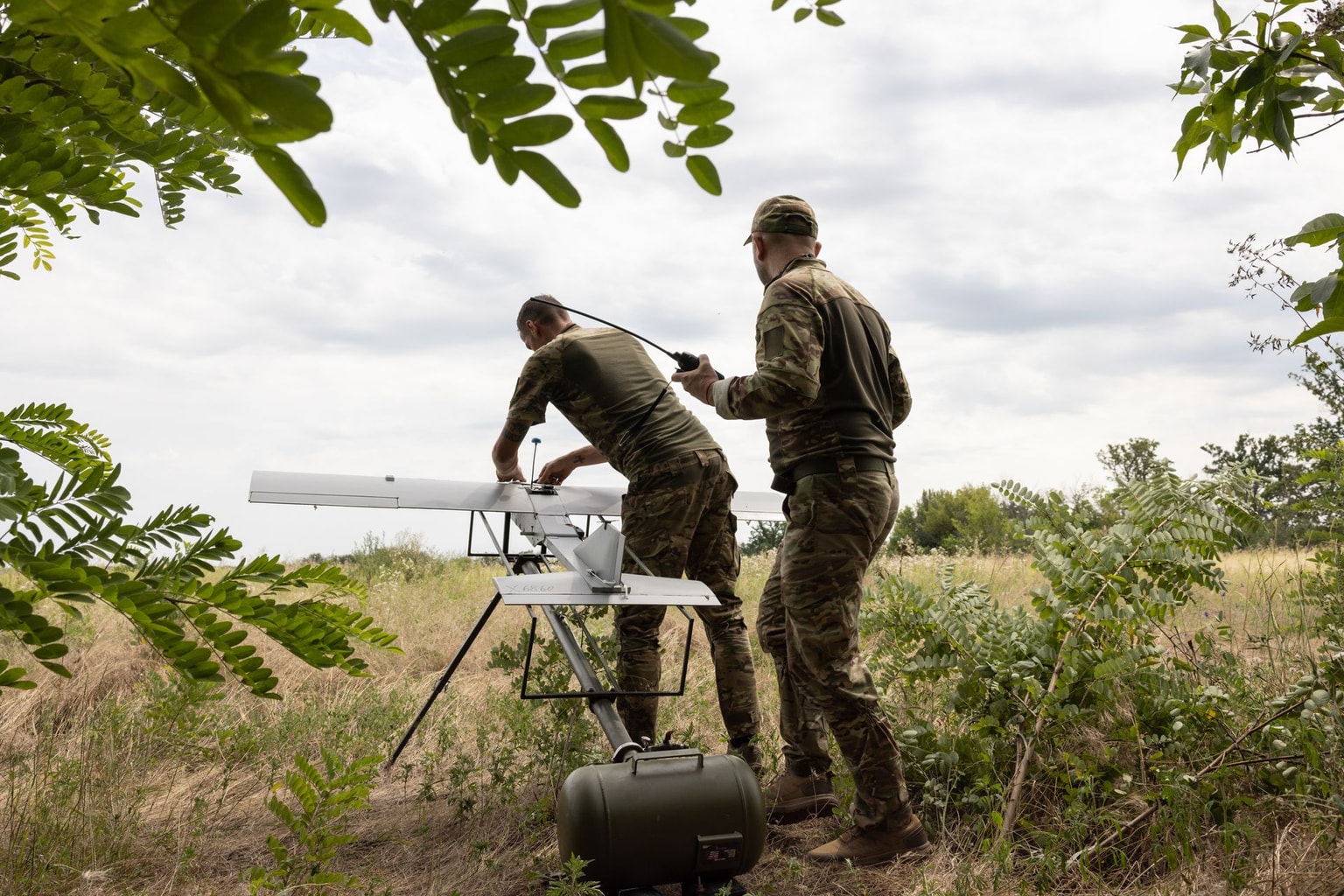
Over 2026, Ukrainian forces have found increasing success using Starlink-enabled drones over Russian-occupied territory, most notably in the "middle-strike" range (50-200 kilometers from the front line), where Russian logistics routes have been devastated by Ukrainian attacks.
Polish Prime Minister Donald Tusk separately said on Sept. 24 that the circumstances of the fire "do not look good," while cautioning that it was too early to determine whether the incident was sabotage or an accident, Polish news agency PAP reported.
The Starlink incident came as Poland temporarily evacuated border crossings with Ukraine on Sept. 24 during a Russian attack near the Polish border.
Tusk said Poland evacuated the border crossings in Hrubieszow and Dorohusk as Russia attacked Ukraine near the Polish border, PAP reported. The crossings were later reopened.
Polish border guards said the crossings in Dorohusk and nearby Zosin were evacuated twice on Sept. 24. The first evacuation began at around 3 a.m., while a second evacuation took place around 11:30 a.m. and lasted about 30 minutes, Polish broadcaster TVP reported.
Poland's Government Security Center also issued alerts for residents in the Lublin and Podkarpackie regions amid the Russian attacks.
"The escalation of actions of the Russian Federation is becoming a fact, and its examples are getting closer and closer to our borders," Tusk said in a briefing with defense officials. "What can be expected is that the next weeks and months will be a period of very intensive actions from the Russian side. Unfortunately, we cannot rule out that this escalation will also concern our territory."
Russia launched drones overnight at western Ukraine on Sept. 12, striking a gas station near the Yahodyn-Dorohusk border crossing and a Kyiv-Warsaw passenger train just 2 kilometers (1.2 miles) from the Polish border.
Poland's deputy permanent representative to the U.N., Michal Miarka, said on Aug. 24 that Russian aggression in Ukraine poses a serious threat to neighboring states, as evident in recent airspace violations of the Polish, Romanian, and Latvian airspace.
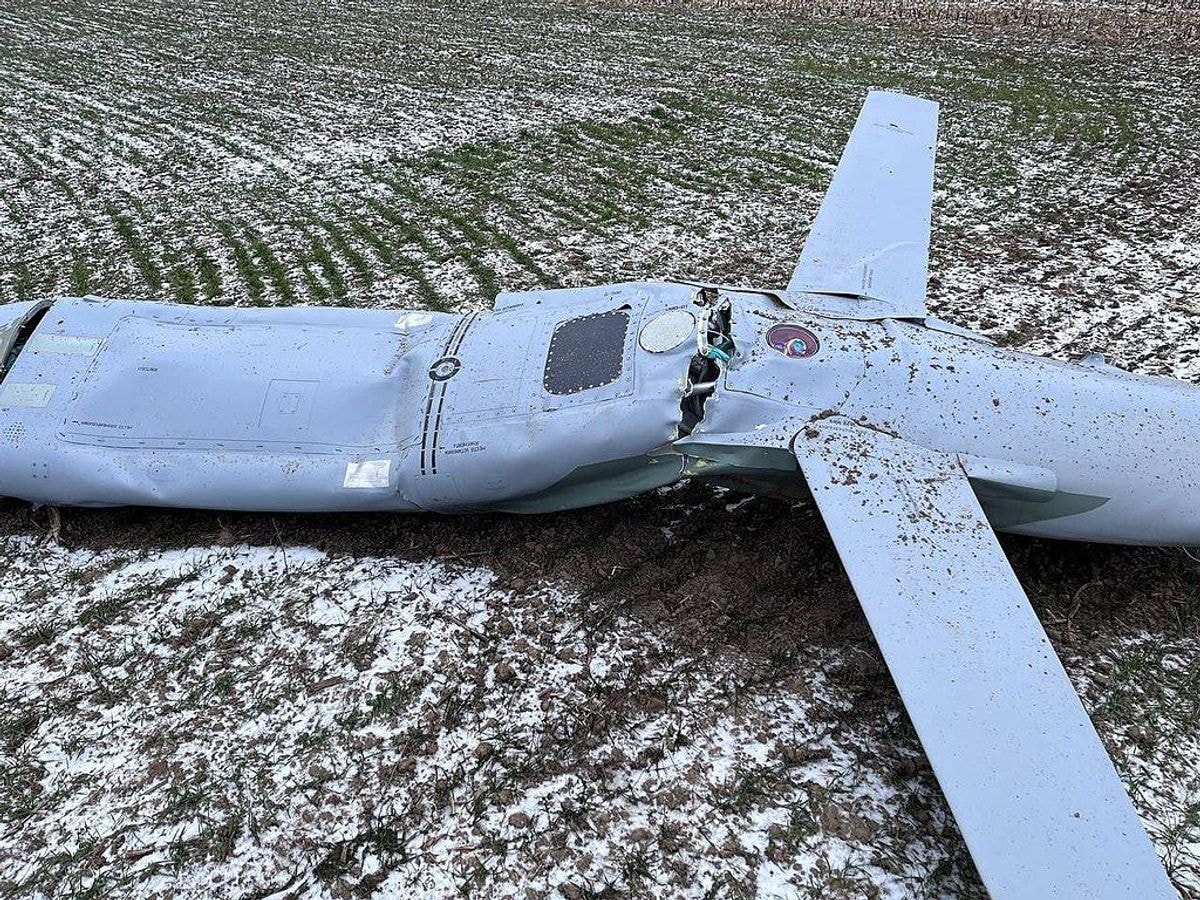
The diplomat pointed to a Russian cruise missile crashing in Poland's Lublin province after traveling about 90 kilometers (55 miles) into Polish territory during a mass strike against Ukraine on July 30.
Countries in Ukraine's neighborhood have increasingly felt the impact of the war as Russian drones and missiles have repeatedly entered Romanian, Moldovan, and Polish territory.