Poland to close border for Russian, Belarusian trucks
 on Google
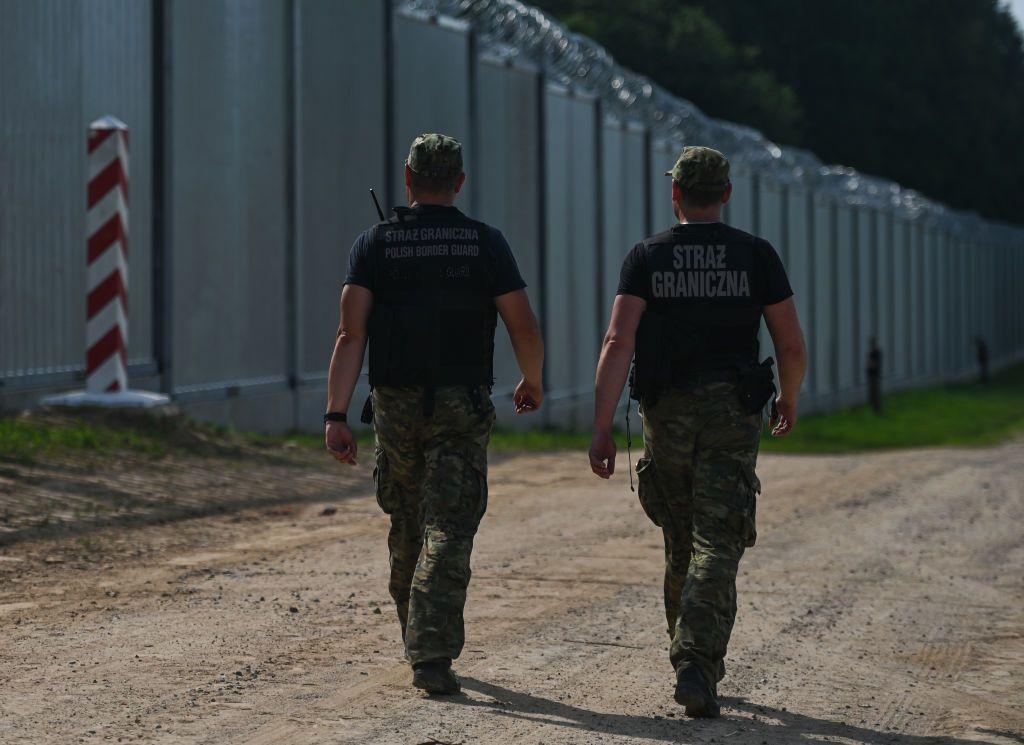
Polish Interior Minister Mariusz Kaminski signed an order on May 29 suspending freight traffic for Russian and Belarusian vehicles across the border with Belarus, as reported by Polish news agency PAP.
The restriction applies to trucks, tractor-trailers, trailers, and semi-trailers registered in Belarus or Russia, PAP wrote. It will last from June 1 “until further notice.”
Earlier the same day, Kaminski announced adding 365 Belarusian citizens to the sanctions list, including 159 parliament members. They will be prohibited from entering Poland and other Schengen zone countries as well as subjected to assets freeze.
“Other members of parliament have already been placed on the Polish sanctions list. Thus, the sanctions already apply to all members of the Belarusian parliament,” the Polish government’s press service wrote.
The move is Warsaw’s reaction to the recent imprisonment of Andrzej Poczobut, a journalist and activist of Polish origin.
On May 26, the Supreme Court of Belarus upheld an earlier decision to sentence Poczobut to eight years in prison on charges of “encouraging actions aimed at harming national security.”
Poland calls the charges against the activist false and politically motivated.