Norway, Finland call Putin ahead of potential Abu Dhabi peace talks
 on Google

Editor's note: The article was updated following Russia's read-out of the call, and to include reactions from Ukraine, Denmark, and the EU.
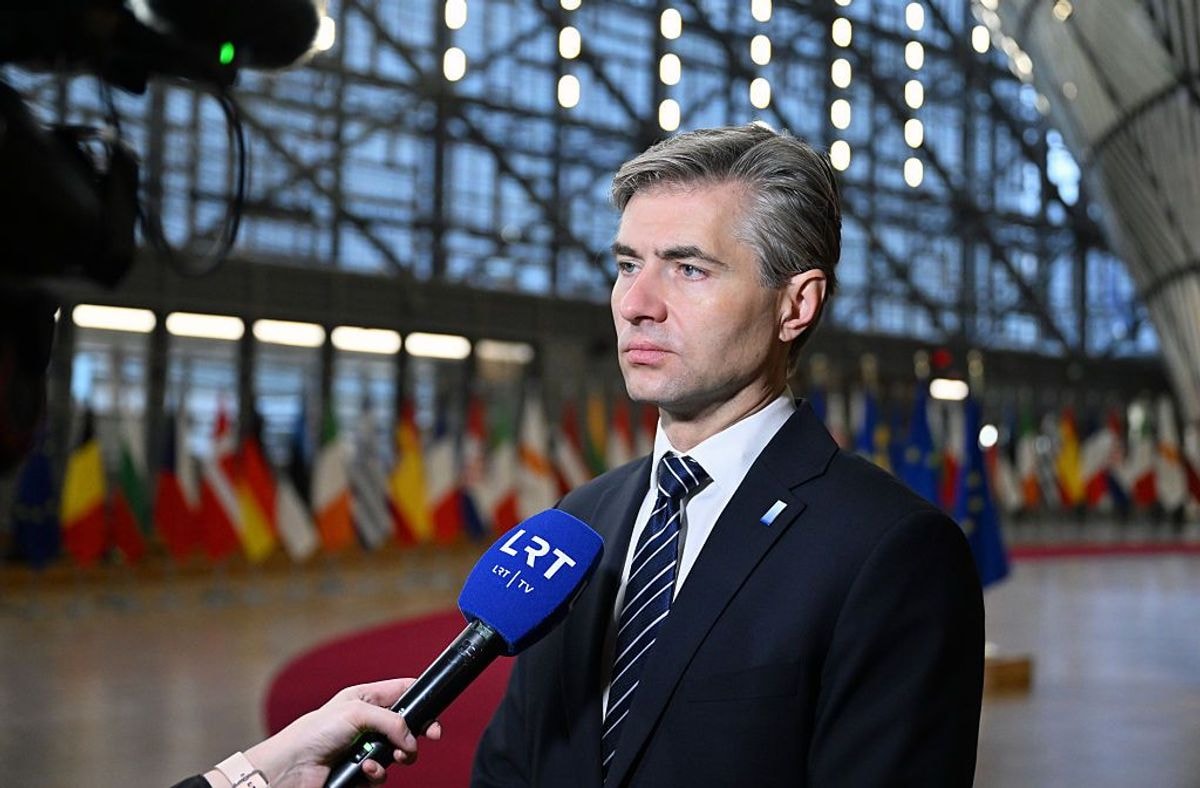
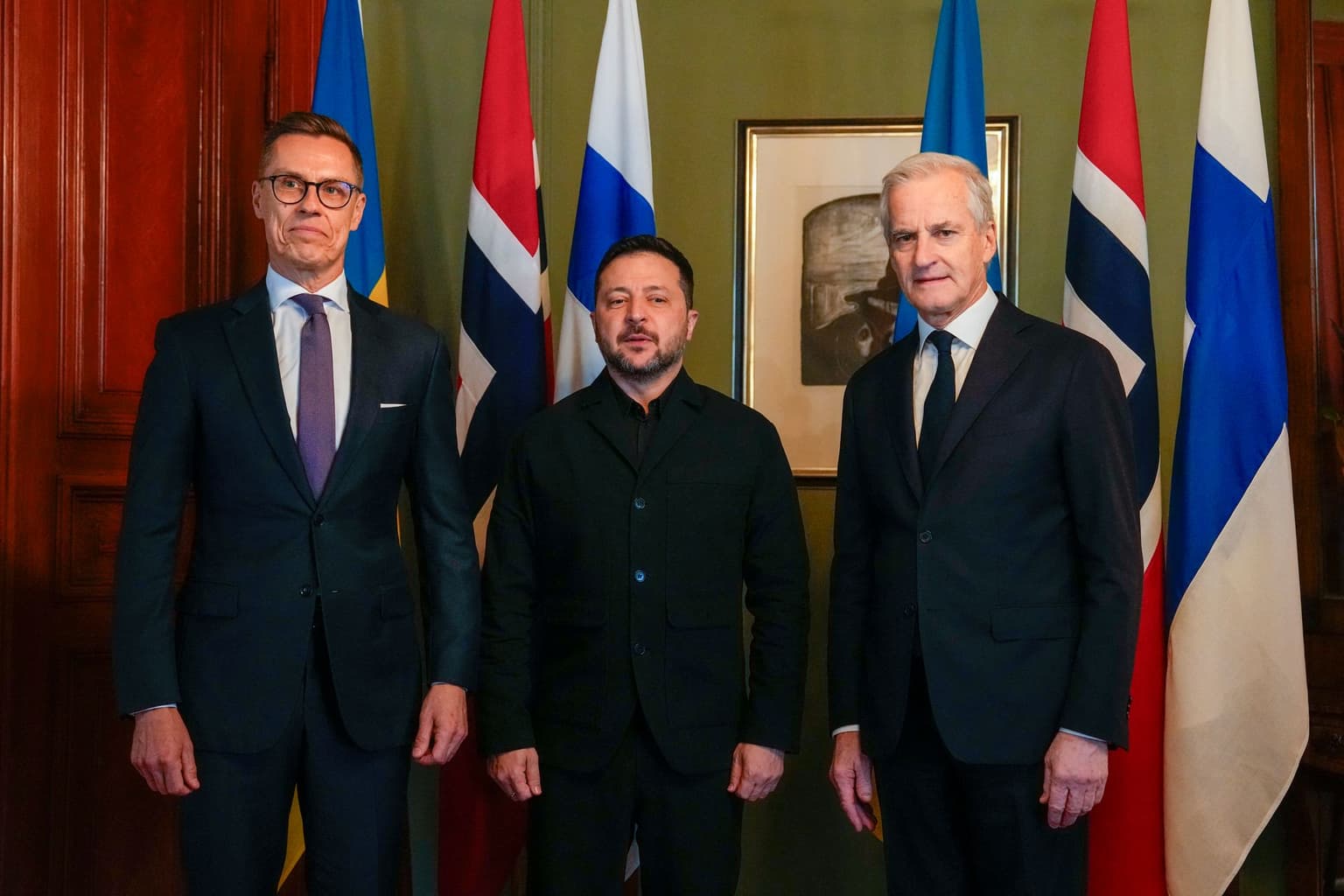
The leaders of Norway and Finland held a phone call with Russian President Vladimir Putin on Oct. 27, as part of a renewed push to bring Moscow's war in Ukraine to an end.
"Finland and Norway border Russia. They are firm supporters of Ukraine. The aim of the call was to convey messages directly regarding future negotiations to help to end the war to President Putin," reads a press statement published by the Norwegian and Finnish governments.
The two leaders' call with Putin follows an Oct. 20 meeting in Oslo with Ukrainian, European, and U.S. officials, but they stressed that in the Oct. 27 call, they "did not speak he behalf of Europe as a whole."
"The war comes with enormous human and material costs. The suffering and destruction will impact generations. In the call we stressed the importance of de-escalation," said Norwegian Prime Minister Jonas Gahr Store.
"The outcome of this war will have a direct impact on our and the broader European security. Ending the war requires direct discussions," said Finnish President Alexander Stubb.
The two leaders discussed the call with President Volodymyr Zelensky afterward, who said: "I am grateful for the detailed briefing and for their active support for our diplomacy and the peace efforts we are pursuing together with all our partners."
However, not all European leaders welcomed the news.
Danish Prime Minister Mette Frederiksen told the Danish news channel TV2 that she was "skeptical" of the call and that it had not been coordinated with others.
"I actually don't know what the two countries think can be achieved with this. I think we should stand together and speak with one voice," Frederiksen said.
Meanwhile a European Commission spokesperson reminded that "we have a shared interest in putting an end to this horrific war," in comments sent to the Kyiv Independent.
"On the EU side, we are adamantly committed not just to putting an end to the war but to achieve peace that will be just and sustainable. That is our aim and that is the stance we are defending in the ongoing talks," the spokesperson said.
The call also comes ahead of trilateral peace talks expected in the Emirati capital of Abu Dhabi sometime in November between Ukraine, Russia, and the U.S.
Though Europe is not expected to be at the table for the talks, it is engaging in multiple ways to support Ukraine ahead of any trilateral gathering, with specific countries and the EU itself participating in various talks.
A senior EU official told the Kyiv Independent to expect a round of talks in Europe before the expected Abu Dhabi meeting, after mixed messages from Kyiv had given the impression that there would be Brussels-based peace talks this week.
Finland and Norway rank among Ukraine's strongest supporters. Norway is the only non-EU country to have made a pledge to support Kyiv's 2027 financial needs.
And Finland has provided 35 different packages of financial support, and its tech companies ICEYE and Nokia recently announced a partnership with Ukraine to build out its own satellite communications system.
Russian state news agency TASS confirmed that the call had taken place and provided the Kremlin's main talking points.
Among those points, "The president of the Russian Federation and the leaders of Norway and Finland reaffirmed the importance of complying with international maritime law and the principle of freedom of navigation."
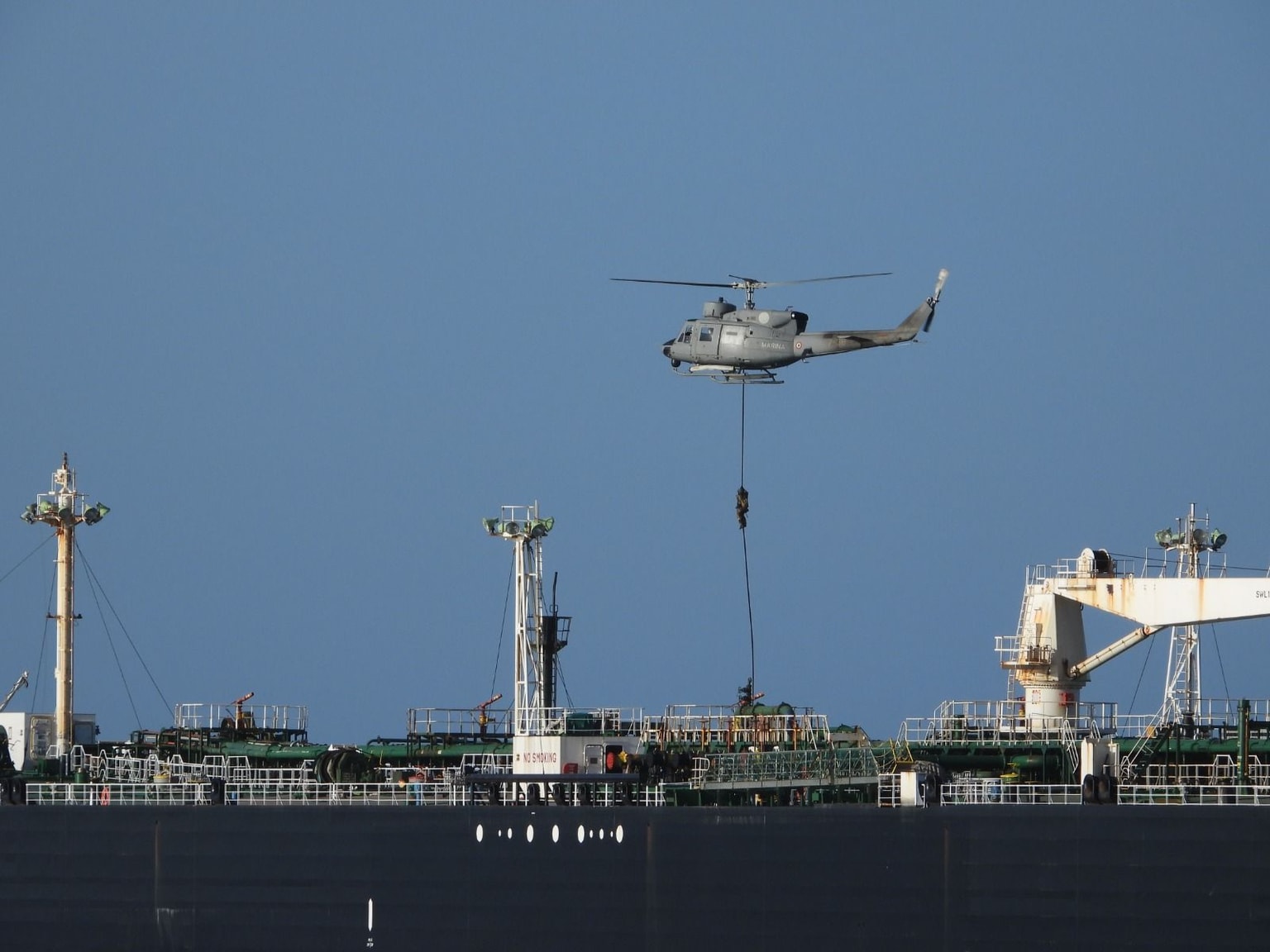
At the time of publication, at least five ships are believed to be carrying Russian diesel to the U.S.: the Maltese-flagged Agioi Fanendes, two further ships reported by the Financial Times, and two additional ships pointed out by Ukraine's sanctions chief, Vladyslav Vlasiuk.
Two of those five ships have been identified as sanctioned vessels belonging to Russia's shadow fleet — the Sierra Leone-flagged tanker Leruo and the Russian-flagged Primorye — which means European authorities are required to stop them if they enter their territorial waters.