Ukraine faces rising nuclear accident risk this winter, regulators warn
 on Google

Nuclear safety regulators from 38 countries warned on Nov. 16 that the risk of a nuclear accident in Ukraine is rising as Russian attacks threaten the country's power grid, calling on Russia to stop attacks on Ukrainian energy infrastructure in a joint statement.
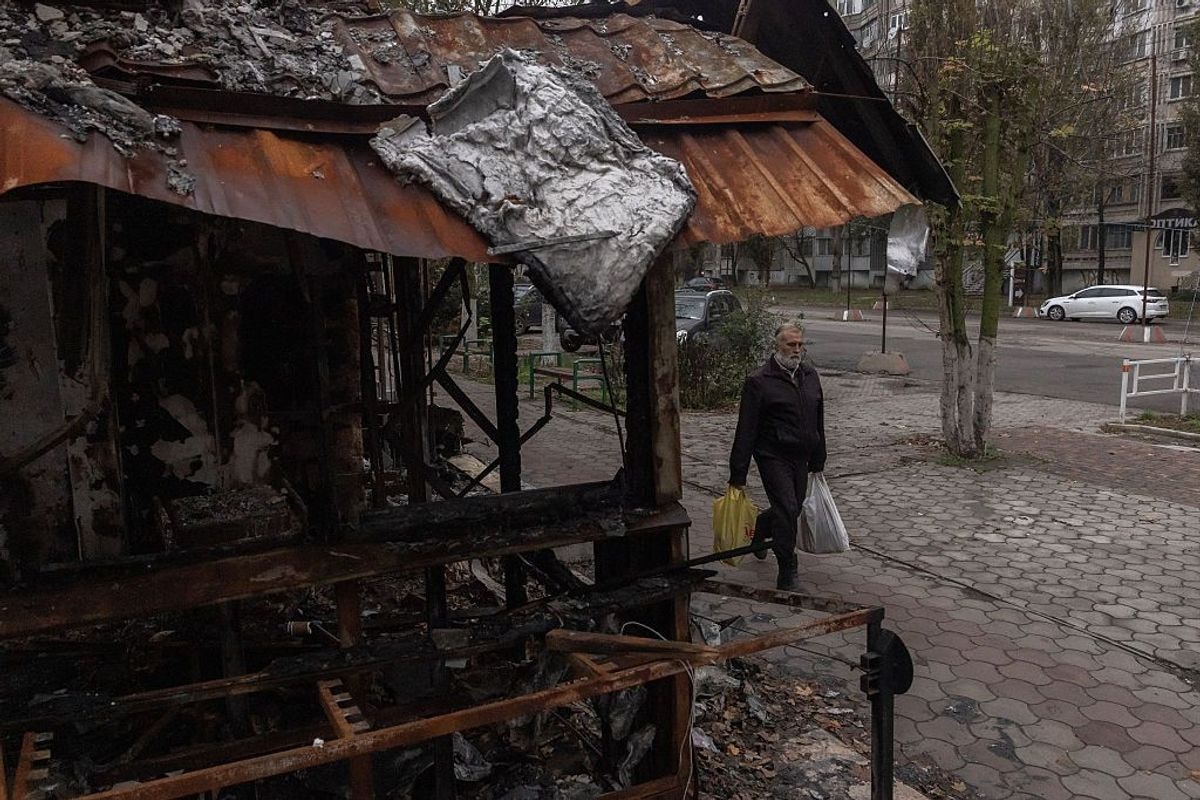
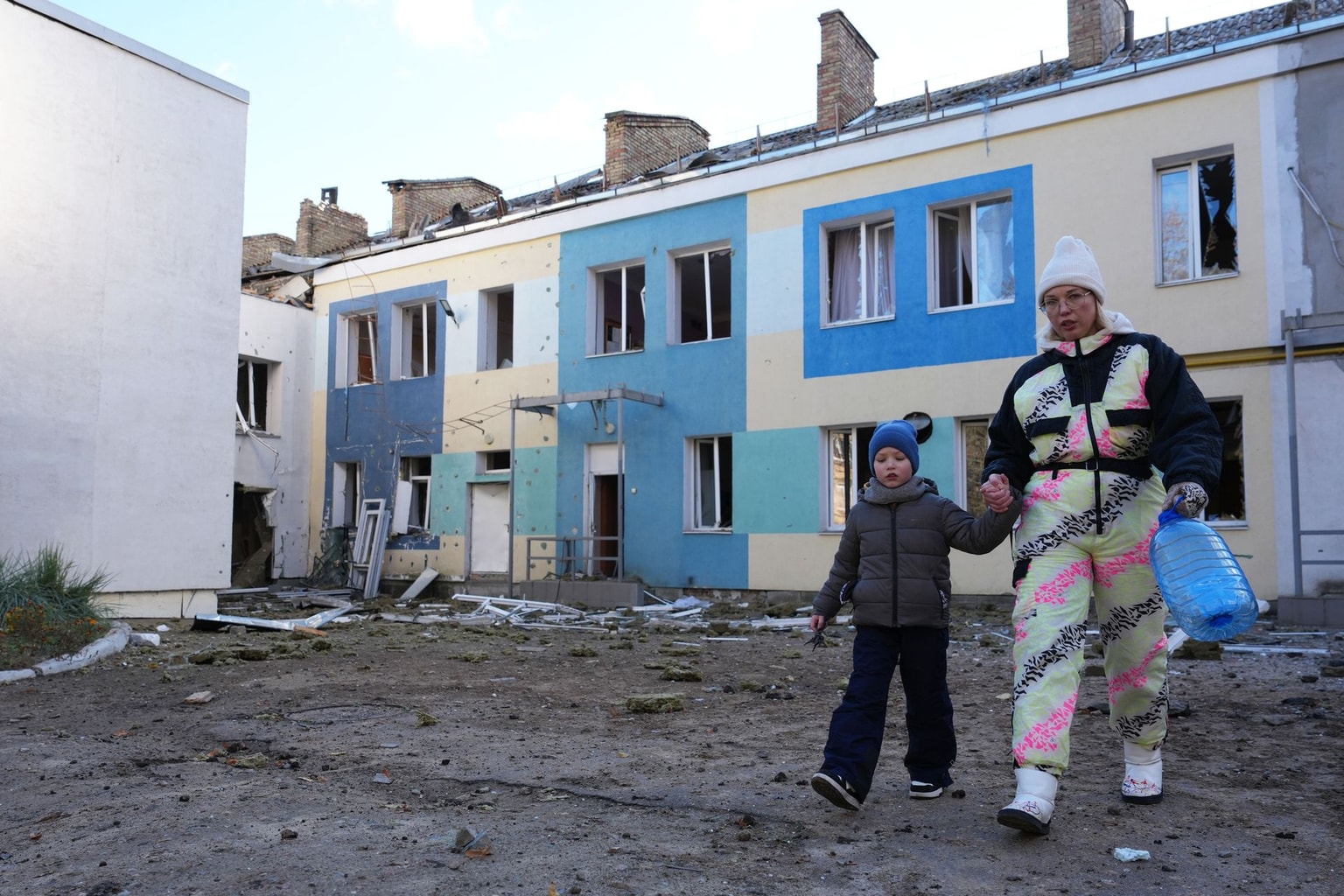
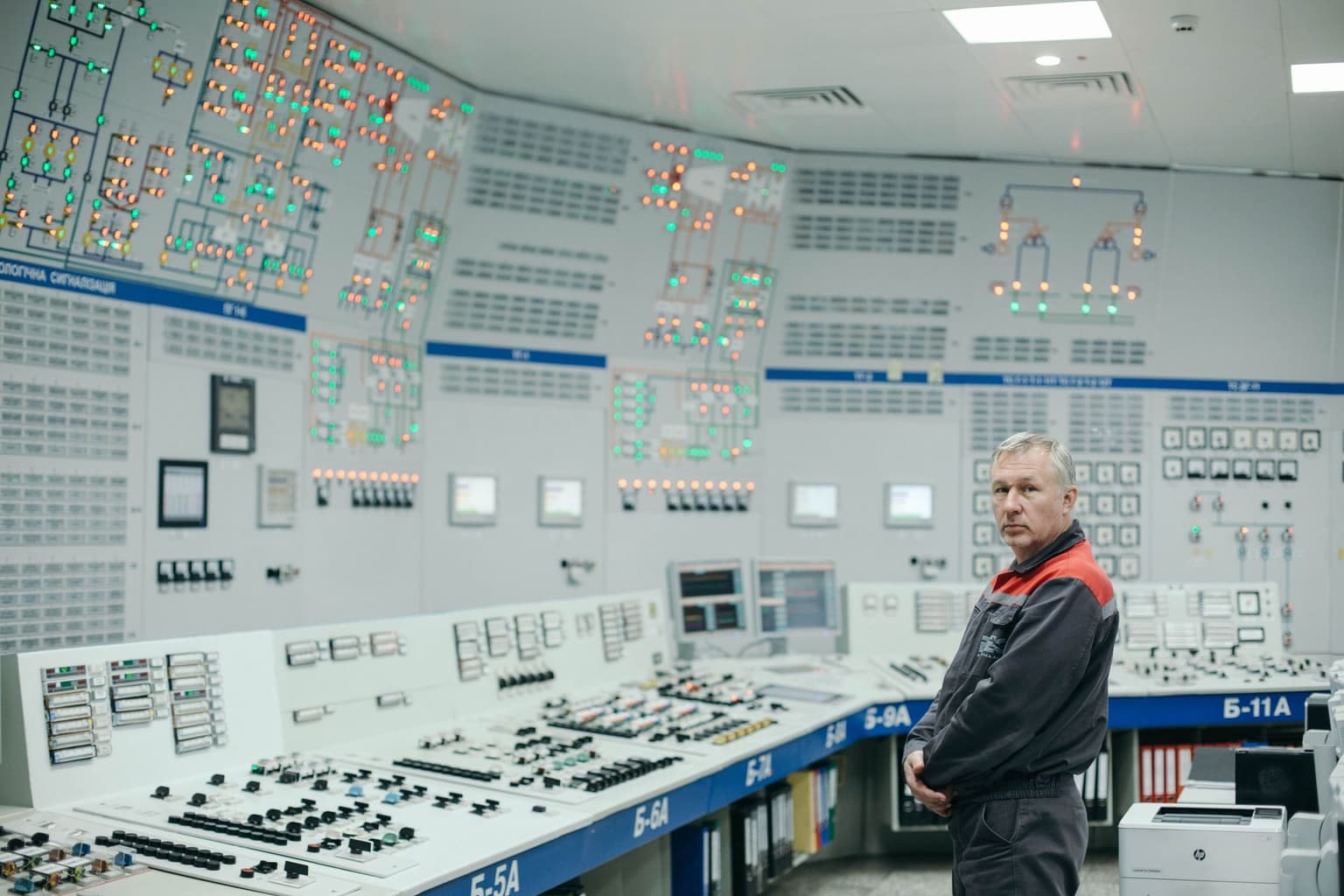
Ukraine is entering another winter with its power grid weakened by repeated Russian attacks. The country's three operating nuclear power plants — Rivne, Khmelnytskyi, and South Ukraine — depend on a stable electricity supply to keep cooling systems and other safety equipment running. Further damage to the grid could disrupt these systems and increase the risk of a nuclear accident.
The statement was issued by three international organizations: the Western European Nuclear Regulators Association (WENRA), the Heads of the European Radiological Protection Competent Authorities (HERCA), and the Heads of the Nordic Radiation Safety Authorities (NORA).
These organizations represent 38 countries, including all European Union member states, the U.S., the U.K., Canada, and Japan.
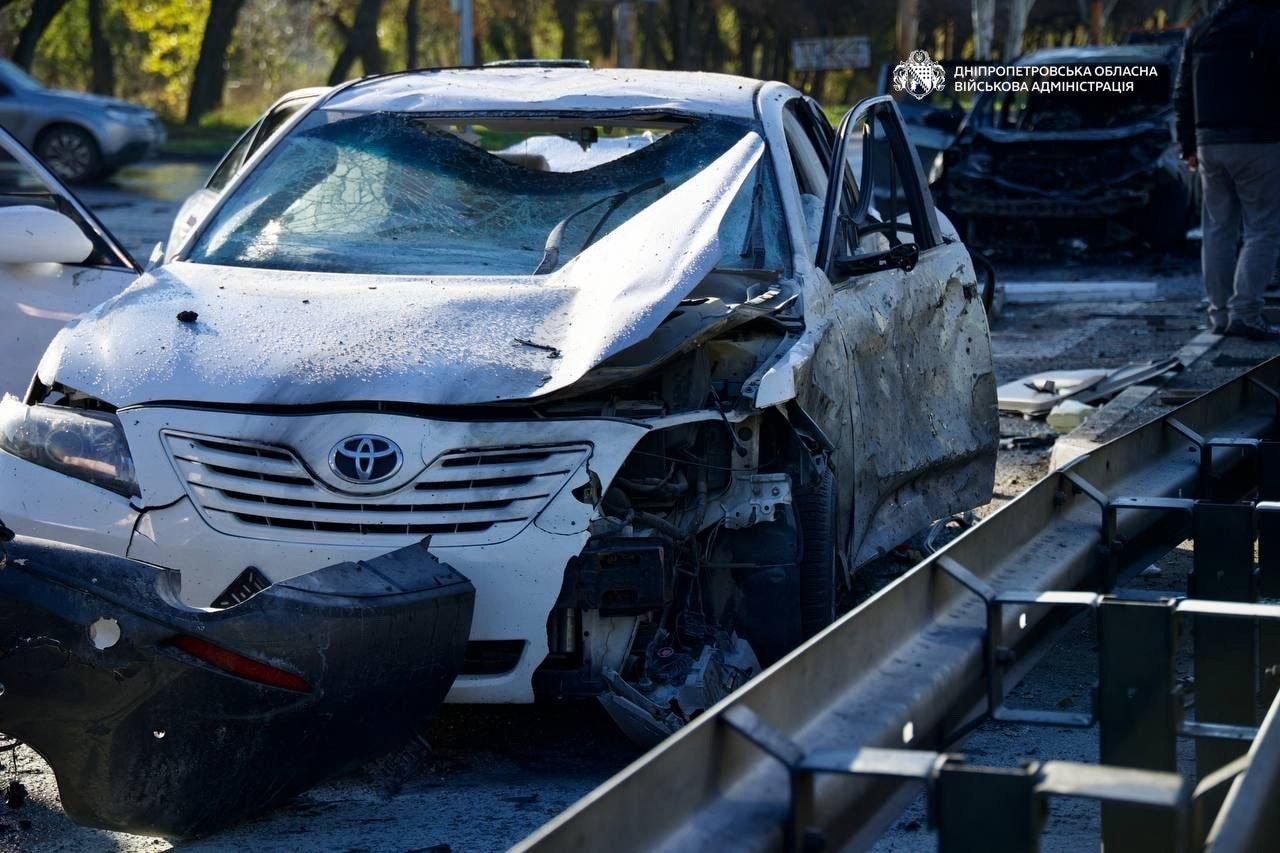
Per Strand, head of HERCA and NORA, told Reuters that Russian attacks had become more dangerous in recent weeks. He said drones were carrying larger payloads and targeting infrastructure more precisely.
Strand warned that a nationwide blackout could affect all nine of Ukraine's operating nuclear reactors at the same time. If cooling systems failed, this could lead to radioactive releases.
His warning follows a Nov. 14 update from the International Atomic Energy Agency (IAEA). The agency said military activity had disrupted Ukraine's electricity grid and forced some operating nuclear reactors to reduce output.
The IAEA also said that the Russian-occupied Zaporizhzhia Nuclear Power Plant lost all external power for more than 12 hours on Nov. 8. Damage to its only remaining power line caused the outage.
Emergency diesel generators switched on to keep essential safety systems running. The outage was the plant's 27th complete loss of external power since Russia's full-scale invasion, the IAEA said.
Zaporizhzhia is Europe's largest nuclear power plant. Russian forces have occupied it since March 2022, and it is no longer producing electricity.
Strand said the risk could still be prevented if Russia stopped attacking Ukraine's energy infrastructure. He also urged European countries to coordinate emergency preparations in case of a nuclear accident.