EU clamps down on Wildberries owner, 50 banks, oil, and shadow fleet with new Russia sanctions
 on Google


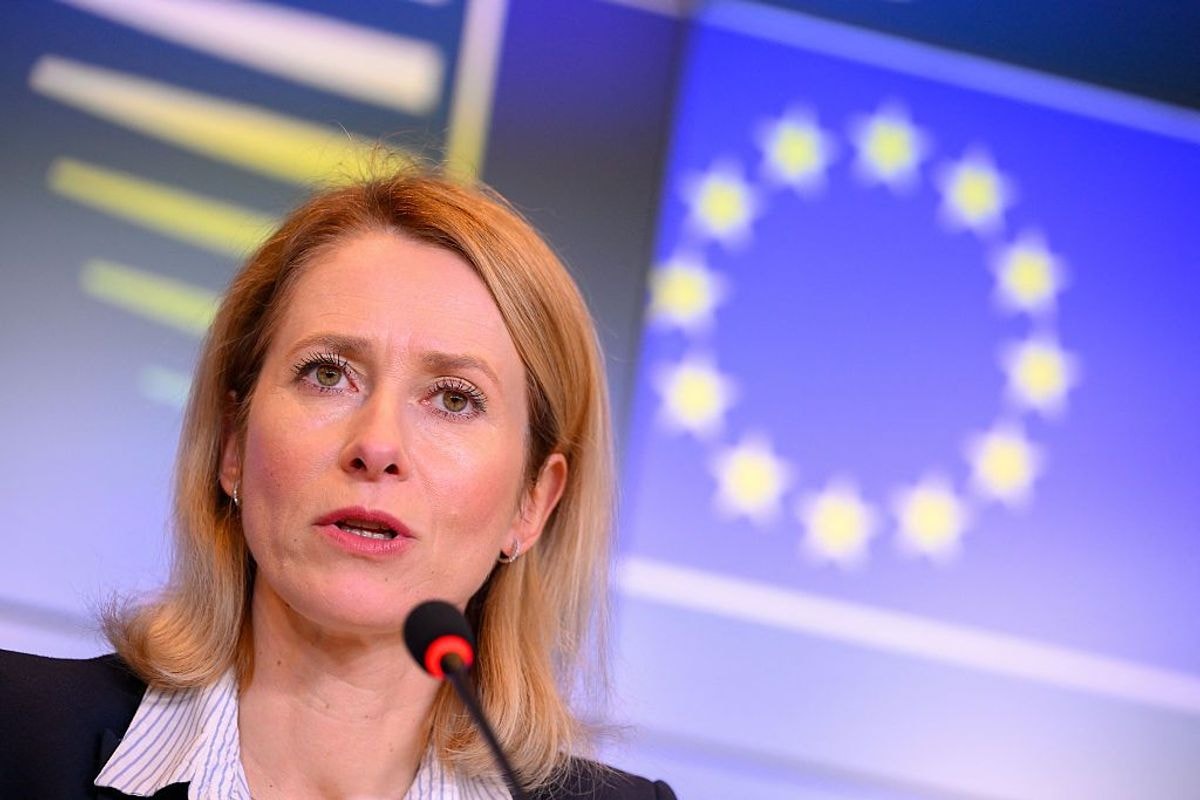
BRUSSELS, Belgium — The EU finalized 113 new sanctions listings against a broad range of Russian businesses and individuals, at a meeting of the bloc's foreign ministers in Brussels on Nov. 16.
The listings, previously seen by the Kyiv Independent in October, came just after U.S. President Donald Trump signed a deal with Russia to import diesel. Many energy companies appear in the new EU listings, which encompass both refineries and the oil export terminal in St. Petersburg.
The latest listings also target Tatyana Kim, the owner and "sole shareholder" of Russia's alternative to the e-commerce platform Amazon, Wildberries, which has come under heavy attack by Ukrainian forces in recent months for its role in supplying equipment to the Russian military.
The EU also announced sanctions against "an individual controlling the majority stake in another major Russian e-commerce company, Ozon." Russian businessman Alexander Chachava is Ozon's largest shareholder.
And the listings show that the EU is increasingly having to apply sanctions in third countries, as Russia expands its geographical scope in a bid to get around restrictions.
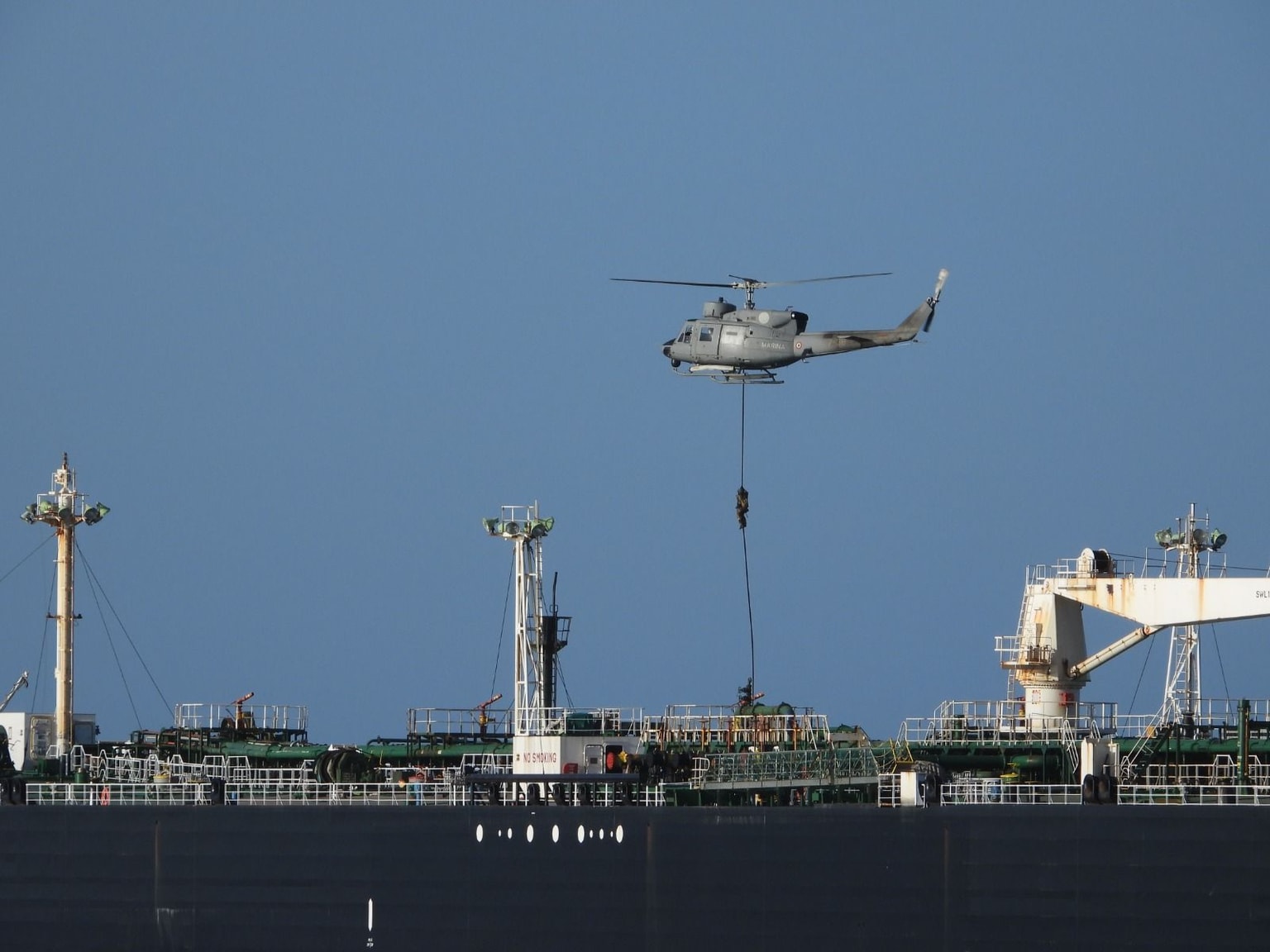
Not only do the latest listings include several ships identified as part of Russia's sanctions-evading shadow fleet, but also oil buyers in China, the United Arab Emirates, the Seychelles, and Oman.
And the EU continued to increase the number of listings related to the financial institutions that enable Russia to bankroll its war, including almost 50 banks.
Though not a focus of the newest listings, the EU has also begun to ramp up its work to close off cryptocurrency as a potential loophole for carrying out transactions, and announced a dedicated crypto task force on Nov. 6.