Iran fights 'courageously and heroically,' Putin says during talks with Tehran's foreign minister
 on Google
Editor's note: The story has been updated with additional details.
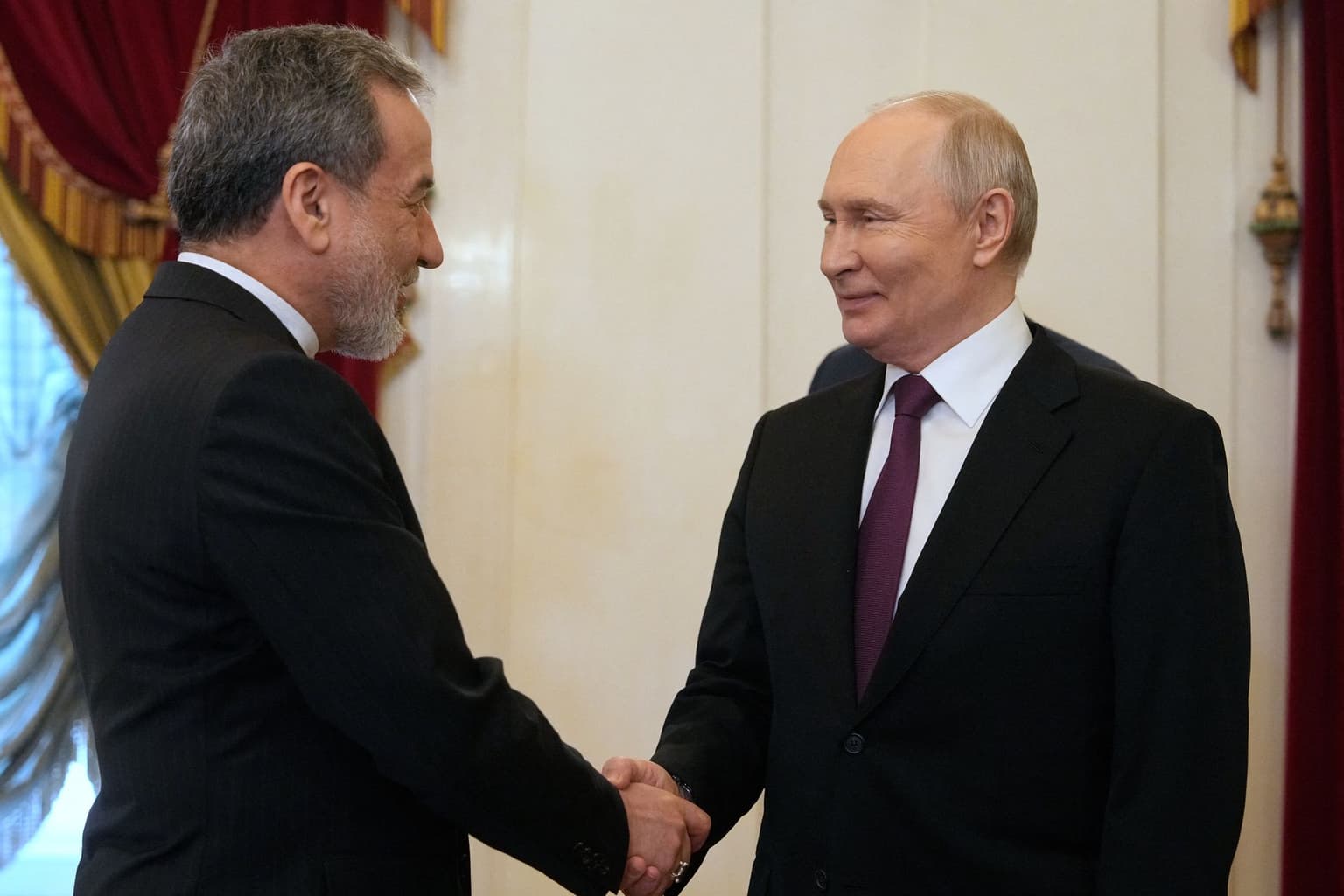
Iran's Foreign Minister Abbas Araghchi met Russian President Vladimir Putin in St. Petersburg on April 27, lauding the "strategic partnership" between the two countries.
Araghchi traveled to Russia after visiting Pakistan and Oman as part of diplomatic efforts to reinvigorate ceasefire talks between Iran and the U.S.
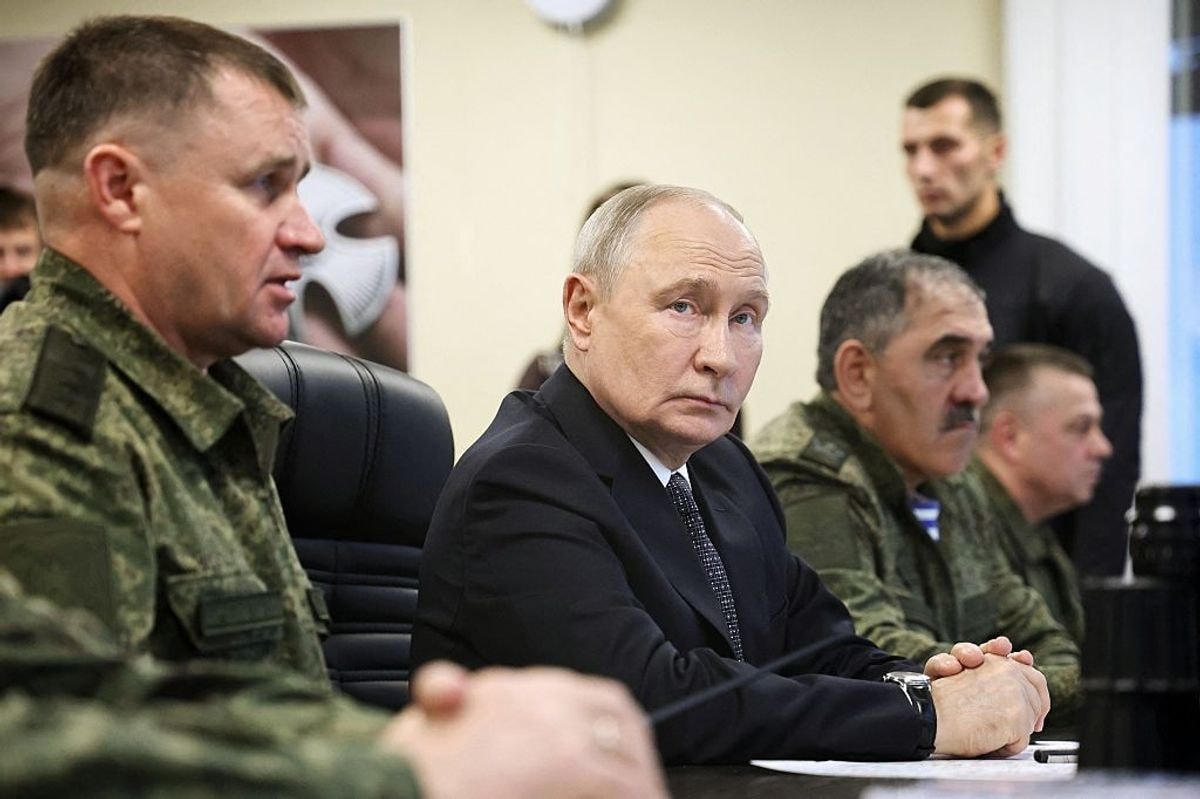
During their meeting, Putin said that the Iranian people are fighting "courageously and heroically" for their sovereignty, noting that Moscow is ready to help bring peace in the Middle East, Russian state news agency TASS reported.
Iran's chief diplomat thanked Putin and Russia for their support and said Iranian-Russian ties will continue to develop "regardless of what is happening."
Tehran previously said that Araghchi would brief Putin and Russian officials on ceasefire negotiations with the U.S. and the situation in the Middle East.
"Mr. Araghchi will consult with Russian officials regarding the latest status of negotiations, the ceasefire, and surrounding developments, and will provide a report on these talks to the Moscow authorities," Iran's Ambassador to Russia, Kazem Jalali, said in an interview with the ISNA news agency.
Russia and Iran concluded a strategic partnership agreement in January 2025, and Moscow has repeatedly denounced the U.S.-Israeli strikes against Iran on Feb. 28.
The strikes killed Iran's Supreme Leader Ali Khamenei and triggered a weeks-long conflict across the Middle East, leaving thousands dead and driving a surge in global energy prices.
Iran, in turn, has closely supported Russia during its all-out war against Ukraine, supplying Shahed strike drones and assisting Moscow in developing and mass-producing its own variants used in regular attacks on Ukrainian cities.
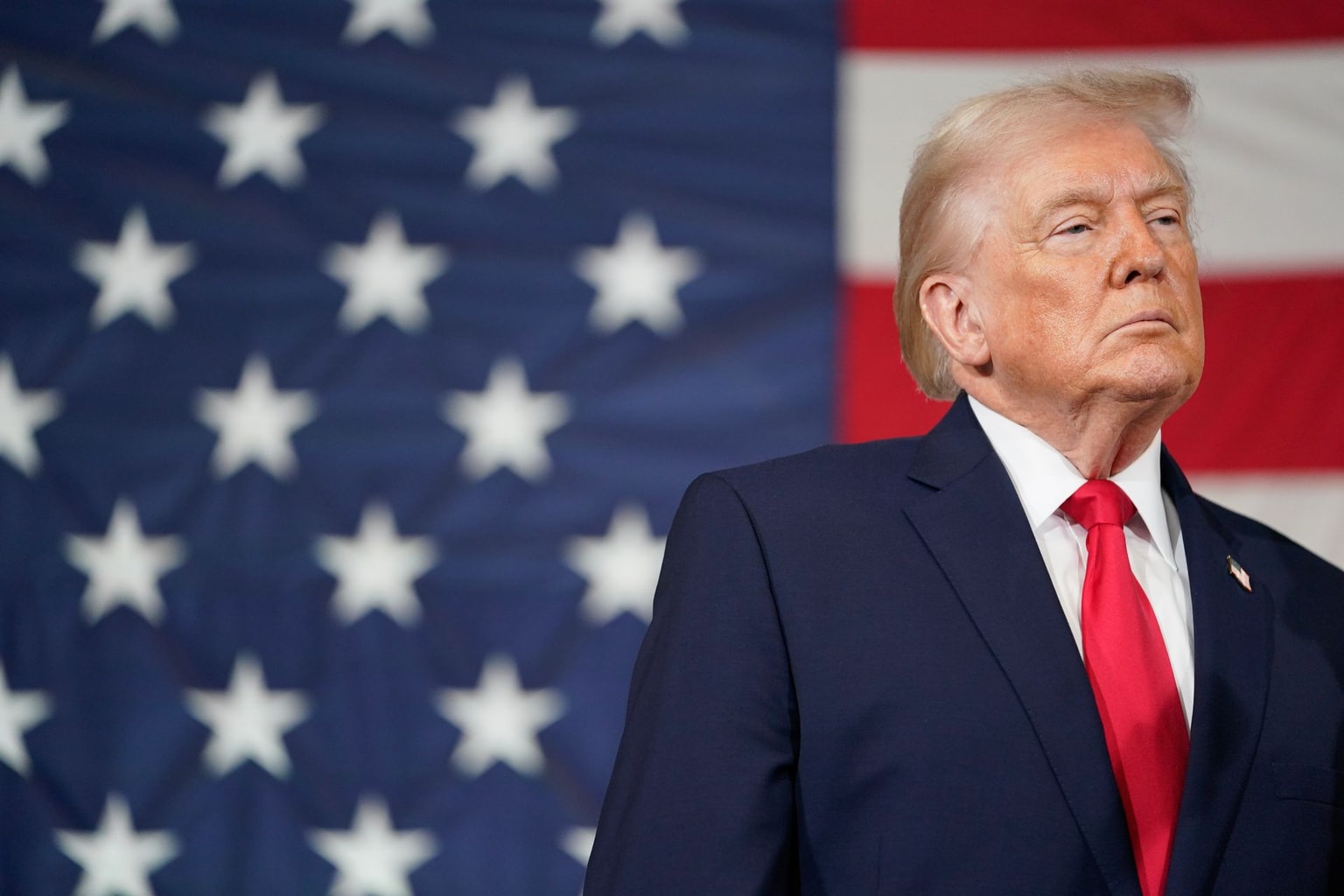
The U.S. and Iran concluded a ceasefire on April 8, which U.S. President Donald Trump extended indefinitely last week.
Negotiations remain fragile after Trump canceled the planned visit to Islamabad by his envoys, Steve Witkoff and Jared Kushner.
Amid the diplomatic stalemate, Tehran proposed to the U.S. a deal to reopen the Strait of Hormuz — a narrow maritime corridor that carries 20% of global oil trade — and end the war, while suggesting that talks on Iran's nuclear program be postponed, Axios reported.