German vice-chancellor confronts Russia's finance chief at G20, calls his presence 'irritating'
 on Google
Editor's note: this article was update to include the reaction to Russia's attendance from the EU's Economy Commissioner Valdis Dombrovskis.
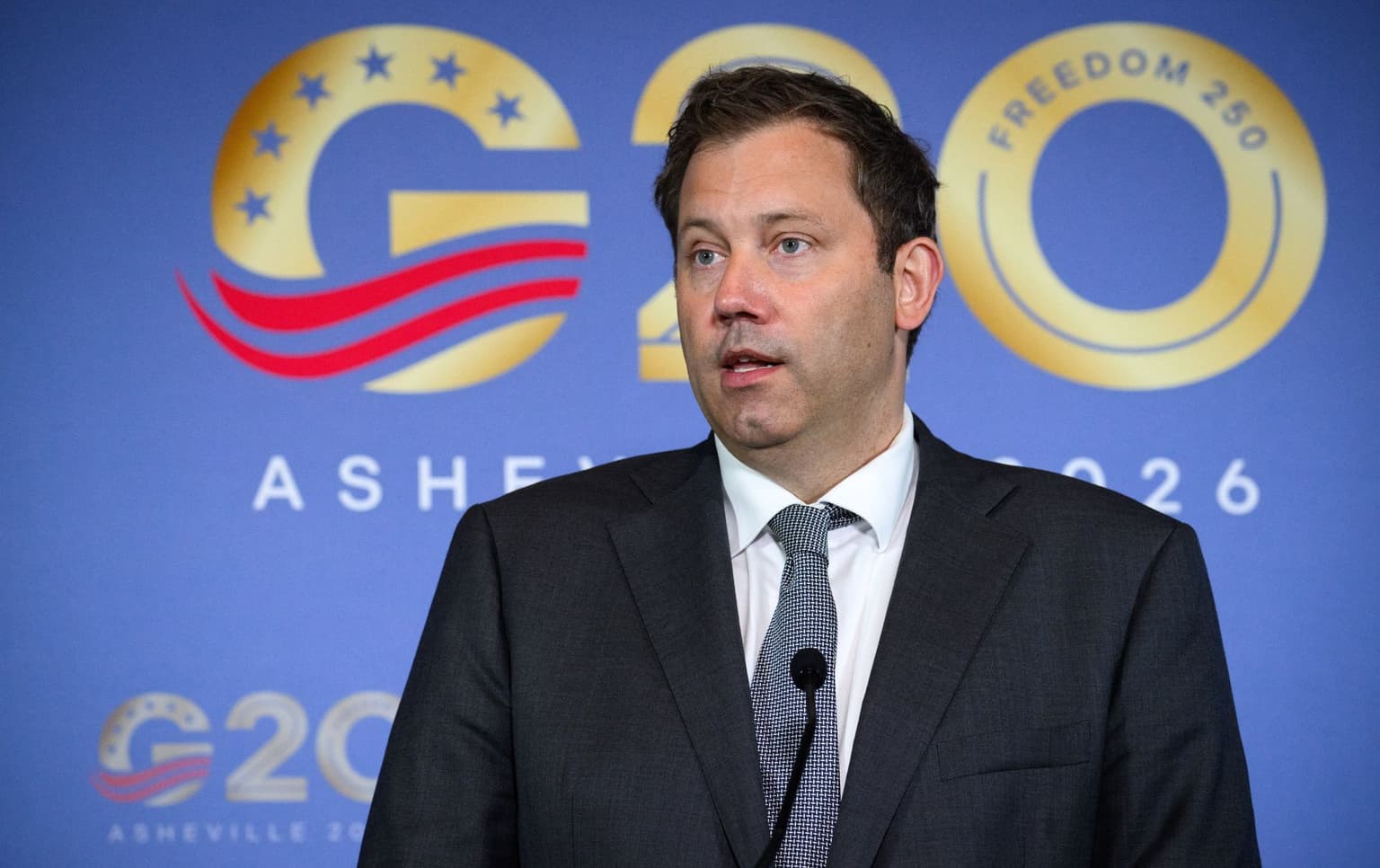
German Vice-Chancellor Lars Klingbeil confronted Russian Finance Minister Anton Siluanov over Moscow's war against Ukraine at the Aug. 31 G20 meeting of finance ministers and helped lead a push to exclude him from a group photo, Klingbeil told journalists after the meeting.
The summit in Asheville marked Siluanov's first in-person attendance at a G20 finance ministers' meeting since Russia launched its all-out invasion of Ukraine in 2022.
"The signal to welcome the Russian finance minister here I perceive as irritating, because I would have wished for clarity from the U.S. side, and that you do not receive him here like a normal guest," Klingbeil said. "This is a regime that has been leading a brutal, illegal war against Ukraine."
That sentiment was echoed by the EU's Economy chief Valdis Dombrovskis, who also attended the G20 meeting.
"I personally had and have problems with discussing topics like global imbalances with a representative of an aggressor country carrying out brutal daily attacks against civilians. It is a question of respect for the victims," Dombrovskis said.
Klingbeil said he spoke directly with Siluanov during the meeting, telling him that Russia must end its war and that Germany remains firmly on Ukraine's side.
"I told him directly in his face that the Russian government must end this war, and that the consequence of this war is that we are clearly on the side of Ukraine," he said.
Klingbeil said he opposed taking a joint "family photo" with the Russian finance minister. Other European representatives supported the move, and organizers ultimately took the photo without Siluanov and away from reporters.
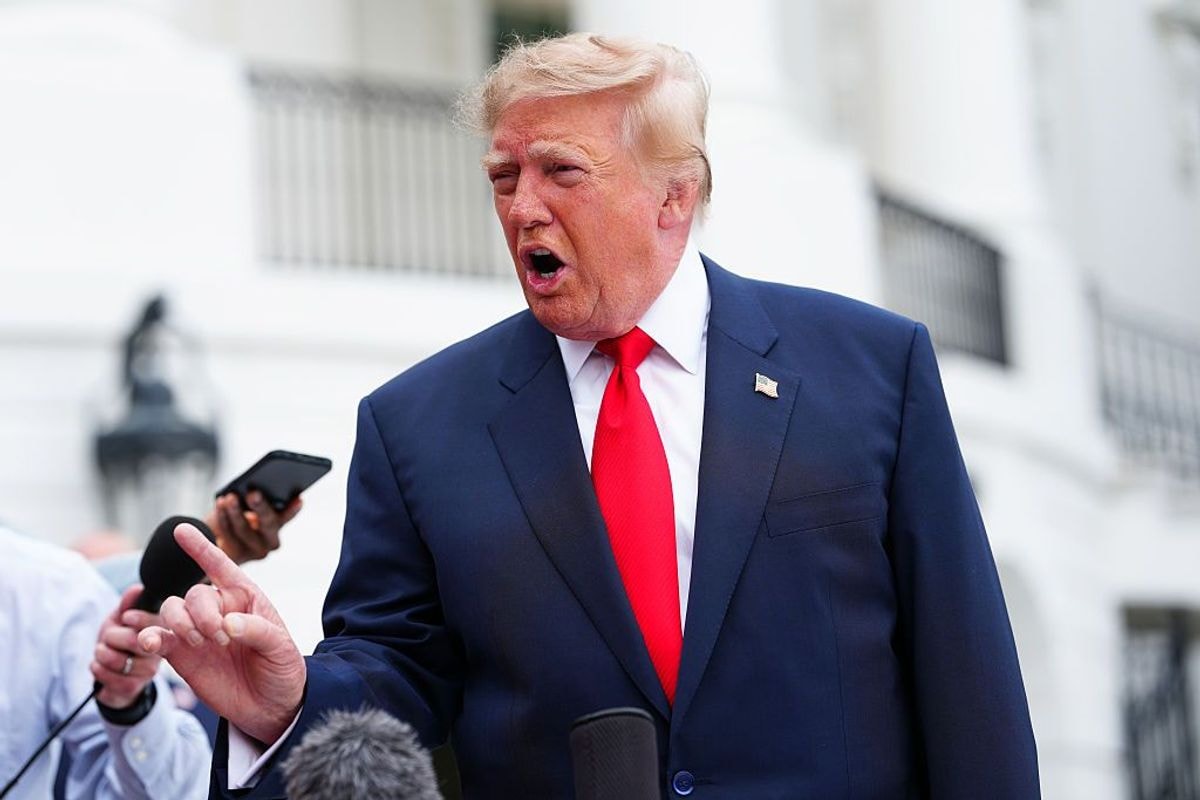
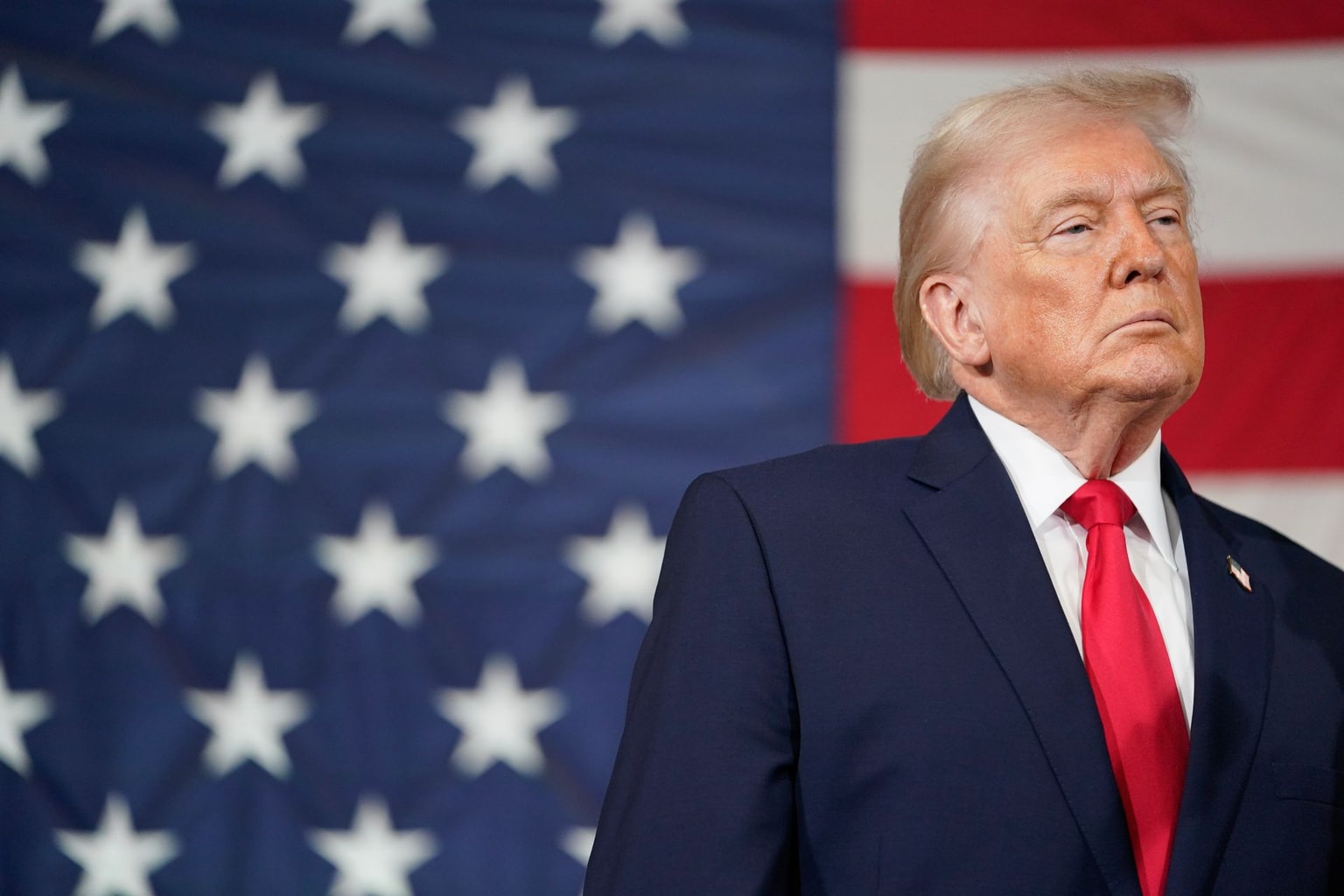
When asked why the U.S. invited Siluanov to the meeting, President Donald Trump told reporters on Aug. 31 that the current White House is "getting along with everybody."
Siluanov met with his U.S. counterpart, Treasury Secretary Scott Bessent, on Aug. 31, to discuss a peace plan for Ukraine. A Ukrainian official told the Kyiv Independent that Kyiv does not "know anything about this meeting."
Klingbeil warned that Siluanov's return after four G20 meetings without Russian participation risked contributing to the normalization of relations with Moscow despite its ongoing war.
"Just the fact that the Russian finance minister is back after four G20 meetings without them shows an attempt to normalize," Klingbeil said. "All the more we have to resist. There is no normal situation, especially with Russia."