EU's Russian oil price cap extended for a week as Greece blocks sanctions agreement
 on Google
Editor's note: This article was updated to clarify the oil price cap and add additional information on Greece's objections to the 21st sanctions package.
BRUSSELS, Belgium — EU ambassadors agreed on July 15 to freeze the bloc's price cap on Russian oil for a week to give them extra time to reach unanimous agreement on the forthcoming 21st sanctions package.
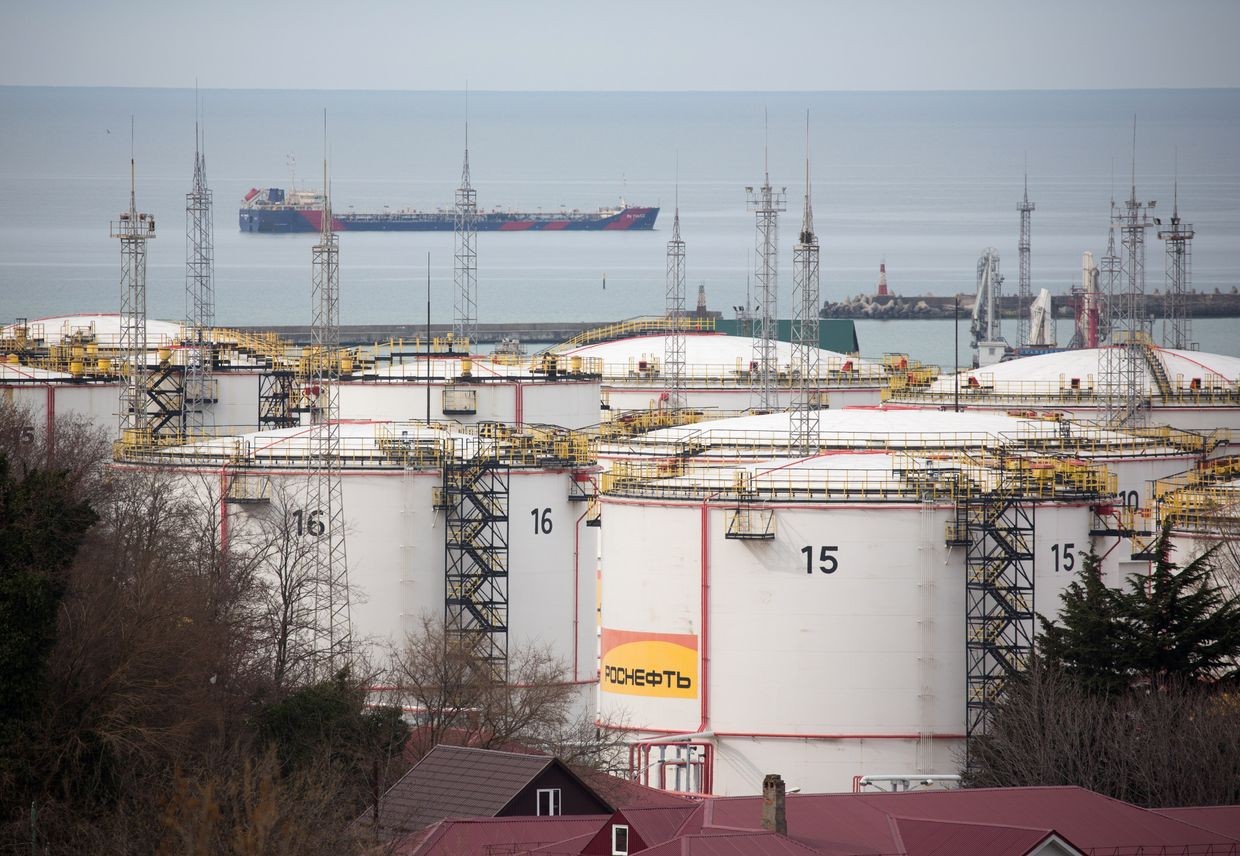
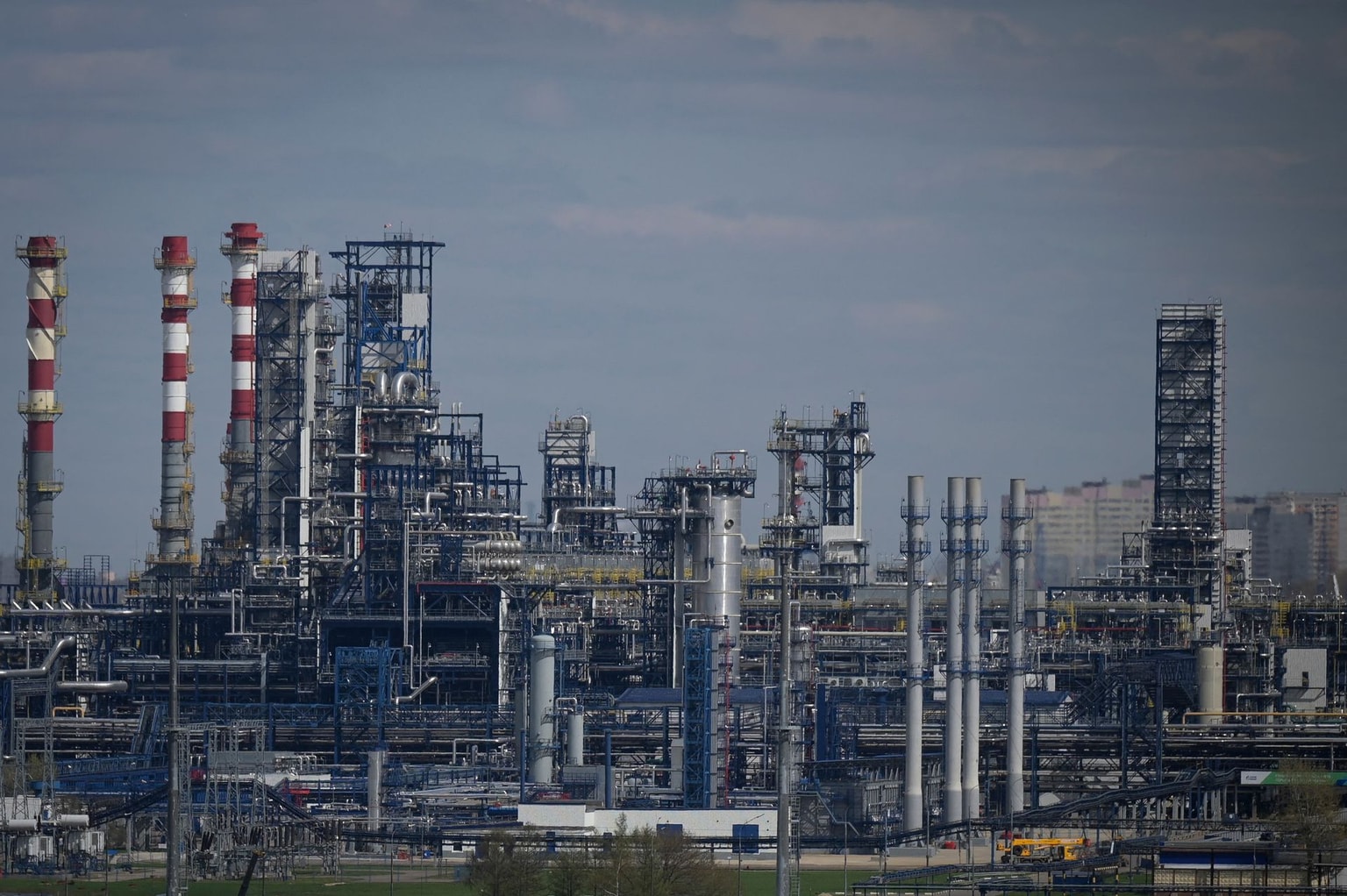
The oil price cap was due to tick upwards on July 16 in response to spiking oil prices in the previous six months. That would have meant Russia could trade oil at prices significantly higher than the $44.10 a barrel which Moscow is currently limited to.
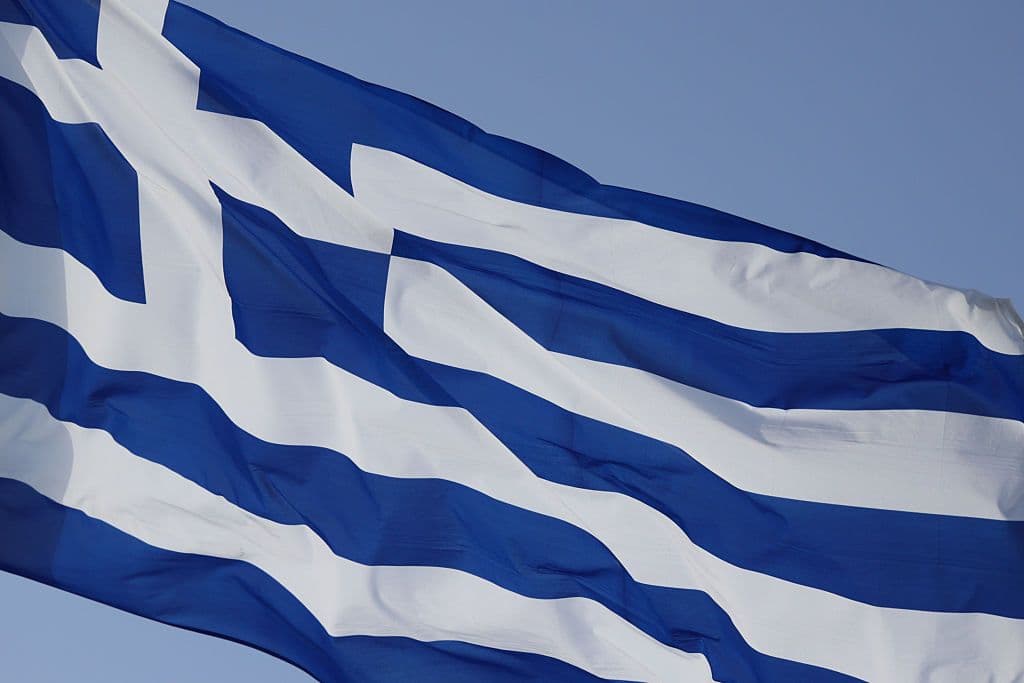
The 21st sanctions package was supposed to be agreed on July 13, then it was postponed to July 15, but two EU officials confirmed to the Kyiv Independent that Greece continues to refuse to compromise on its hardline position against proposals to stop EU countries trading LNG to third countries.
The European Commission had previously proposed a ban on EU ports trading Russian LNG to third countries, further restricting Moscow's ability to generate revenue from exporting fossil fuels.
However, Greece is afraid that too strong measures could hurt its maritime industry.
The EU media outlet Euractiv reports that Athens is demanding an open-ended derogation from sanctions for shipping company Dynagas, which it fears would be destroyed by the new measures, leading to 2,000 job losses.
Austria had also been holding the negotiations hostage in a bid to secure compensation for its Raiffeisen Bank, which would be adversely affected by new measures restricting money flows.
One EU official familiar with the ongoing discussions told the Kyiv Independent that a compromise acceptable to Vienna has been reached.
While the contents that make it into the 21st sanctions package cannot be definitively known until July 23, the new deadline for negotiations, it is already clear that most of the proposals put forth by the Commission in June have been scrapped or incredibly watered down.
Specifically, restrictions on the Russian fish industry have been scrapped, with Portugal having led the charge against the proposal.
And while it is expected that countries will declare that they agree to ban Russian combatants from entering the EU, two EU officials told the Kyiv Independent that the final package will require a second unanimous decision to be taken in the future, "once the necessary actions allowing for the implementation of the measure have been taken," which effectively kicks the can down the road.
France and Italy were vehemently against the Russian soldier ban, and they have been issuing increasing numbers of tourist visas to Russians.
Until July 23, negotiations will continue between EU ambassadors, with a view to finding a compromise position acceptable to Greece.