European countries bolster defenses as officials warn of growing Russian hybrid threat
 on Google
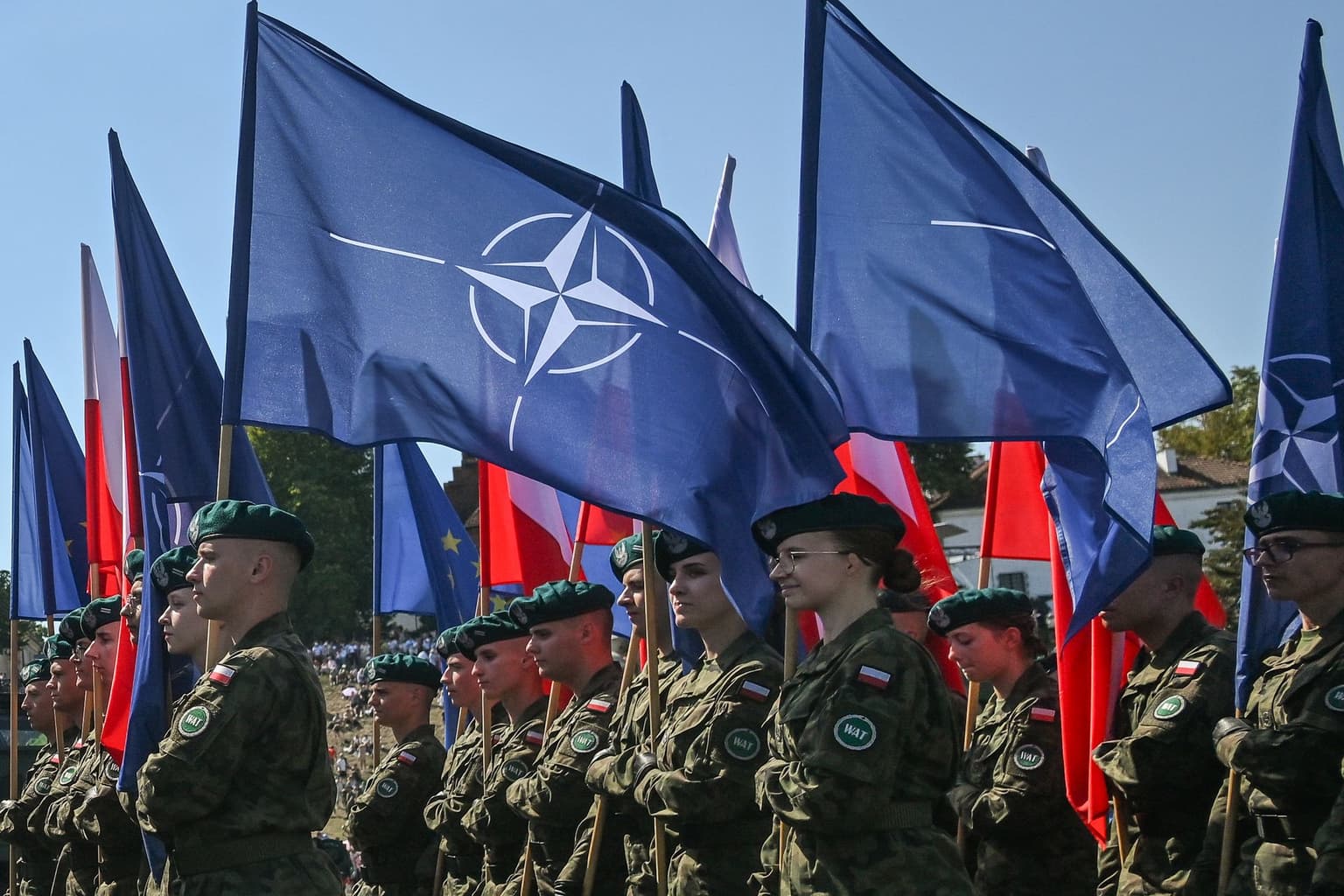
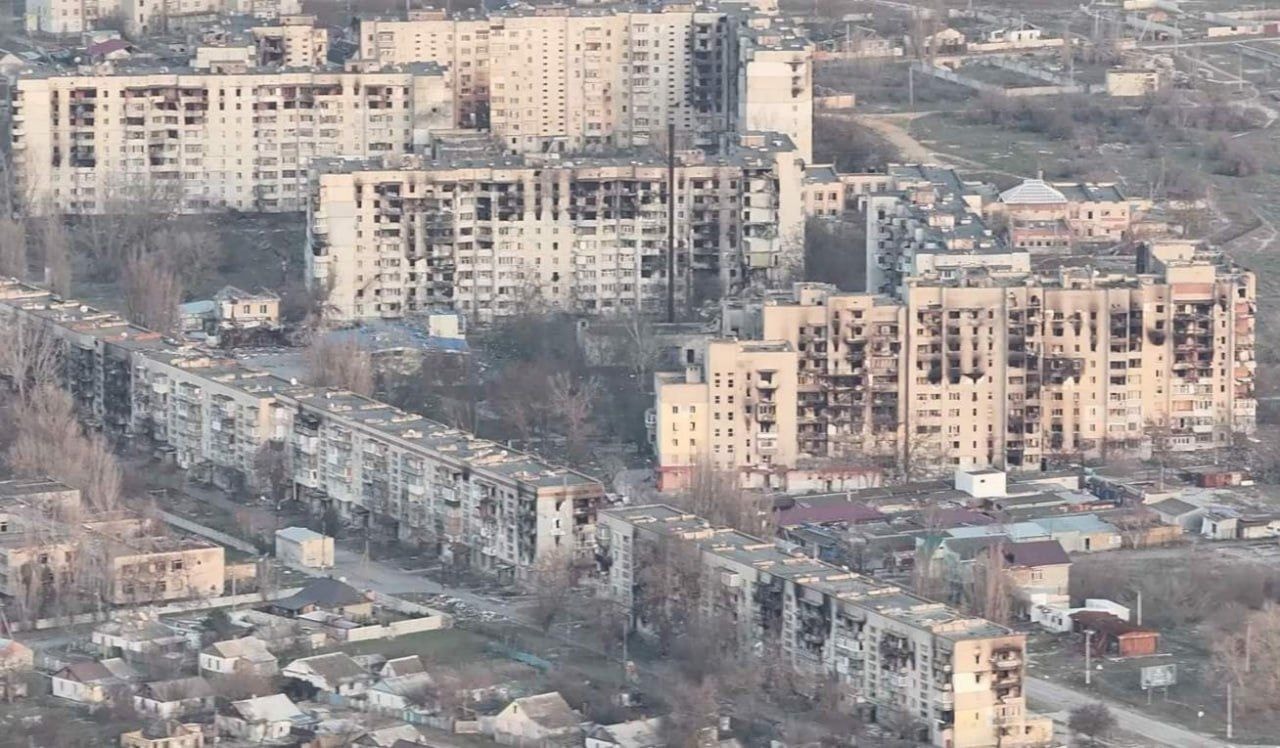
European governments are stepping up preparations for possible Russian hybrid attacks as officials across the continent warn that Moscow could increasingly use drones, missiles, sabotage, and cyberattacks to test NATO countries and pressure them over their support for Ukraine.
Polish Prime Minister Donald Tusk said on Sept. 17 that intelligence assessments indicated Russia could stage drone or missile attacks against countries supporting Ukraine in the coming months and attempt to portray them as accidental.
"There is a real risk that drones or other types of projectiles will enter the territory of one or several countries on the eastern flank and even cause destruction," Tusk told parliament, arguing that such incidents could be intended to undermine NATO members' willingness to respond collectively.
Lithuanian Foreign Minister Kestutis Budrys said a day later that Lithuania had access to the same intelligence as Poland and other allies. He said officials had discussed the possibility of a Russian false-flag operation and described the public warnings as part of an effort to deter Moscow from attempting such a provocation.
French President Emmanuel Macron also warned on Sept. 18 that the Russian hybrid threat against France and other European countries had intensified. After meeting political leaders at the Elysee Palace, Macron ordered the government to develop additional protections for critical infrastructure and sensitive defense-industry sites against drone and cyberattacks.
Finnish President Alexander Stubb separately urged Finns to be mentally prepared for possible sabotage and drone incidents, while cautioning against overreacting and urging the public to remain calm.
The heightened warnings are being accompanied by broader civil-defense preparations. Germany has been examining how its hospitals would cope with war and mass-casualty scenarios, while Lithuania has developed evacuation plans for a military emergency or major crisis, including routes from Vilnius toward Poland.
Switzerland, which is not a NATO member, also moved to strengthen its security posture on Sept. 18, when the Federal Council adopted its Security Policy Strategy 2026.
The strategy identifies Russia's war against Ukraine, hybrid threats, and critical dependencies as major challenges to Switzerland’s security. It calls for reducing vulnerabilities across the state, economy, and society, better protecting civilians and critical infrastructure, and strengthening Switzerland’s ability to defend itself against an armed attack.
The plan sets out 10 objectives and 46 measures, implementation of which has already begun.
The Swiss government assesses a direct armed attack against the country as unlikely in the foreseeable future but warns that Switzerland could nevertheless face long-range attacks involving weapons such as drones or ballistic missiles. Its new strategy therefore prioritizes protection against hybrid and long-range attacks alongside greater cooperation with international partners.
NATO has also publicly intensified its focus on civilian resilience. On Sept. 17, the alliance published its baseline resilience requirements, calling on members to ensure that essential services such as energy, water, communications, food supplies, and health care can continue functioning during crises or conflict.
Despite the growing warnings, NATO has not said that a Russian military attack on an alliance member is imminent.
NATO Secretary General Mark Rutte has nevertheless said Russia has become increasingly reckless, pointing to drones and missiles entering allied airspace and suspected malign activities targeting European infrastructure. He said NATO was strengthening both deterrence and resilience while continuing its support for Ukraine.