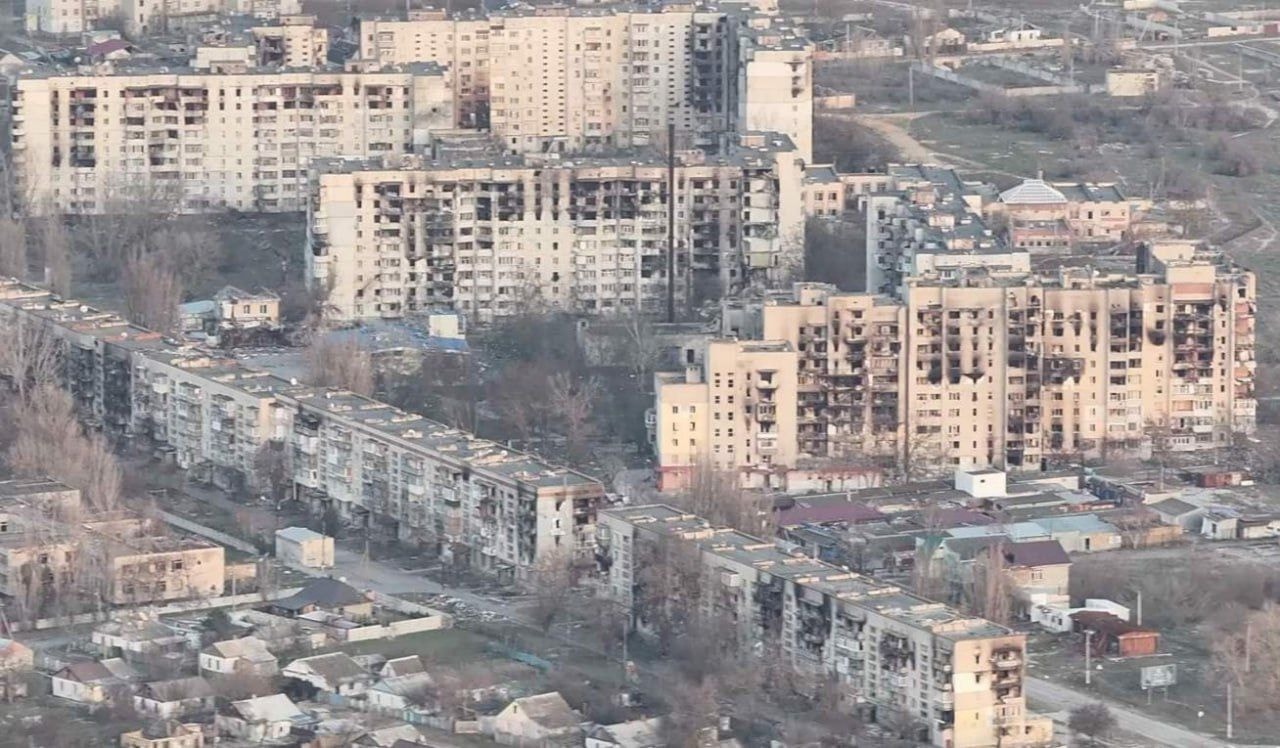
And still, they plant: front-line farmers rebuild their businesses against all odds
 on Google

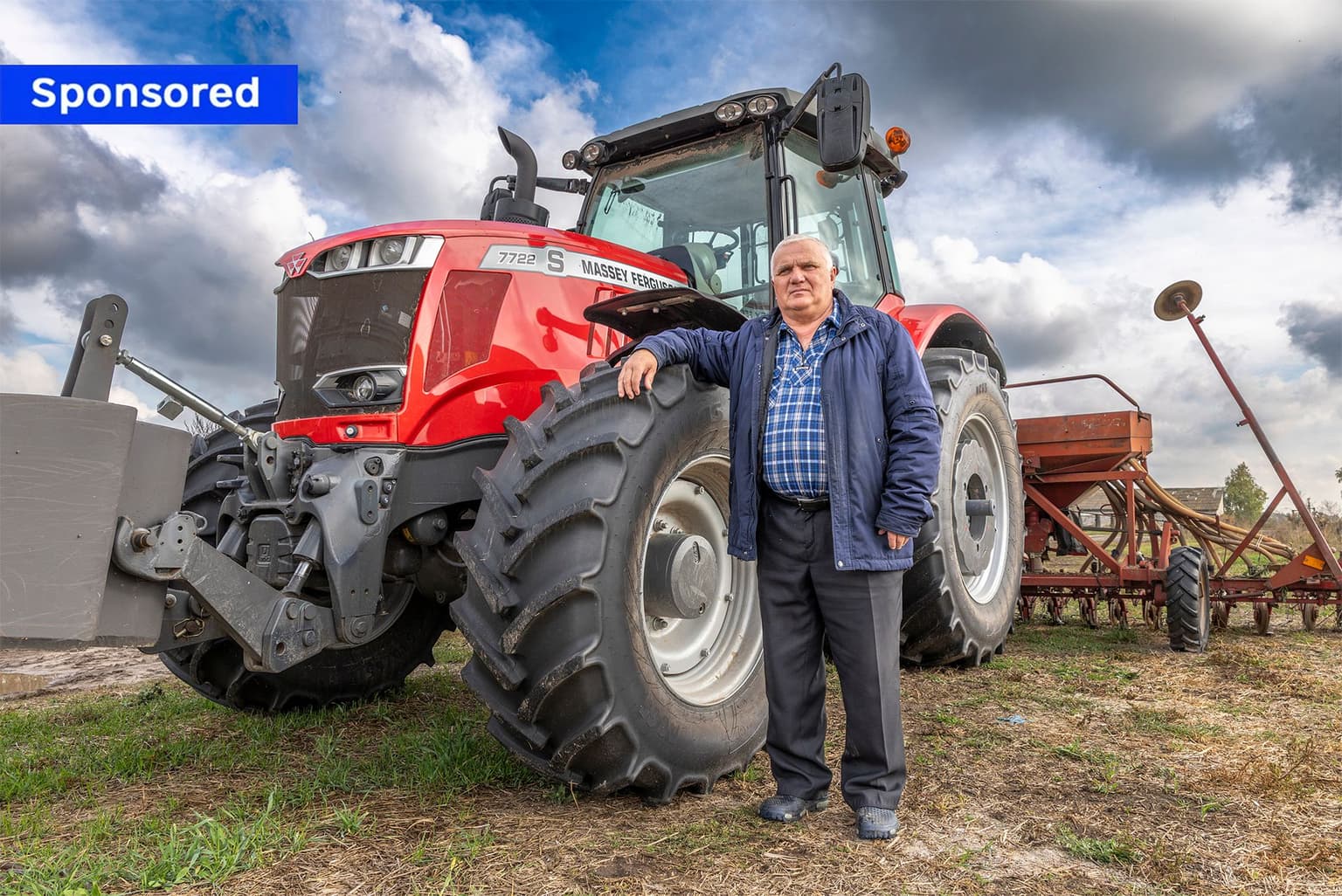
Russian forces have repeatedly struck the dairy farm of 70-year-old Volodymyr Starychenko in Krolevets, Sumy Oblast, since the beginning of Russia's full-scale invasion. At times, Starychenko has wondered whether it makes sense to rebuild at all. With help from an international aid program, he keeps working, tending to his cattle and crops.
Sumy Oblast, bordering Russia, faces frequent missile and drone strikes. For farmers here, every day means working under the threat of attack. In late 2024, Russian forces struck Starychenko's farm with Shahed-type drones. The strike destroyed a main barn, killed 27 cows, and incinerated a tractor.
The farmer's only comfort was that no workers were harmed, but his life savings were not enough to cover the reconstruction.
"I thought: We will rebuild, the Russians will see it, and they'll strike us again," Starychenko recalls.
Farmers across Ukraine's front-line regions face the same uncertainty. Every barn, greenhouse, tractor, or new crop is an investment that could be destroyed before it pays for itself. Even when the harvest survives, damaged infrastructure and disrupted transport can make it difficult to get produce to market.
The Ukrainian government is pushing to rebuild the agricultural sector even as the war rages on. The immediate focus is on channeling vital aid to those farmers working on land close to the front-lines. International humanitarian organizations play a particularly important role in these efforts, providing targeted assistance to help agricultural producers recover from losses, sustain their operations, and adapt to the challenges of farming during wartime. The assistance can make a real difference.
"When it is difficult for a person, and you are heard, it gives you strength. Life goes on, and you continue to feel that things will be better ahead."
Rebuilding after destruction
Starychenko knows the pull of the land well. His family farmed for generations, until the Soviet regime seized their farm during collectivization, when supposedly prosperous peasants were branded as kulaks — a derogatory tag that could mean execution or deportation. Under Soviet rule, owning a farm of his own was little more than a dream for Starychenko. But as the Soviet Union fell apart 34 years ago, Starychenko took his chances and built his dairy farm in an open field.
The family business prospered. The farm grew to 200 cows, raised its own feed crops, and sold most of its produce locally, in a community of more than 30,000. Over the years, the farm became a pillar of the community in many ways. When heavy snowdrifts blocked the roads, the Starychenko family brought out their equipment to help local authorities clear them.

The war changed life in Krolevets and on the farm. It became harder to sell produce, and the uncertainty made investments and planning for the future more difficult.
After the Russian drone strike in 2024, rebuilding took one and a half years of hard work and significant financial risk. A grant from the Ukraine Agricultural Support Program, implemented by Prosper Global, helped close the gap between what Starychenko could afford and what it cost to replace machinery and repair the damaged buildings.
"We were afraid to rebuild," Starychenko says. "Every day, shells are flying. But we don't stop. We just keep doing the work."
Russia further complicates the lives of Ukrainian farmers by shelling storage facilities. Several strikes throughout this summer destroyed critical warehouses and distribution hubs, leaving supermarket shelves emptied and basic food items such as vegetables, dairy products, and meat, increasingly hard to find. Beyond the immediate risk of losing their hard-earned crops, farmers must now also find new ways to deliver their produce.
War-damaged storage facilities and disrupted exports are adding to the pressure on Ukraine’s agricultural sector. The country could face a grain storage shortfall of up to 11 million tonnes by November 2026, according to the Food and Agriculture Organization of the United Nations (FAO). The strain is already reflected in rural incomes: a 2026 FAO assessment across nine front-line regions found that one in three households had seen their incomes decline, while 30% of crop producers reported smaller harvests. With less income coming in, investing in the next growing season becomes even harder.
"They find ways, often at enormous personal risk, to keep food moving from field to market."
With storage space limited and grain prices low, agricultural producers are having to make difficult choices about what to do with their harvests. Some are turning to grain storage sleeves to reduce their reliance on conventional facilities vulnerable to attacks. Others are weighing whether to sell their grain at the prices currently on offer or store it until next year, hoping the market will improve.
Starting from scratch
Volodymyr Karpenko has been farming in Sumy Region for more than 20 years. He runs the farm with his wife, son, and daughter-in-law, growing corn, sunflower, and soybeans on about 400 hectares of land.
His village was occupied by Russian forces for several days in February 2022. After they withdrew, shelling began. In 2025, several Russian missiles struck the farm, destroying buildings, a grain dryer, and agricultural machinery.
The attack came just 20 minutes after Karpenko had left the farm to have dinner with his wife. Two Iskander missiles hit the farm. Because his home is nearby, he knew immediately where they had landed.
He returned to the farm at 4 a.m. the next day. What he saw was the destruction of 20 years of work. For a moment, it felt as though part of his life had been destroyed for nothing. But the thought of giving up never came.
"Life goes on. Thank God we are alive. As long as we are alive and have our arms and legs, we will keep working."

The family still had crops in the fields and some machinery remained intact. With help from friends and fellow farmers, they managed to finish the season, pay their taxes, and pay rent to the people whose land they cultivate.
The farmers in the village had already worked closely together before the full-scale invasion. The war made that cooperation even more important.
He learned about the Ukraine Agricultural Support Program from another farmer who had received assistance. Just three weeks after the strike, he applied for support. Several farmers in the village had suffered damage, so they decided to coordinate their requests and address their needs together.
"This resilience does not happen in isolation. It is sustained by targeted support: emergency energy solutions, demining assistance, grants to replace destroyed equipment, and access to markets that keep farms viable."
The farm needed a grain dryer, while another farmer requested grain storage bags. Together, the equipment helped address some of the most urgent needs in the village and allowed farmers to store and process their harvests rather than relying entirely on outside services.
The grain dryer can process up to 350 tons of grain a day. Last year, it dried around 3,500 tons of grain, including Volodymyr's harvest and grain belonging to other farmers in the region. The farm produces around 3,000 tons of corn and 500 tons of sunflower each year, and the equipment is now shared with other farmers who need it.
For farmers in Sumy Region, falling grain prices and rising production costs are making it increasingly difficult to sustain their businesses.
“Last year, we sold corn for UAH 9,500 per ton. This year, it’s UAH 5,500. Diesel fuel, meanwhile, has gone up from UAH 42–45 to UAH 95 per liter,” Karpenko says.
Sunflower prices have also declined, by around 20–30%. Volodymyr attributes the drop in grain prices to high supply and difficulties exporting produce, which have limited sales opportunities. With lower revenues and higher operating costs, farmers are having to cut expenses and find ways to keep their farms running despite the uncertainty.
"Every day, shells are flying. But we don't stop. We just keep doing the work."

For Volodymyr, the support he received was about more than replacing equipment. Without the grain dryer, he believes he and other farmers would have struggled to plant and cultivate part of their land. The support also showed him that people were willing to listen and respond when farmers were facing difficult circumstances.
"When it is difficult for a person, and you are heard, it gives you strength. Life goes on, and you continue to feel that things will be better ahead."
Building a future on uncertain ground
Across Ukraine's agricultural community, farmers build their businesses while the next disruption to their operation can come at any moment. Some farmers face shelling and drones; others contend with damaged infrastructure, disrupted transport, lack of equipment or labor, or the financial blow of losing a crop.
In front-line and recently liberated communities, agricultural businesses are often among the few remaining sources of economic activity. An operating farm provides income for its workers, contributes to local tax revenue, brings business to local shops and suppliers, and keeps arable land productive.
Prosper Global, an international humanitarian organization working in Ukraine since 2022, helps farmers and agricultural businesses sustain production, restore damaged operations, and protect livelihoods. To date, it has supported more than 3,800 farmers and agricultural businesses, helping create and sustain 2,340 jobs. Its agricultural support activities have reached more than 345,000 people across Ukraine.

The assistance includes grants for equipment, machinery, agricultural inputs and storage facilities, as well as training, legal and financial consultations, and support for agricultural service providers. It also includes the distribution of 3,600 grain storage sleeves to farmers. Dedicated support for women farmers includes specialized training, practical learning opportunities, mentoring, and grants to start or expand their businesses.
This work is delivered through two programs: the Ukraine Agricultural Support Program (UASP), funded by the Howard G. Buffett Foundation, and BLOOM. UASP helps agricultural producers of all sizes restore and sustain operations affected by Russia’s war. BLOOM supports businesses that strengthen local economies, preserve or create jobs, and plan for growth while addressing social and inclusion needs.
Keeping farms operational helps preserve not only food production but also the wider economic and social structures that allow rural communities to thrive.
While a grant cannot make a farm safe from a drone strike or guarantee that a crop will survive the season, it can reduce some of the financial barriers that might otherwise force a farmer to give up altogether.
"And still, they plant," says Vicki Aken, Prosper Global in Ukraine Country Director. "This resilience does not happen in isolation. It is sustained by targeted support: emergency energy solutions, demining assistance, grants to replace destroyed equipment, and access to markets that keep farms viable. Farmers continue to sow seeds. They repair equipment with salvaged parts. They share fuel, tools, and information with neighbors. They replant fields that were burned or flooded. They find ways, often at enormous personal risk, to keep food moving from field to market."
This story was sponsored by the Non-Governmental Organization Mercy Corps.