EU leaders agree to 12-month extension of Russia sanctions
 on Google
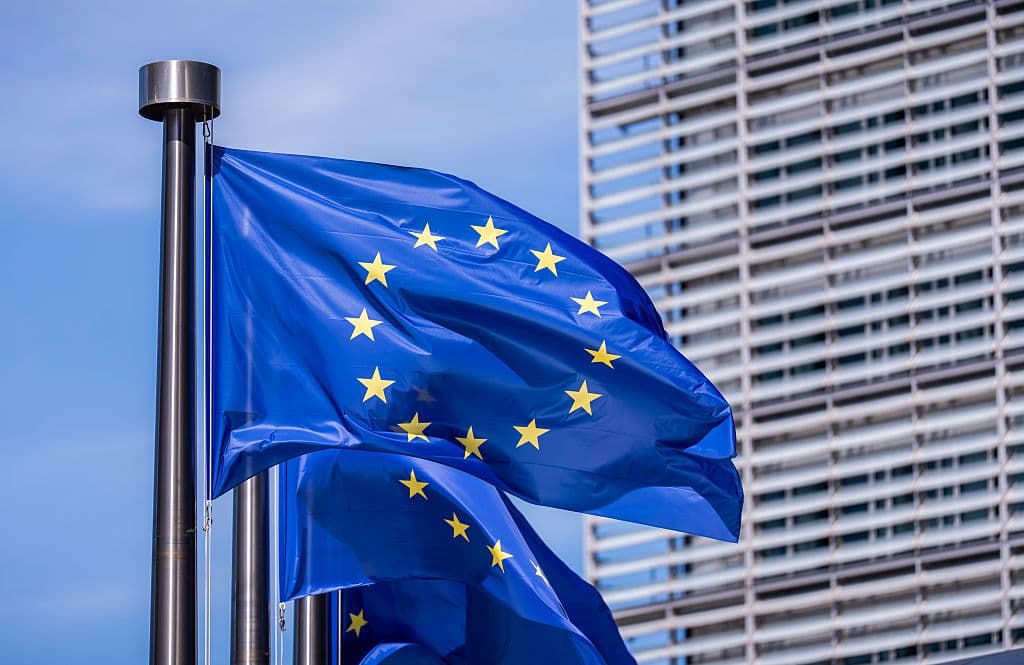
European Union leaders agreed on June 18 to extend sanctions against Russia over its war against Ukraine for another 12 months, marking the first time the bloc has renewed the measures for a full year rather than the customary six-month period.
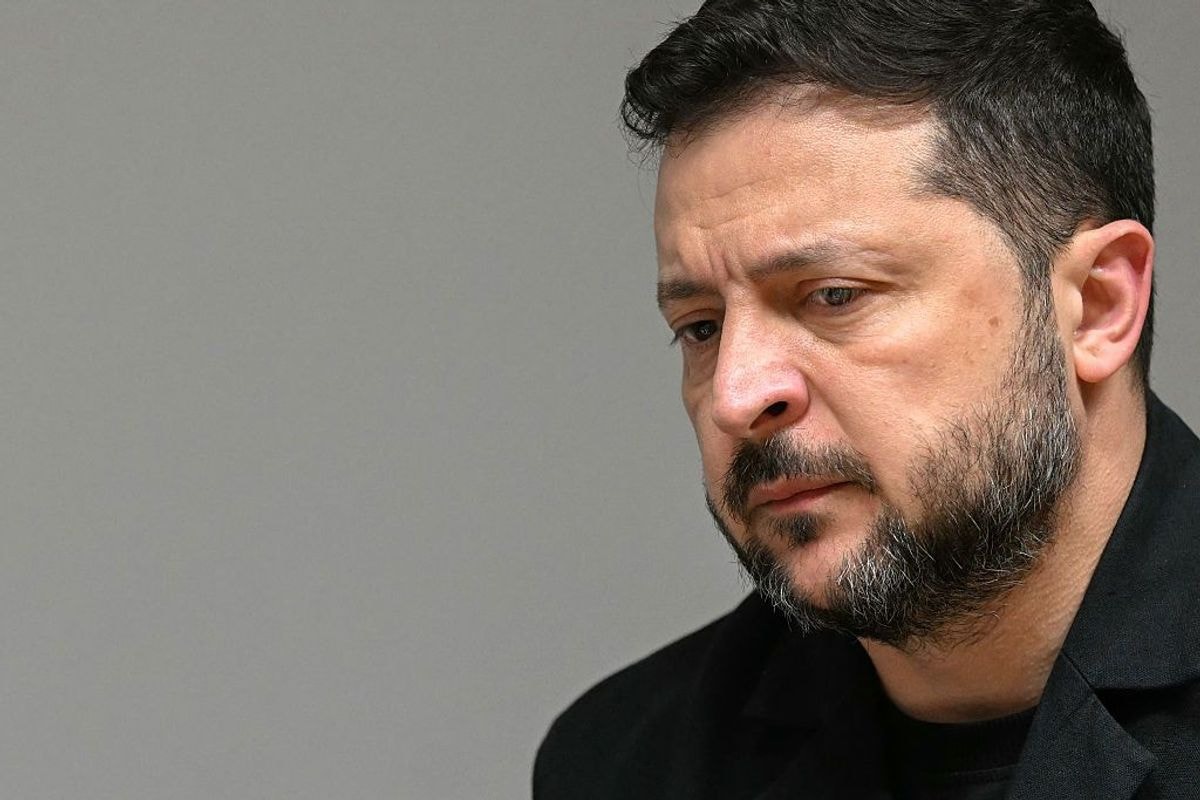
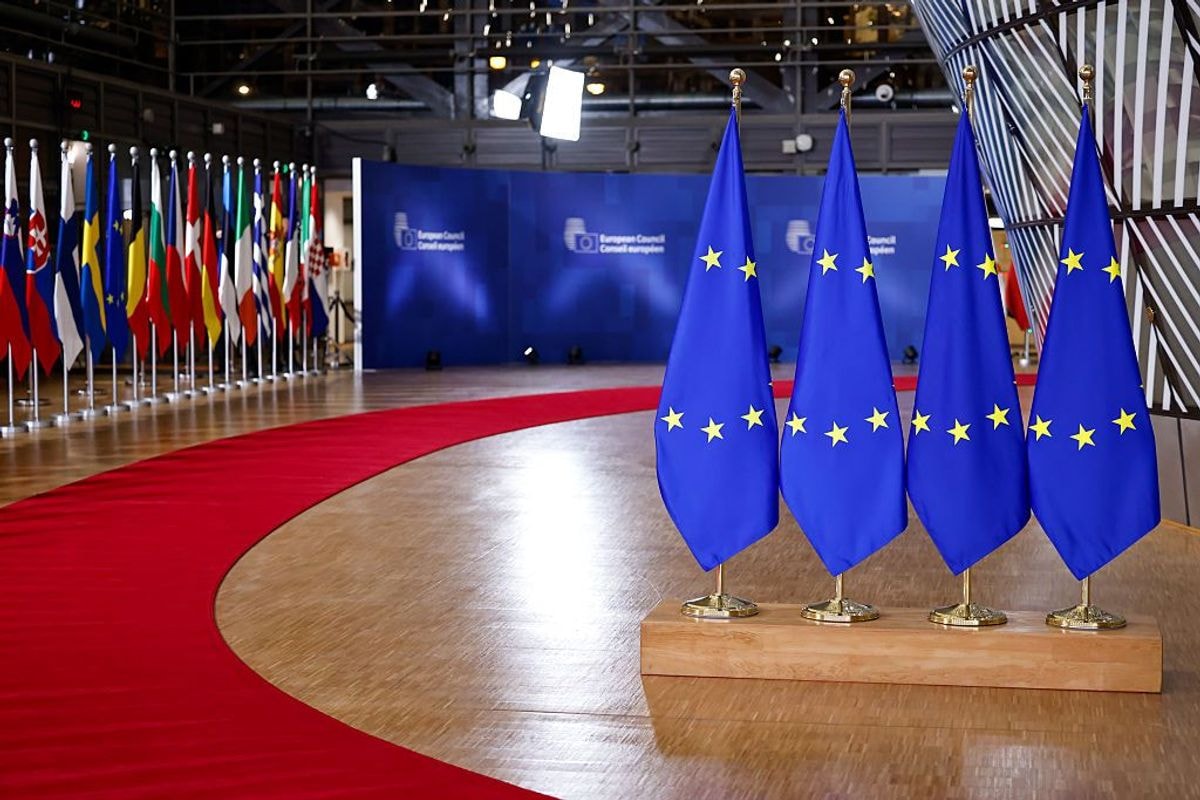
The decision was made during a European Council summit in Brussels that began with the participation of President Volodymyr Zelenskyy before continuing among EU leaders.
Maria Tomasik, spokesperson for the president of the European Council, said EU leaders had approved conclusions on Ukraine and agreed to extend sanctions against Russia for another year.
The sanctions target key sectors of the Russian economy and have been repeatedly renewed since Russia's invasion and illegal annexation of Crimea in 2014. The EU has gradually expanded the measures over the years, dramatically increasing them in response to Russia's full-scale invasion of Ukraine in 2022.
Until now, the sanctions had been extended every six months, requiring unanimous approval from all EU member states.
The shift to a 12-month renewal period reduces the frequency of politically sensitive negotiations over sanctions. In recent years, former Hungarian Prime Minister Viktor Orban had repeatedly threatened to delay or block sanctions extensions, using the renewal process to press other EU governments for concessions.
The move sets a new precedent for the European Union, which has maintained and regularly expanded sanctions against Russia throughout Moscow's full-scale invasion of Ukraine.
The decision comes days after the EU adopted a new round of sanctions targeting Russia's energy revenues, military-industrial complex, shadow fleet, and individuals accused of supporting Moscow's war effort and hybrid operations against Europe.