EU frontrunner Montenegro ready to help Ukraine with reforms
 on Google
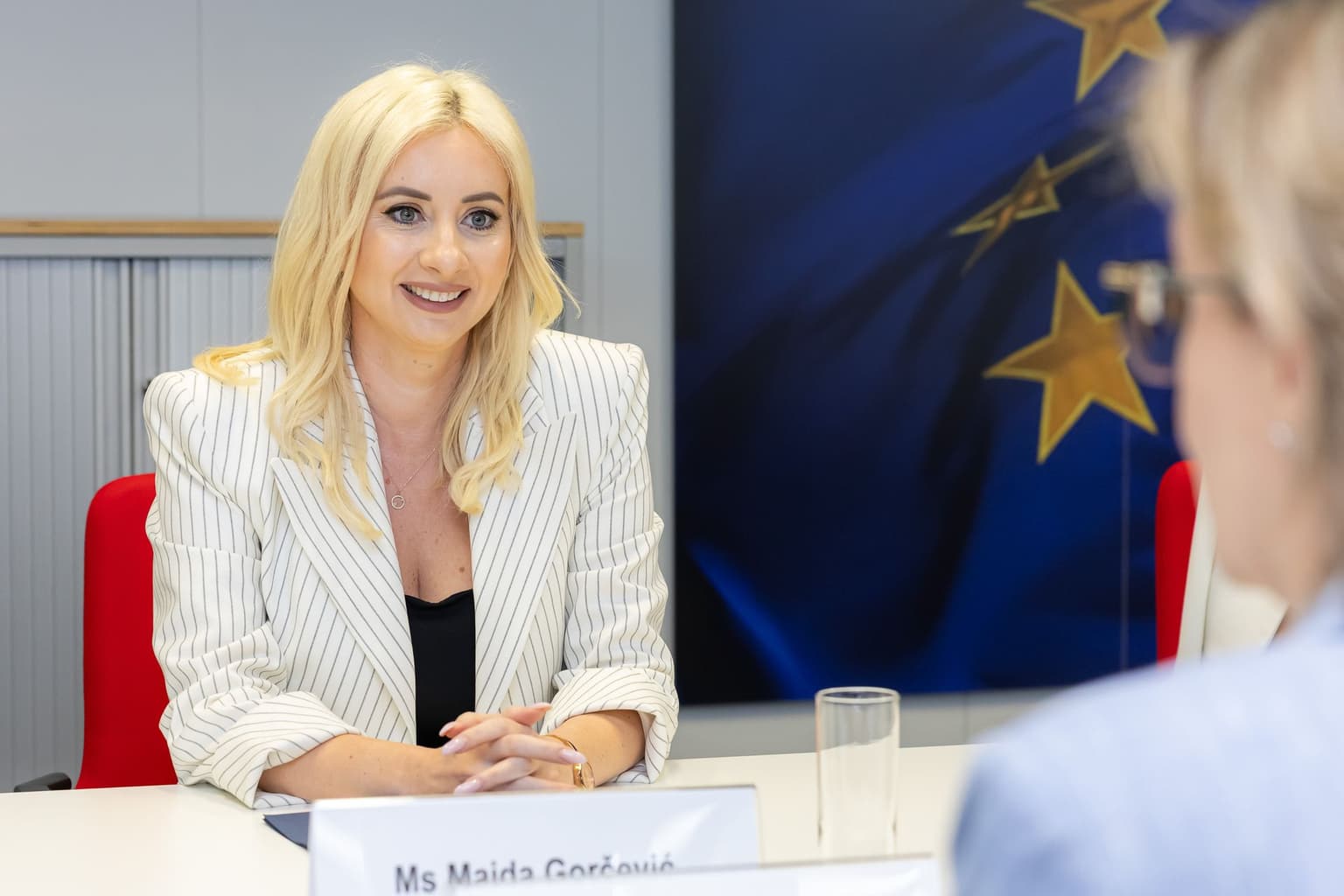
Montenegro does and can share best practices with Ukraine to help it advance the rule-of-law reforms required for EU membership, Montenegro's European Affairs Minister Maida Gorcevic told the Kyiv Independent on Sept. 9.
The small Western Balkan country is on track to become the EU's newest member state. A draft accession treaty is being prepared, and Montenegro hopes to close all remaining negotiating chapters by the end of 2026.
Over in Kyiv, the parliament continues to block many of the reforms required for Ukraine to advance its own membership bid, potentially at the cost of billions of euros of financial aid from the EU and the International Monetary Fund (IMF).
"Believe me, this is not an easy process at all," Gorcevic said during a breakfast meeting with journalists organized by the European Parliament's centrist Renew Europe political group.
In response to a question from the Kyiv Independent, Gorcevic described some of those reforms as variously "not easy," "not popular," and "not easy to understand."
EU legislation also has to be treated differently from other laws, Gorcevic explained. Amendments always require EU approval, and getting lawmakers to vote through rules without having the chance to amend them, she says, has been a tough sell.
"But the changes we are doing for the rule of law are not for Brussels... they are for our citizens," Gorcevic said.
That sentiment matched comments made by Belgian Foreign Minister Maxime Prevot when he visited Kyiv in August.
With Montenegro now in the closing stages of its EU integration process, it looks set to be the first country to join the bloc since Croatia in 2013.
Forging ahead with that process has led Montenegro to develop expertise on the rule of law in its membership process, which it is ready to share, Gorcevic said.
As an example, she mentioned that a dedicated rule of law team meets twice weekly with European Commission officials to go over the requirements in fine detail, a best practice set to be applied to all other candidate countries.
A Montenegrin diplomat showed the Kyiv Independent how that looked on their calendar. Three hours on Monday morning, another three hours on Thursday, surrounded by technical experts from three different departments of the European Commission.
Together, they go through the work to be done and the bills to be passed, "line by line."
"It's hard, but it gets the job done," that diplomat said.
Gorcevic also reminded that Montenegro has signed memoranda of cooperation with Ukraine, Moldova, and Albania, with a view to helping them advance.
The agreement with Ukraine, signed in March, foresees "the provision of expert support by public administration officials" to share practices in "rule of law, judicial reform, anti-corruption efforts, public administration reform, and economic criteria."
It also foresees regular meetings between EU negotiation teams, co-developing studies and projects, and organizing joint events to help advance European integration.
Gorcevic also noted that the information flow does not have to be one-way, adding that Montenegro "also learn(s) from other candidates."
Montenegro has closed 18 of the 33 negotiation chapters required to join the EU. It aims to close one more in September, and the rest by the end of December.
Ukraine has opened two of six "clusters," which contain seven of the 33 chapters. It expects to have all 33 opened by the end of 2026.