Ukraine unlocks foreign policy part of EU membership process
 on Google
Editor's note: The article was updated with the latest details.
BRUSSELS, Belgium — Ukraine successfully opened its second of six so-called enlargement clusters in Brussels on July 14, the next step on its path to becoming a full member country of the European Union.
The six enlargement clusters are lists of reforms that Kyiv must carry out in order to become fully legally and politically aligned with the bloc. Ukraine opened Cluster 1 — which addresses the rule of law and democracy — on June 15.
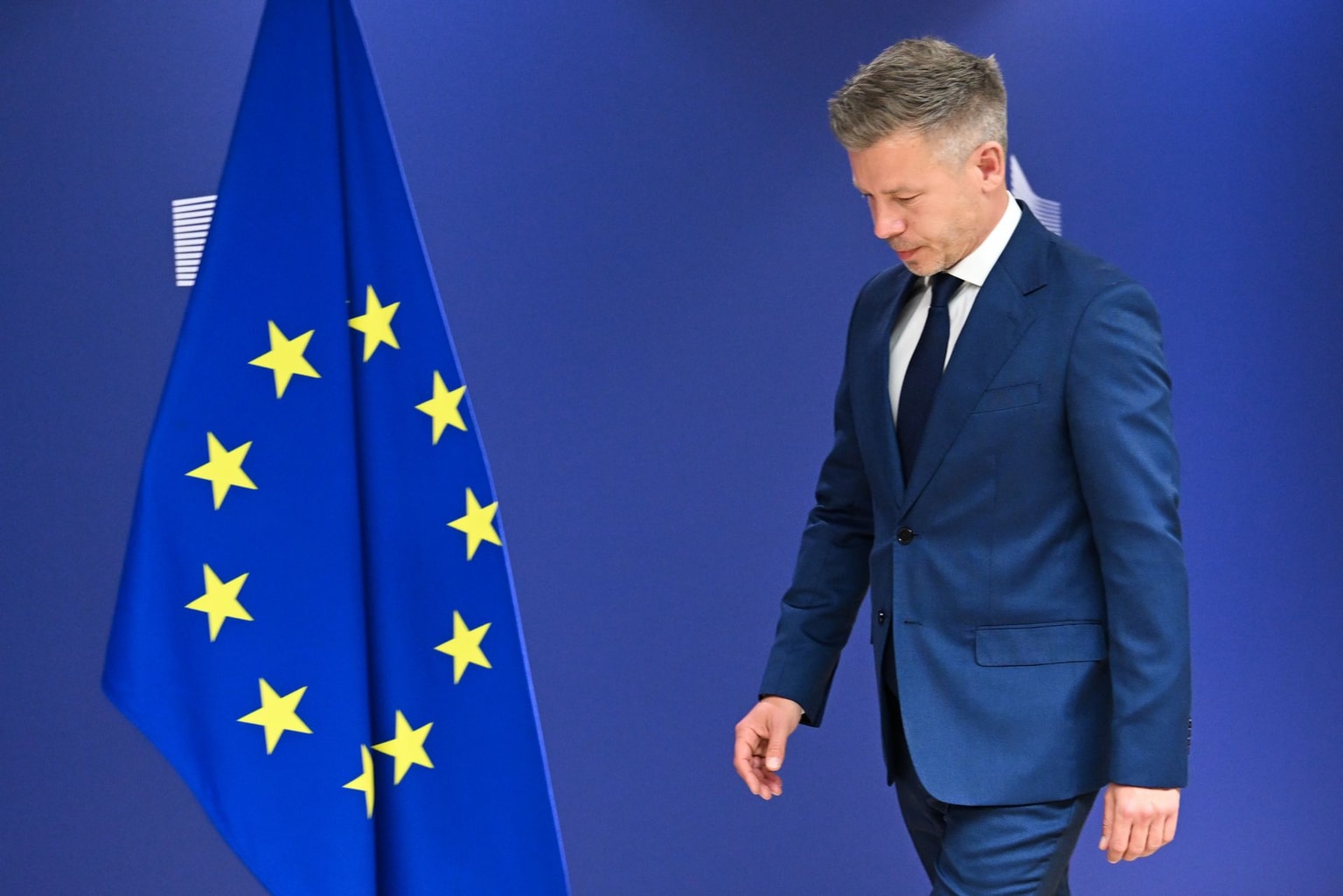
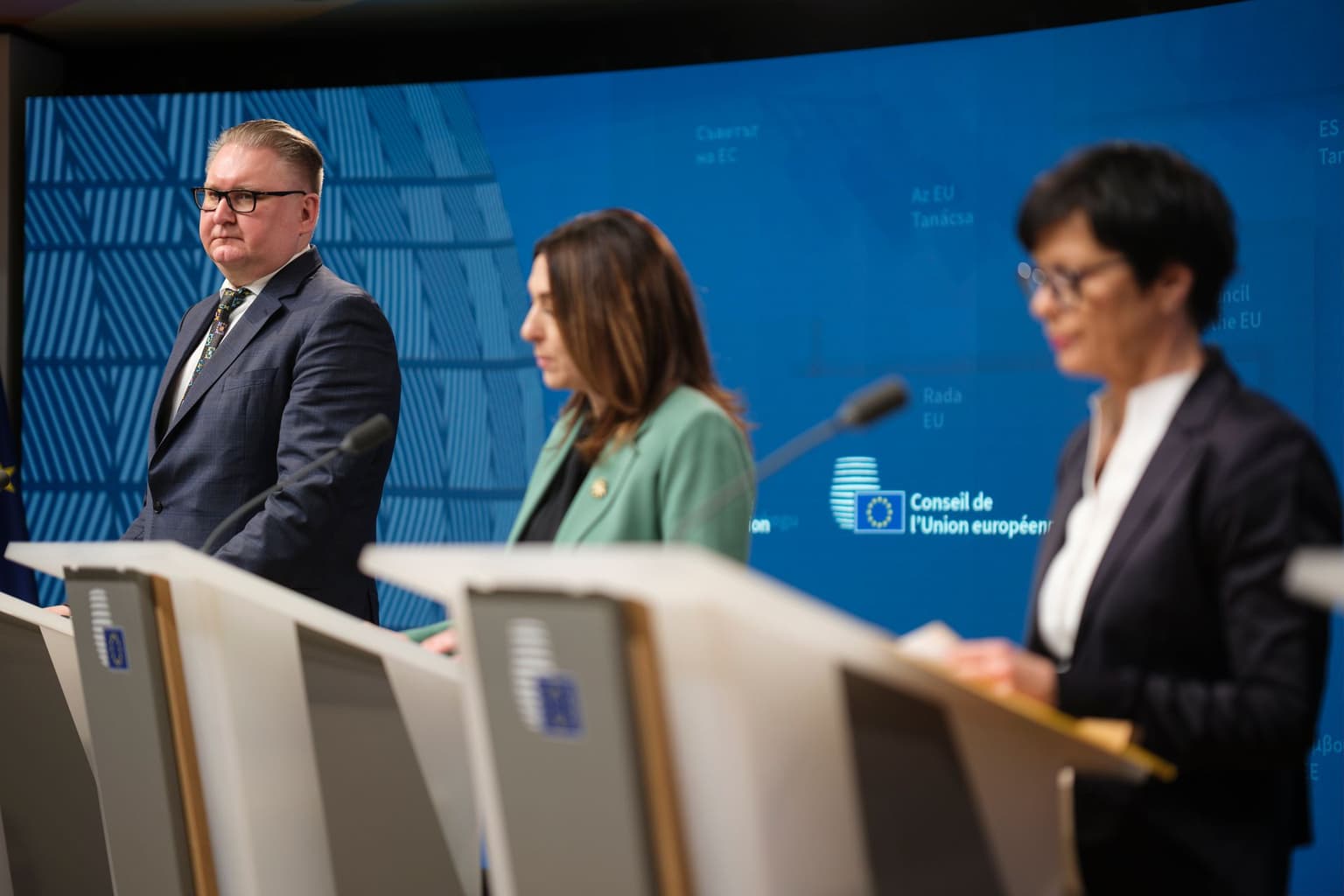
On the morning of July 14, Kyiv opened another cluster, with Moldova following suit later that day. The EU's enlargement commissioner, Marta Kos, told journalists that the cluster covers external relations, defense, and the tackling of hybrid threats — topics grouped under Cluster 6.
"The future security architecture of our continent is unimaginable without Ukraine," Kos said at a press conference after the cluster was formally opened.
"Ukrainians have turned their country into a military powerhouse with capabilities few other nations can match… rebuilding Europe's defense needs to build on this experience," Kos continued, adding that the country "carries more geopolitical weight than at any point in its history."
What has to be done?
The commissioner stressed that there is still work to be done to comply with the EU's external relations rules.
Those tasks include close collaboration with the European Commission to align Kyiv's trade agreements with third countries that have their own trade agreements with the EU.
Ukraine also needs to align with EU rules on export controls for technologies with potential military uses, screening foreign direct investment, and other areas.
Asked by the Kyiv Independent which specific measures she wants to see implemented, Kos highlighted "the secure exchange of classified information, adoption of the comprehensive strategy to address small arms and light weapons, and the effective implementation of the existing anti-corruption framework."
Separately, there remain four clusters still to be opened, which cover broad swathes of economic policy, the environment, agriculture, and transport, areas in which it may be harder for Kyiv to advance, as some EU countries fear Ukrainian competition.
Ukraine's Deputy Prime Minister for European and Euro-Atlantic Integration Taras Kachka told journalists that "the process of Ukraine's accession is going without any interruptions" and that "we see no major obstacles for the process of accession."
It is still unclear when exactly the remaining four clusters will open.
Kos said in response to a question from the Kyiv Independent that "as you know, the European Commission has the opinion that everything is ready for all clusters to be opened. As soon as possible."
However, Kos was clear that it depends "on the (Irish EU Council) presidency and again on the member states how quickly we could open the rest of the four clusters."
In addition to Ukraine and Moldova opening the external relations cluster, Montenegro and Albania are each expected to close individual chapters, meaning that the EU has certified that the countries are aligned with the bloc on specific policy areas.
"Even if we would have to wait a bit, the technical work is going on," Kos reassured journalists.
"I hope that with the new government in Ukraine, we will get a new push for even more delivery from Kyiv," she added.
However, Kos said she does not want future progress to be held hostage by politicized objections from EU countries.
"We need a strong commitment from (national) leaders in these geopolitical times," Kos noted, adding that she hopes this commitment will come at the autumn summit of EU leaders.