Central Russia's major oil refineries halt production following Ukrainian drone attacks, Reuters reports
 on Google
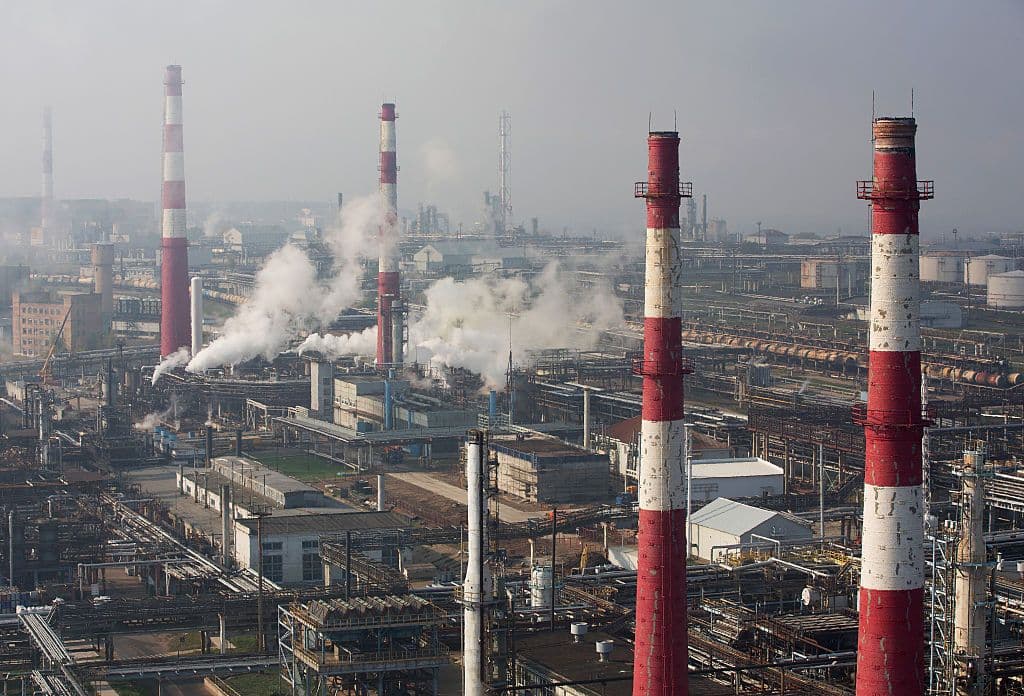
All of central Russia's major oil refineries have completely halted or rolled back production following recent Ukrainian drone strikes, Reuters reported May 20.
The Kirishi oil refinery, one of Russia's largest, has been shut down since May 5, unnamed sources said.
The facility, located in Russia's Leningrad Oblast, has a processing capacity of around 20-21 million tons of oil per year.
Sites in Nizhny Novgorod, Ryazan, Yaroslavl, and the Moscow oil refinery have also been impacted, Reuters reported.
The impacted refineries account for 30% of Russia's gasoline output and 25% of its diesel output.
The capacity of the refineries is 238,000 tons a day or 83 million metric tons a year, which accounts for a quarter of Russia's refining capacity, Reuters reported.
The Kstovo oil refinery was targeted in a May 20 attack, and it remains unclear if the facility has been able to maintain partial production, the outlet reported.
Ukraine's General Staff previously confirmed the May 20 strike on the refinery, which is one of Russia's largest. The Ukrainian attack was the second reported hit on the site within a week.
An AVT-6 oil refining unit was hit, leading to a subsequent fire at the Lukoil-Nizhegorodorgsintez refinery near the town of Kstovo in Russia's Nizhny Novgorod Oblast, the General Staff said.