From showman to commander-in-chief: Zelensky's struggle to balance war, governance, and trust
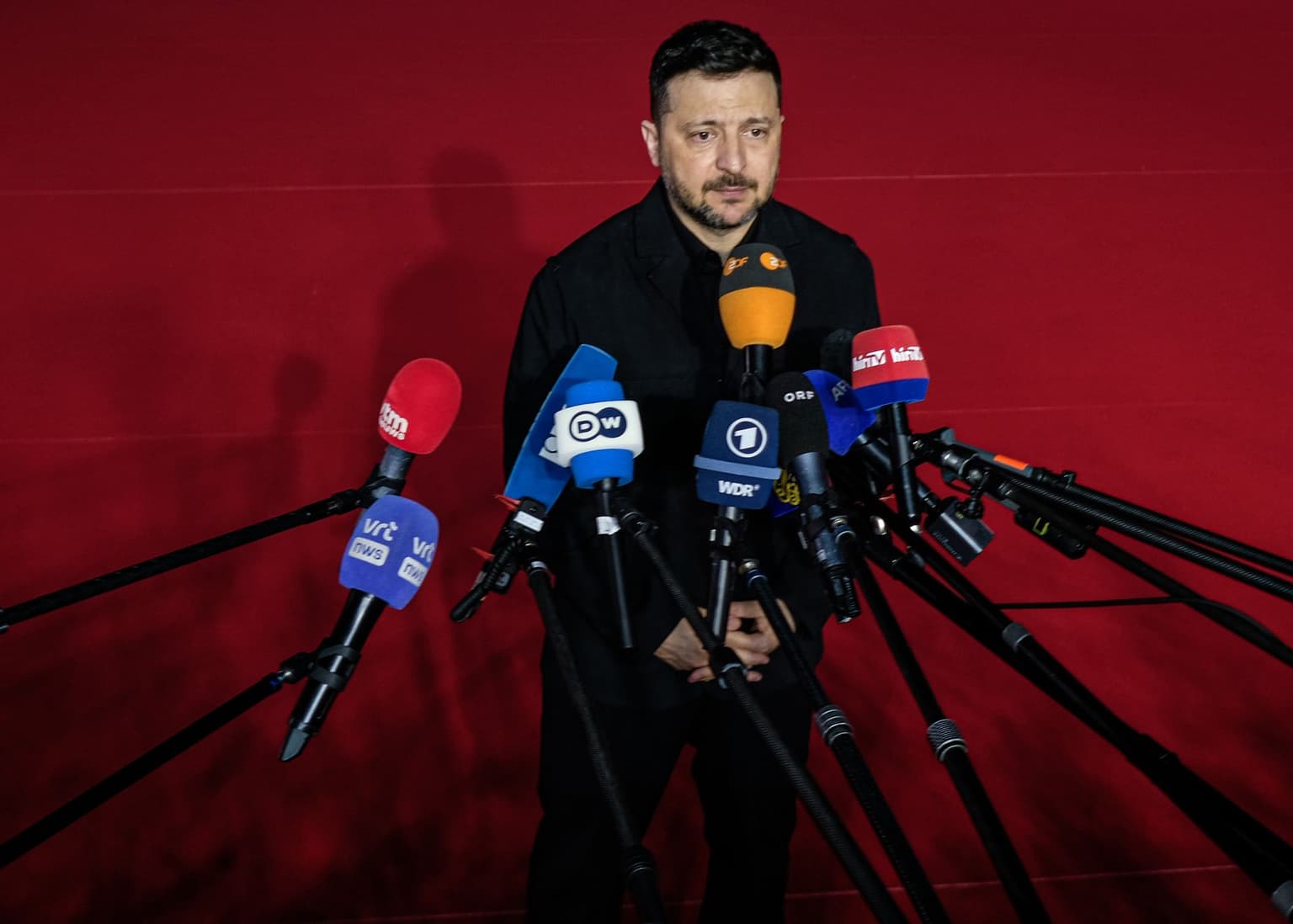
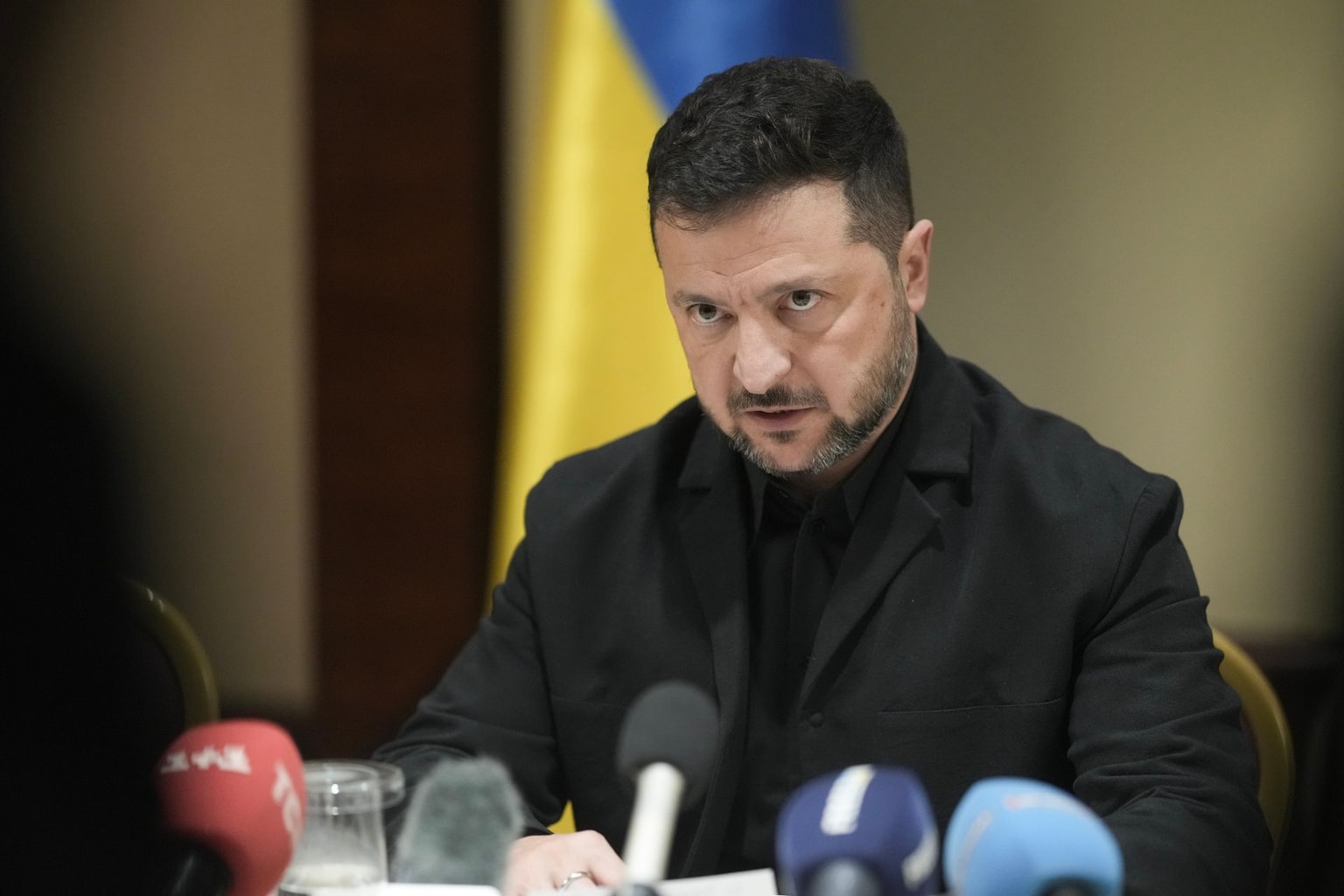
President Volodymyr Zelensky in Ayia Napa, Cyprus, on April 23, 2026. (Byron Smith / Getty Images)
 on Google
Riding a wave of political momentum in 2019, Volodymyr Zelensky, a showman turned wartime leader, could have hardly imagined the path his presidency would take.
Some argue that Zelensky's 2019 election was less of an endorsement of his political platform, a populist one, rather a rejection of the old entrenched elite seen as ineffective and corrupt.
Years later, Zelensky still faces the domestic challenges that confronted his predecessors — issues he once promised to resolve. On the international stage, however, he has amassed significant support for Ukraine, actively working to maintain global backing as his country defends itself against a full-scale Russian onslaught.
While his foreign policy is widely seen as competent and adaptive, experts view his domestic governance as a weaker spot.

"Volodymyr Zelensky is a very controversial figure who can't be judged in black-and-white terms. He reflects the contradictions within Ukrainian society and the Ukrainian political process," political analyst Volodymyr Fesenko told the Kyiv Independent.
"Zelensky continues to embody the conflicting moods of Ukrainian society, both on corruption and on the war."
read also
The war problems
The defining challenge of Zelensky's presidency is now not only to continue fighting Russia's war, but also to bring it to a resolution on terms Ukraine can accept.
The rhetoric coming from Kyiv has transformed throughout the full-scale invasion. At first, Ukraine's leadership spoke the language of endurance and national survival. Later, Zelensky and the country's leadership embraced the language of uncompromising victory.
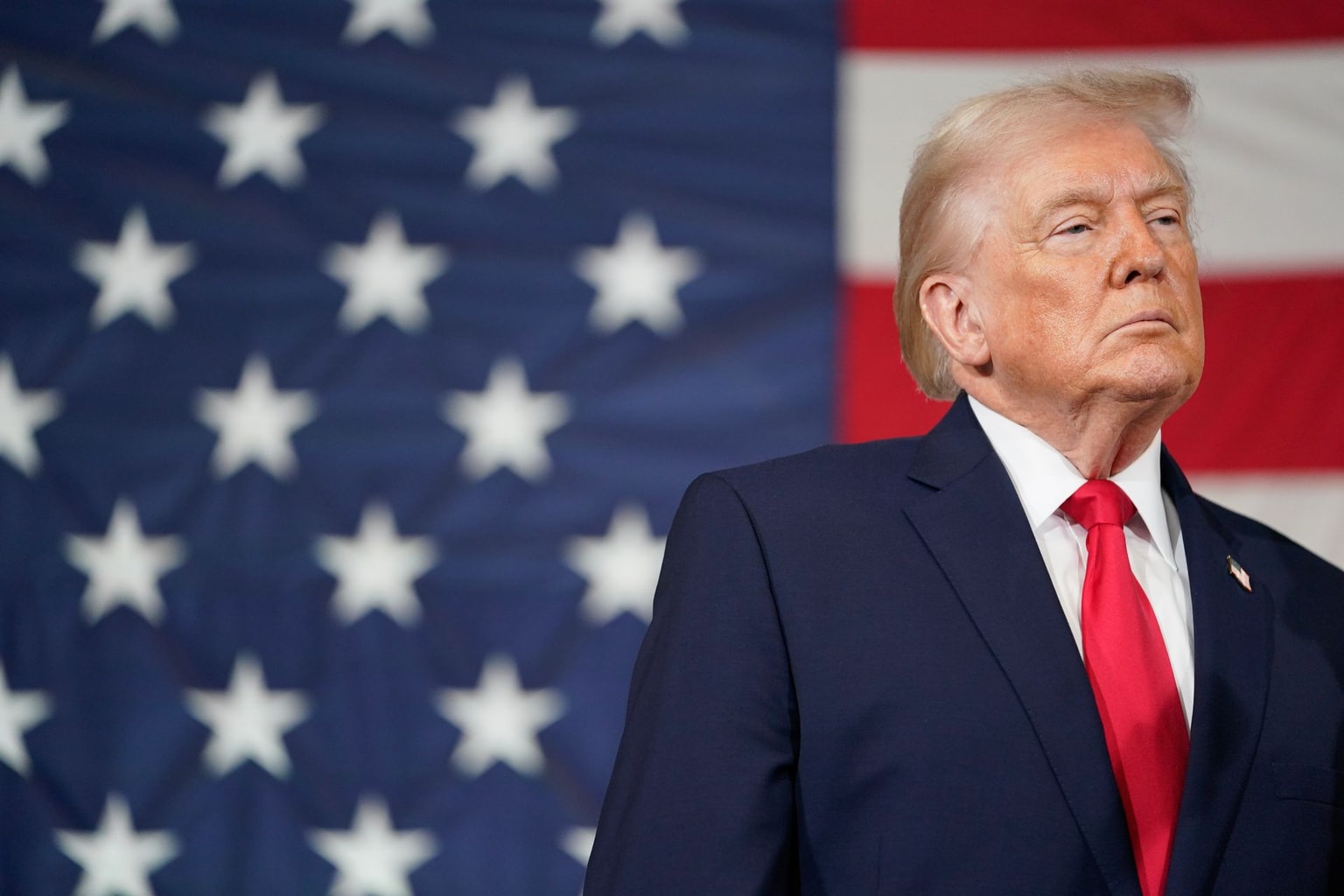
The approach shifted once more with Donald Trump's return to power in Washington. In response, Zelensky adjusted his tone, highlighting a commitment to peace and signaling willingness for a swifter resolution, provided Ukraine's core interests are preserved.

"The main challenge is how to get out of this war without losing dignity," Fesenko said. "How to get out of a war that has already dragged on, and where prolongation is a major risk for us, as well as for Russia."
Experts see mobilization as Zelensky's biggest domestic challenge. Over the past four years, the issue, spanning demobilization, desertion, and fatal conflicts between civilians and draft officers, has become a deeply sensitive and politically fraught topic.
"He is quick to engage with issues that are politically beneficial, but very reluctant to take on topics that could reduce his approval ratings."
Zelensky has largely remained silent on high-profile incidents, including killings involving draft officers. His cautious approach has often produced controversial decisions that were nonetheless welcomed by many Ukrainians. For example, Zelensky backed a decision allowing men aged 18 to 22 to leave Ukraine, which some government officials, military, and business owners see as a major and long-lasting mistake.
Political analyst Ihor Reiterovych believes that the president is likely to keep largely avoiding the main issues.
"He is doing this for the voters. In this regard, the president wants to take credit only for positive outcomes, such as increasing soldiers' salaries," the expert says, referring to the president's recent public initiative.
"Seven years of Zelensky have shown that he is quick to engage with issues that are politically beneficial, but very reluctant to take on topics that could reduce his approval ratings or cause him personal political damage."
Ukrainians' trust
Ukrainians remain split over Zelensky, with both supporters and critics still present. The president remains popular, though his backing appears to be lower than it was seven years ago.
Those interviewed by the Kyiv Independent in the streets of Kyiv point to domestic politics as the president's main weakness.
Valeriia Kulish, a 30-year-old logistics specialist, says she voted for Zelensky in 2019, adding: "But like most Ukrainians, I voted against (then-President Petro) Poroshenko."
"Zelensky is losing (trust) because of the people around him. Very quickly. Because of (former Chief of Staff Andriy) Yermak, because of (attempts to undermine the independence of) NABU and SAPO," she continued.
"I think (Zelensky) is losing trust — at the very least, he has lost my vote."
For Dmytro Kyrychenko, who was also among Zelensky's supporters, the president proved himself a more decisive leader after Russia's full-scale invasion by choosing to stay in Ukraine and lead its defense.
"Then it somehow felt strange that everything was coming back — these corruption scandals… He is responsible for the people he brings into his team. For example, no one elected Yermak."

When Zelensky came to power in 2019, 80% of Ukrainians trusted him, but the number dropped to 37% by February 2022. The level of trust skyrocketed to 90% when Russia's all-out war started.
Over the past year, trust in Zelensky has ranged between 53% and 65%, standing at 58% in April, according to the Kyiv International Institute of Sociology (KIIS).
"I don't think Zelensky drew the necessary conclusions, and his sense of messianism has only intensified," says Oleksii Haran, politics professor at the Kyiv Mohyla Academy and research advisor at the Democratic Initiatives Foundation.
"He did not begin preparing the country for a prolonged war, he avoided making unpopular decisions, he started shifting responsibility for mobilization onto parliament, and this ultimately led to the enormous mistakes we are seeing now."
According to Reiterovych, the full set of problems Zelensky has faced since the beginning of his presidency, including personnel decisions and poor communication on sensitive issues, has not disappeared.
"The war has somewhat overshadowed it and made it less relevant," the expert added.
The start of the year marked Zelensky's biggest wartime personnel shake-up, following the dismissal of his right-hand man, Yermak, who had wielded his influence across all branches of government. Yet his removal is seen less as a systemic reset and more as the elimination of a source of internal pressure and toxicity.
"By dismissing Yermak, he did not solve the personnel problem," Reiterovych said. "Zelensky's staffing policy remains the same as before, and this is currently the biggest challenge facing the president."
A developing corruption scandal
Haran believes the largest corruption scandal of Zelensky's tenure may offer the president an opportunity to reset his administration, even if it ultimately leaves a stain on his long-term political future.
During his time in office, several officials from Zelensky's administration faced charges. Yermak was charged in a major money-laundering investigation and briefly held in custody. Two of Yermak's former deputies — Andrii Smyrnov and Rostyslav Shurma — have been charged in prior cases, while another top official from the President's Office, Oleh Tatarov, was under investigation, yet remained in his post.
Zelensky has remained silent on most of these developments.

"Fighting corruption is not about fighting specific political figures," Fesenko argues. "It is a systemic phenomenon that long ago outgrew individual political forces. That is exactly why presidents and governments change, while corruption remains."
Anti-corruption agencies said Zelensky is not implicated in the corruption probe over the construction of four luxury houses outside Kyiv, three of which were allegedly designated for his allies. Under Ukrainian law, a sitting president is immune from prosecution.
Some Ukrainians interviewed by the Kyiv Independent said that, even amid the scandal and despite what they described as the president's "personal responsibility" for the alleged corruption of his inner circle, elections should only be held after the war ends or an actual ceasefire is reached.
If elections had taken place, Zelensky would have made it into the runoff, according to a December poll conducted by SOCIS. He would lose the runoff to Valerii Zaluzhnyi, Ukraine's ambassador to the U.K. and to his own chief of staff, Kyrylo Budanov, according to the same poll.
"During the war, there should be no elections, but after the war, he definitely won't remain the leader," believes Viltalii Bolotskyi, an entrepreneur from Kyiv.
"He needs to be more open and tell people the truth," he continued. "He won't change my opinion, but for others he might."
Note from the author:
Hello there! This is Kateryna Denisova, the author of this piece. Despite Russia's ongoing full-scale war, Ukraine's domestic politics has been back in the spotlight.
Please consider supporting our reporting. We promise to deliver more stories on this topic going forward.
Thank you.