The US blue wave is not blue and yellow — yet

Attendees react to election results projecting Texas Democratic Senate candidate and state Rep. James Talarico as the winner during a midterm election night watch party held by the Democratic Congressional Campaign Committee (DCCC) at the AC Hotel Washington DC Capitol Hill Navy Yard in Washington, D.C., U.S., on Nov. 3, 2026. (Tom Brenner / Getty Images)
 on Google

Nana Gongadze
Former Director of Congressional Advocacy Communications at Razom
The results of the 2026 U.S. midterm elections have brought the Democratic Party a largely anticipated, if nonetheless remarkable in scale, victory. Democrats have outperformed even the most optimistic expectations, dramatically shifting the balance of power in Washington in their favor.
With the coalition that brought Donald Trump back to the White House two years ago now under strain, those following Washington's Ukraine policy may well be wondering: where does all this leave Kyiv?
Given the anti-Ukraine (and in some cases, pro-Putin) sentiment pushed by members of the MAGA wing of the Republican Party, their backers, and their allies, and the consistency of support for Ukraine amongst most Democrats, the natural question is whether the blue wave will bring a blue and yellow wave to Capitol Hill.
A sober assessment of the situation suggests that Ukraine will not be at the top of the agenda for Congress come Jan. 3rd, but there is much Democrats can do that can greatly help Ukraine — if they seize the moment and take up the cause.
First, it is important to note the obstacles that remain and have newly emerged.
This was an election driven heavily by issues of affordability. Foreign policy issues were more relevant to voters in this race than they usually are, but the focus was more on how Trump's foreign policy (Iran war and tariffs) has driven up the cost of living. This is on top of years of decreasing economic mobility for most Americans.
Democrats smartly took advantage of these grievances and won. They have signaled that a main priority is addressing them. This means Ukraine could likely fall down the priority list.
Though the number of pro-Ukraine legislators overall is up, the bipartisan coalition supporting Ukraine is left smaller and weaker.
The blue wave also took down a number of the strongest advocates for Ukraine in Congress on the Republican side, including Brian Fitzpatrick, Mike Lawler, and Susan Collins. Several others on both sides chose not to run for re-election, including Steny Hoyer, Jeanne Shaheen, Michael McCaul, and Don Bacon. These outgoing members deserve credit for their leadership on Ukraine, particularly when it put them at odds with their own party and President.

Though the number of pro-Ukraine legislators overall is up, the bipartisan coalition supporting Ukraine is left smaller and weaker.
The bipartisan nature of Ukraine support has helped ensure that pro-Ukraine bills have been able to pass through Congress both when it was controlled by Democrats and by Republicans. It is conceivable that a GOP that is diminished and missing some of its key pro-Ukraine members could be far less amenable to reaching across the aisle and voting in favor of pro-Ukraine policies, especially if President Trump fans the flames.
Of course, these pro-Ukraine measures were significantly harder to pass under the leadership of Speaker Mike Johnson in the House. The loss of GOP control of Congress and the critical majority committees removes a major obstacle for the passage of pro-Ukraine bills. The wide margin of the Democratic advantage also helps offset challenges brought on by members of Congress on both sides who are less supportive of Ukraine.
With their new Congressional control, Democrats have wide latitude to pursue pro-Ukraine legislation. It will be easier, smoother, faster, and less politically tricky to fold Ukraine aid into the appropriations process. Influential Intelligence Committee member Jim Himes recently said as much, pointing out that Democratic control drastically speeds up potential aid packages and that Democrats can demand pro-Ukraine policy from Trump in budget negotiations.
In Washington, leverage is power, and the Democrats will have it firmly in their hands come January.
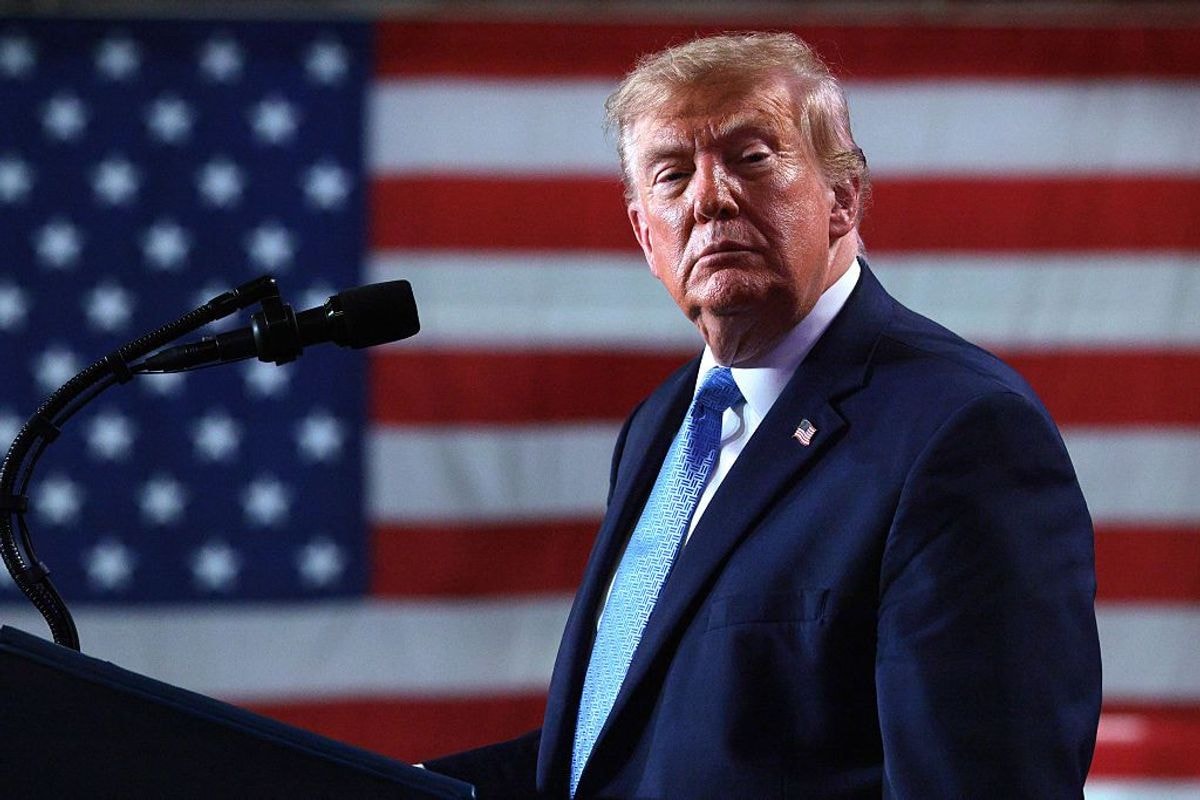
Trump's own swift acceptance of the results and comments that he is eager to work with Democrats suggest that even he has, to some degree, accepted his lame-duck status.
Trump remains Ukraine’s largest vulnerability.

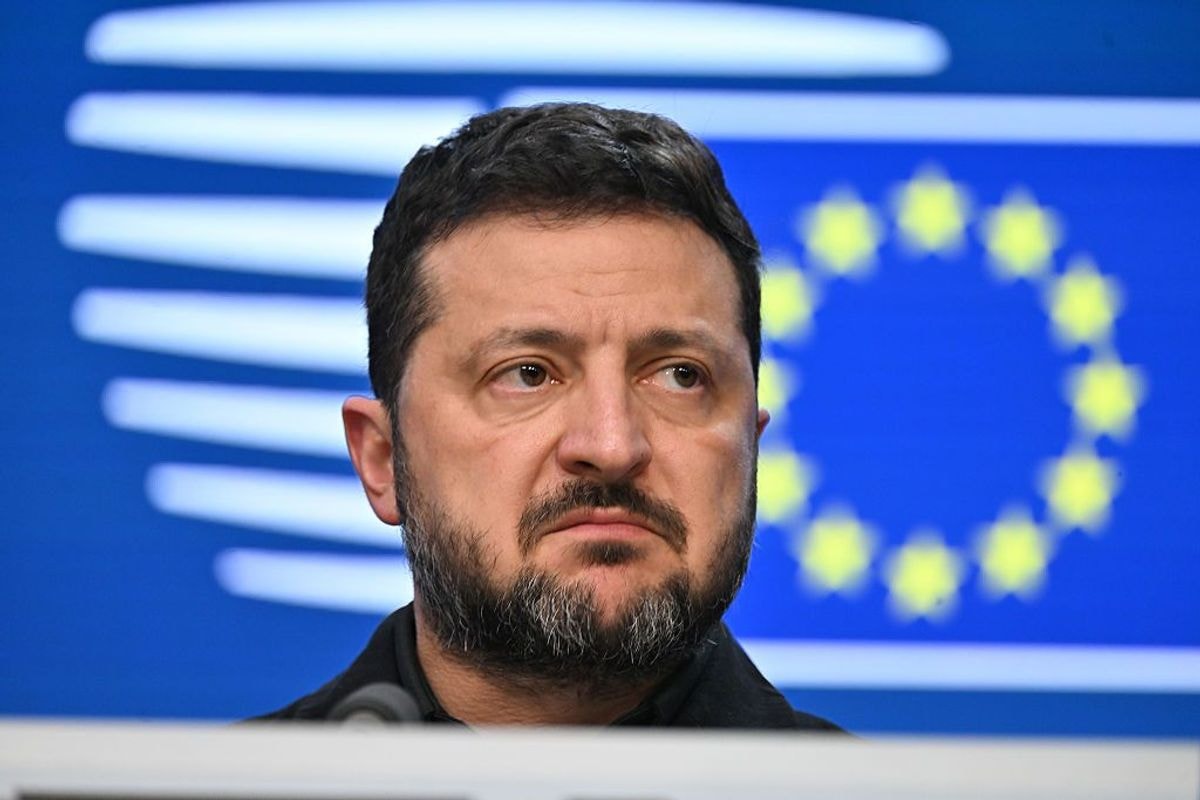
Still, Trump remains Ukraine's largest vulnerability. He has returned in recent months to his earlier position as President Volodymyr Zelensky's antagonist, and pursued a variety of pro-Putin measures including the suspension of tariffs and secondary tariffs against Russia and its backers, and an attempt to import Russian diesel.
In an administration so beholden to the President and his shifting whims, and so little to the rule of law, precedent, and international alliances, Trump can and likely will still do plenty of damage to Ukraine before he leaves office.
It cannot be underscored enough that this will mean more Ukrainian civilian and military deaths, greater damage to Ukrainian infrastructure, and further danger for the world, as Russia continues to threaten it.
But Democrats have a chance to take steps that would diminish Trump's anti-Ukraine moves, and they have already started to take them.
In response to the gas deal, Democrats capitalized on their correct intuition that they might soon control Congress and took a stand in favor of Ukraine. Members and some state-level officials, such as New Jersey Governor Mikie Sherrill, sent letters to energy companies, banks, and port operators warning that involvement with this Russian diesel would subject them to legal consequences. Reports suggest that these measures have worked.
These kinds of brakes on Trump are exactly the sort that Democrats should enforce to lessen the damage he can do, to save Ukrainian lives, and to weaken Russia. They should not wait for January either — Russian President Vladimir Putin and winter certainly will not — knowing what is coming on Jan. 3rd.
The Democrats' biggest advantage, at that point, is their mandate. Americans resoundingly said no more to Trump. Democrats should take that to mean no more to the administration's policy of cozying up with Putin at the expense of Ukraine, and act accordingly.
Editor's note: The opinions expressed in the op-ed section are those of the authors and do not purport to reflect the views of the Kyiv Independent.