Ukrainian military delivers 4 tons of food to occupied Oleshky by drones, according to regional authorities
 on Google
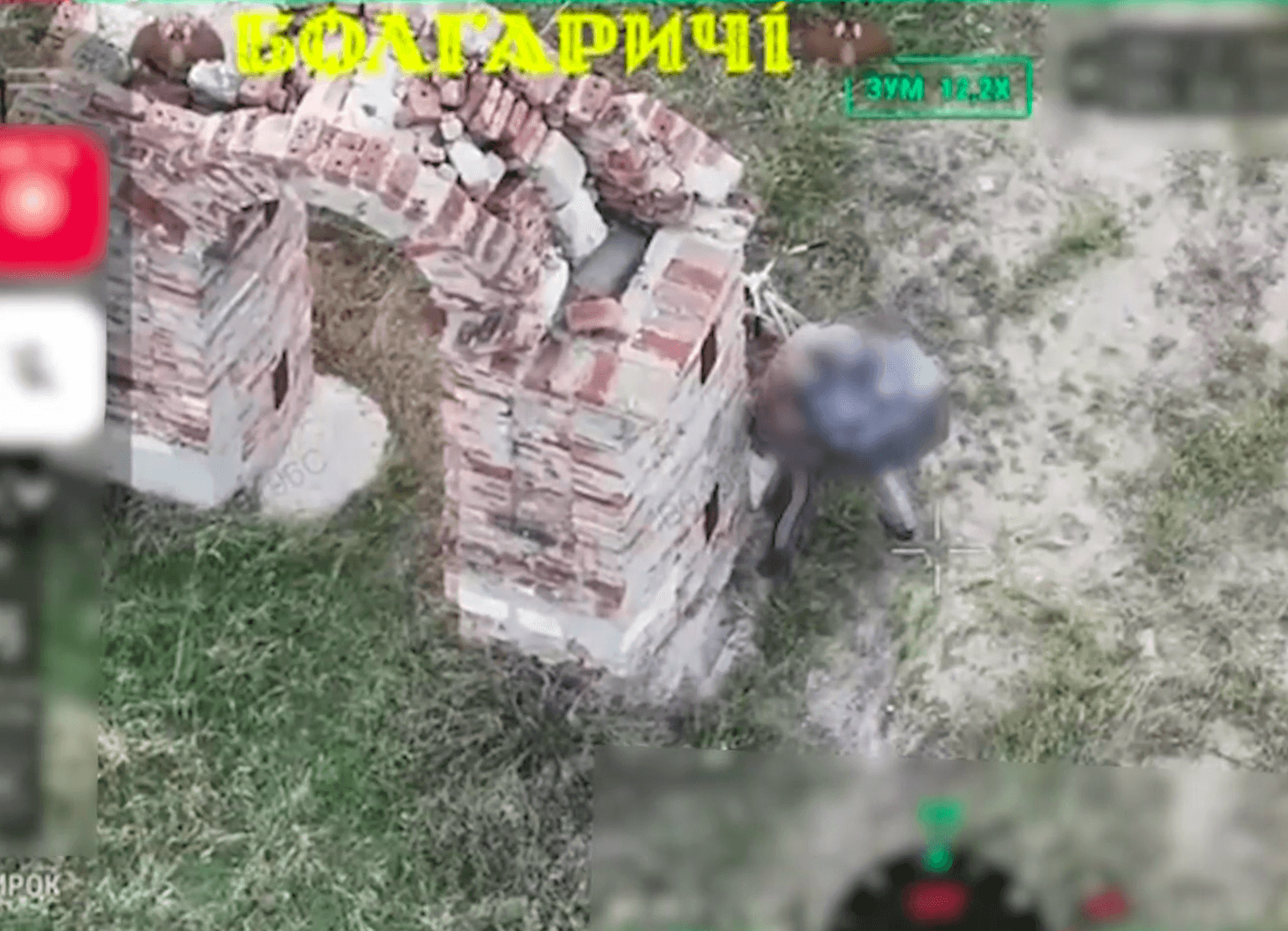
Ukrainian forces have delivered around four tons of food to residents of the occupied front-line town of Oleshky in Kherson Oblast, distributing supplies to 100 locations across the city with the help of drones, the Kherson Oblast Military Administration head said on Sept. 27.
The operation was carried out in cooperation with several Ukrainian military and law enforcement units, according to Kherson Oblast Governor Oleksandr Prokudin.
Residents of Oleshky have reported that the town is running critically low on food due to a lack of supplies, while only a small number of residents have managed to evacuate.
The drone delivery is part of an effort that has been supplying food to Oleshky residents by drone since March 2026, according to the governor.
A local resident who left Oleshky in April told the Kyiv Independent that drones had previously delivered food.
"(Drones) dropped the packages in several places. (The packages) contained a little bit of medicine and food. I don't know whose drone it was, but I reckon it was Ukraine that dropped them for us," the resident said.
Prokudin said Russian forces have attempted to disrupt the deliveries, including by shooting down the drones carrying food. He also accused Russian forces of confiscating or reselling humanitarian supplies and detaining residents who receive aid.
"The occupiers are detaining residents of Oleshky for receiving humanitarian aid parcels, throwing them 'into the cellar', beating them brutally and resorting to violence," Prokudin said.
Volunteers who used to organize the evacuation from Oleshky raised concerns about such deliveries in local Telegram groups, saying they feared this might lead to checks from the Russian side and a "nightmare for people".
The last successful food delivery to the city by vehicles was on May 26. Further attempts to supply the city on June 2 and Sept. 1 were disrupted by Russian drone attacks that killed two and injured others.
Oleshky lies on the eastern bank of the Dnipro River, less than 4 kilometers (2.5 miles) from the regional center of Kherson. The town has been under Russian occupation since Feb. 24, 2022.
Oleshky's population has fallen from around 24,000 to approximately 2,000 as of spring 2026, according to the Foreign Ministry.
While Russian troops occupy Oleshky and the eastern bank of the Dnipro River in Kherson Oblast, the Ukrainian military controls the western bank. Russian troops use towns and villages on the eastern bank to launch attacks across the river, including on the liberated city of Kherson.
Russian forces have placed guns, mortars, and mines in and around residential neighborhoods due to the city's proximity to Ukrainian-controlled territory, Oleksandr Tolokonnikov, deputy head of the Kherson Regional Military Administration, told the Kyiv Independent.
Tolokonnikov said Russia shields its positions from Ukrainian strikes through the continued presence of civilians.
"Oleshky and its people are necessary for Russian troops so that Ukrainian troops cannot actively attack them in these settlements," he said.

In spring 2026, evacuation volunteers still managed to help people from Oleshky leave for other occupied settlements in Kherson Oblast or Ukraine-controlled areas in exhausting multi-day trips. Now, they said, the high risk made evacuation impossible.
In recent weeks, some residents have started walking out of Oleshky to the neighboring village of Radensk alone or in pairs, on roads mined by Russian forces.
Russian forces are preventing Ukraine and international humanitarian organizations from accessing the occupied territories to provide aid.
On Sept. 25, the Council of Europe Commissioner for Human Rights, Michael O'Flaherty, raised concerns about the worsening humanitarian situation in Oleshky. O'Flaherty said civilians, including children, were struggling to access adequate food, medicine, medical care, clean water, and electricity, warning that some could face a serious risk to their lives.
O'Flaherty said international humanitarian law requires occupying authorities to ensure civilians have access to food and medical supplies and to facilitate the delivery of humanitarian aid.
"The hardship and suffering of people caught along the frontlines of the war and in occupied territories demand international attention and action," O'Flaherty said.