News from occupied Ukraine: Oleshky crisis continues, Europe's human rights chief calls for 'immediate local ceasefire'
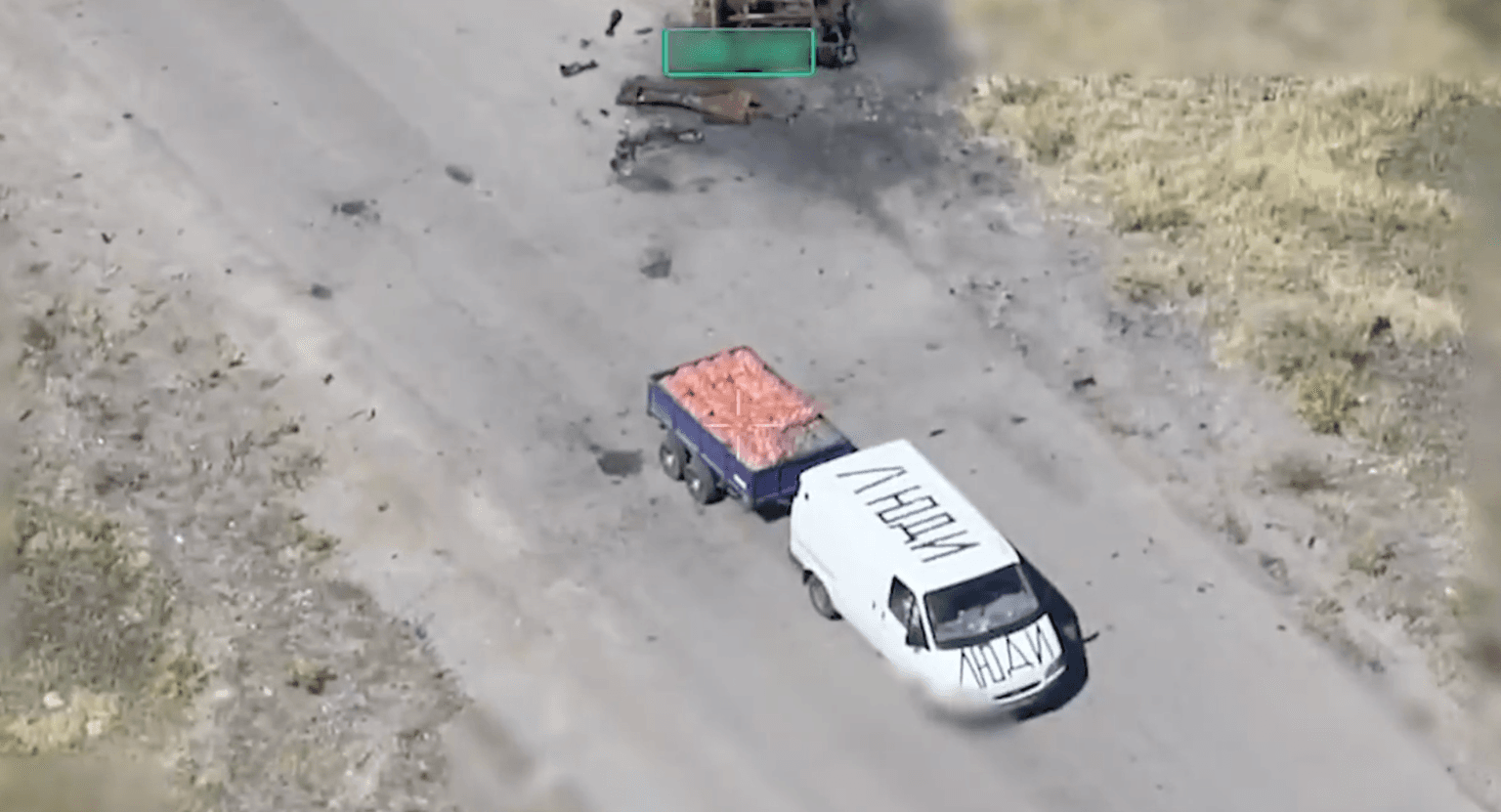
Vehicles carrying food and supplies into Oleshky marked with the word "people" attacked by drones, in Russian-occupied Oleshky, Kherson Oblast, Ukraine, in a screenshot from a video published on Sept. 2, 2026. (Kherson Oleshky / Telegram)
 on Google
This weekly update from the Kyiv Independent aims to shed light on the situation facing Ukrainians living under Russian occupation and the ever-tightening control of information imposed by the Kremlin.
Key news as of Sept. 26:
- Council of Europe rights commissioner warns of 'alarming' situation in Oleshky
- Russia used parliamentary elections to legitimize occupation of Ukrainian territories
- Ukraine strikes Russian radar stations, drone site in occupied territories
- Ukraine brought back 23 children from Russian-occupied territories over last week
- US allocates $27 million for the return of Ukrainian children kidnapped by Russia
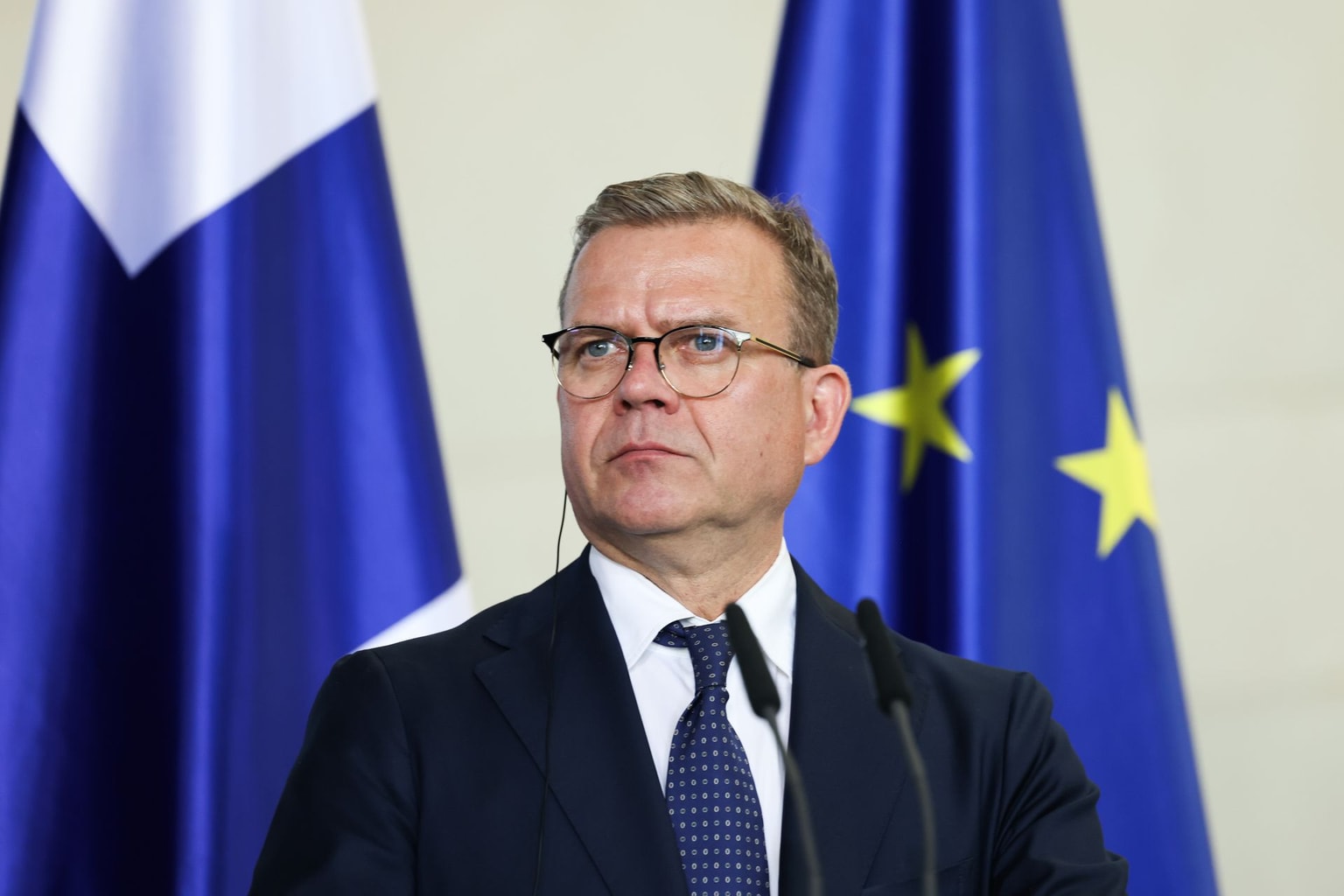
Amid the ongoing humanitarian crisis in Russian-occupied front-line town of Oleshky, Michael O'Flaherty, commissioner for human rights at the Council of Europe, said on Sept. 25 that the situation in the city is "alarming."
The humanitarian situation in Oleshky has sharply deteriorated in recent months, as residents face prolonged shortages of food, drinking water, and basic utilities.
"I am alarmed by the rapidly deteriorating humanitarian crisis in Oleshky... Under international humanitarian law, Russia, as the occupying power, has the duty to provide food and medical supplies and to facilitate humanitarian relief. I call for an immediate local ceasefire, unhindered humanitarian access, and the safe evacuation of civilians," O'Flaherty said.
"The hardship and suffering of people caught along the frontlines of the war and in occupied territories demand international attention and action."
As winter approaches, residents are forced to remain in a city where basic necessities are disappearing or attempt to leave along mined roads threatened by Russian drones.
The last successful food delivery to the city was on May 26. Further attempts to supply the city on June 2 and Sept. 1 have been disrupted by Russian drone attacks that killed two and injured others.
Oleshky has also had no reliable electricity or running water, and the destruction of the nearby Kakhovka Dam in 2023 further degraded the city's water and utility infrastructure.
On Sept. 25, an Oleshky resident told the Kyiv Independent that the situation has not improved.
"It's been raining for almost a day, and the house I'm staying in has no roof. So it's leaking, and the walls are damp. It's getting colder. We're running low on firewood. There have been casualties and fatalities among civilians over the past week," they said.
While Russian troops occupy Oleshky and the eastern bank of the Dnipro River in Kherson Oblast, the Ukrainian military controls the western bank. Russian troops use towns and villages on the eastern bank to launch attacks across the river, including on the liberated city of Kherson.
Russian forces have placed guns, mortars, and mines in and around residential neighborhoods due to the city's proximity to Ukrainian-controlled territory, according to Oleksandr Tolokonnikov, deputy head of the Kherson Regional Military Administration.
Tolokonnikov said Russia shields its positions from Ukrainian strikes through the continued presence of civilians.
"Oleshky and its people are necessary for Russian troops so that Ukrainian troops cannot actively attack them in these settlements," he said.
In spring 2026, evacuation volunteers still managed to help people from Oleshky leave for other occupied settlements in Kherson Oblast or Ukraine-controlled areas in exhausting multi-day trips. Now, they said, the high risk made evacuation impossible.
In recent weeks, some residents have started walking out of Oleshky to the neighboring village of Radensk alone or in pairs, on roads mined by Russian forces.
Ukraine had prepared a humanitarian evacuation mission for Oleshky and approved a list of civilians who needed to leave, according to Lubinets. The International Committee of the Red Cross (ICRC) had also expressed readiness to participate, while Ukrainian forces had been preparing to observe a temporary ceasefire during the mission, he said.
But Russia has not confirmed its readiness to proceed, according to Lubinets. Ukraine continues to press Russia to allow the evacuation and remains in contact with the ICRC and other international organizations, he added.
read also
Russia used parliamentary elections to legitimize occupation of Ukrainian territories
As Russia held its parliamentary elections from Sept. 18 to 20, it also organized, for the first time, the vote in Ukrainian territories that Russia illegally claims as its own.
Ukraine and the European Union have rejected the vote as illegal.
Russia uses sham elections in Ukrainian territories under military occupation to project the image that residents accept Russian rule and are integrated into Russia's political system, according to Ukrainian officials and human rights organizations.
"Above all, for (the Russians), it was a matter of political loyalty. They want to show that the population of the occupied territories supports Russia's political course and is part of the Russian reality. They want to demonstrate this to the whole world," Dementiy Bilyi, a Ukrainian election expert, political scientist, and historian, told the Kyiv Independent.
The head of Russian occupation authorities in Donetsk Oblast, Denis Pushilin, called participation in the State Duma election the "last political step" in integrating the region into Russia.
Read more here.
Ukraine strikes Russian radar stations, drone site in occupied territories
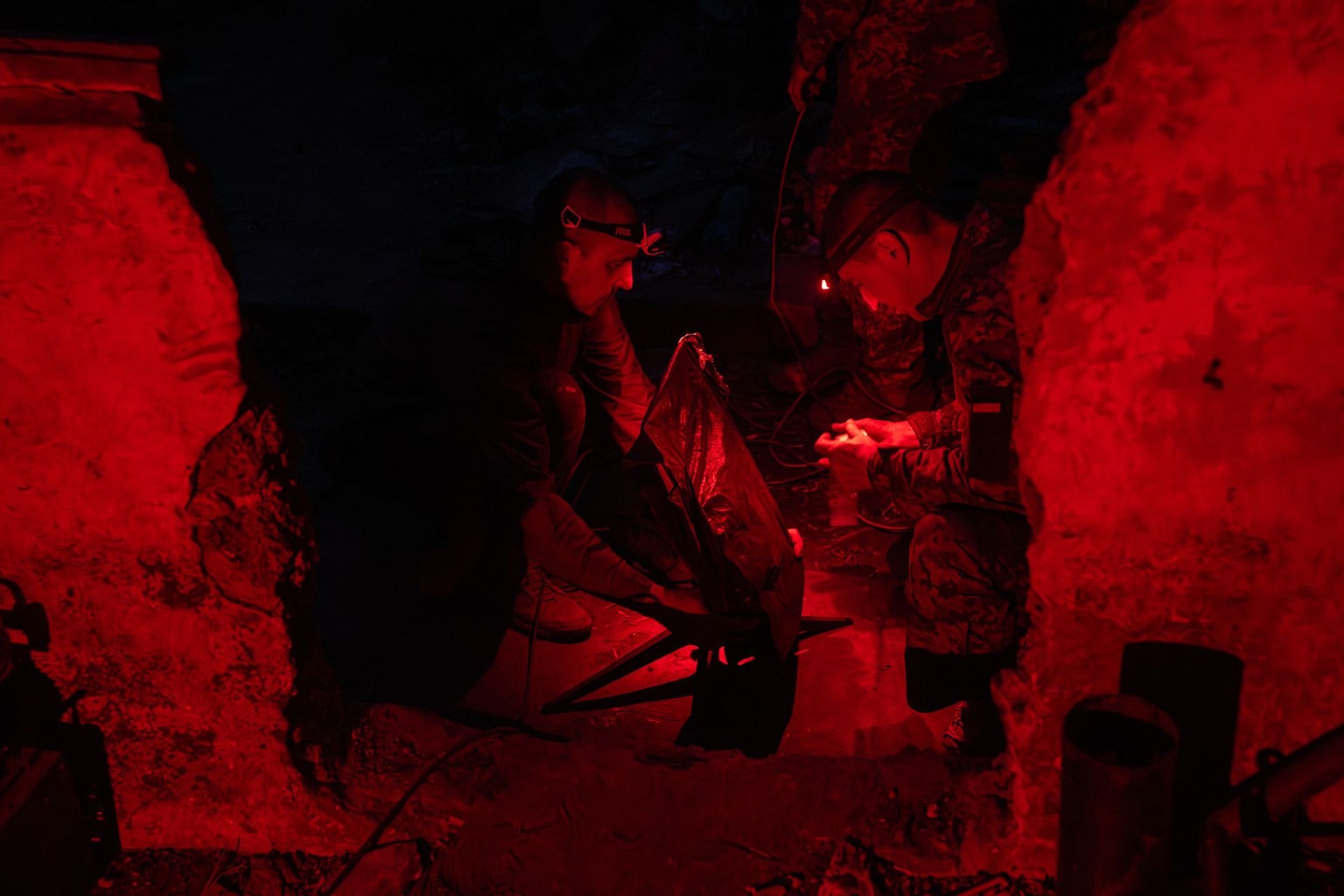
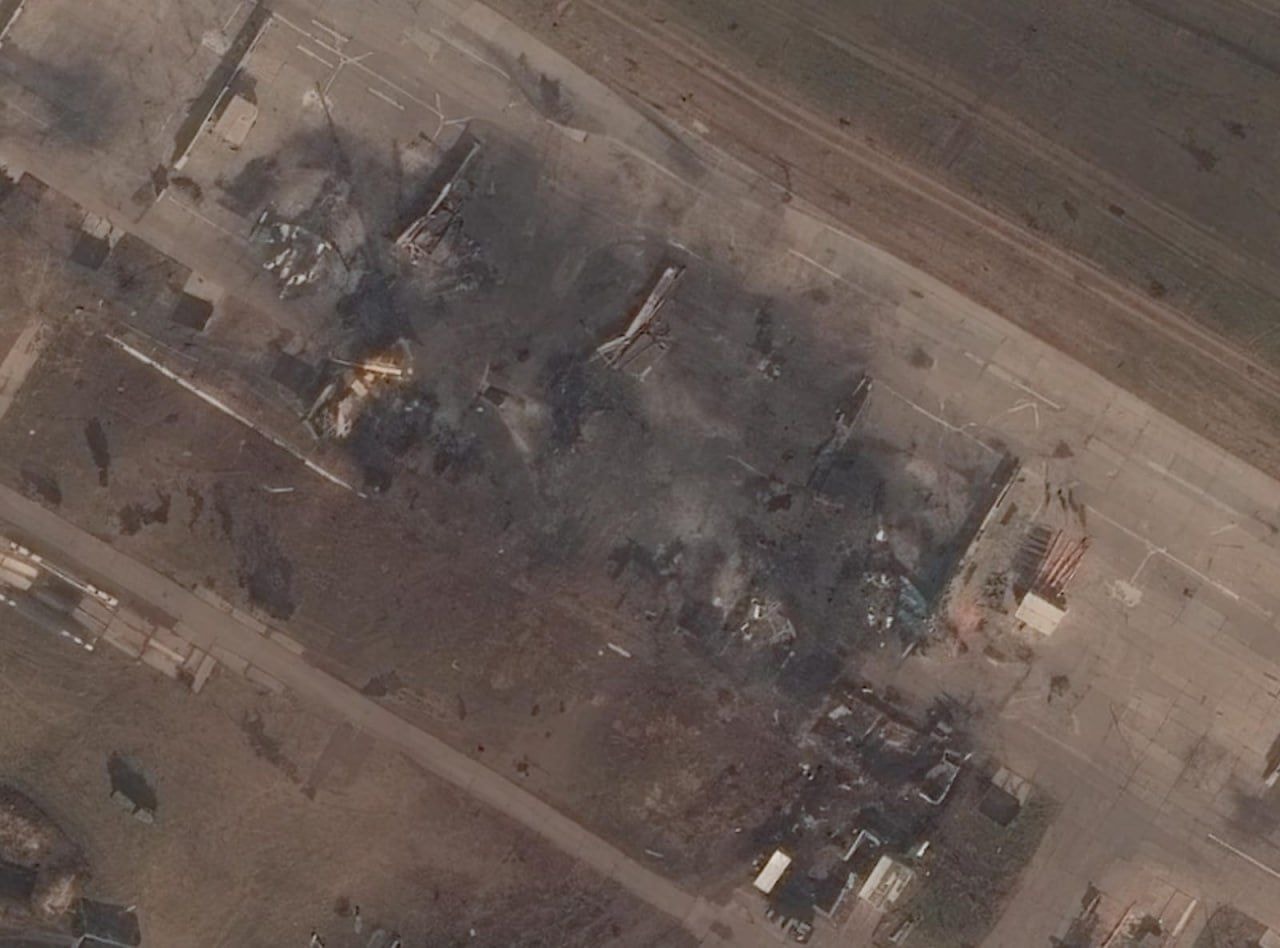
Ukraine's military struck several Russian military targets in occupied parts of Donetsk and Zaporizhzhia oblasts on Sept. 23 and overnight on Sept. 24, including radar stations, a site used to store and launch attack drones, and a fuel depot, Ukraine's General Staff said.
In the occupied part of Donetsk Oblast, a Russian site for storing, preparing, and launching attack drones was hit near the city of Donetsk.
In the occupied part of Zaporizhzhia Oblast, 35N6 Kasta and P-18 radar stations were struck near Yakymivka and Chekhograd, while a Russian fuel and lubricants depot was also hit near Velyka Bilozerka, according to the General Staff.
The strikes are part of a series of attacks on Russian military infrastructure in occupied Ukrainian territories.
On Sept. 22 and overnight on Sept. 23, Ukrainian forces struck Russian drone command posts in Donetsk Oblast, as well as a drone depot belonging to the Rubicon unit near Volnovakha.
They also hit a fuel and lubricants depot in occupied Luhansk Oblast and logistics depots in Donetsk Oblast.
The Rubicon Center for Advanced Unmanned Technologies is a sprawling Russian drone unit and the core of Russia's recently formed Unmanned Systems branch of the military.
The unit specializes in cutting off logistics, hunting Ukrainian drone teams on the ground, and intercepting high-value reconnaissance and strike drones, and is made up of detachments, each numbering several hundred personnel.
Ukraine brought back 23 children from Russian-occupied territories over last week
Ukraine has brought back 23 children and teenagers from Russian-occupied territories to areas under its control in the past week, Save Ukraine, a Ukrainian humanitarian NGO, said in a statement on Sept. 21.
Among the children rescued was 17-year-old Illia, who was forced to attend a school under the occupation regime through blackmail and threats against his family, Save Ukraine said. He lived in constant tension due to regular armed searches, during which Russian soldiers would break into his home and inspect all devices.
Another child, 14-year-old Oleh, was threatened with being taken to an orphanage if he did not attend a Russian school. At school, the boy was pressured by daily propaganda. Russian soldiers regularly came to classes, openly urging teenagers to become combat drone operators.
Save Ukraine did not specify which regions the rescued children came from.
The children were brought back with the help of partners as part of the Ukrainian President's initiative, Bring Kids Back UA.
Dmytro Lubinets, Ukraine's human rights ombudsman, said on Sept. 25 that around 1.6 million Ukrainian children may still be living in the occupied territories.
"They are issued with Russian documents, placed with Russian families, subjected to propaganda and stripped of their Ukrainian identity. They are forcibly displaced," Lubinets said.
He added that Russia is forcibly militarizing childhood, as in schools Ukrainian children are forced to undergo military training, while thousands of young Ukrainians are being conscripted into the Russian army.
"The Russian leadership has a single aim: to continue the war against Ukraine using others' hands. To train a new generation of soldiers," Lubinets said.
read also
US allocates $27 million for the return of Ukrainian children kidnapped by Russia
The U.S. State Department has earmarked $27 million to help return and reintegrate Ukrainian children forcibly deported to Russia, State Department officials announced on Sept. 24.
Russia has abducted tens of thousands of Ukrainian children since the start of the full-scale invasion. As of September 2026, Ukraine's Justice Ministry has officially confirmed 20,610 cases of deportation, though Ukrainian officials estimate the real total could number in the hundreds of thousands.
The U.S. State Department is in the process of granting $12 million to a program to identify, return, and reintegrate Ukrainian children held in Russia and in Russian-occupied territories, officials said on the sidelines of the U.N. General Assembly. Another $15 million has been authorized for the same purpose and will be granted to an implementing organization later this year.
The announcement came during a session on Ukraine's forcibly deported children, according to a statement from Bring Kids Back, an initiative of the Ukrainian president.
"We are sincerely grateful to the United States for its unwavering and strong support of efforts aimed at the return, rehabilitation, and full reintegration of Ukrainian children and young people," Foreign Minister Andrii Sybiha said.
The funding will "ensure full accountability of Russia for its actions," he said.
Maksym Maksymov, Head of Bring Kids Back UA, said that the organization welcomes the progress in implementing the US State Department program.
"Coordination among all actors is critical to its success. This result builds on our long-standing work with the State Department and the U.S. Congress. We thank Congress for its strong bipartisan engagement, which helped make this program possible," Maksymov said.
As of September 2026, Ukraine's Justice Ministry has officially confirmed 20,610 cases of deportation and forced transfer of Ukrainian children to Russia.
In 2023, the International Criminal Court issued arrest warrants for Russian President Vladimir Putin and Russia's Commissioner for Children's Rights Maria Lvova-Belova for their role in state-sanctioned child abductions.