Ukraine strikes 2 Russian oil depots over 500 km away, SBU says
 on Google
Ukrainian drones struck two Russian oil depots overnight in Tver Oblast and Stavropol Krai, more than 500 kilometers (310 miles) from Ukraine, the Security Service (SBU) confirmed on July 9.
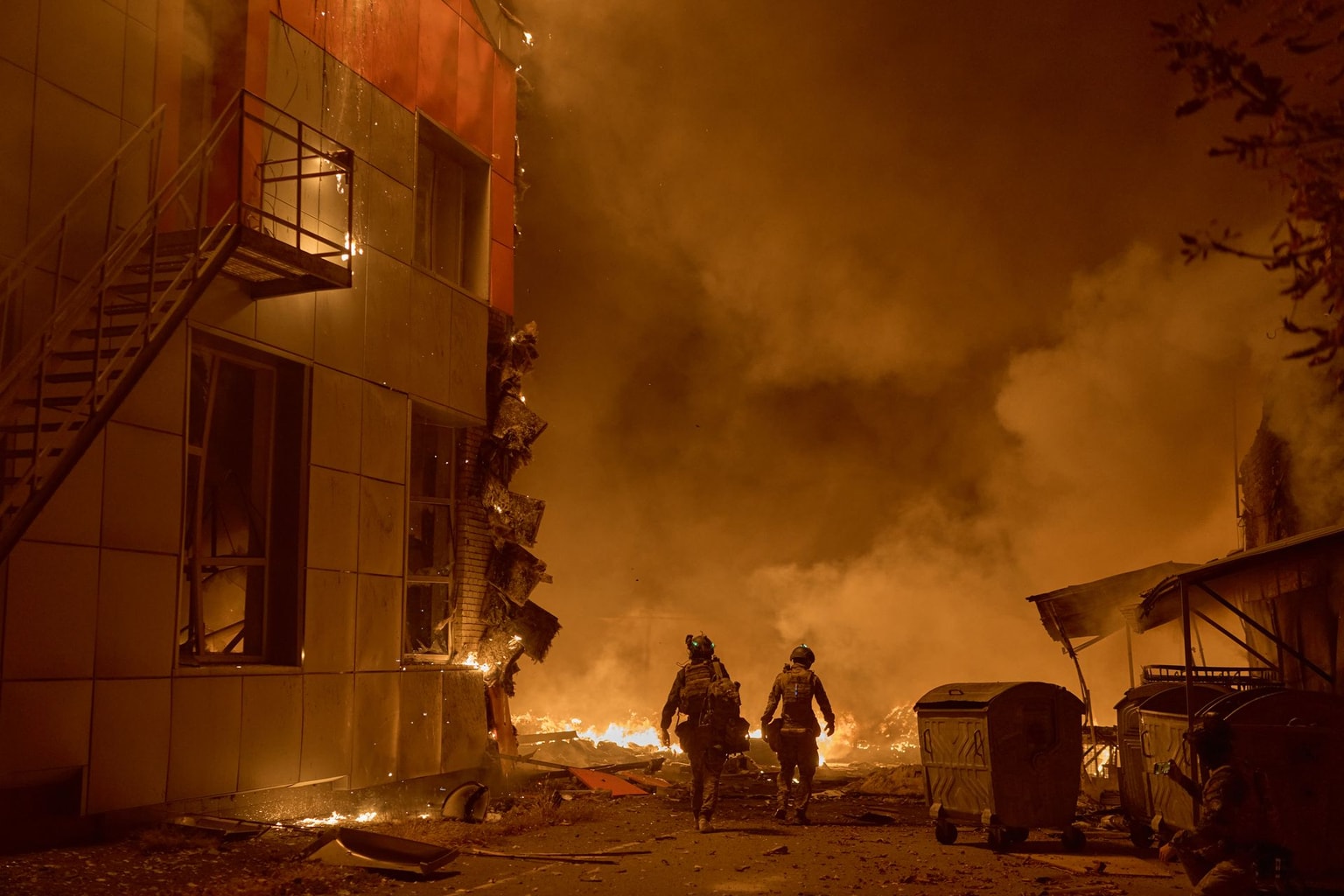
Ukrainian strike drones hit the Krasnaya Zvezda facility, sparking a fire, according to the agency. A large-scale blaze also broke out at the Stavropolskaya oil depot and continued to spread, the SBU said.
Both facilities are used to receive, store, and distribute gasoline and diesel fuel, according to the agency.
"The SBU continues its systematic work to strike Russia's oil sector — one of the key sources of financing for the war against Ukraine," the agency said.
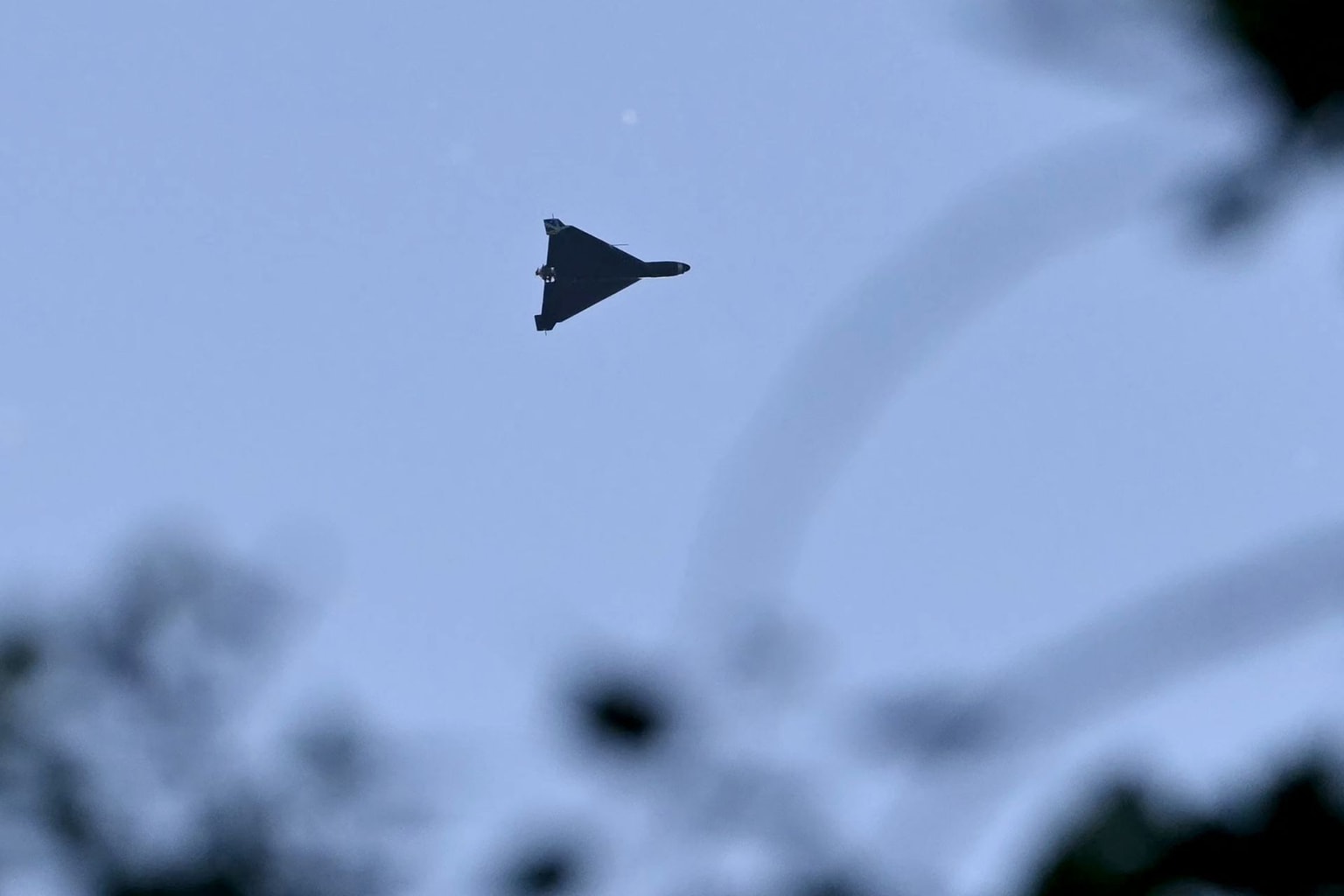
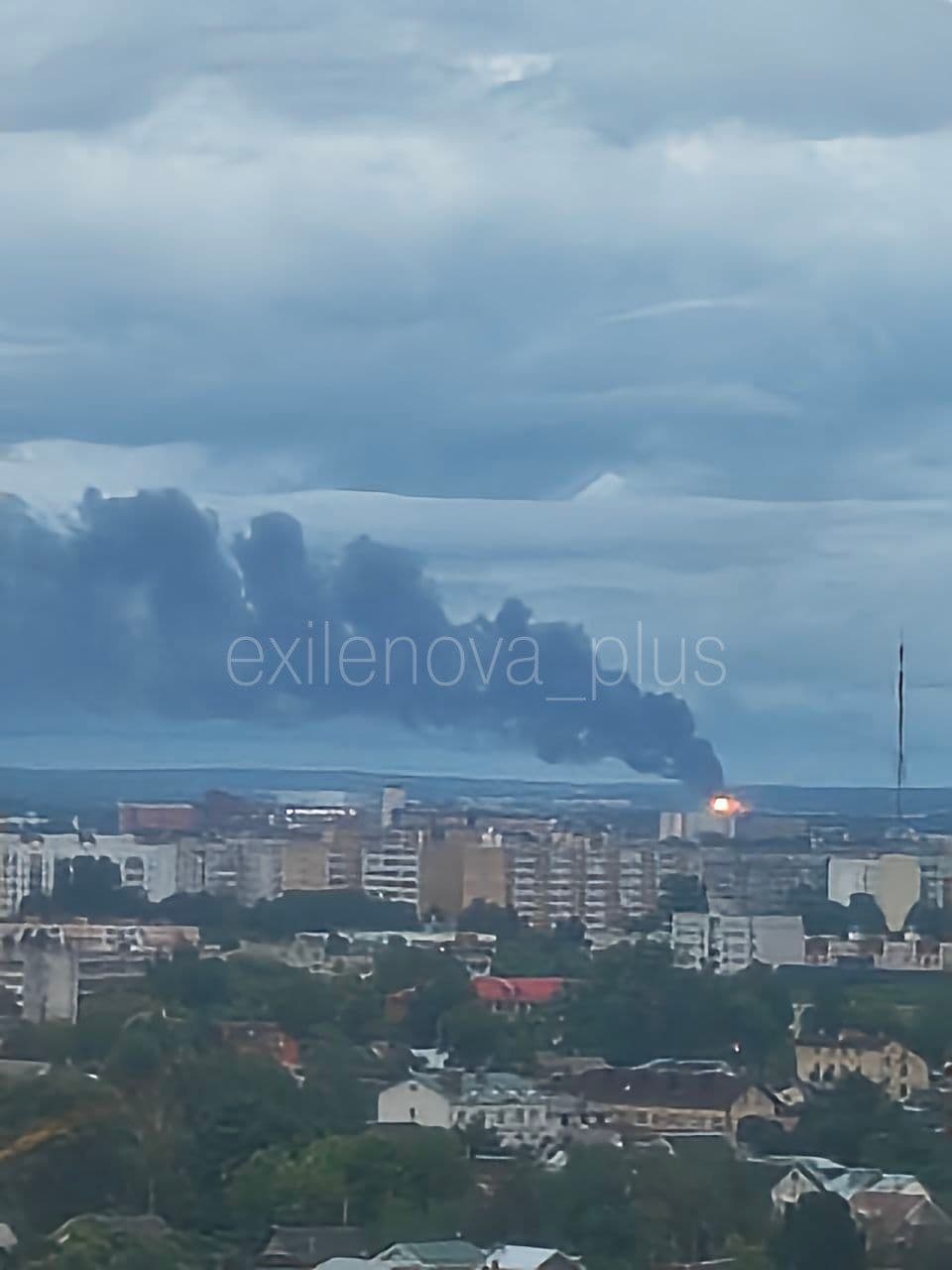
Earlier, photos and videos posted to social media purported to flames and black smoke rising from a Lukoil-owned depot near the town of Mikhaylovsk in Stavropol Krai. Drones were also reportedly seen flying towards the target.
Regional Governor Vladmir Vladimirov confirmed the strike on an unspecified "industrial facility" in a post on Telegram amid a wider air raid alert.
Minutes later, independent Telegram media channels, citing resident accounts, reported that another fire had broken out at an oil depot in the city of Tver, located approximately 300 kilometers (190 miles) northwest of Moscow, as a result of a Ukrainian strike.
Analysis of pre-attack satellite imagery by Astra, an independent Russian media outlet, showed that several fuel tanks had been fitted with protective anti-drone netting. The defenses, however, failed to prevent the strike and subsequent fire, Astra said.
Russia's Defense Ministry later claimed that its air defenses shot down 73 drones over Russia and occupied Crimea.
The extent of the damage caused was not immediately clear.
Ukraine's General Staff also confirmed a broader series of overnight strikes against Russian military and military-economic targets on July 9.
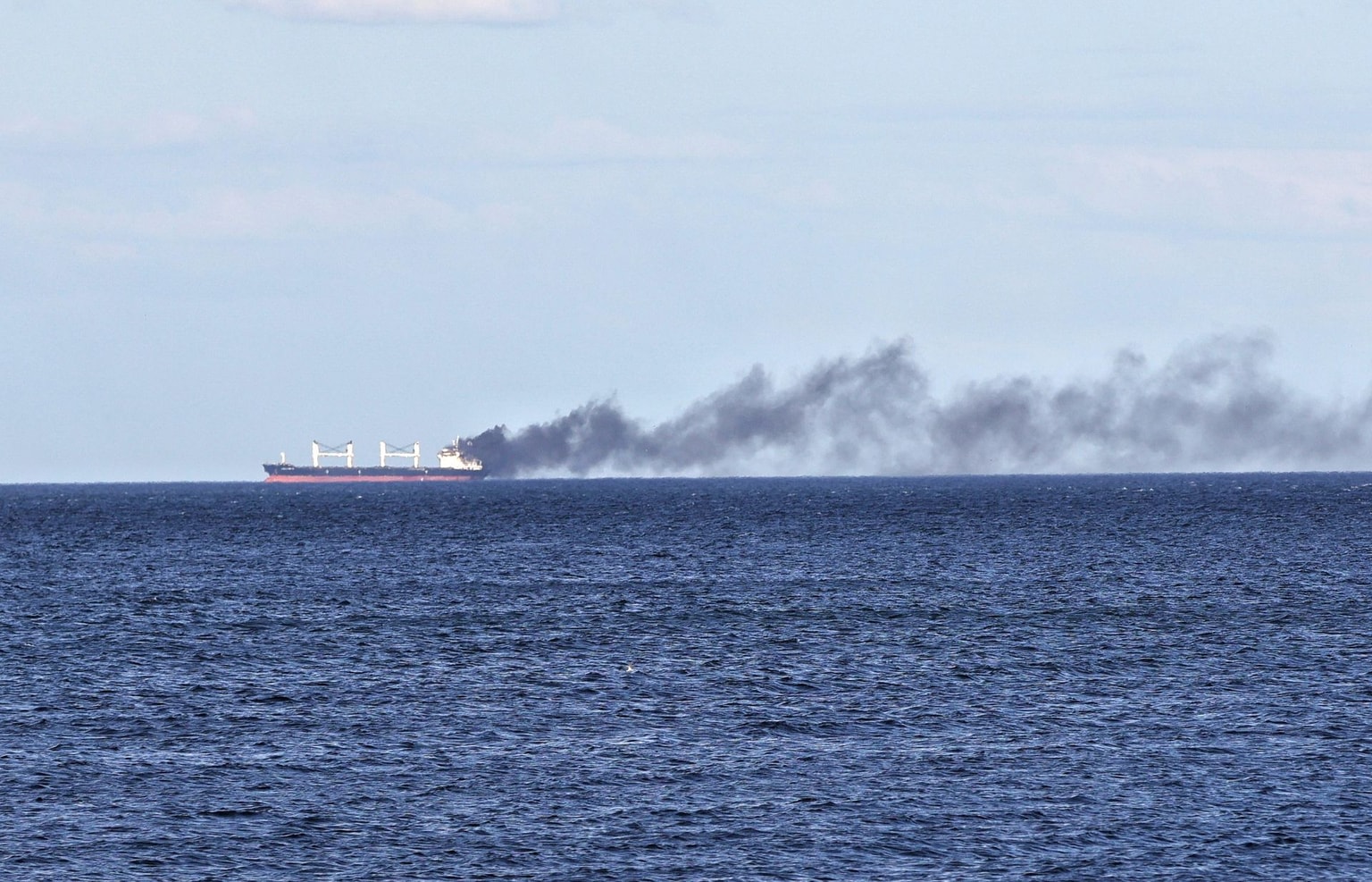
Ukrainian forces struck 12 Russian tankers, one tugboat, and one dry cargo vessel in the Sea of Azov, the military said. The vessels were used, among other purposes, to supply fuel and lubricants to Russian forces and to transport oil and petroleum products in circumvention of international sanctions.
The extent of the damage is still being assessed.
Ukrainian forces also struck the Yug Rusi oil terminal in Bataysk, Rostov Oblast, where a fire was recorded near the facility, the General Staff said.
The terminal reportedly handles petroleum products for export and is also used to supply fuel and lubricants to Russian forces operating on the southern axis.
Separately, Ukrainian forces struck a Russian ammunition depot near Sorokyne in occupied Luhansk Oblast, the General Staff said.
Kyiv considers energy facilities to be valid military targets, as the energy sites provide fuel and funding for the Kremlin's war machine.
Ukraine has been waging an increasingly successful deep-strike campaign against Russian oil infrastructure, disrupting production at major facilities and in some cases halting operations indefinitely.
Ukraine's refinery attacks have mounted pressure on the Kremlin by aggravating a domestic fuel supply crisis that has already caused export bans, price hikes, and sales restrictions across Russia.
The Russian government announced on July 8 that it would ban the export of diesel fuel until at least the end of the month, after weeks of Ukraine successfully pummelling energy infrastructure.