Exclusive: Ukraine, US align on new peace push as officials hope Russia accepts air truce
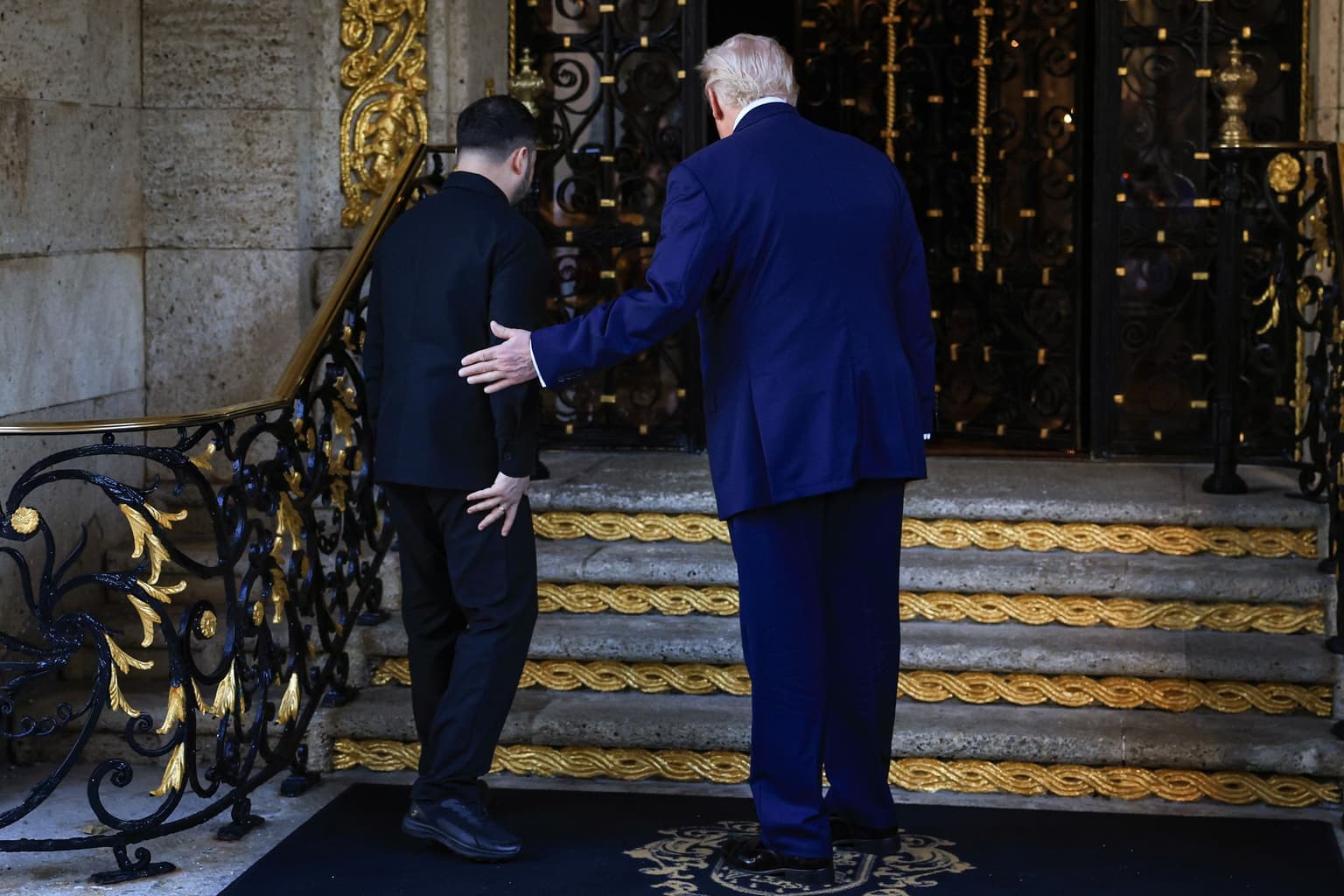
U.S. President Donald Trump greets President Volodymyr Zelensky at his Mar-a-Lago club on Dec.28, 2025, in Palm Beach, Florida. (Joe Raedle/Getty Images)
 on Google
Ukraine and the U.S. are coordinating a new round of peace proposals to present to Moscow, hoping that changing war dynamics could create the opportunity to push Russia toward negotiations, Ukrainian and U.S. officials told the Kyiv Independent.
The proposals would reflect what Ukrainian officials describe as new "realities on the ground" after months of shifting momentum in the war.
One U.S. official said the White House believes the Kremlin may now be more willing to accept at least a partial ceasefire in the air as Ukraine expands its strikes inside Russia.
The renewed diplomatic push comes after months of deadlock, with Washington now trying to revive negotiations that effectively stalled earlier this year.
Peace talks return
President Volodymyr Zelensky recently held a call with Steve Witkoff and Jared Kushner, U.S. President Donald Trump's envoys leading Washington's efforts to broker a settlement between Ukraine and Russia.
According to a person with direct knowledge of the conversation, the discussion did not include detailed proposals. Instead, the two envoys informed Zelensky that the White House is preparing a revised framework for negotiations.
The next step is expected to involve close coordination with Kyiv before the proposals are presented to Moscow.
Ukraine had hoped to continue those discussions in person with Witkoff and Kushner during meetings in Finland this week. Those plans were ultimately derailed by the latest escalation between the United States and Iran.
Even so, negotiations continue behind the scenes.
According to officials familiar with the planning, Witkoff and Kushner currently have no plans to visit Kyiv, but are expected to travel to Russia in late July or early August after aligning positions with the Ukrainian side.
Trump, Zelensky prepare next move
The renewed diplomatic effort is expected to gain momentum early next week.
Zelensky and Trump are preparing to meet to discuss the next phase of the peace initiative.
One person familiar with the planning said the leaders could meet on the sidelines of U.S. Senator Lindsey Graham's funeral on July 28, although a meeting at the White House also remains under consideration.
Among the issues expected to be discussed is another attempt to arrange direct talks between Zelensky and Russian President Vladimir Putin.
Zelensky has argued that only Putin has the authority to end Russia's full-scale war. Yet every attempt to organize a meeting has encountered the same obstacle.
The Kremlin has consistently rejected meetings in a neutral country, instead insisting that Zelensky travel to Russia — a proposal Kyiv views less as a genuine offer than as a convenient way to avoid direct negotiations altogether.
Trump has previously said he would not oppose participating in such a meeting if it helped advance peace efforts.
A different battlefield
In recent months, both sides have dramatically expanded their long-range air campaigns.
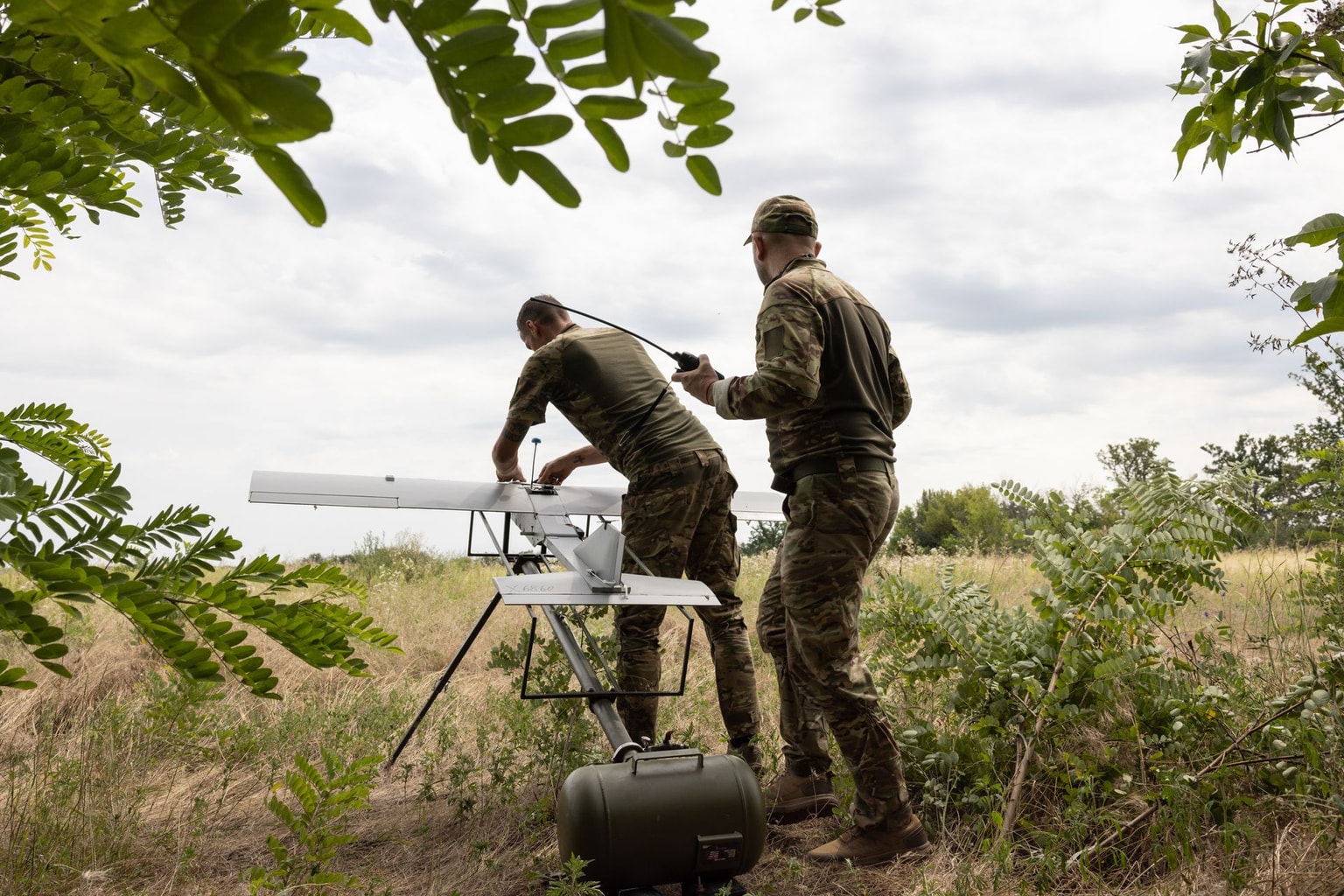
Ukraine has intensified strikes against Russian logistics, military infrastructure, and strategic targets deep inside Russian territory.
Russia, meanwhile, has escalated missile and drone attacks against Ukrainian cities, pounding Kyiv's civilian infrastructure several times a week.
Ukraine faces an acute shortage of Patriot interceptors, currently the only system capable of shooting down Russian ballistic missiles.
The Ukrainian president previously sent Trump a letter warning about Ukraine's shortage of anti-ballistic missile capabilities. While the White House responded, it remains unclear whether the U.S. agreed to help address the issue.
That battlefield picture is shaping the latest diplomatic calculations. The apparent logic is that both sides may have an incentive to accept such a truce: Ukraine is running low on interceptors, while Russia is exposed to long-range Ukrainian strikes.
According to one U.S. official, Washington believes Russia may now be more receptive to negotiating an air ceasefire than it was a few months ago.
Whether that willingness extends to a broader settlement remains far less certain.
U.S. officials declined to say whether the White House will apply additional pressure on Russia if it doesn't agree to the new proposals.
"We remain open to the negotiation process," Kremlin spokesperson Dmitry Peskov said on July 23.
Ukrainian officials, however, remain skeptical that Moscow is prepared to end the war. They believe the realistic opening lies in a possible ceasefire in the skies — even as the fighting on the ground continues.