Ukrainian industry group challenges Grossi's assessment of staffing crisis at occupied nuclear plant
 on Google
The Ukrainian Nuclear Society has accused Rafael Grossi, head of the International Atomic Energy Agency (IAEA), of downplaying the personnel crisis at the Russian-occupied Zaporizhzhia Nuclear Power Plant.
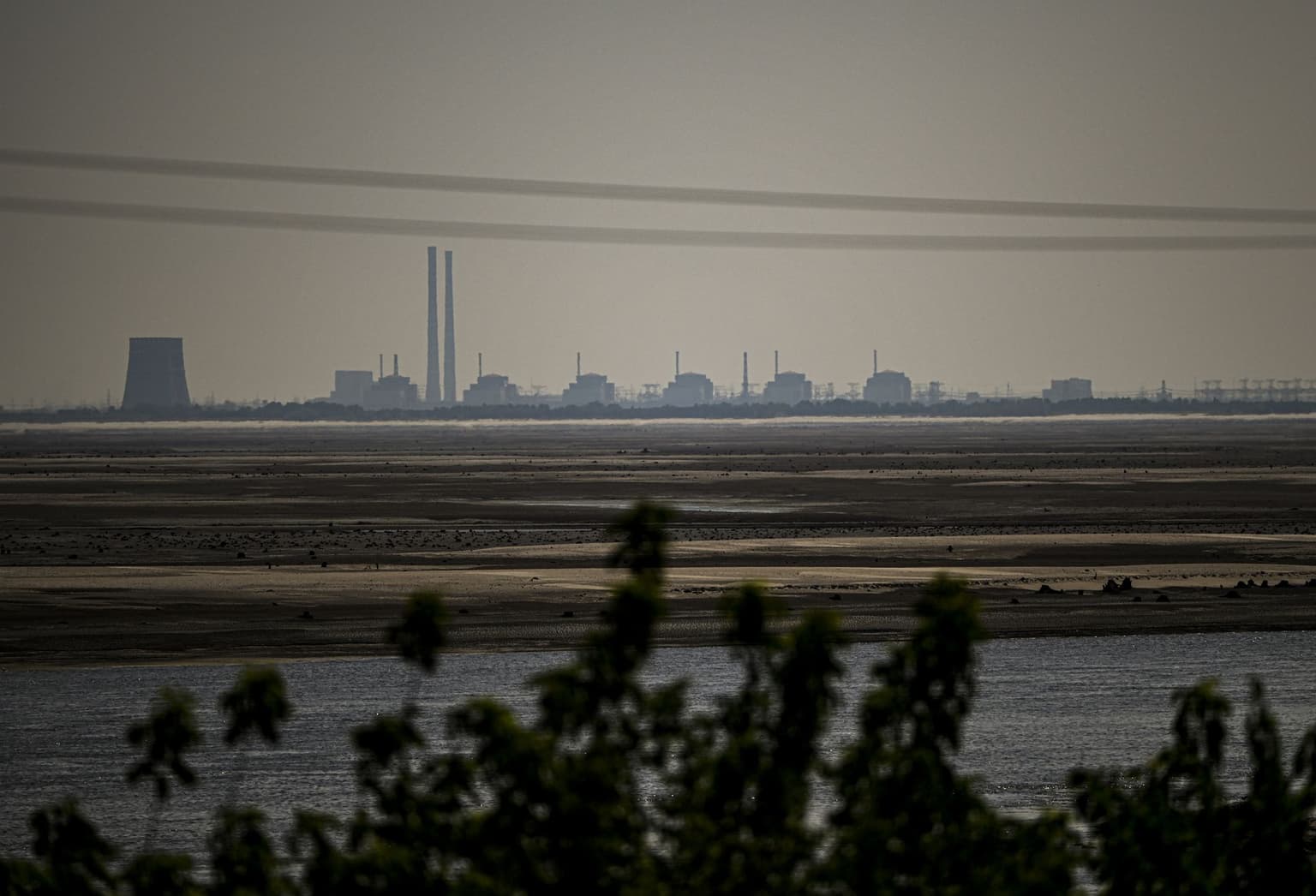
The plant is located in Enerhodar, a town in the Russian-occupied part of Ukraine's Zaporizhzhia Oblast.
In a letter dated July 10, the group disputed Grossi's statement that the loss of qualified specialists at the Zaporizhzhia Nuclear Power Plant is "not a major issue" for nuclear safety.
The organization said it "cannot agree" with Grossi's comments, arguing that they do not adequately reflect the scale of the risks created by the plant's personnel shortage.
Grossi made the remarks during a visit to Kyiv on April 26, when he said the Russian-occupied facility was "adequately staffed, considering it is in cold shutdown."
"There are other issues, but the staffing issue is not a major issue," he added.
The Ukrainian Nuclear Society, which represents more than 3,500 nuclear industry specialists, said the number of licensed employees authorized to make decisions concerning reactor operations, monitor critical parameters, and respond to emergencies had fallen from 159 before Russia's occupation to just 22.
"The decrease in the number of licensed specialists from 159 to only 22 individuals is a catastrophic shortage that can in no way be considered 'adequate' even for a 'cold shutdown' state of the (plant's) power units," the letter reads.
The shortage would be particularly dangerous in the event of an emergency, the organization said, describing the staffing situation as a systemic crisis rather than an isolated personnel problem.
According to the society, only around 3,000 of the nearly 11,000 employees who worked at the plant before its occupation still have access to the facility.
The presence of Russian personnel "does not solve the safety problem and cannot be considered a reliable basis for operating a nuclear facility," the organization said. It added that the international community does not know their exact number, professional qualifications, or level of adherence to nuclear safety standards.
The letter also argued that employees cannot safely operate a nuclear facility while working under intimidation and psychological pressure from Russian occupation authorities.
"Operating a nuclear facility requires the highest level of concentration and psychological stability, which is impossible under the conditions of terror perpetrated by the Russian side," the society said.
Citing investigations by the Ukrainian non-governmental organization Truth Hounds, the letter said hundreds of Zaporizhzhia plant employees and residents of the Russian-occupied town of Enerhodar had experienced illegal detention, torture, and abuse.
Detainees were allegedly deprived of food, water, and medical assistance and subjected to beatings, electric shocks, mock executions, and sexual violence. At least 14 plant employees remain in long-term Russian captivity, while 10 have received prison sentences ranging from five to 25 years, according to Energoatom and the Ukrainian Nuclear Society.
The society called on Grossi to use his international influence to protect the plant's Ukrainian personnel, draw greater attention to conditions at the facility, and increase pressure on Russia to release the detained workers.
"The safety of the Zaporizhzhia Nuclear Power Plant begins with the safety and freedom of its legitimate personnel," the letter concludes.
Russian forces seized the Zaporizhzhia plant, Europe's largest nuclear power station, in March 2022. Its six reactors remain in cold shutdown, but the facility continues to require qualified personnel to maintain cooling systems, monitor reactor conditions, manage spent nuclear fuel, and respond to potential emergencies.