Ukraine to receive Patriot missiles from allies — but unclear when, Zelensky says amid air defense crisis
 on Google
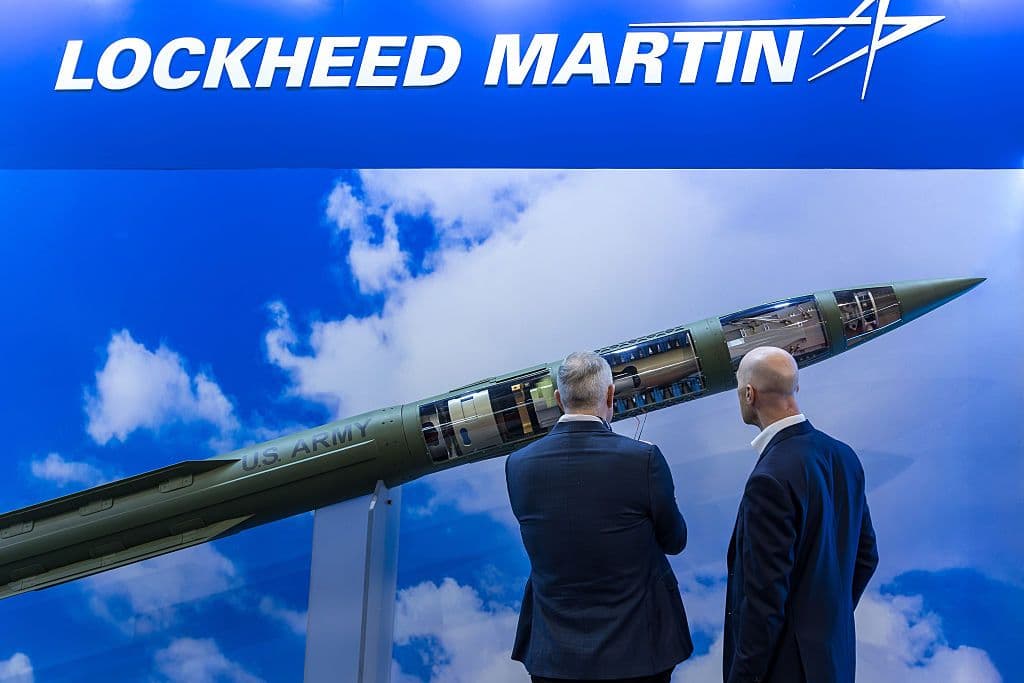
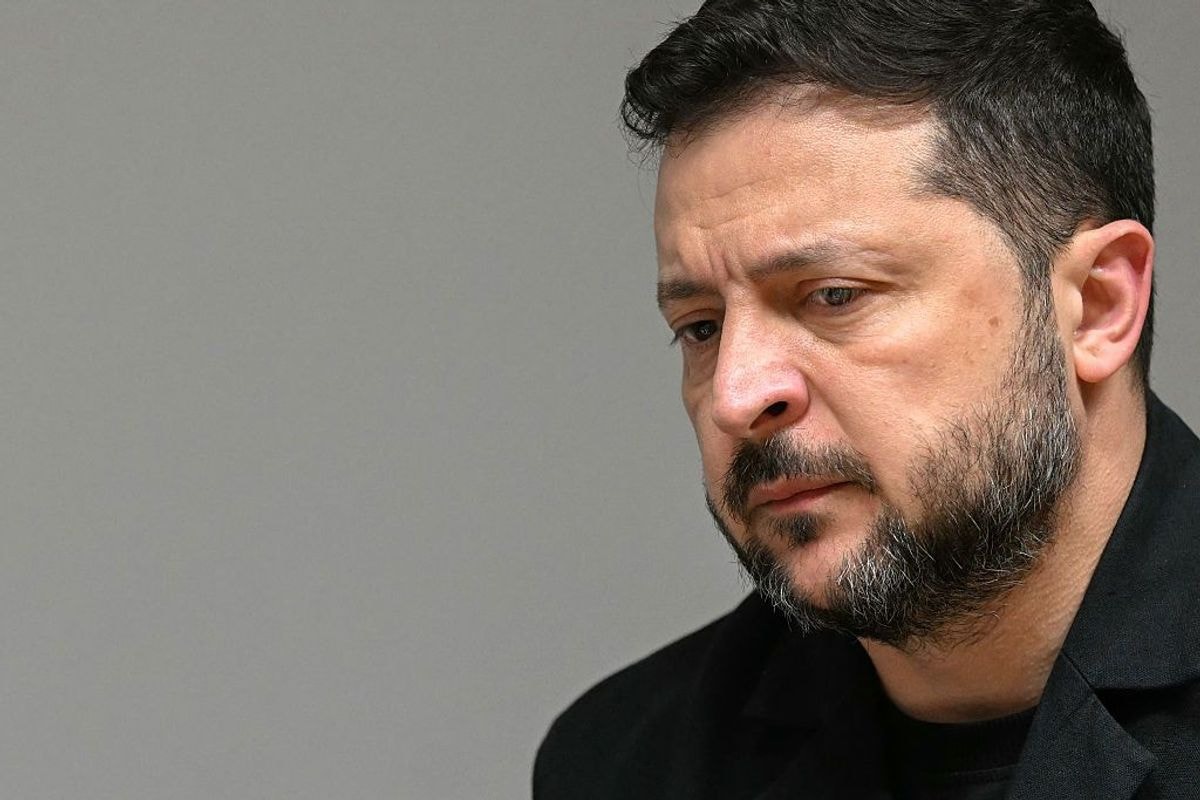
Ukraine expects to receive additional PAC-3 interceptors for Patriot air defense systems from its partners, but a timeline for deliveries has not been established, President Volodymyr Zelensky told reporters on July 9.
"There are no dates set yet, but there will be additional PAC-3s," Zelensky said a day after the latest NATO summit in Turkey, where he discussed Ukraine's defense with world leaders.
Kyiv's stocks of munitions for U.S.-made Patriot systems — the only air defense system capable of shooting down Russian ballistic missiles — has run dry, leaving civilian neighborhoods and critical infrastructure vulnerable amid an onslaught of devastating Russian strikes.
While U.S. President Donald Trump said on July 8 that he would grant Ukraine a license to produce its own Patriot missiles, the country's acute air defense crisis demands a short-term solution.
Zelensky said that Patriot supply and production was "Ukraine's number one priority" and that the government was approaching the problem on "several fronts."
"First, we're seeking a license from the U.S. to manufacture Patriot systems," he said.
"Second, through the PURL program, we're securing clear funding from Europe, and, through this program, acquiring PAC-3 and PAC-2 missiles for the corresponding systems. Third, we're working ... with our European partners to obtain additional missiles until we have our own system."
Ukraine also expects to receive a support package from the U.S. "in the coming days," Zelensky said, though he did not specify what it would contain.
The president also urged Ukraine's technical teams, including lawmakers and administration officials, to begin preparing for domestic production of Patriot systems "immediately, without delay, so that we can obtain the licenses very quickly, as soon as possible, and begin production in Ukraine."
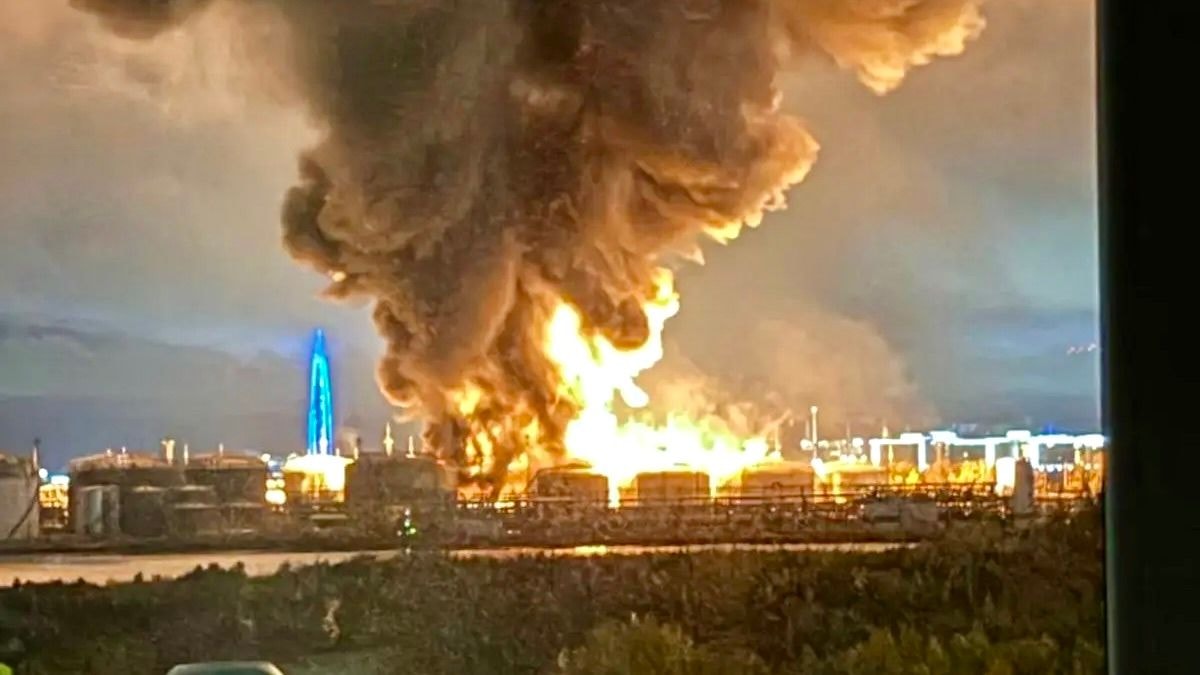
Ukraine has been sounding the alarm on its air defense shortage for months, but the crisis reached a peak during a Russian mass missile and drone attack against Kyiv and the surrounding region on July 6.
With no reserves of PAC-3 interceptors, Ukraine was unable to stop any of the 23 ballistic missiles and six hypersonic Zircon missiles that Russia launched against the capital. The attack killed at least 26 people and injured dozens of civilians.