Energy Security: News


More from War
News Feed
Wednesday, October 28
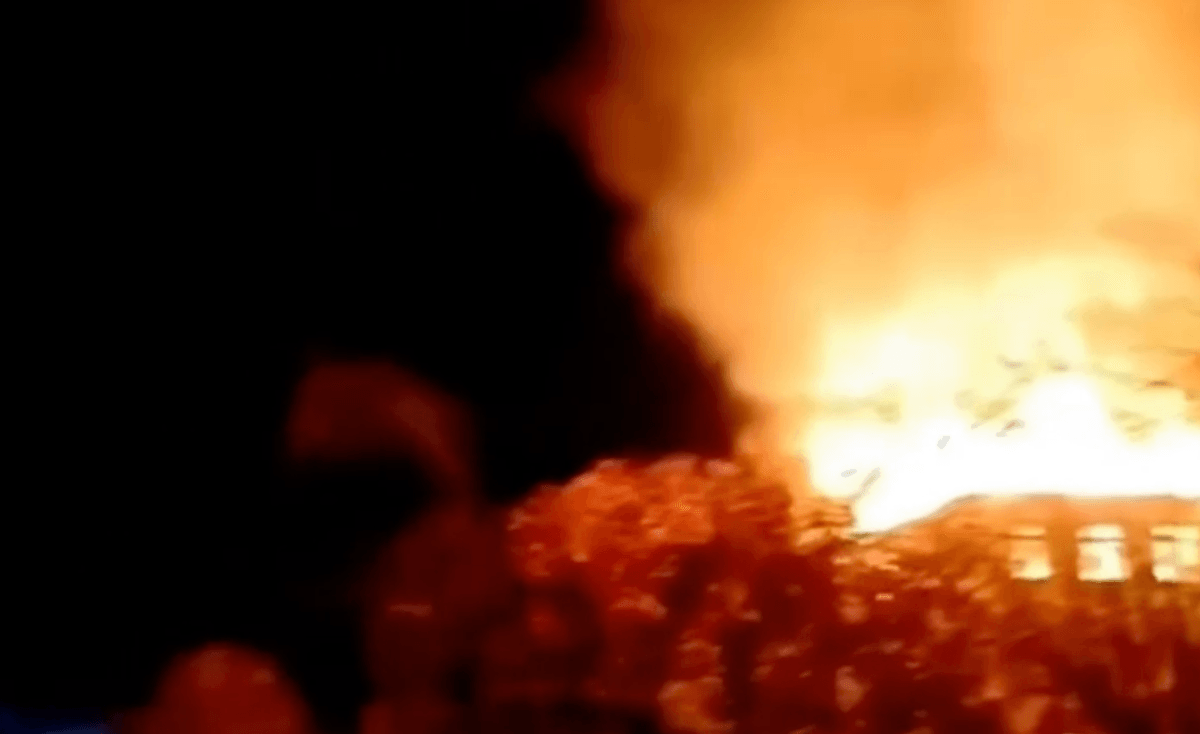
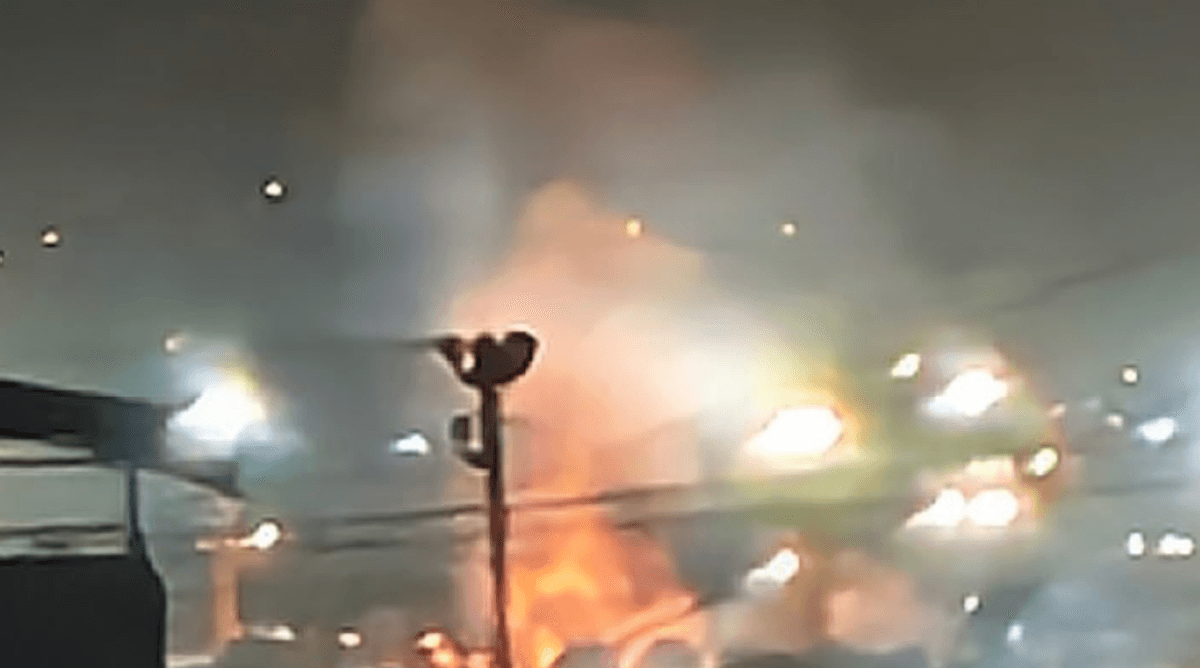
Fires burn in Russian city of Lipetsk after reported Ukrainian attack
A fire broke out in the area of the Novolipetsk Metallurgical Plant after air defenses were engaged, according to Ukrainian monitoring channel Exilenova Plus.
Tuesday, October 27
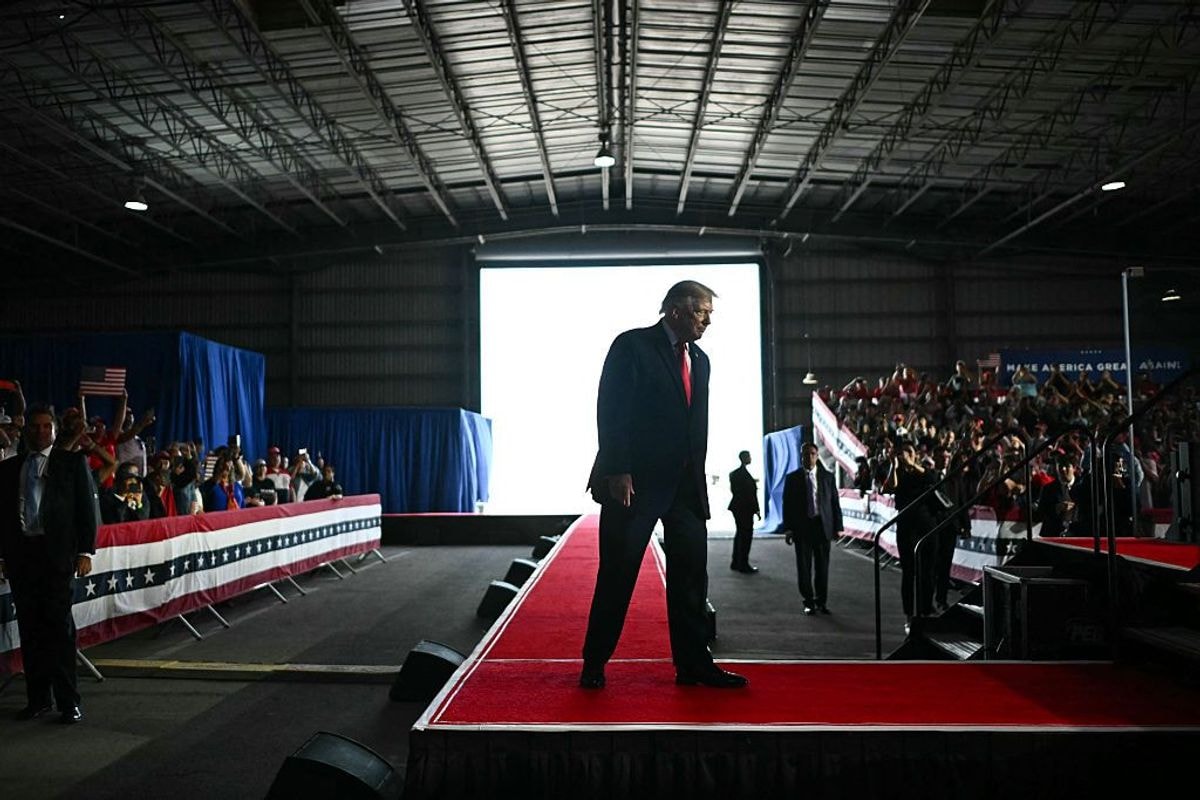
Trump reportedly considering lifting sanctions against Russia's investment fund
U.S. President Donald Trump is considering lifting sanctions against Russia's government investment fund, the New York Times reported Oct. 27, citing an unnamed U.S. official.
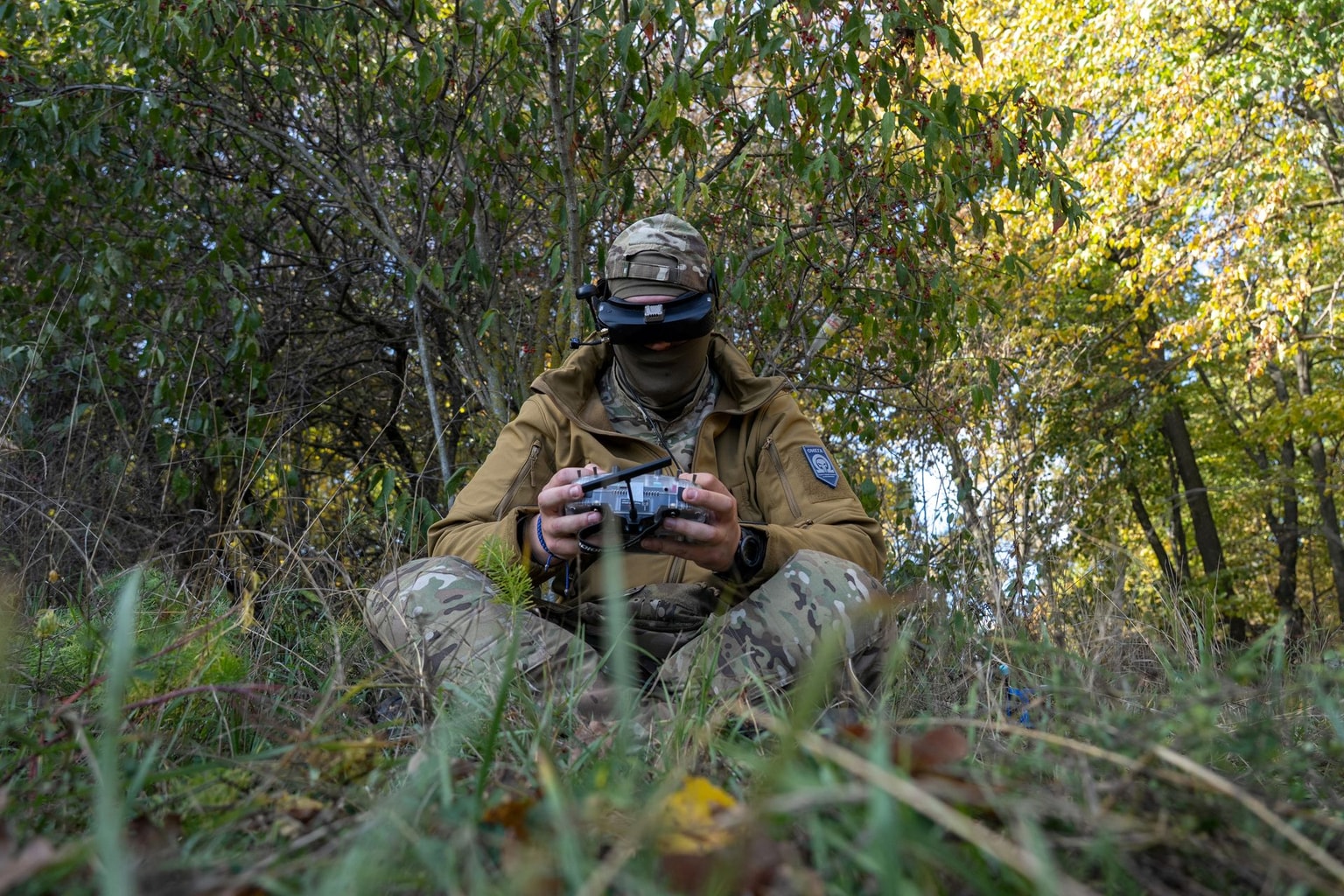
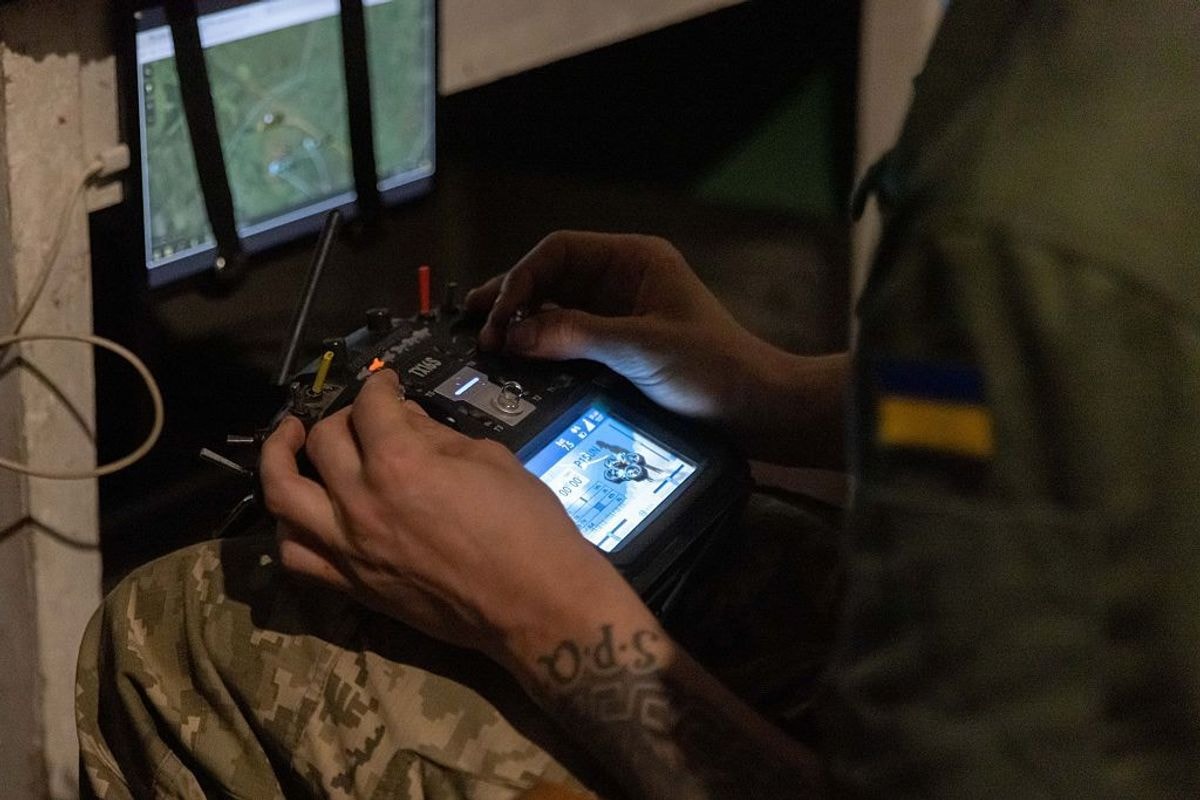
Export hurdles and visa waits for Ukrainian companies force Pentagon to slow its drone contest
One morning in June, the head of export at Ukrainian drone company Stellarion found himself unexpectedly in need of a U-Haul outside the Detroit Metro Airport in Michigan. Stellarion was set to test its drones in front of American soldiers at a competition organized by the Pentagon at Camp Grayling, a military base three hours away. But while many of its 48 invited competitors were American companies that had had weeks to modify, prepare, and fit warheads onto their drones, Stellarion was facin
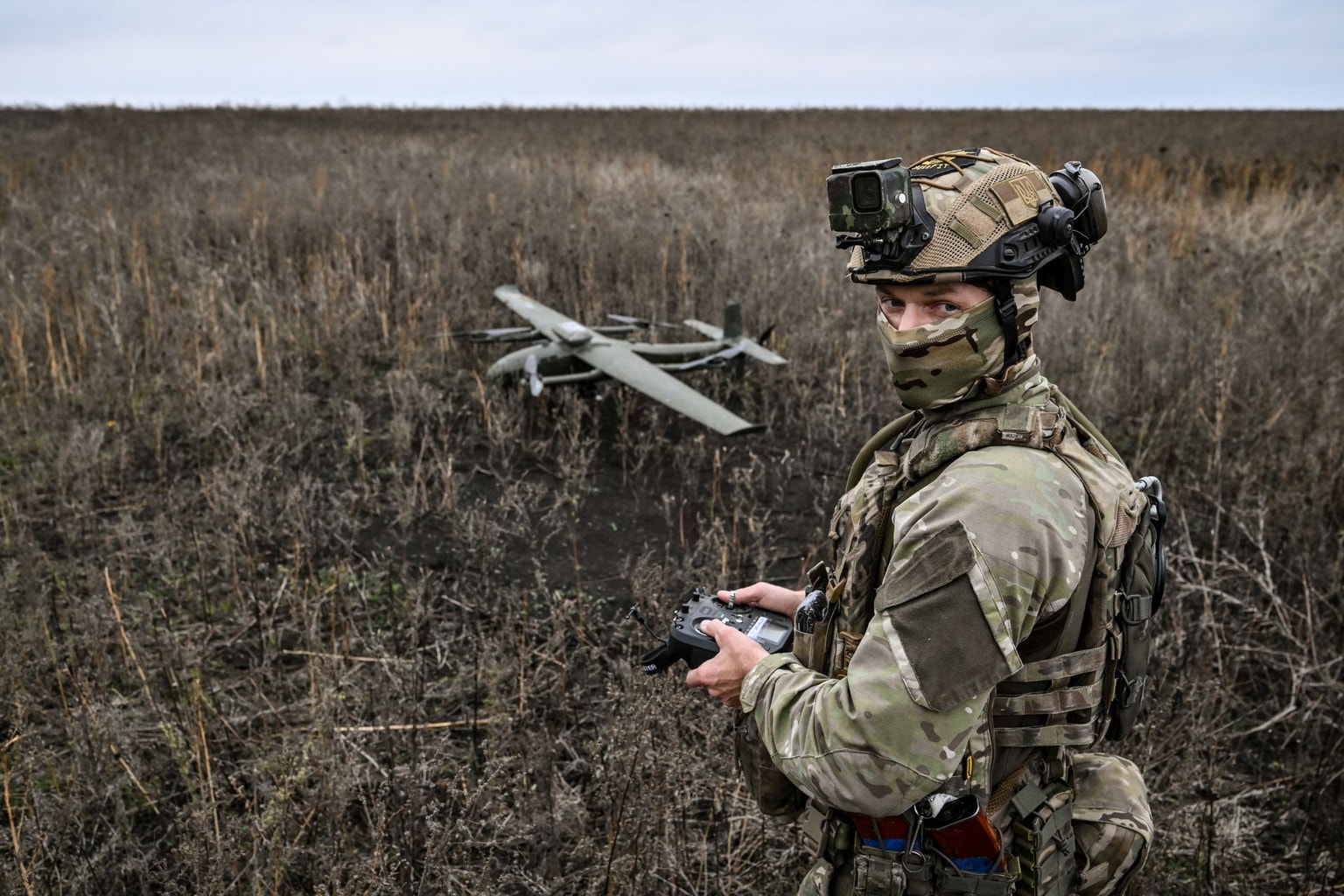
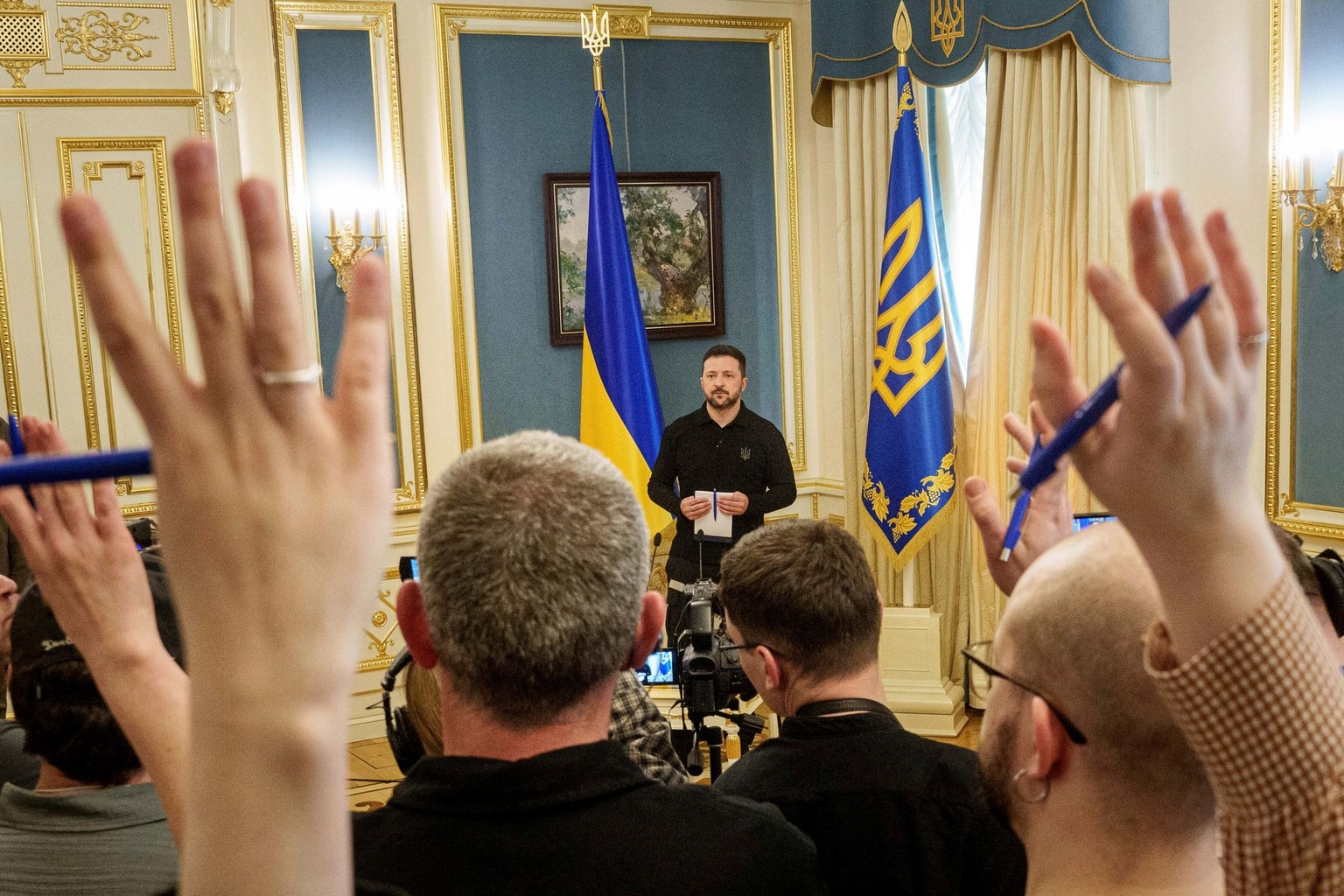
Ukraine war latest: Zelensky reveals details of 'Operation Veles'
The operation, code-named "Veles," involved an underground advance of more than 15 kilometers (9 miles), according to Zelensky.

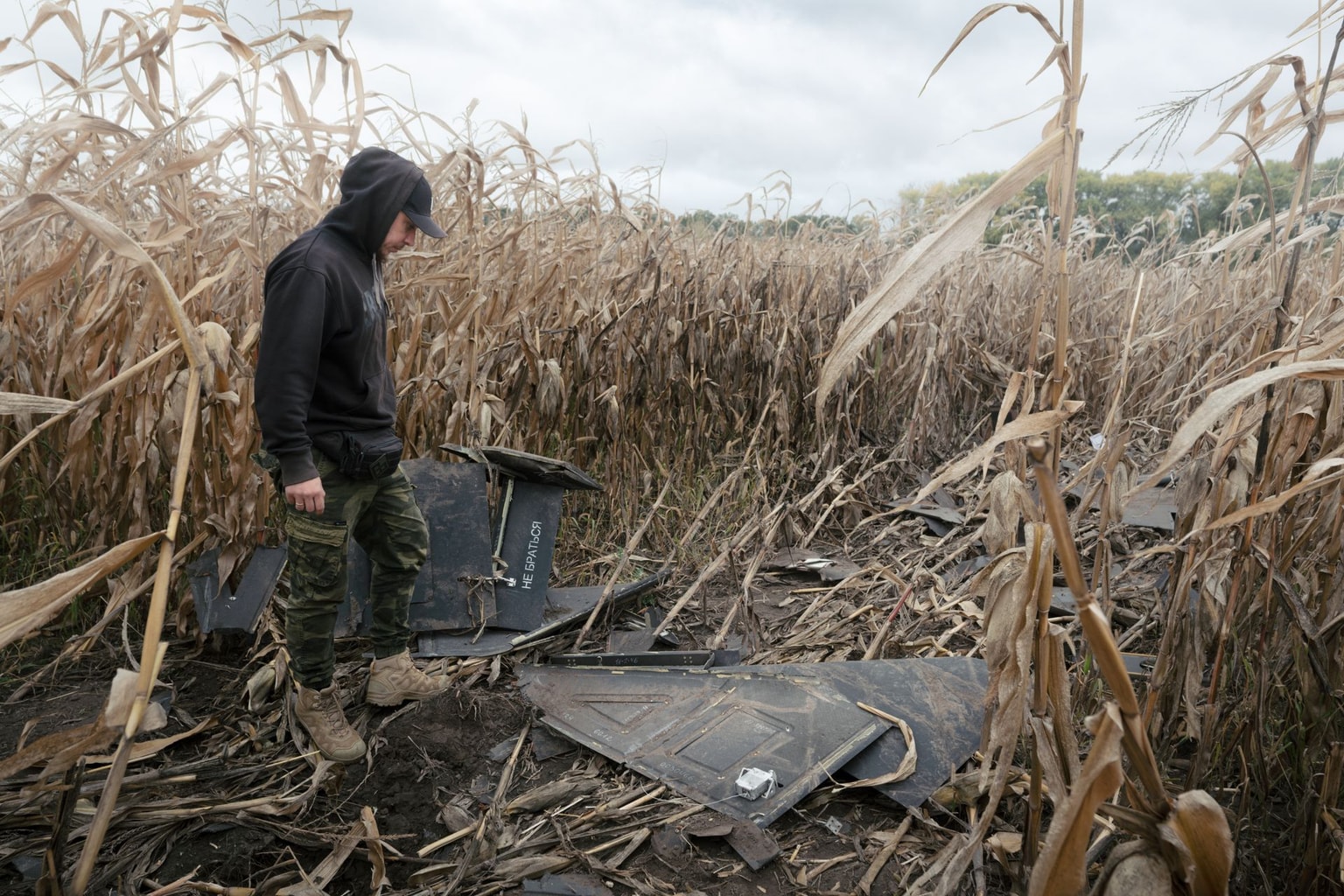
Ukraine intercepting more Russian Geran-4 jet-powered drones, General Staff says
Fighter jets, including F-16s, Mirage aircraft, and MiG-29s, play a significant role in intercepting Russian jet-powered drones, according to the General Staff.
Ukraine's 'Veles' pipeline operation near Kupiansk 'eliminates' over 100 Russian troops, Zelensky says
The operation, code-named "Veles," involved an underground advance of more than 15 kilometers (9 miles), according to Zelensky.

About Energy security
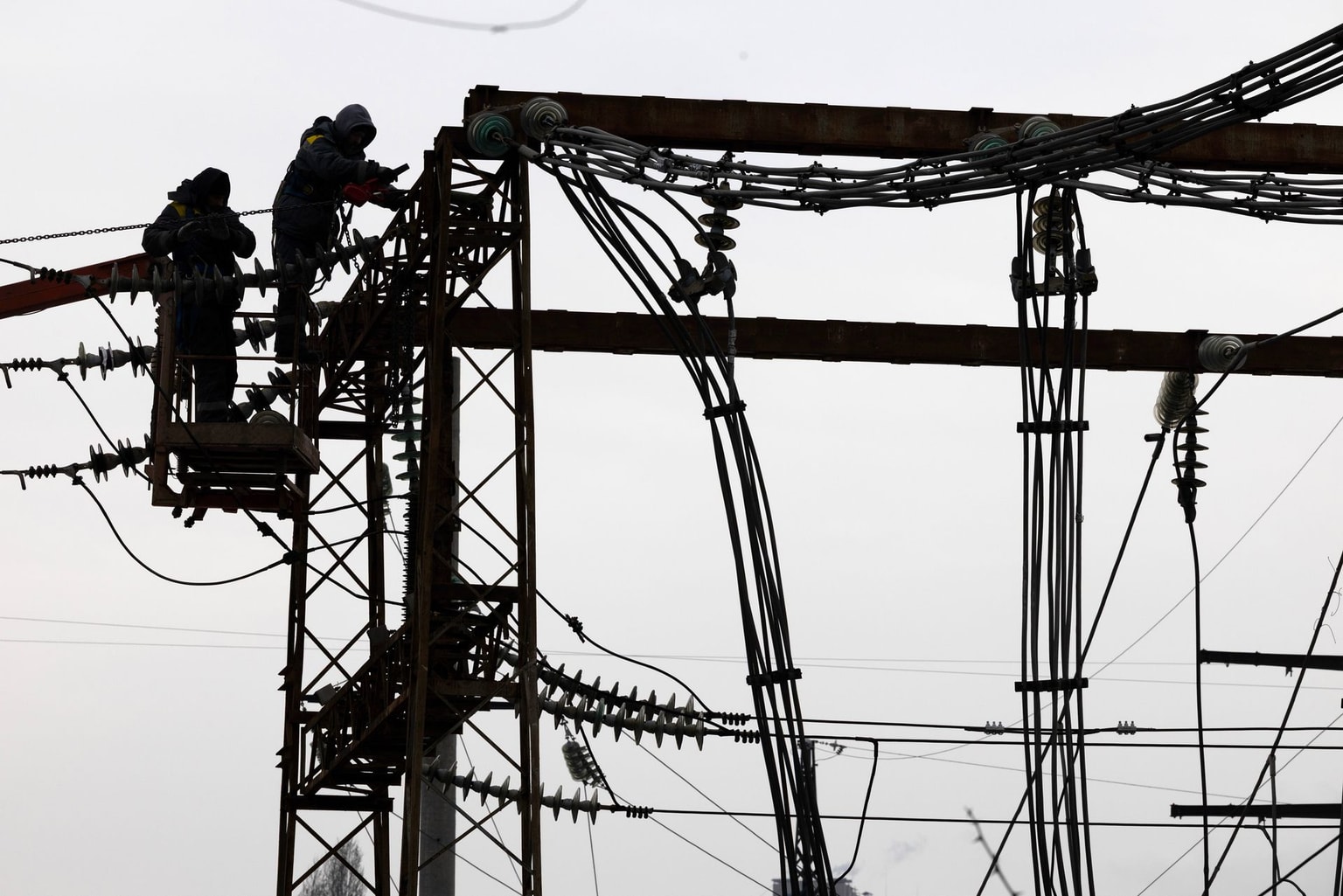
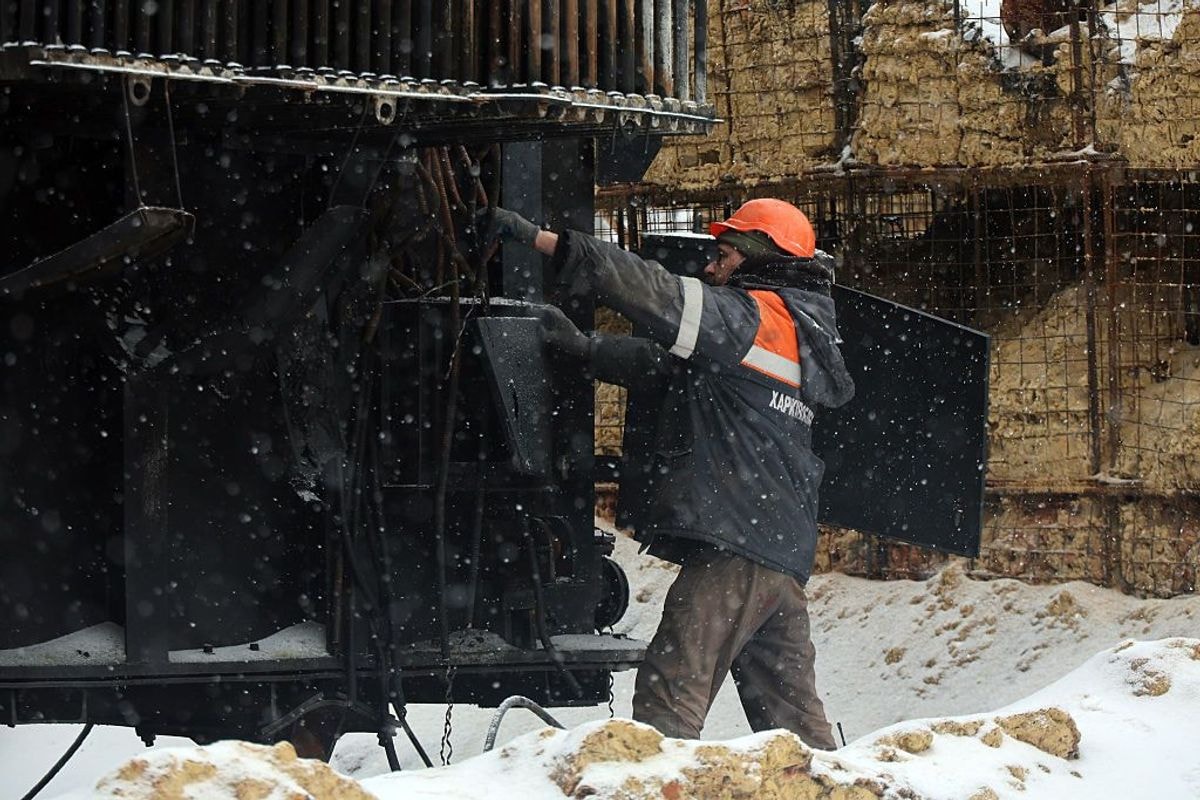
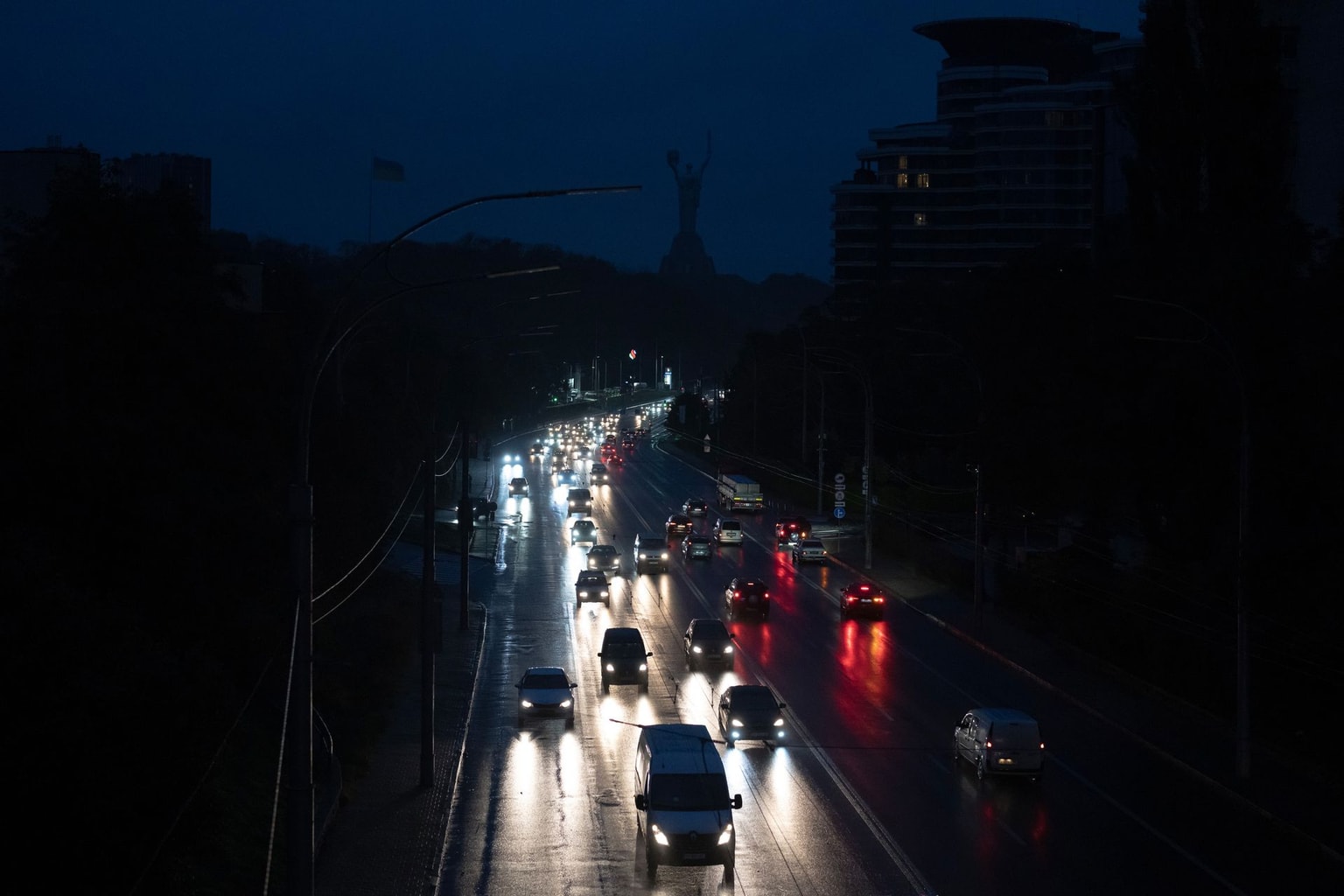
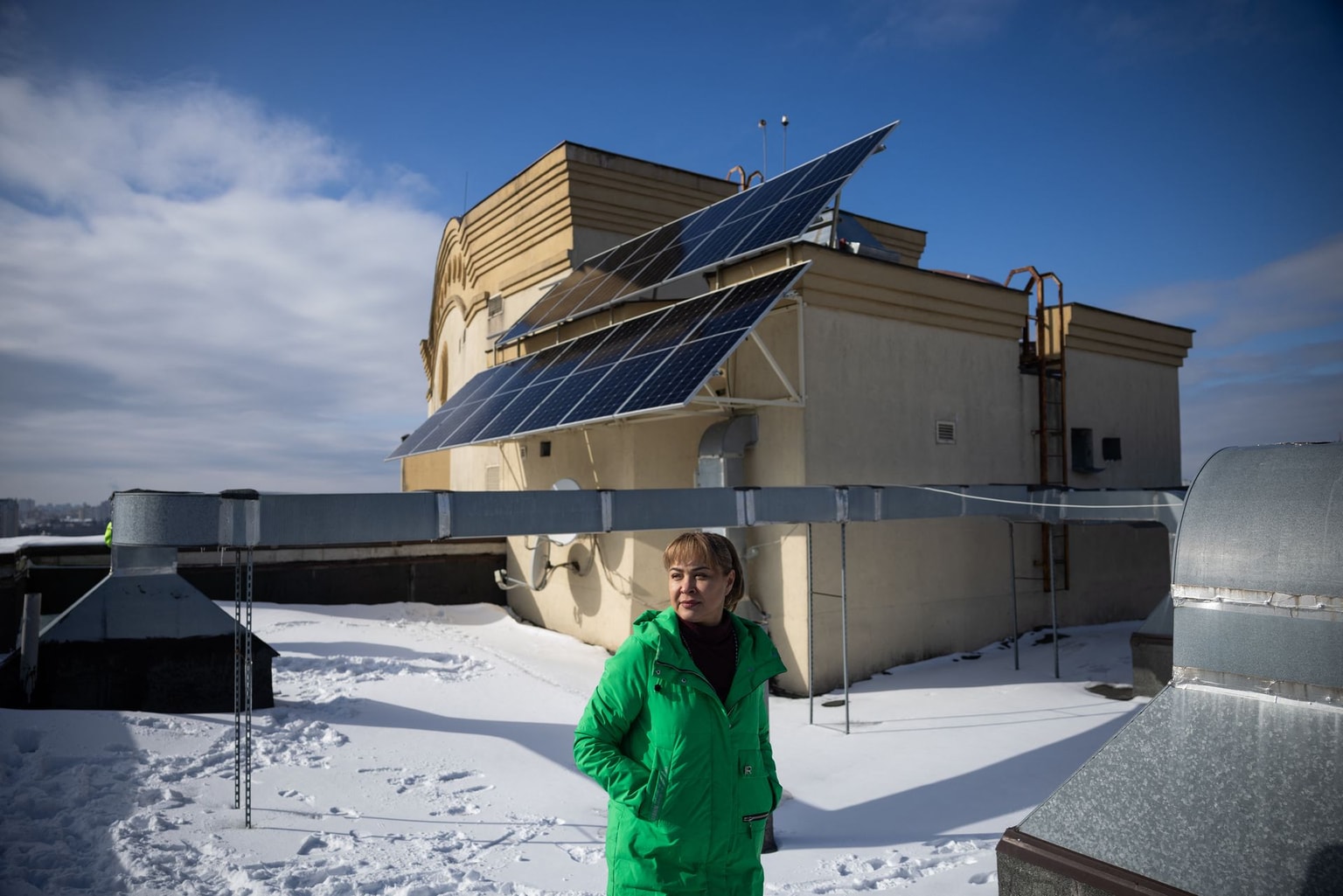
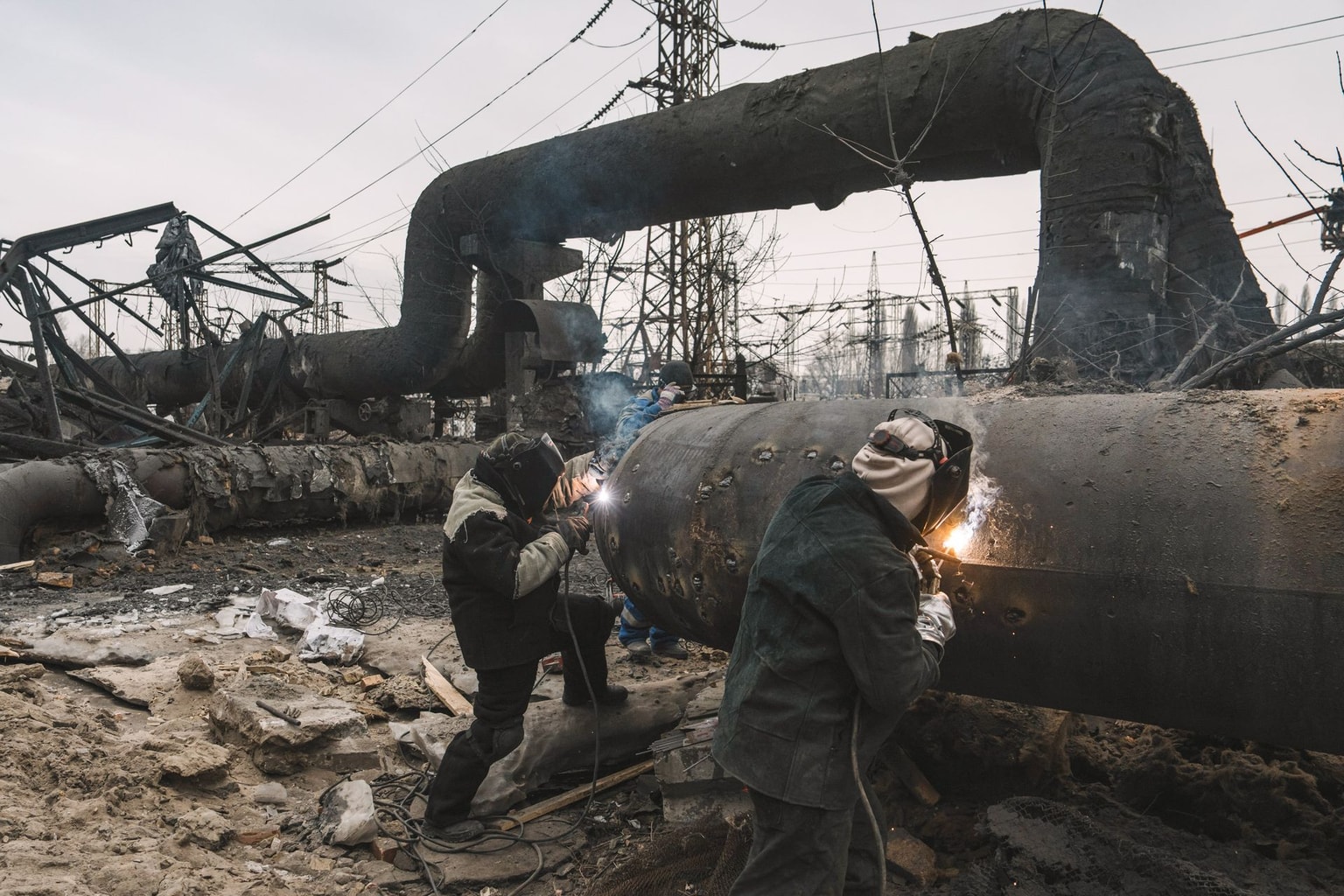
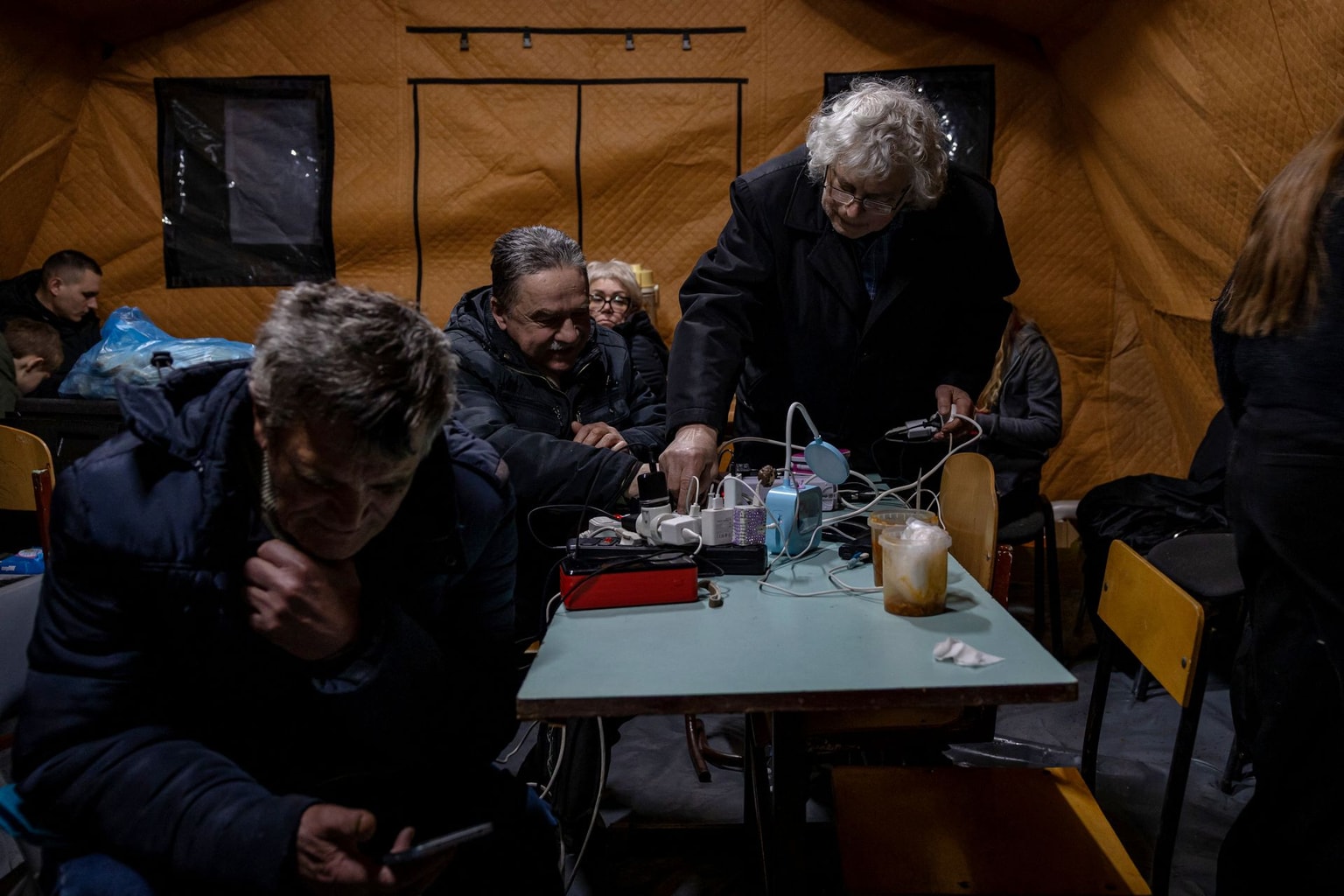
Ukraine's energy security has become severely compromised since Russia's full-scale invasion began in February 2022, with systematic attacks destroying approximately 50% of thermal generation capacity and targeting natural gas storage facilities. The government works with European partners to diversify energy sources, strengthen grid connections with EU networks, and secure alternative fuel supplies, while defending remaining power infrastructure from ongoing Russian strikes.
Read more
Most Popular
1.
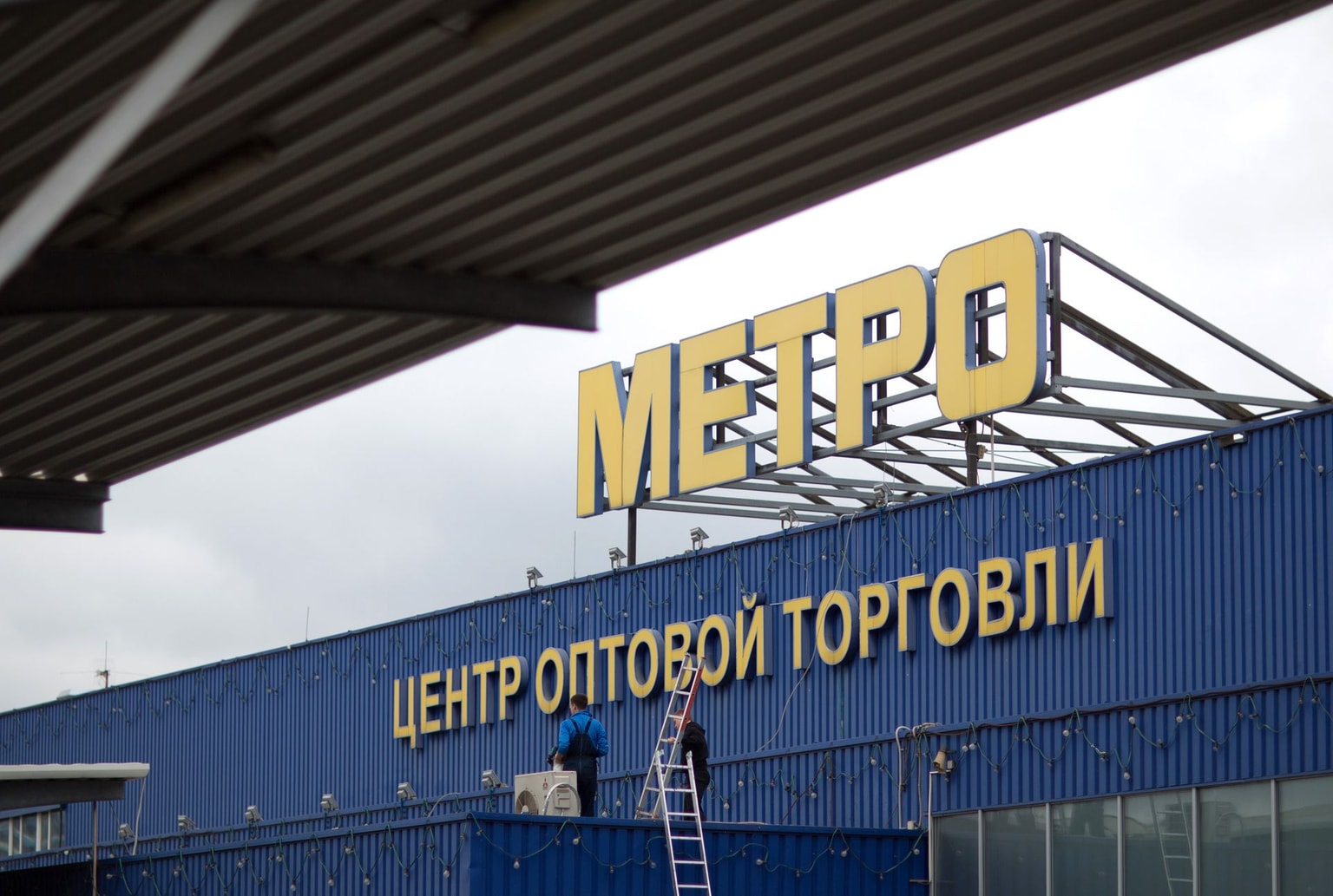
Metro AG responded, saying it did not approve the donations. On Sept. 28, Russian President Vladimir Putin signed a decree placing the Russian subsidiary of Metro AG under the Kremlin's control.