Ukraine's energy system is not in survival mode — we are building Europe's energy future
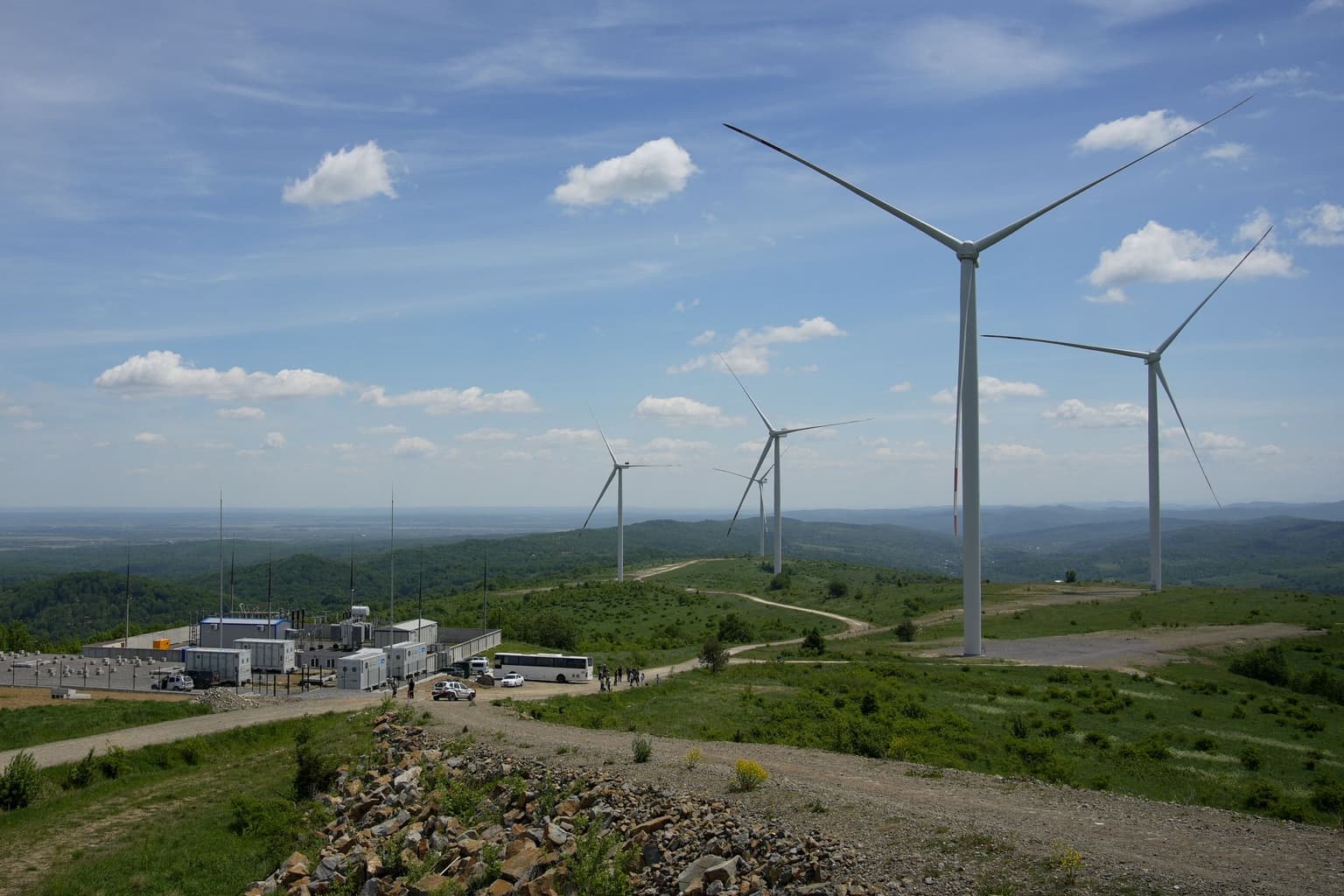
Wind turbines are seen at the Orivska Wind Farm near Oriv, Lviv Oblast, Ukraine, on May 25, 2026. (Marian Pavlyk / AFP via Getty Images)
 on Google
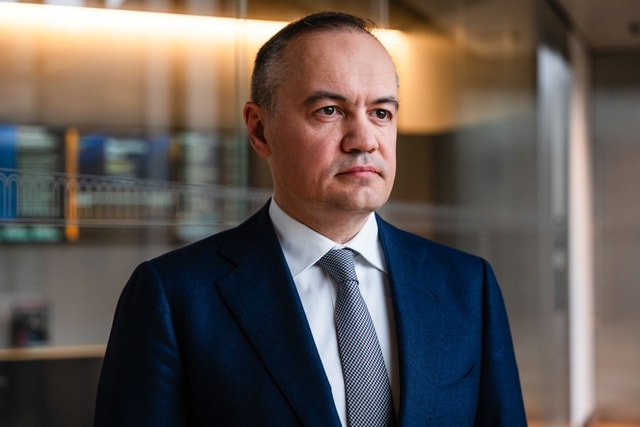
Maxim Timchenko
CEO of DTEK
For international investors gathered at the Ukraine Recovery Conference in Poland this week, the rebuilding of strategic sectors like energy has become a significant emerging opportunity — yet one they risk missing out on.
Across an energy system that Russia has repeatedly tried to occupy or destroy since 2022, companies like DTEK are not waiting for peace before building again. Continuous attacks compel us to restore existing infrastructure while simultaneously accelerating the construction of new, stronger infrastructure to neutralize Russia's threat.
Last year, for example, DTEK built 200 MW of battery storage in record time to provide Ukraine with additional backup power in the event of an attack.
In the south of the country, we are about to finish building the country's largest wind farm to disperse generation assets and deny Russia easy targets.

As that windfarm completes, another even larger one is about to enter construction. And all the while, we are drilling new gas wells, creating smart networks, installing record levels of solar generation, and planning gas-fired power plants. We are doing this during wartime at a pace unimaginable in most countries.
These projects are the tip of the iceberg. By the government's own estimates, investment returns in Ukraine's energy sector are likely to reach into the tens of billions of euros over the next 10 years.
For now, securing even a fraction of this amount is an uphill task and one that policymakers and businesses are grappling with in Gdansk. Success in Poland will require progress in three areas.
First, Ukraine will need to give the private sector a greater role in unlocking the country's energy riches, only a small proportion of which are currently being developed.
Second, foreign investors need to see a strong regulatory environment and the kind of pro-market policies to give them confidence that the risks they take are adequately rewarded.
And most importantly, funding hinges on a clear articulation of our sector's enormous potential: not only in financial terms, but in the security dividend Ukraine can deliver for the broader region.
That is doubly true in an era when Europe is set to end imports of Russian natural gas next year and is more worried about its dependence on Middle Eastern energy. With abundant resources at its heart, Ukraine is well-positioned to become a strategic energy partner to the EU.
We can offer Europe access to the largest underground gas storage facilities on the continent and its second-largest gas reserves. Today, Ukraine produces less than a third of the natural gas the country extracted in the mid-1970s. Even partially reversing that decline would boost Ukraine's export revenues and turn Ukraine into a stabilizing force for European markets.
Moreover, its fleet of nuclear reactors and strong potential to rapidly build more wind and solar generation will provide an important source of low-carbon energy in the next decade. Ukraine's ever-closer alignment with the EU's energy agenda is one reason DTEK published its Energy Transition Plan this week, putting us on a path to reach net zero by 2050.
To convert this promise into reality will require effective global partnerships.
That means combining the strengths of local companies with on-the-ground experience to deliver under extreme pressure; international businesses to introduce new technologies and expertise; and international financial institutions that can unlock private capital through mechanisms that reduce risk.
In a decade's time, Ukraine can have one of the most secure, modern, and interconnected energy systems in Europe. The system we are building will be more flexible, decentralized, and resilient.
Millions of Ukrainians will be more energy secure by generating electricity from their own rooftop panels and large-scale renewables, battery storage, grids, and flexible gas-fired power plants that complement existing nuclear and hydro capacity.
For investors and foreign governments, the financial and strategic benefits of Ukraine's energy sector are not only clear. They can also be seized today.
Editor's note: The opinions expressed in the op-ed section are those of the authors and do not purport to reflect the views of the Kyiv Independent.