Ukrainian parliament approves creating pantheon to commemorate national heroes
 on Google
The Ukrainian parliament on July 1 approved creating a memorial for Ukrainian national leaders and heroes.
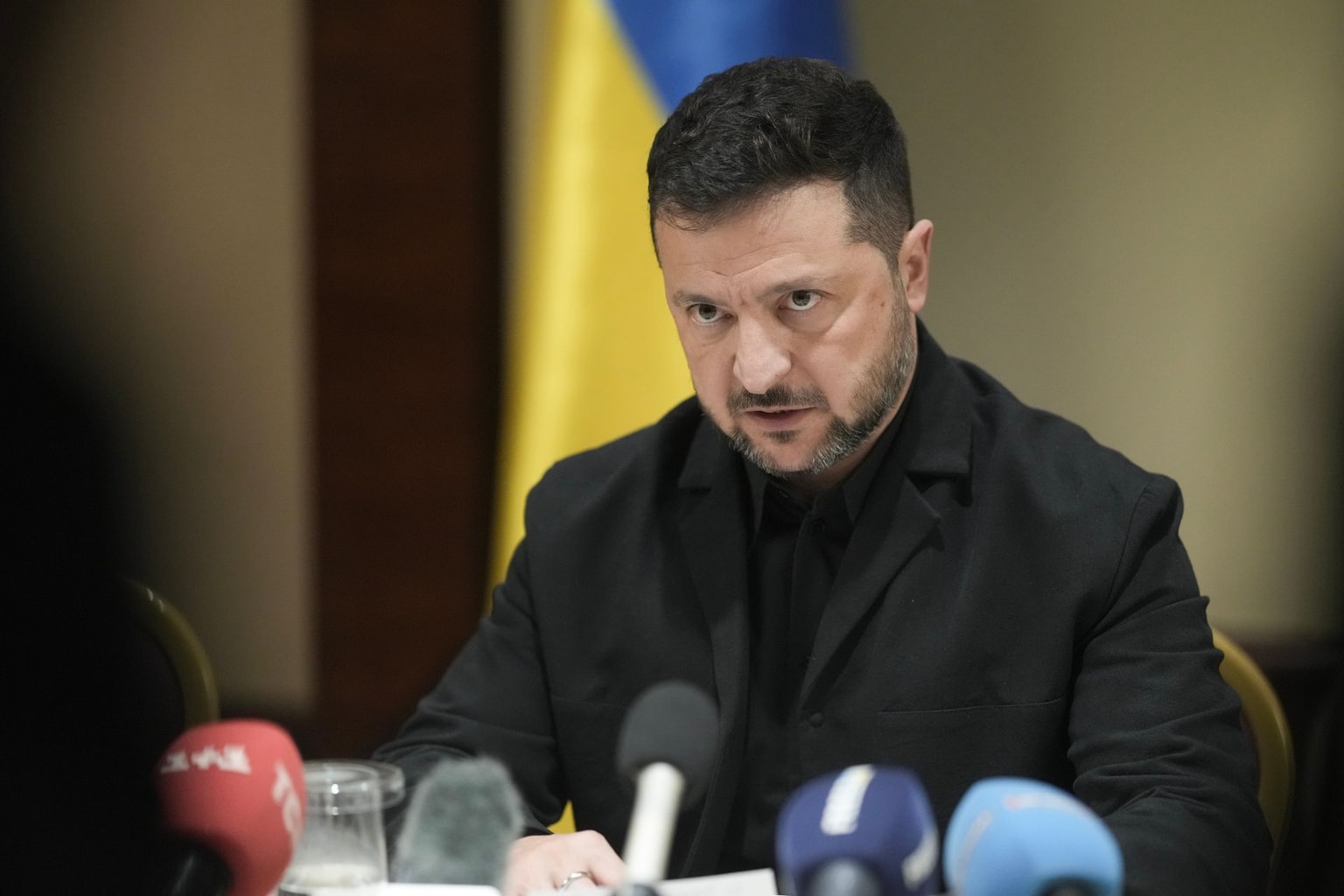
The bill on the memorial, called the Ukrainian National Pantheon, was submitted to the Verkhovna Rada by President Volodymyr Zelensky on June 28. To become law, it needs to be signed by the president.
Kyiv's recent initiatives to commemorate 20th century Ukrainian nationalists, including the Ukrainian National Pantheon, have contributed to the ongoing escalation in its tensions with Poland.
Poland has recognized the Ukrainian Insurgent Army (UPA) as responsible for the "genocide" of Poles in Volyn, now a region of northwestern Ukraine, during World War II. In Ukraine, however, the Volyn massacres are widely viewed as a two-sided tragedy in which both Poles and Ukrainians were killed, and UPA members are regarded as fighters for Ukraine's independence.
"I hope that today, as the Verkhovna Rada, we will make a historic decision by laying the legislative foundation for a unique place of Ukrainian statehood — I would even call it the navel of Ukrainian statehood — where the finest sons and daughters of our state and our people will find their final resting place," Ruslan Stefanchuk, speaker of the Ukrainian parliament, said before the bill was passed.
According to sources cited by RBC Ukraine, those commemorated at the pantheon are expected to include Yevhen Konovalets, head of the Organization of Ukrainian Nationalists from 1929 to 1938; Mykhailo Omelyanovych-Pavlenko, a top military commander of the Ukrainian People’s Republic from 1918 to 1920, and Vasyl Kuk, head of the Ukrainian Insurgent Army from 1950 to 1954.
In May the Ukrainian authorities said that they had obtained a permit from the Netherlands to bury Konovalets in Ukraine.
Former President Viktor Yushchenko has also proposed re-burying at the pantheon the remains of some Ukrainian national leaders buried abroad. These include Ivan Mazepa, an 18th century Ukrainian hetman who fought against Russia alongside Sweden, and Pylyp Orlyk, an exiled 18thcentury hetman who authored the first Ukrainian constitution.
He also proposed re-burying Pavlo Skoropadsky, head of the Ukrainian State in 1918; Symon Petliura, head of the Ukrainian People’s Republic from 1919 to 1920, and Stepan Bandera, head of a faction of the Organization of Ukrainian Nationalists called OUN-B from 1940 to 1959.
Bandera is indirectly linked to the Ukrainian Insurgent Army (UPA) since it was OUN-B's military arm. However, he spent UPA's formative years in a German concentration camp from 1941 to 1944 and was not directly involved in its activities at the time.
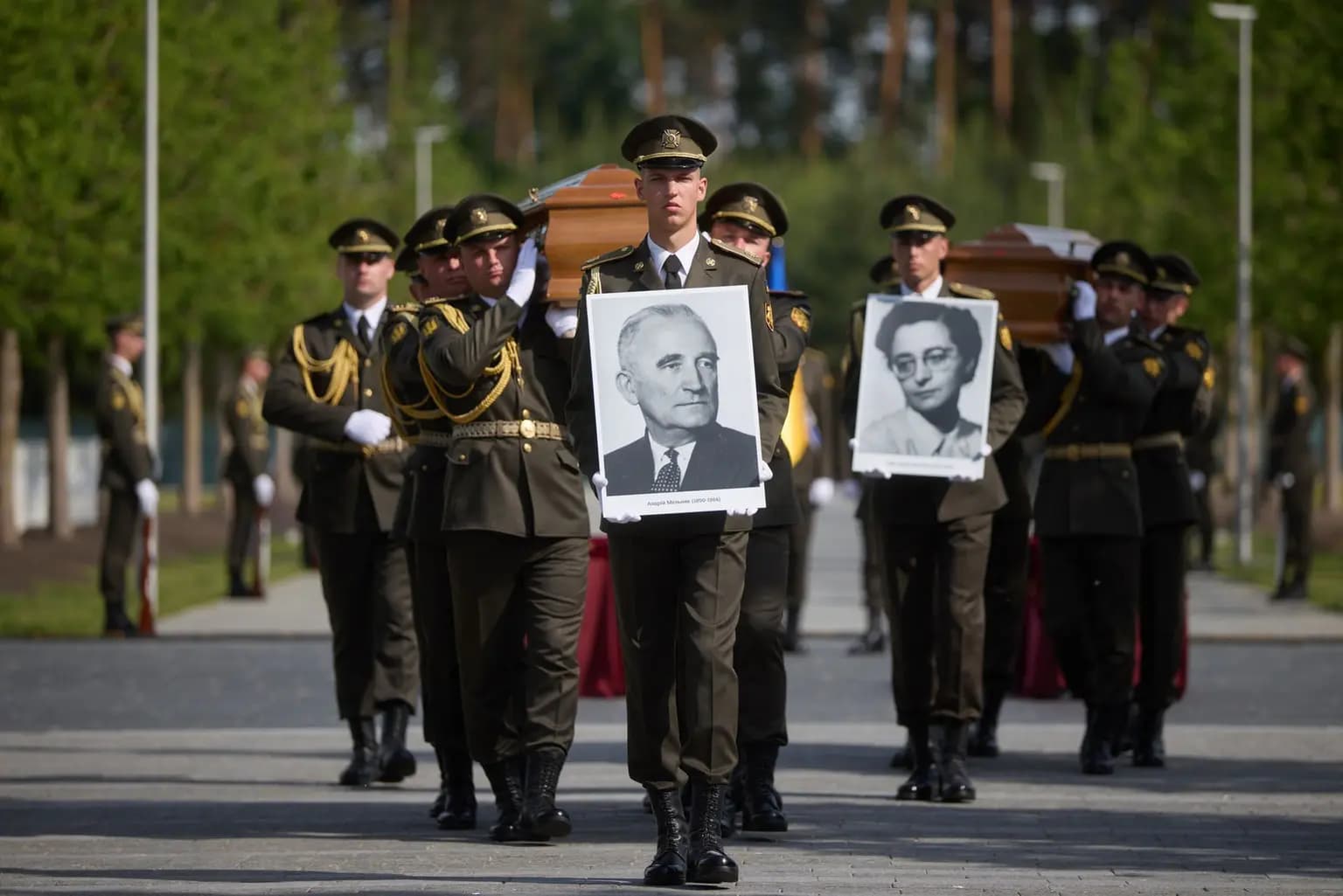
Meanwhile, the remains of Andrii Melnyk, another nationalist leader, were re-buried in Ukraine in May. He was the head of another faction of the Organization of Ukrainian Nationalists called OUN-M from 1939 to 1964.
Mykyta Poturayev, a lawmaker from Zelensky's Servant of the People party, said in June that the pantheon would commemorate Ukrainian leaders of different periods: Kyivan Rus, the Cossack Hetmanate, the Zaporizhzhian Sich, Skoropadsky’s Ukrainian State, and the Ukrainian People’s Republic.
The recent deterioration in Ukrainian-Polish relations was triggered both by Melnyk's re-burial and by Zelensky's decision in May to name a special forces unit after the Ukrainian Insurgent Army (UPA).
Ukrainian historian Serhii Plokhy, director of the Ukrainian Research Institute at Harvard University, estimates that the number of Polish victims of the Volyn massacres varies from 60,000 to 90,000. The number of Ukrainians killed by Poles in the 1940s is estimated at between 10,000 and 20,000, including between 2,000 and 3,000 in Volyn, according to Polish historian Grzegorz Motyka.